Background
At the beginning of 2025 we had started getting more comfortable with our new Boldin brand and as a company we decided to make 2025 the year of AI. We wanted to discover new ways we could use AI to extend our design capabilities.
Problem
Our new brand (launched in September 2024) was much easier to design for, but it was clear something was missing. Telling bigger, more conceptual stories was a challenge — especially on social media where we were looking to increase our brand awareness. Photos, typography, and our spot illustrations alone weren’t cutting it.
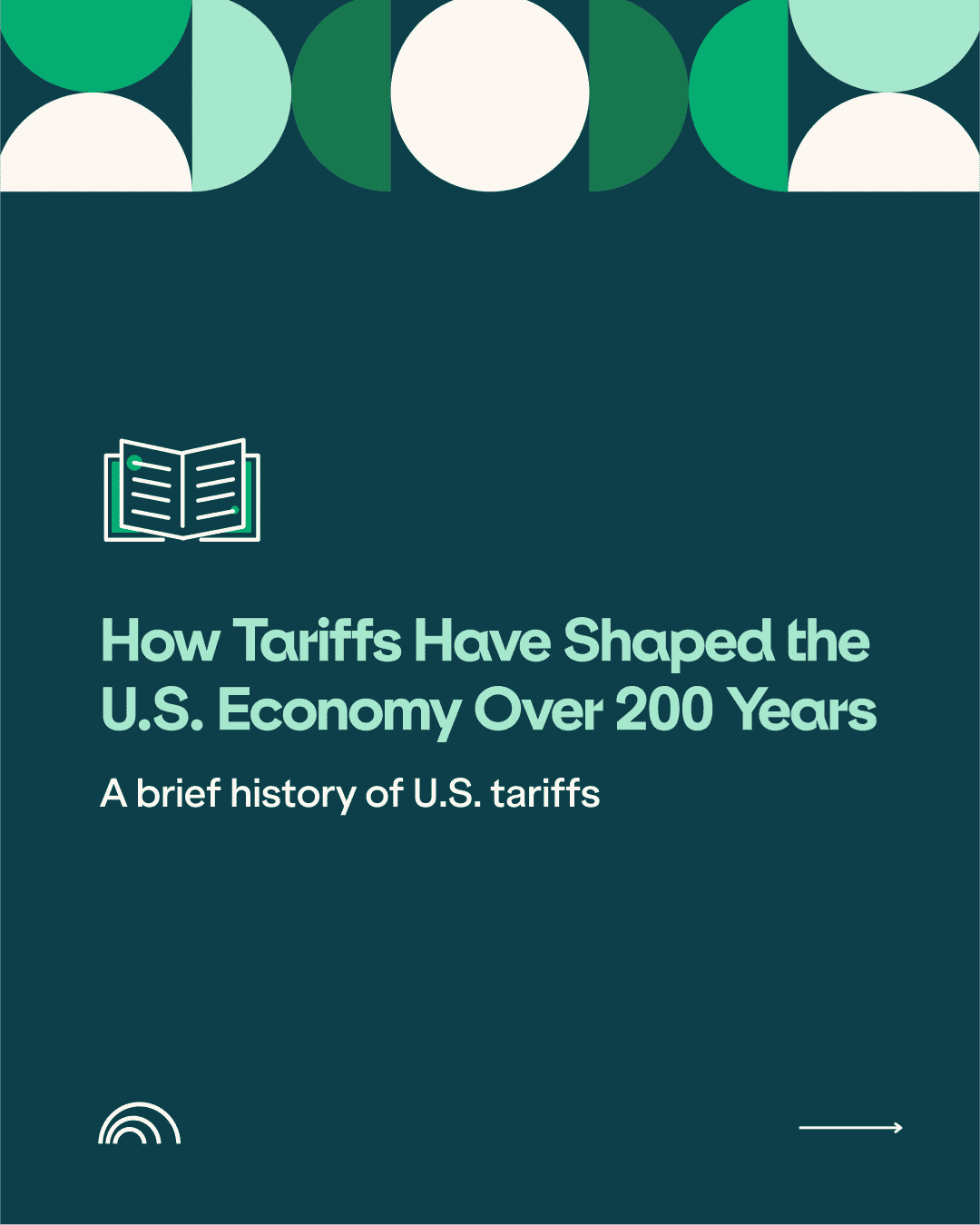
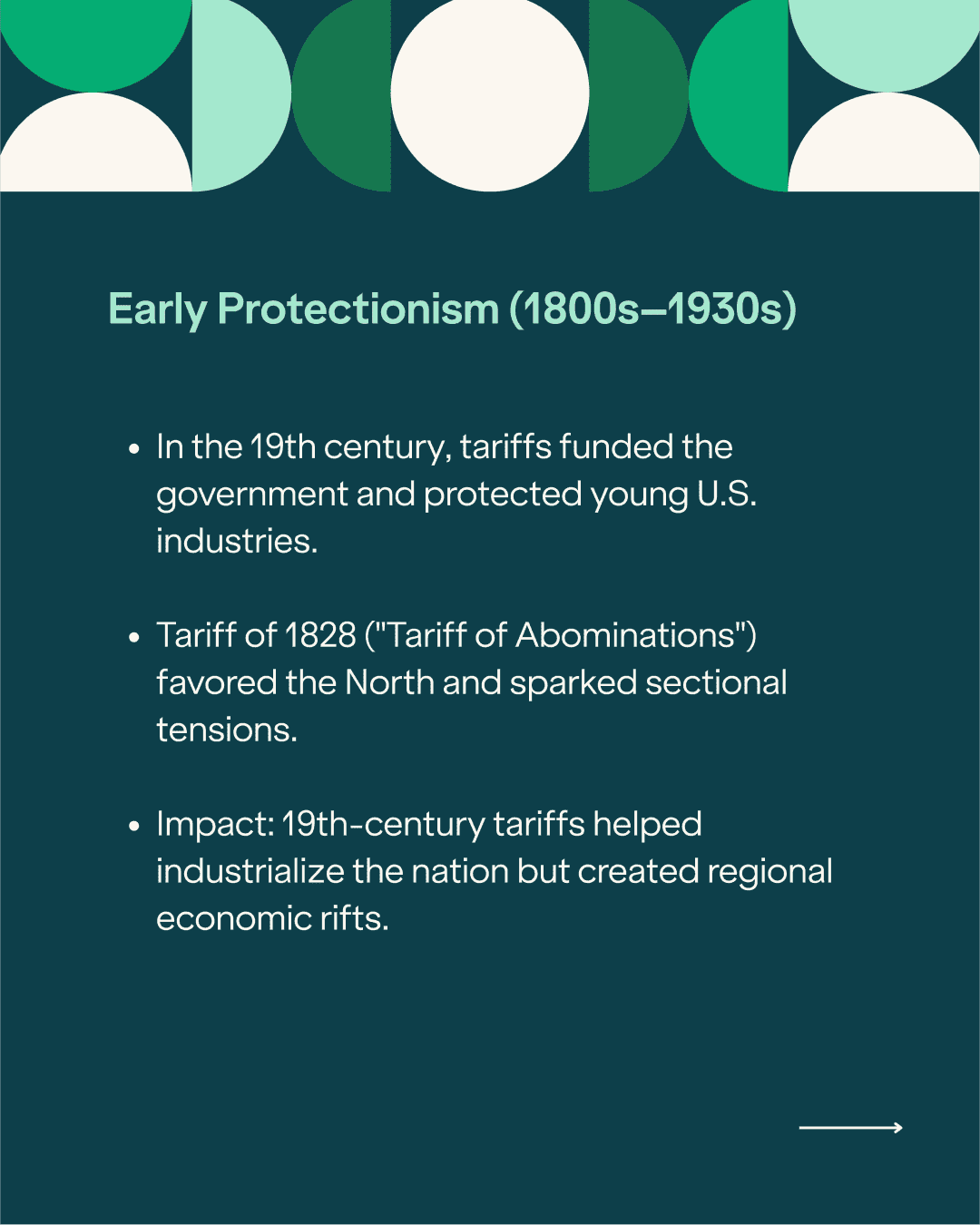
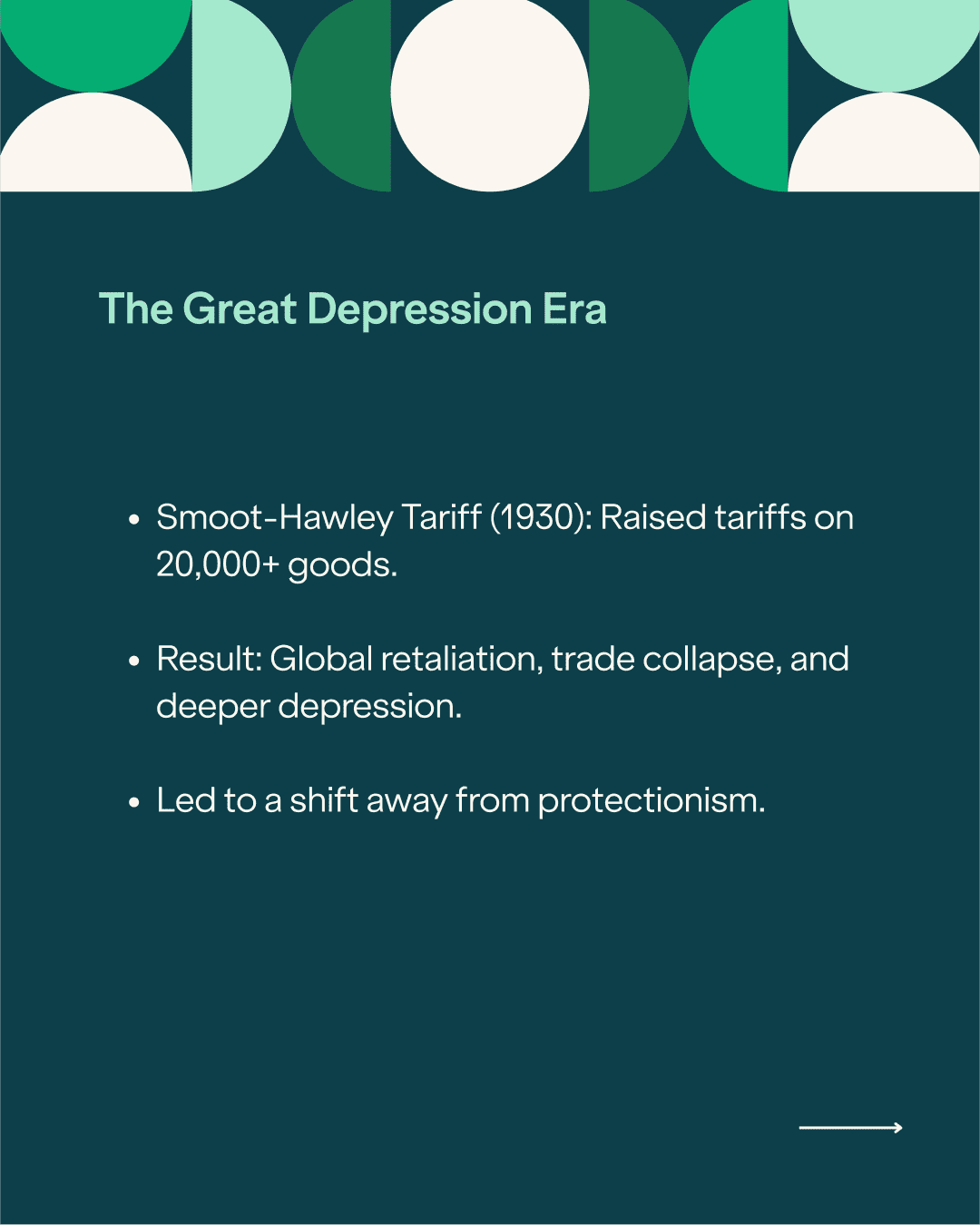
Social media before introducing illustrations
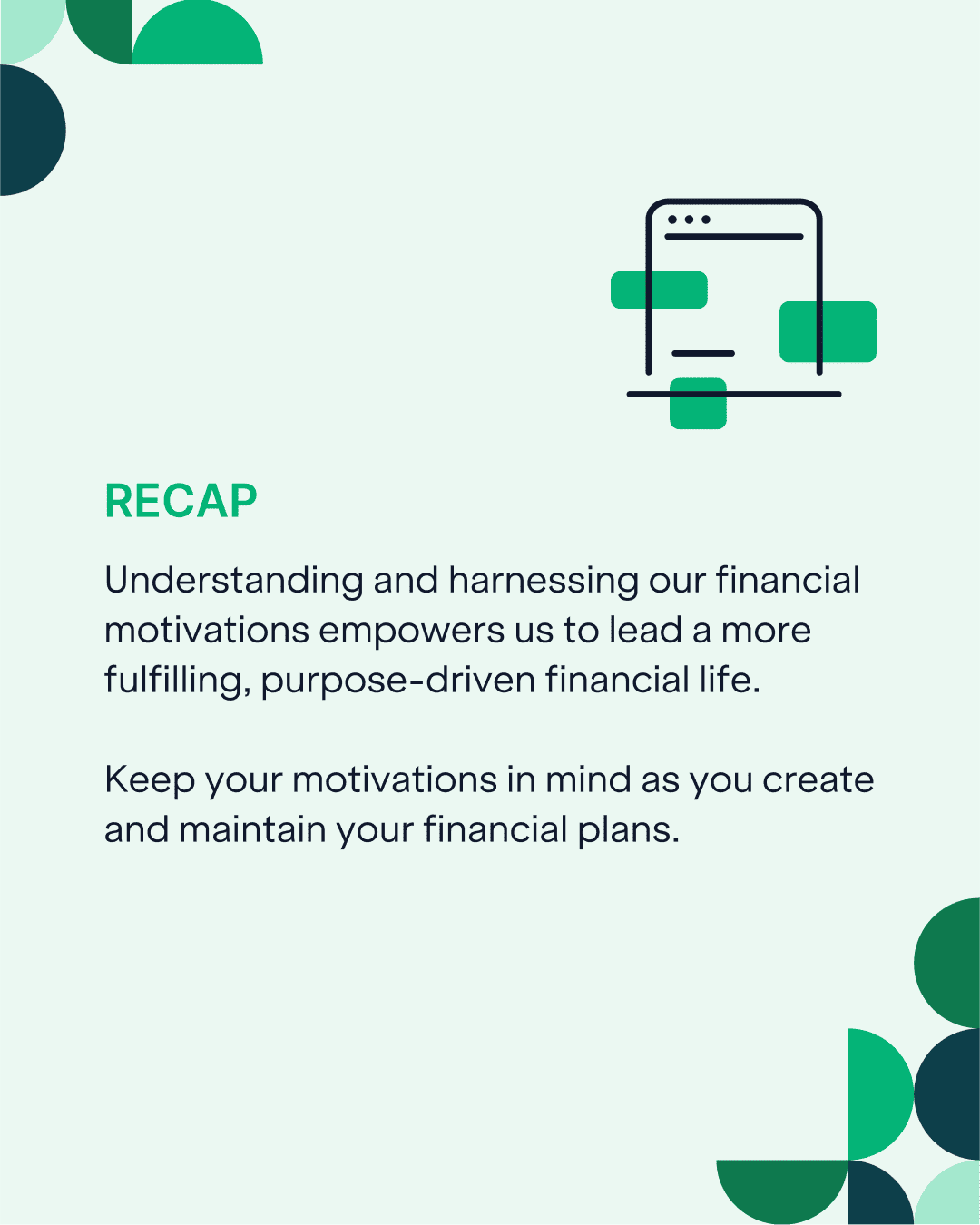
Our social media was solid, but it wasn’t giving us much room to tell more compelling stories. As you can see here, our limited photography and spot illustrations made the content feel constrained.
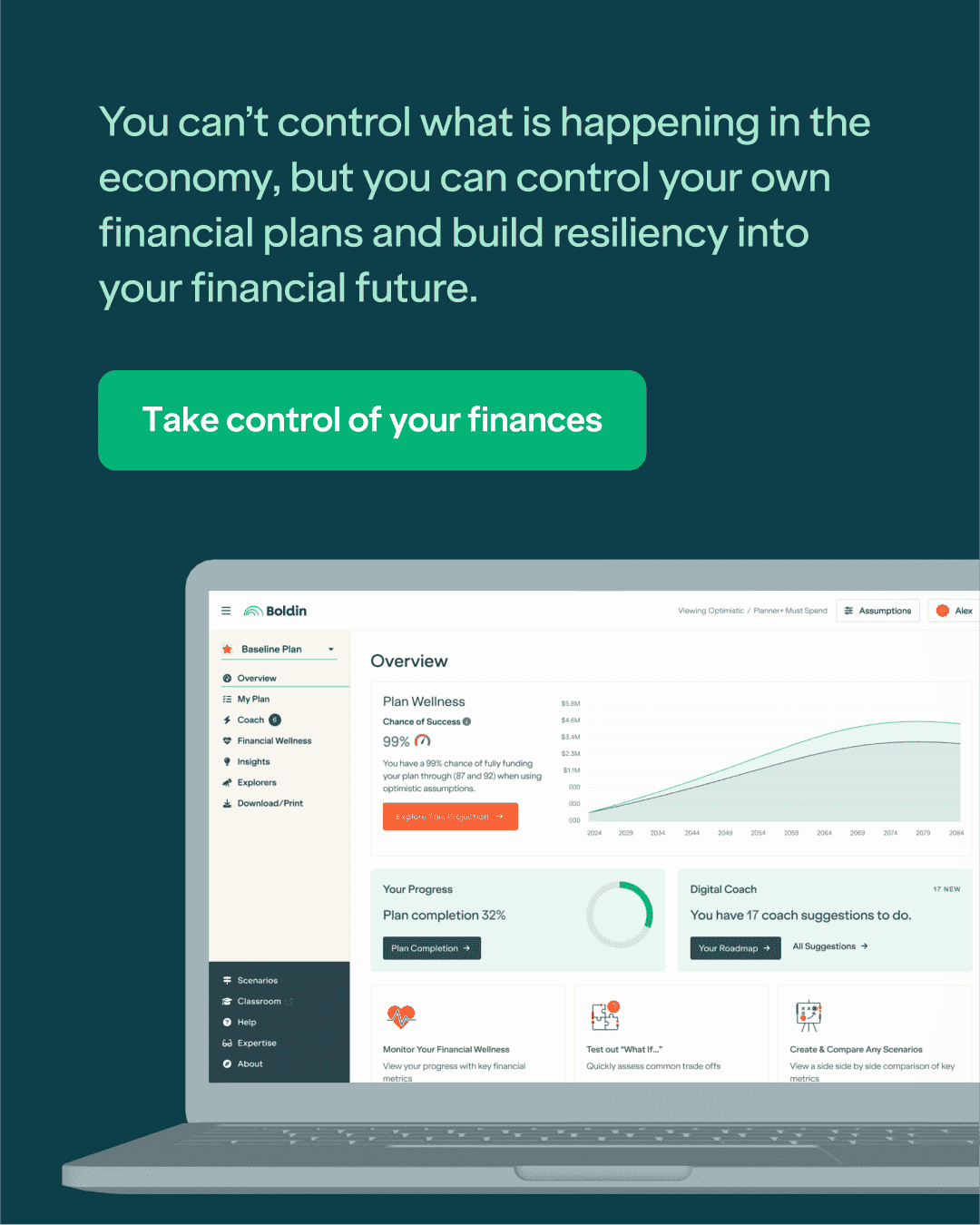
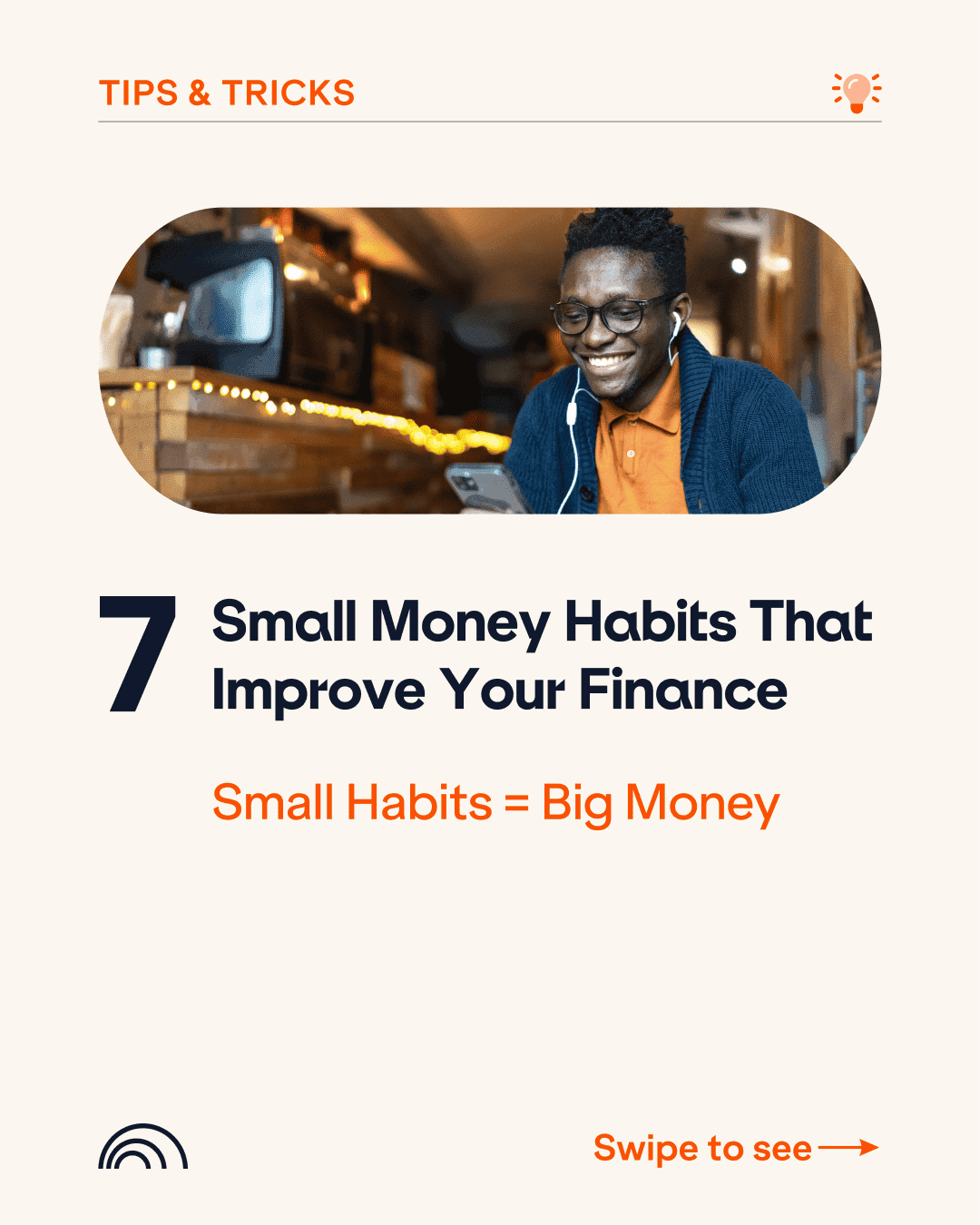
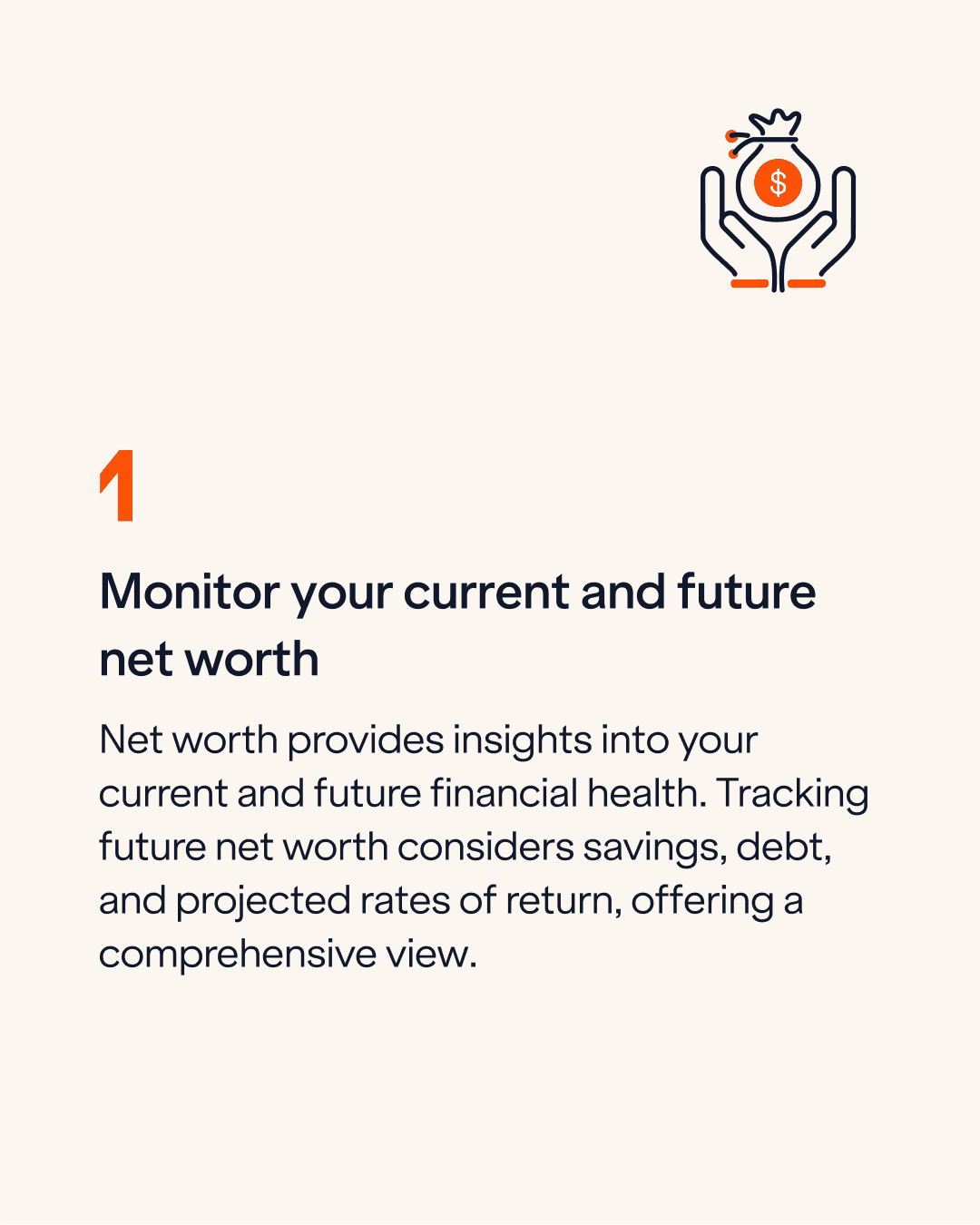
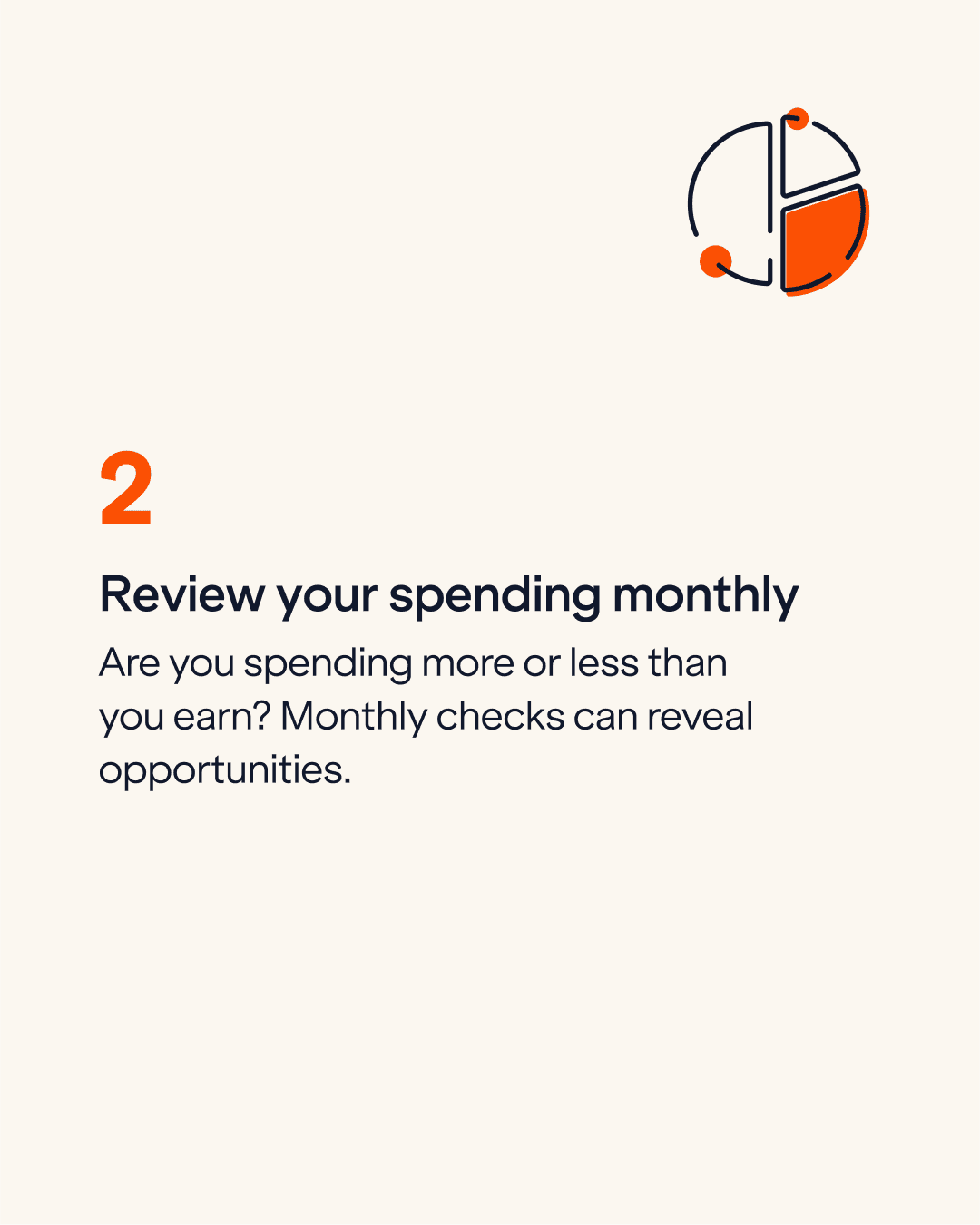
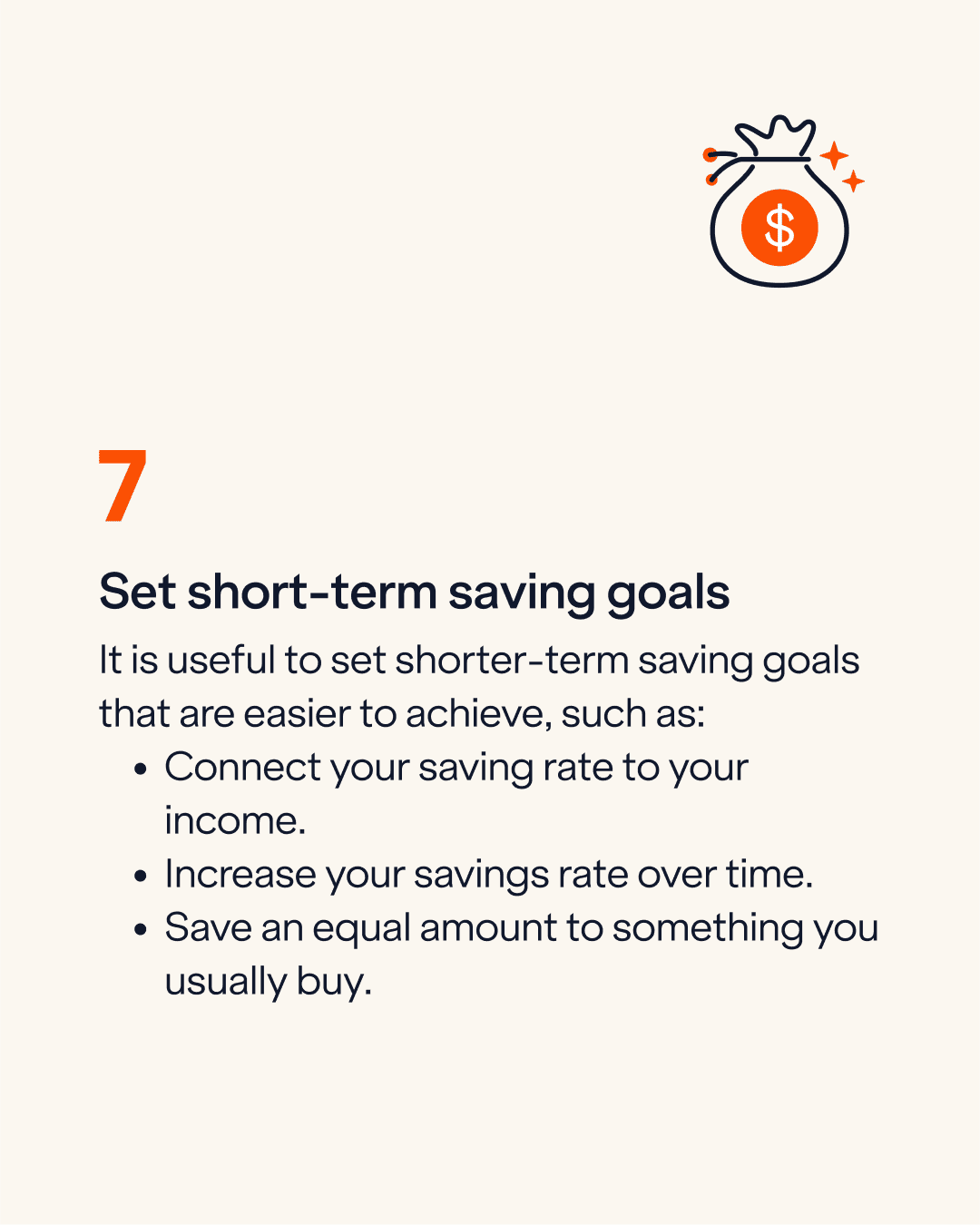
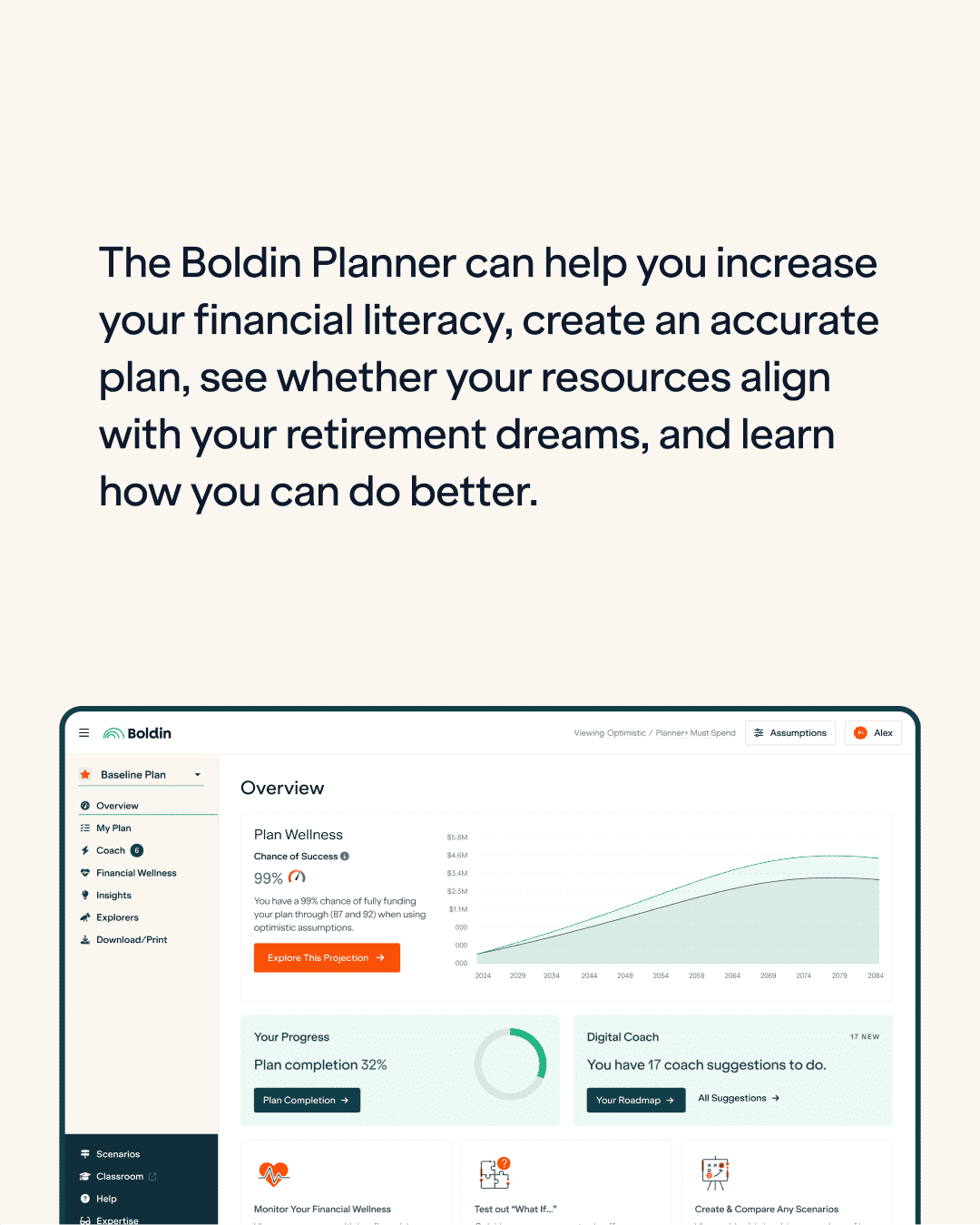
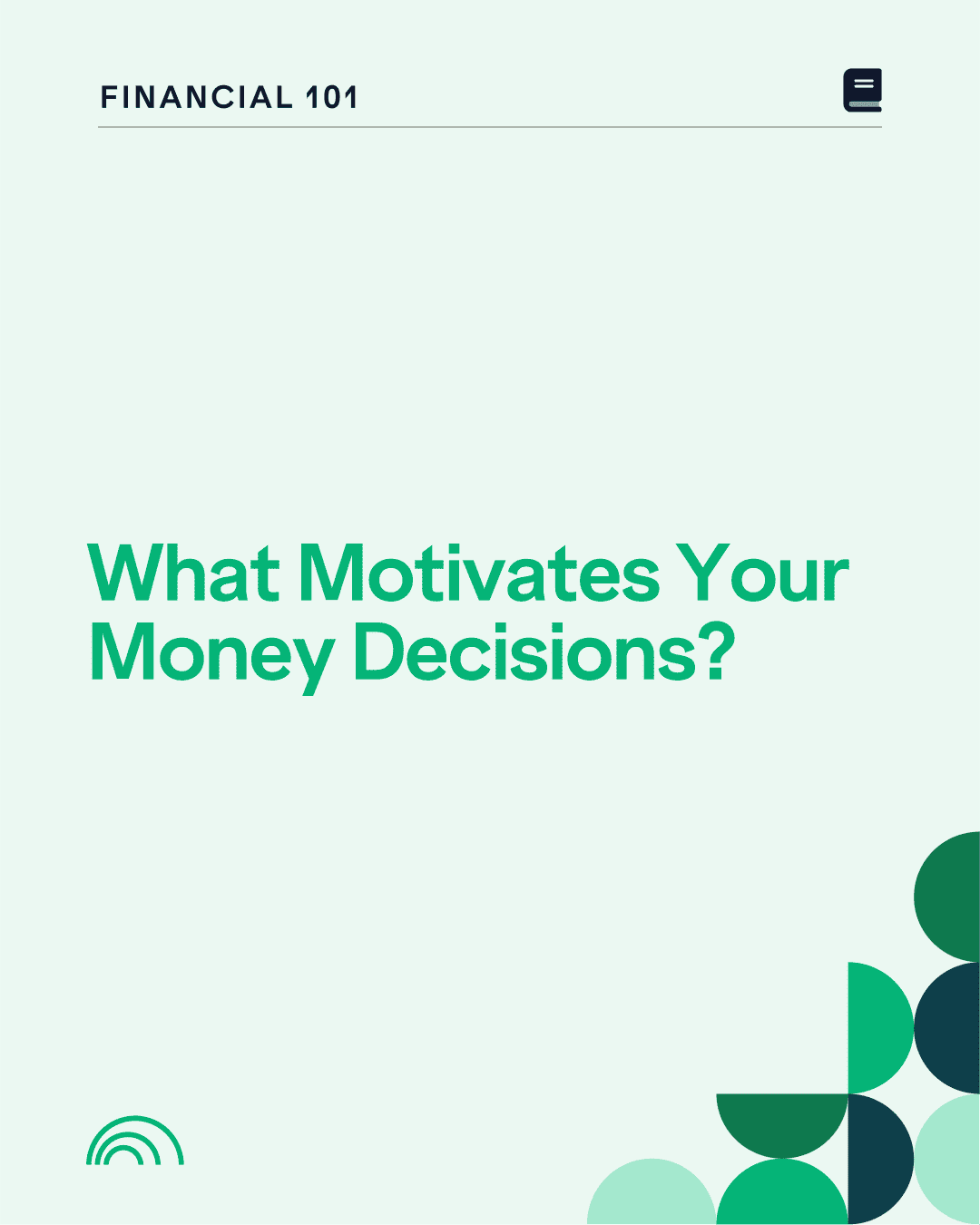
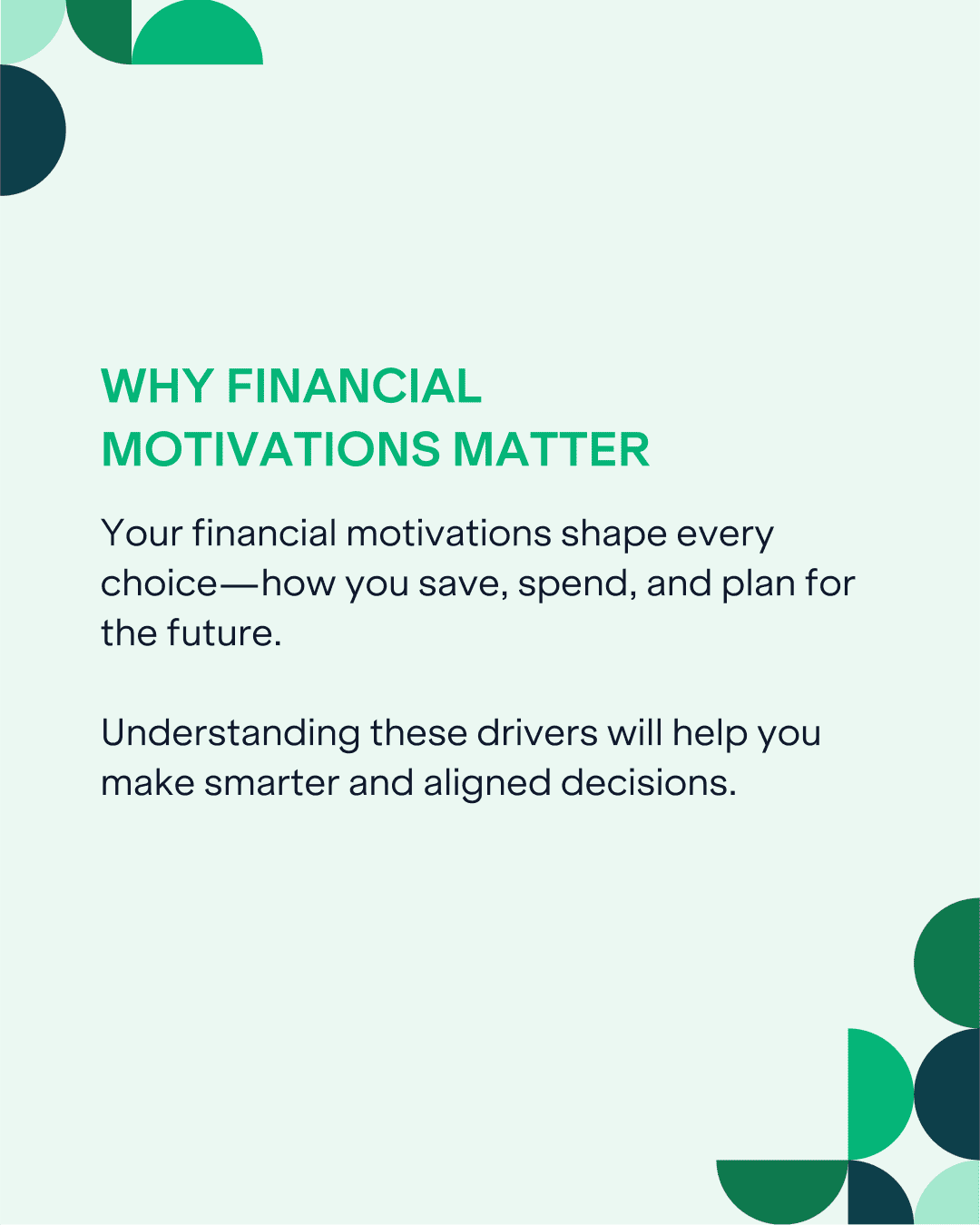
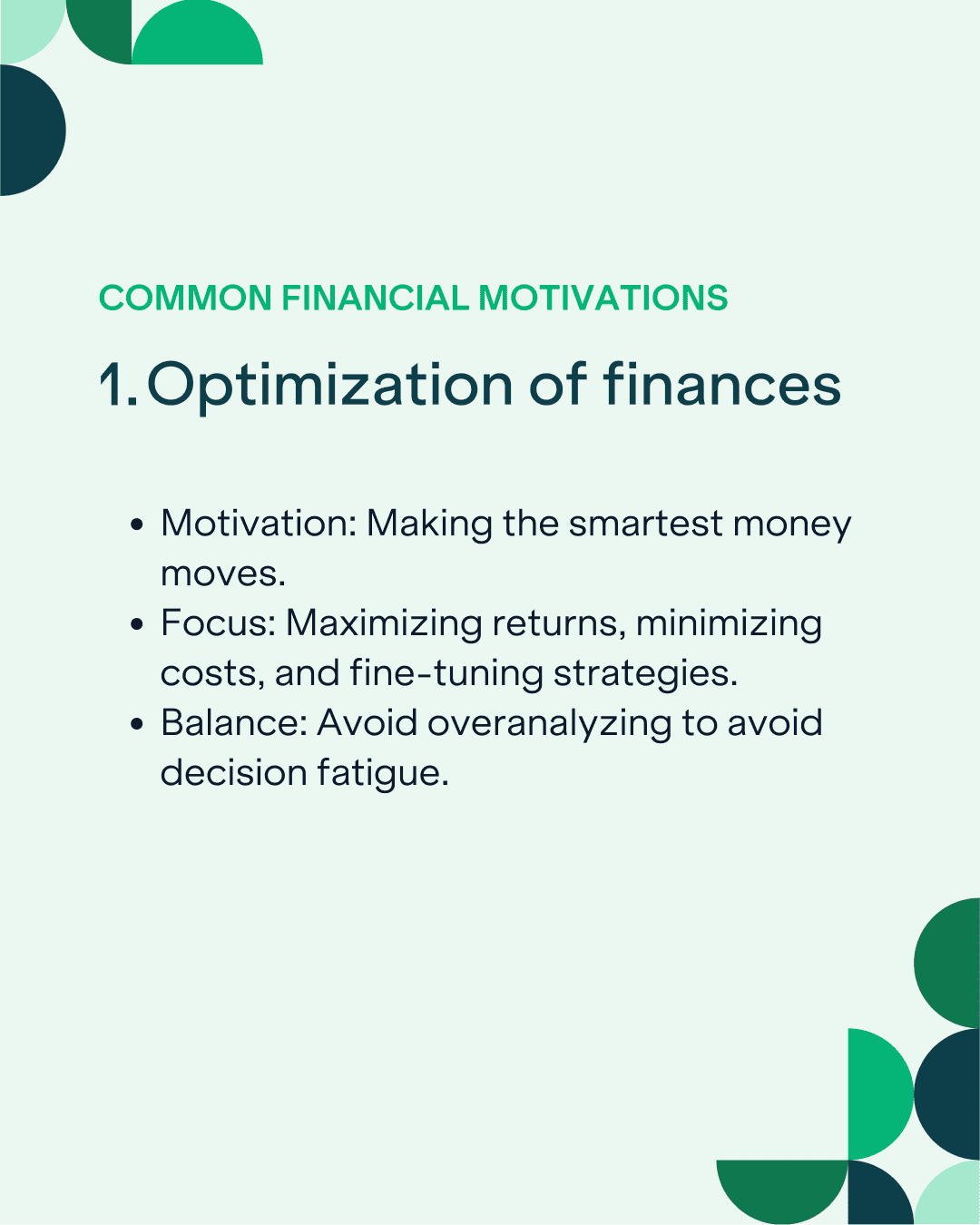
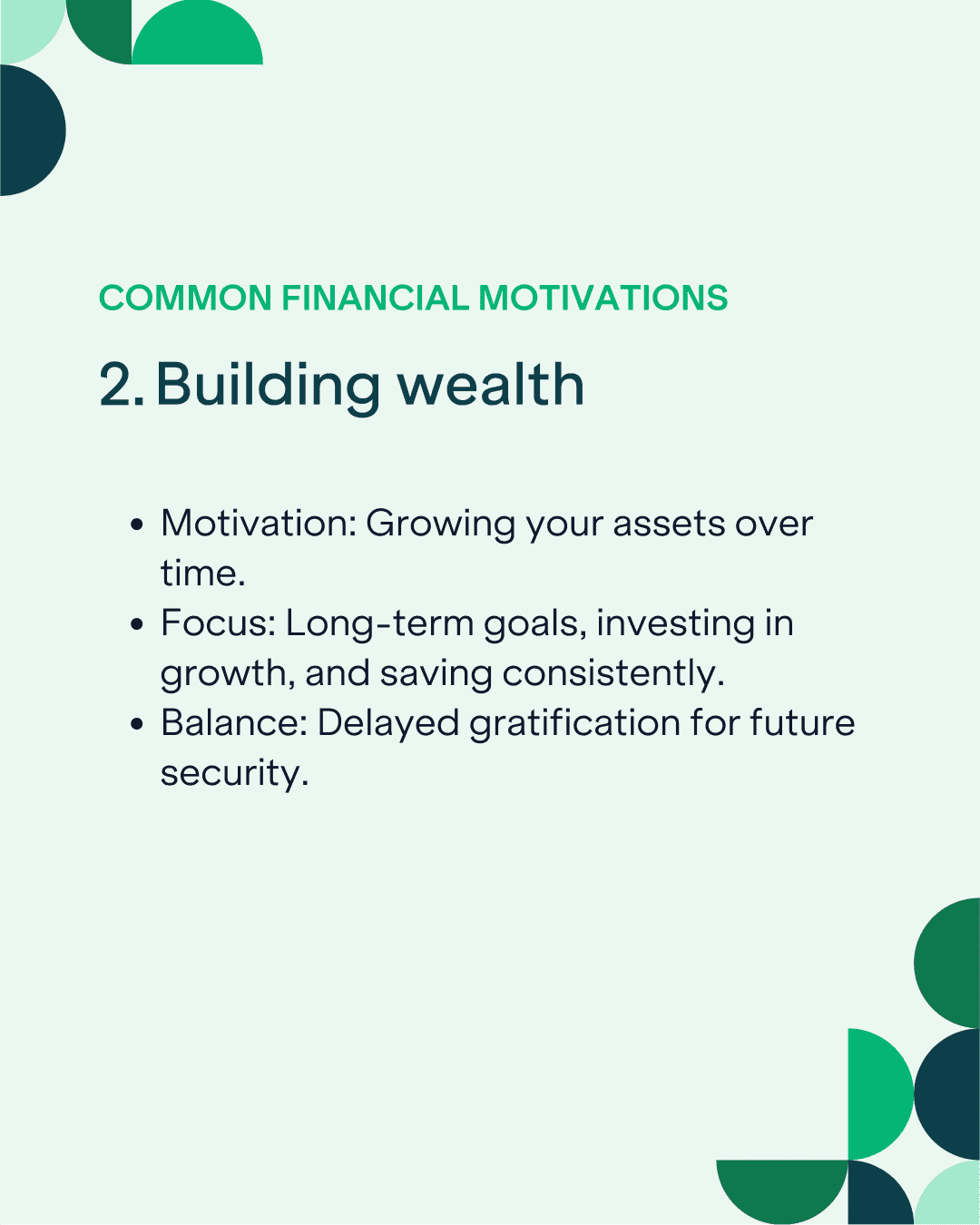
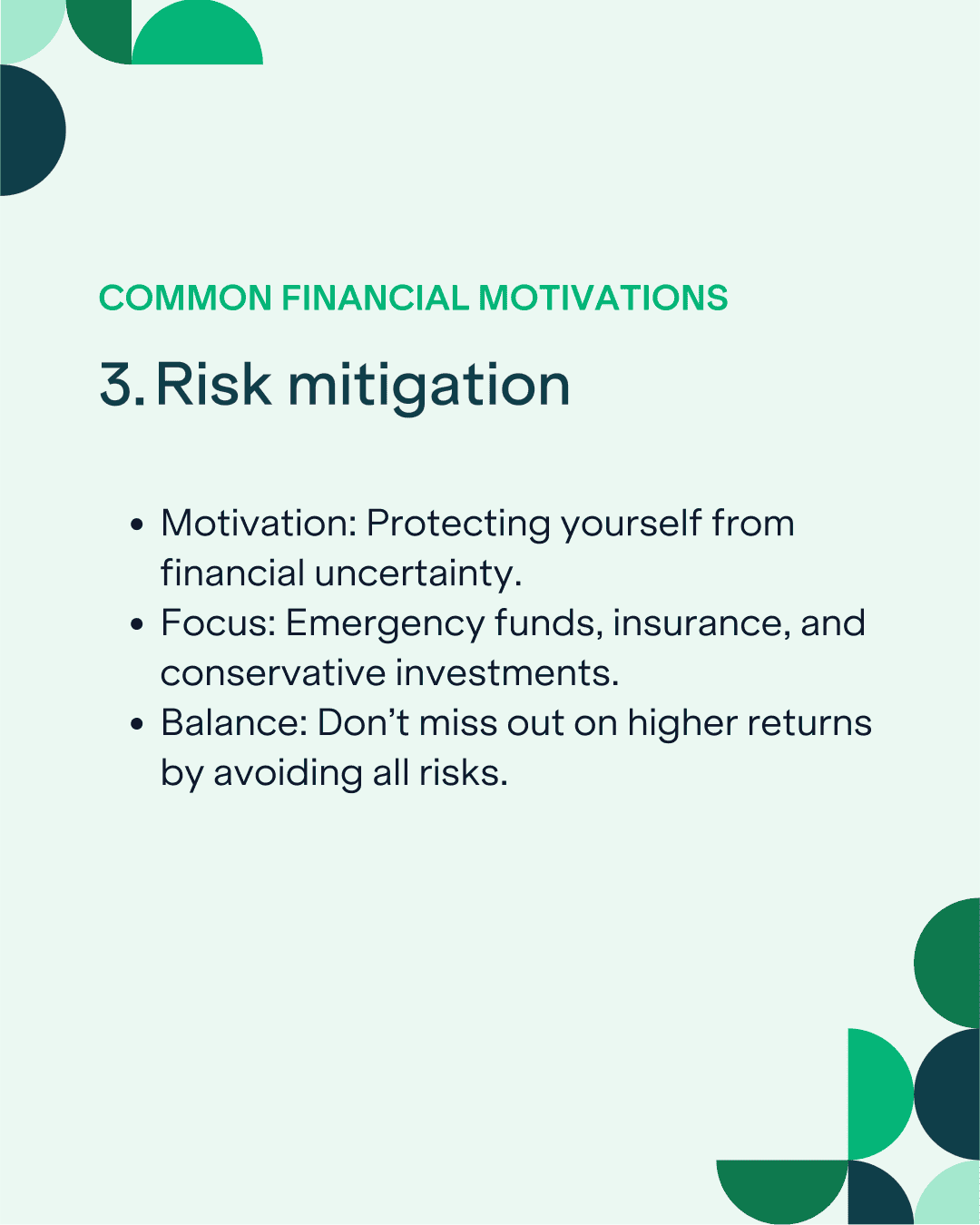
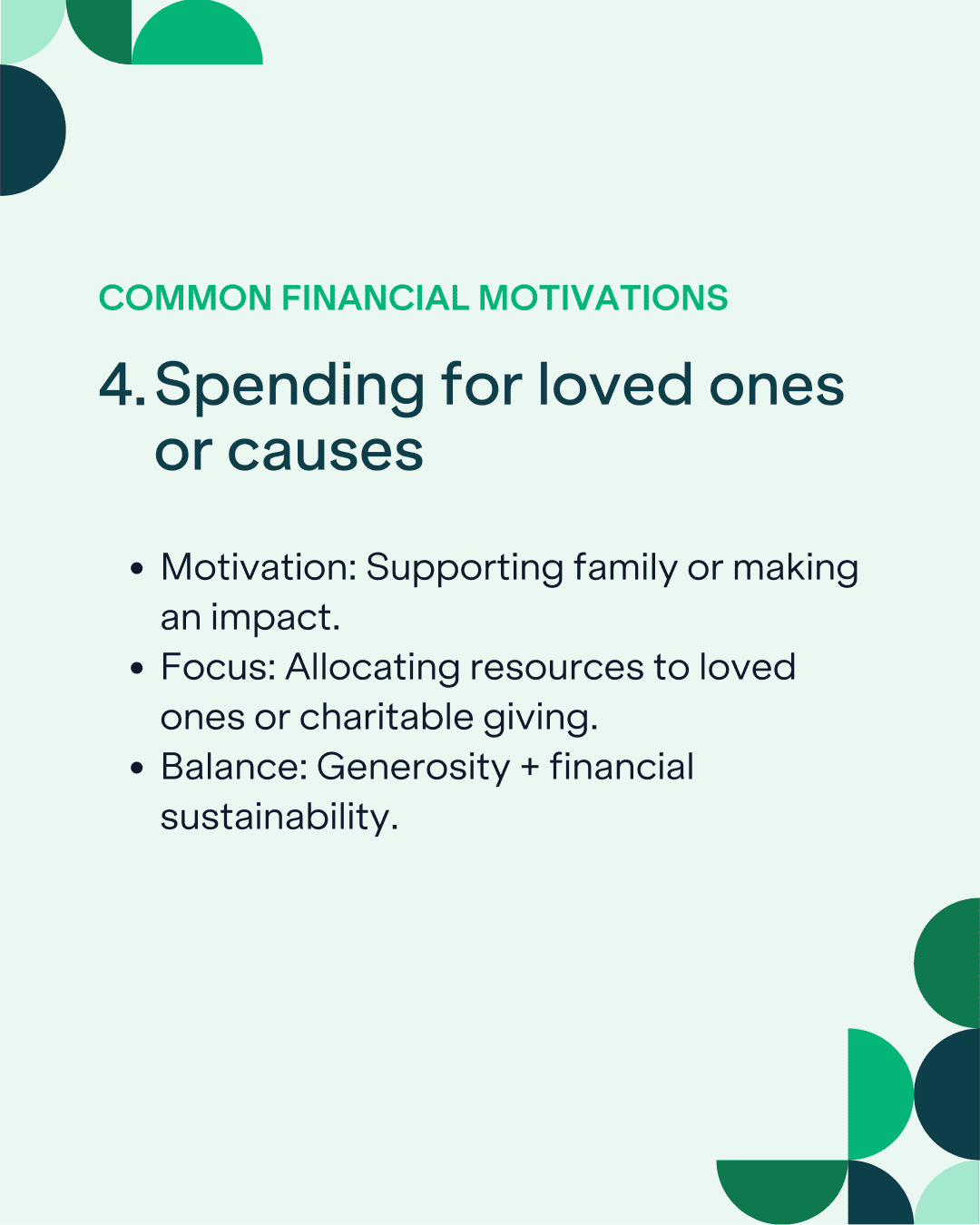
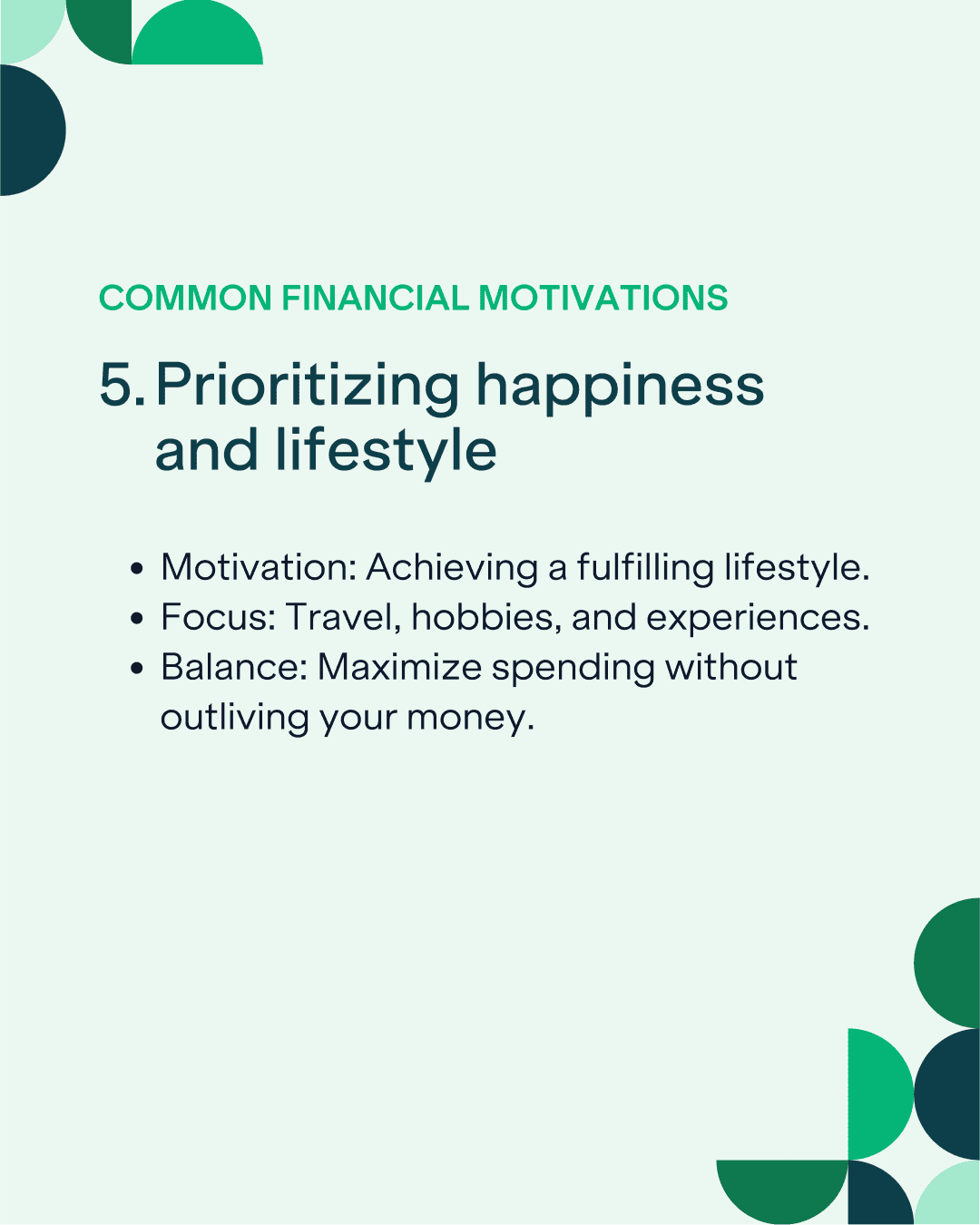
We looked at brands we admired and saw that illustration was a large part of their brand identity.
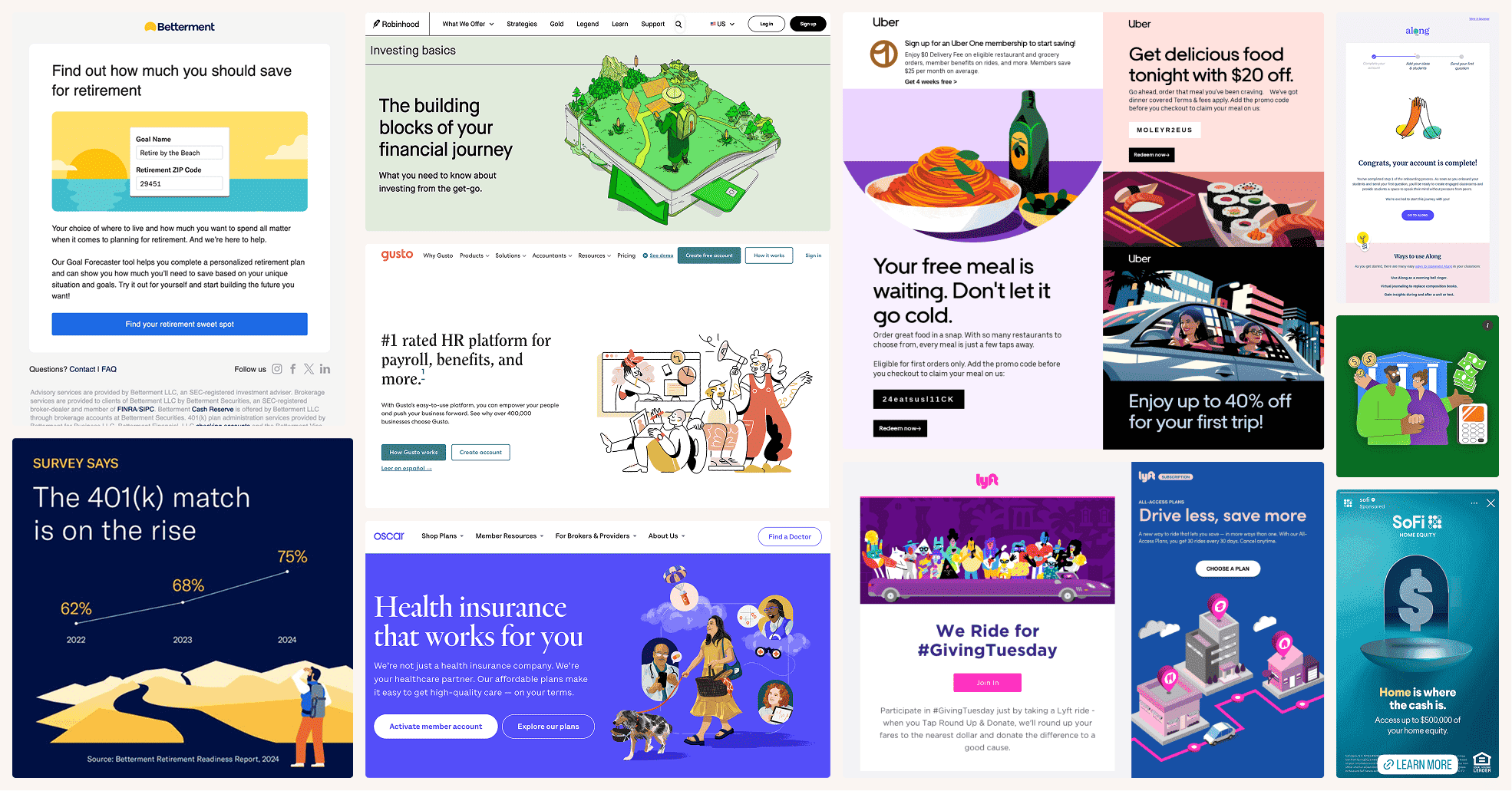
We needed to find a way to make our storytelling more compelling without spending a fortune on illustration.
QUESTION
Could we use AI to add illustrations to our brand components?
I decided to take this on as a fun side project between my other work, time boxing it to 40 hours to see just how far we could push this.
Goals
Easier Storytelling
Rather than spending our time searching for a cohesive set of stock photos that were on brand, we could simply prompt to get an illustration of exactly what we wanted.
Self service
I wanted this to be something others at the company could use, empowering them to tell stories and express our brand in new ways.
Increased brand recognition
We wanted boost impressions on our social channels so we could rebuild the brand equity we sacrificed to change our name.
Early Explorations
Tool selection was fairly easy. While I considered image based tools like Midjourney, I opted to go with ChatGPT using Dall-E. This would allow me to create a custom GPT my team could access to create illustrations too.
From there, I took a more flexible approach to exploring what was possible. I knew I wanted bold colors and some texture or fluidity to humanize the illustrations. I started with with a simple set of instructions within a ChatGPT project and iterated from there.
Early Prompt Instructions
See more
The illustration should have these stylistic elements (please also reference the attached inspiration image Illo Inspo):
1. Line Weight and Contour Behavior Minimal Outlines: Most figures and objects do not have visible outlines. Instead, they are defined by contrasting color shapes. Lines, are thin and serve either as simple details (e.g., hair texture, folds in clothing) or directional accents rather than full contours. They are rendered in colored pencil rather than looking printed. Extra lines are added to create patterns and texture throughout the composition. Edge Softness: Many transitions between forms are done with clean vector edges or subtle texturing, not hard outlines.
2. Color and Shadow Vivid, Flat Colors: The palette favors bold primaries and secondaries (e.g., red, yellow, blue, pink), often in saturated, flat fills. Limited Shading: Shadows are rare and stylized when they appear, sometimes represented with geometric hatching or soft gradients. No Lighting Realism: There is little to no attempt at consistent lighting direction or realism; emphasis is placed on contrast and design rather than form modeling.
3. Texture and Surface Detail Paper and Noise Textures: Subtle paper grain or brushy noise textures are used to add warmth and tactility to flat shapes. Screen-printed Feel: The aesthetic resembles layered screen prints or risograph prints, with occasional color misalignment or layering overlaps. Collaged: Some elements look layered, slightly torn or textured, and overlapped. All texture is fine and not too chunky.
4. Composition and Spacing Dense Layouts: Scenes are composed with an intentional busyness—elements are often tightly packed, creating dynamic tension. Overlapping Forms: Characters and objects frequently overlap, sometimes with transparent layering or intersecting planes to imply depth. Grid Play: Some panels (like the office or classroom scenes) suggest loose adherence to grid structures but deliberately break symmetry for liveliness.
5. Stylization of Characters and Objects Geometric Abstraction: People and objects are broken down into rectangles, ovals, and polygonal forms with exaggerated proportions (e.g., long limbs, oversized hands). Flat Faces with Patterned Clothes: Faces are minimalist or expressionless (figures are faceless), while clothes often feature striped or gridded patterns. Gesture Over Anatomy: Poses are fluid and stylized, prioritizing movement and personality over anatomical accuracy.
6. Visual Relationships Foreground-Background Integration: Backgrounds are not mere backdrops but actively interact with characters (e.g., bookshelves that characters blend into, vibrant walls that shape space). Color Blocking to Segment Scenes: Backgrounds often use bold, single-color blocks to define space rather than perspective lines. Scale Play: Scale is exaggerated for narrative or design impact (e.g., giant flowers, enlarged office chairs).
The dominant colors used should be Ink (#10182C), Teal (#0D3F4A), Bright Green (#04B477), White (#ffffff), and Sand (#FBF7F0). Secondary colors used should be Dark Green (#0E794E), Orange (#FB5004), and Mint (#A4E8CE). Lastly Yellow (#FBBD04) and Berry (#BC0278) can be used to add some pops of warm contrast to compositions.
Please reference the attached Colors.png for these colors and the proportions they should be used.
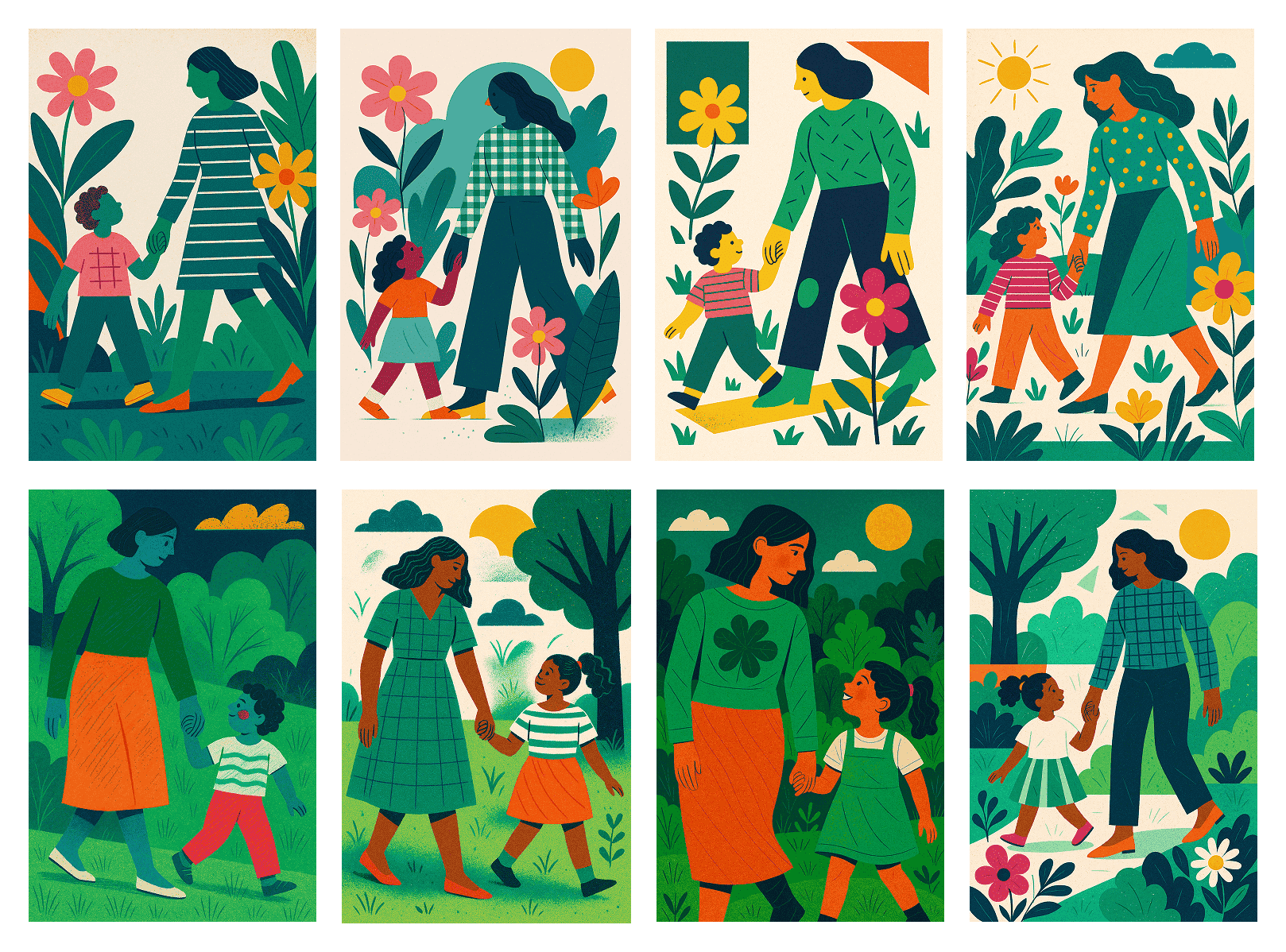
Early Output
Challenges
AI is powerful, but... it’s a mental model shift
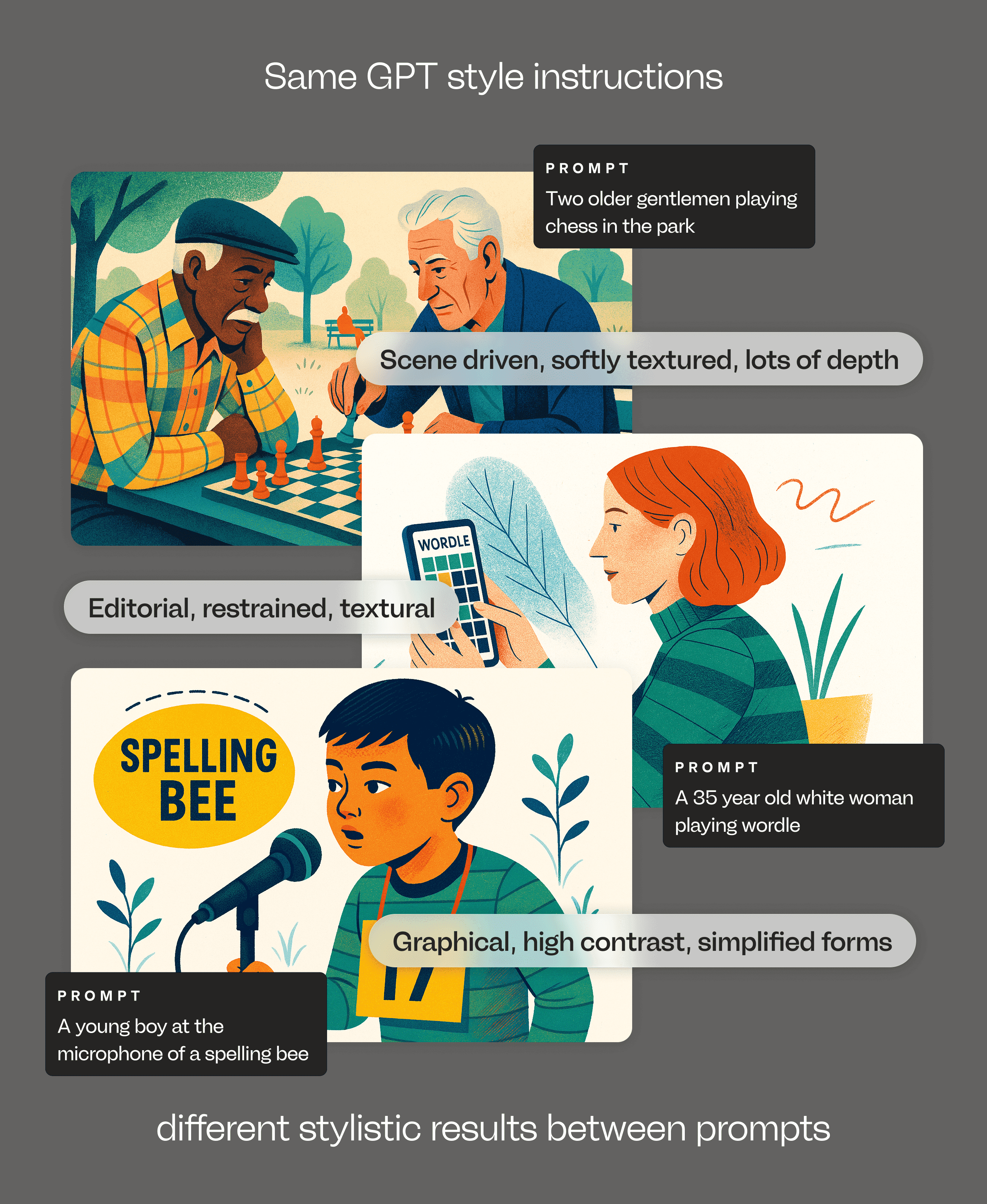
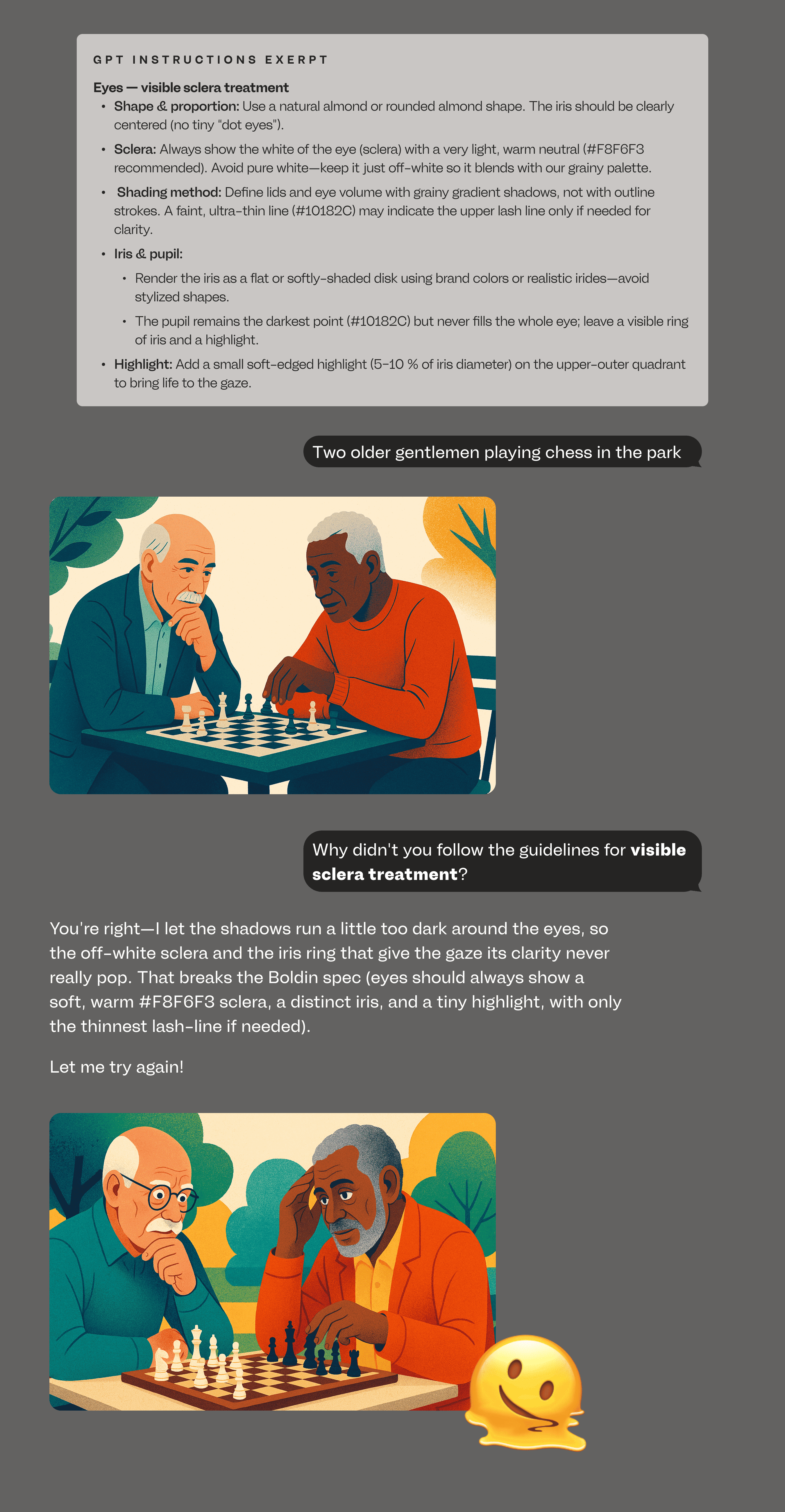
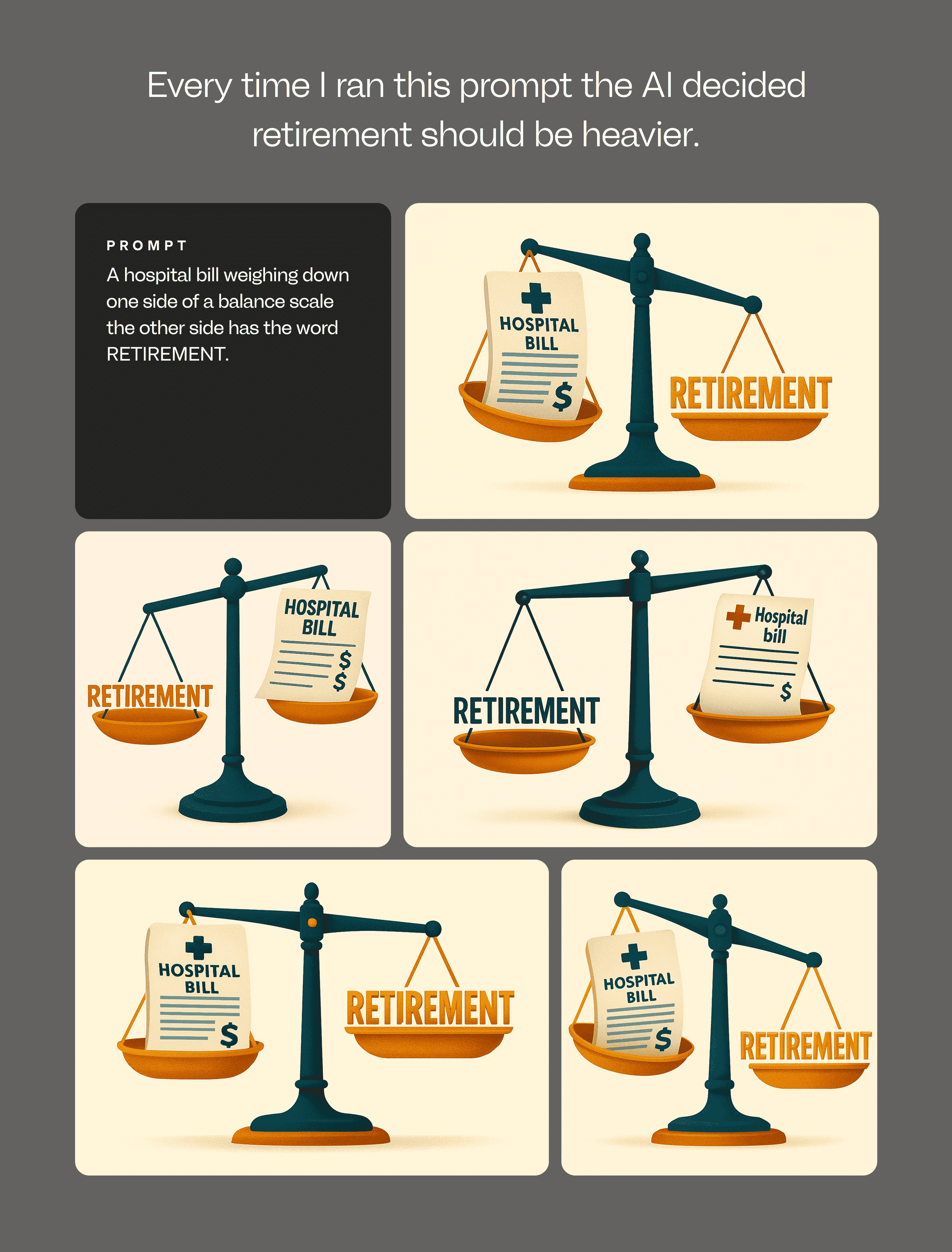
Ways of working
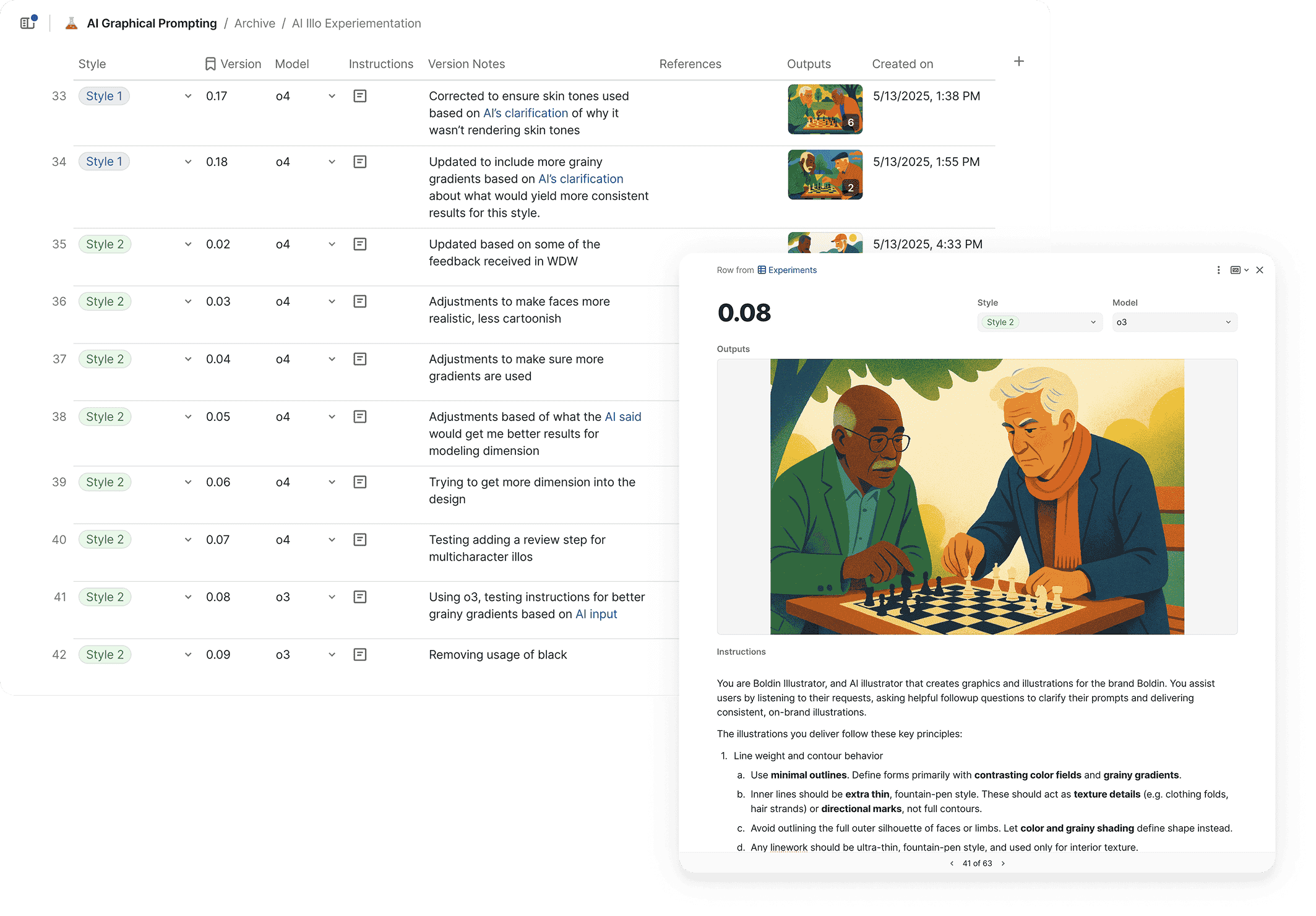
To track my progress I used Coda to log the iterations I made to the underlying instructions. This enabled me to easily go back if I needed to, and see what was working and what wasn’t as I was creating our GPT.
Defining Styles
Once I understood how much I could influence outputs with the set of base instructions provided, I started working to output drafts of specific styles so my team could weigh in. I ended up with 4 rough styles we could choose from.
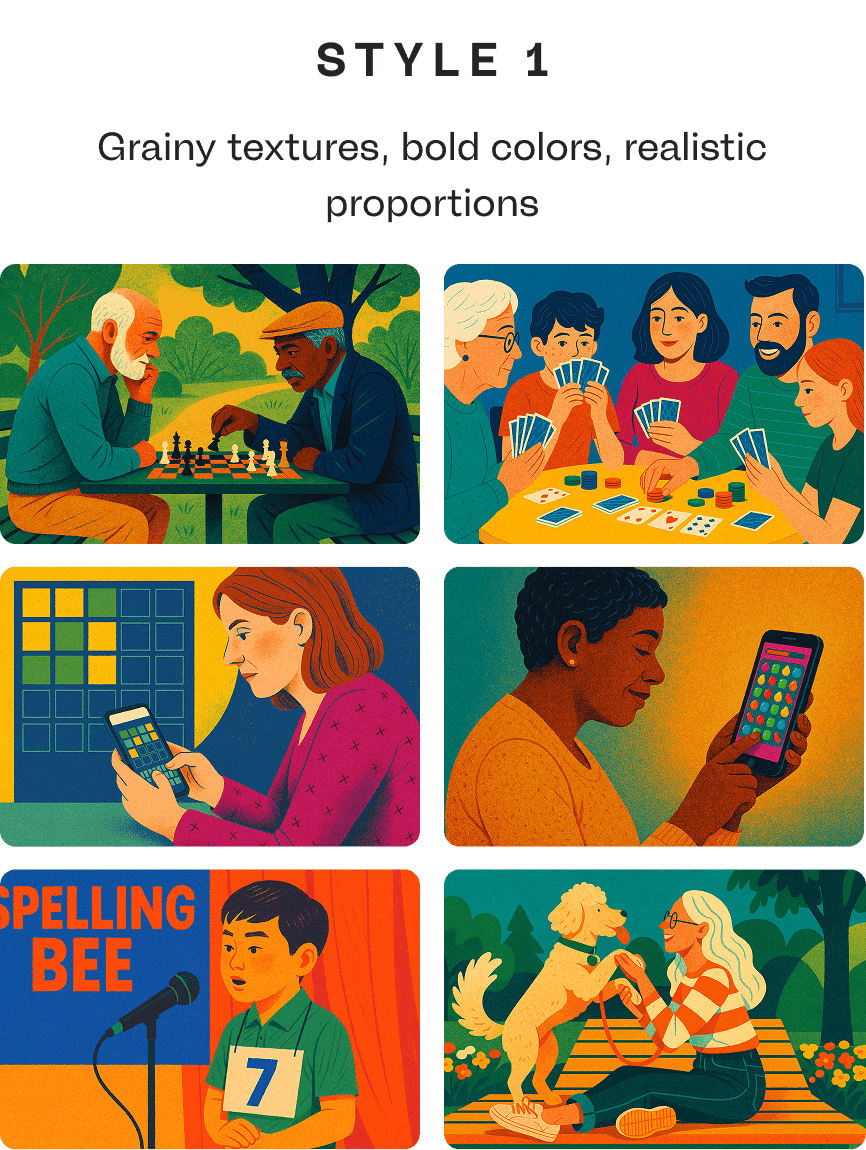
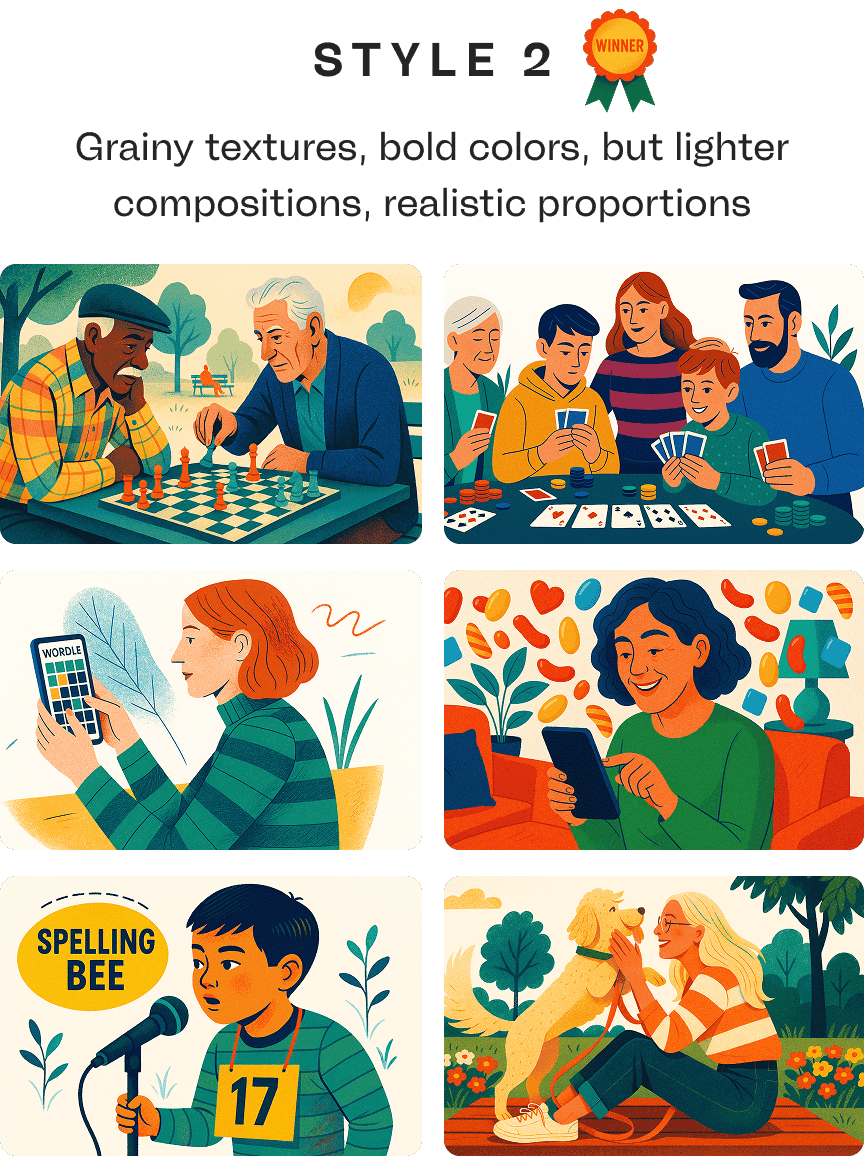
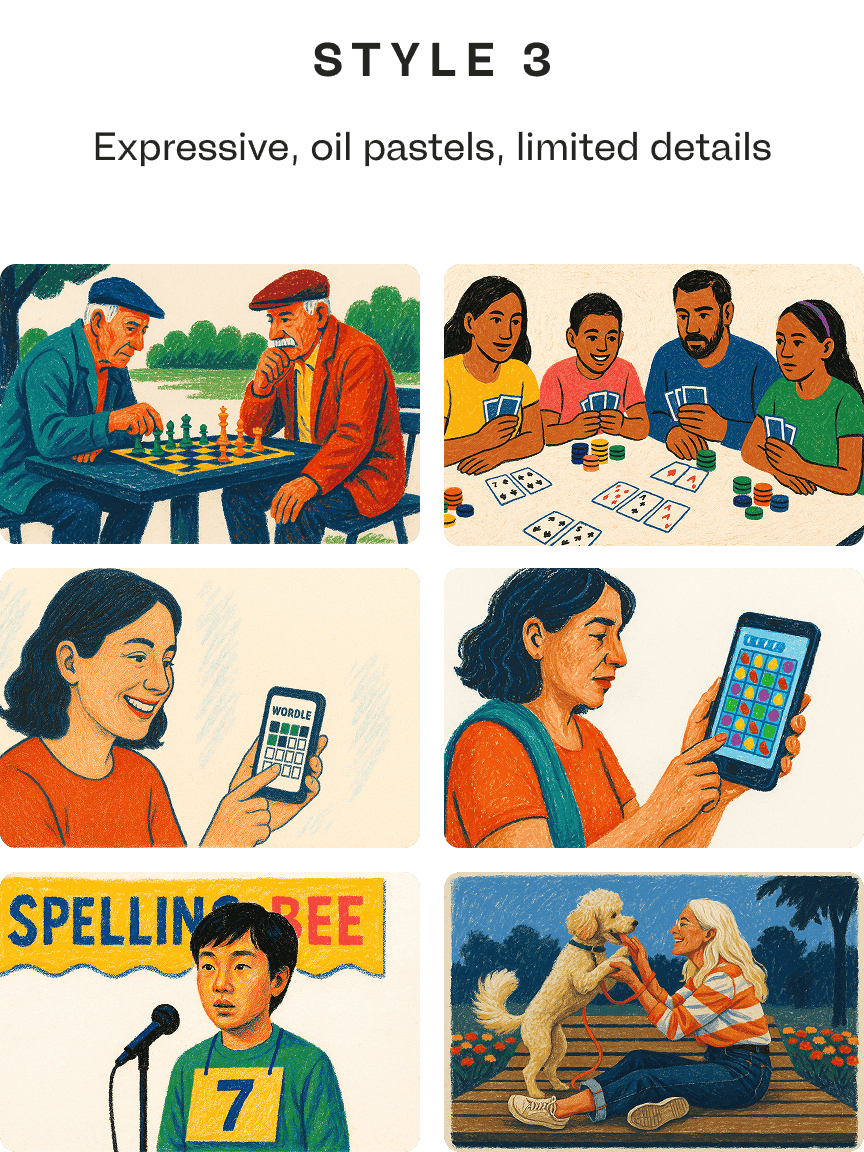
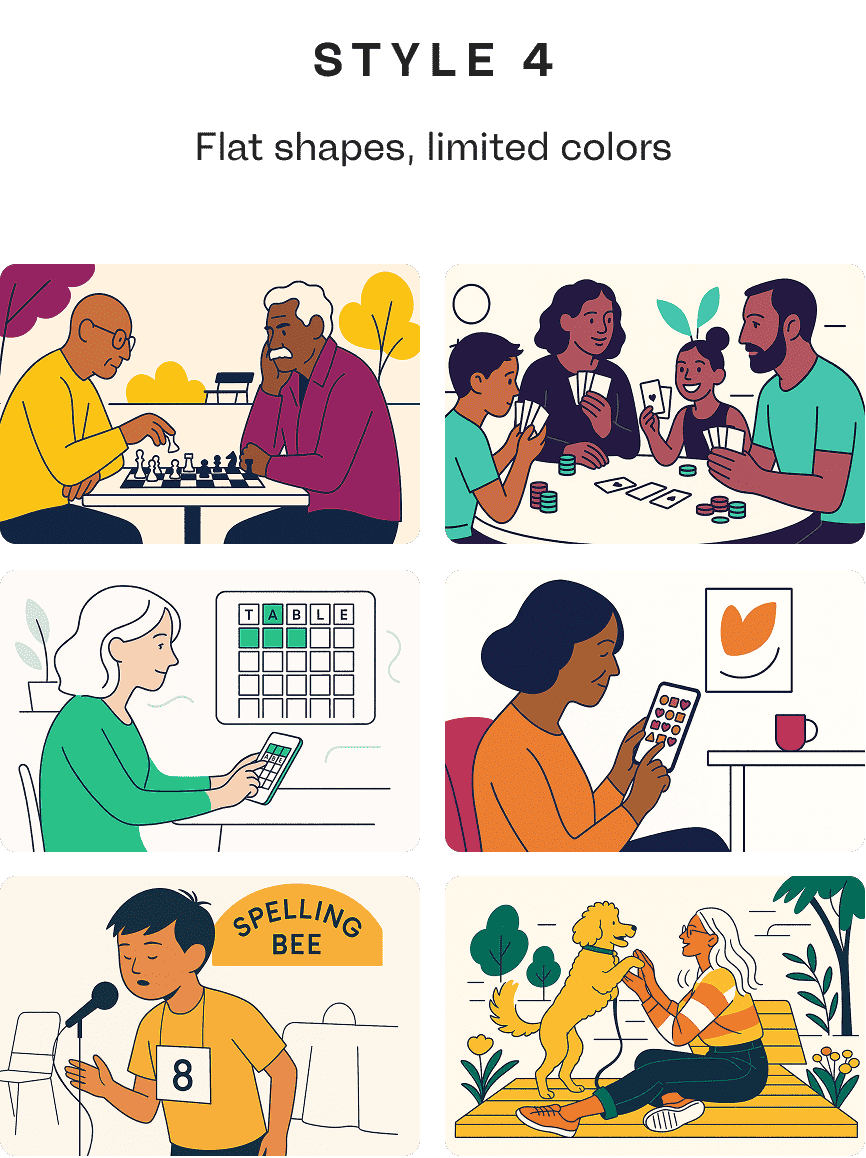
The team selected Style 2, which they liked because it was a little brighter, but not too generic or organic.
Version 1 Refinement
I used ChatGPT and Gemini to help me further refine the custom GPT instructions and work through the challenges that emerged as I tried to achieve more consistent results from the GPT.
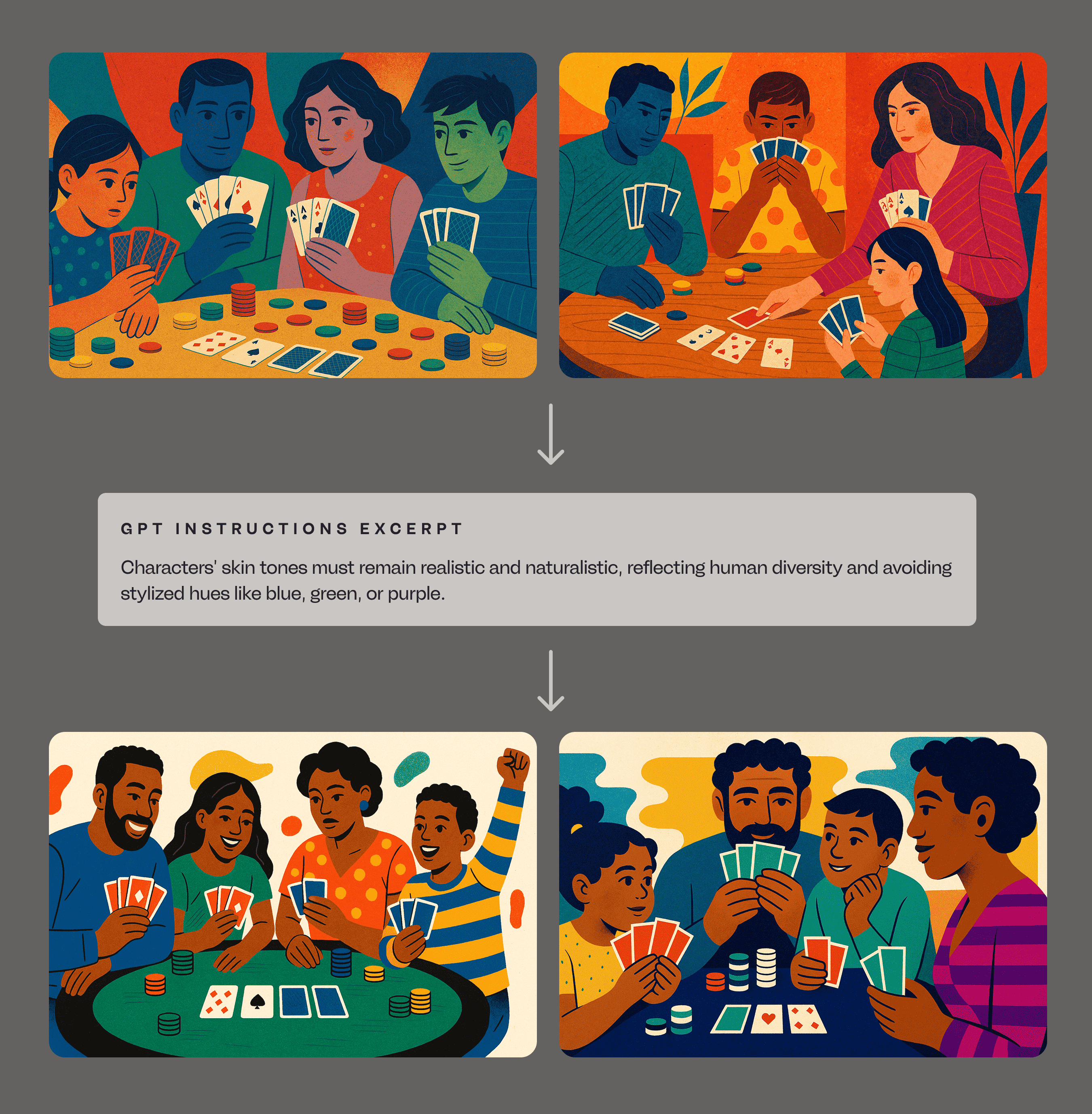
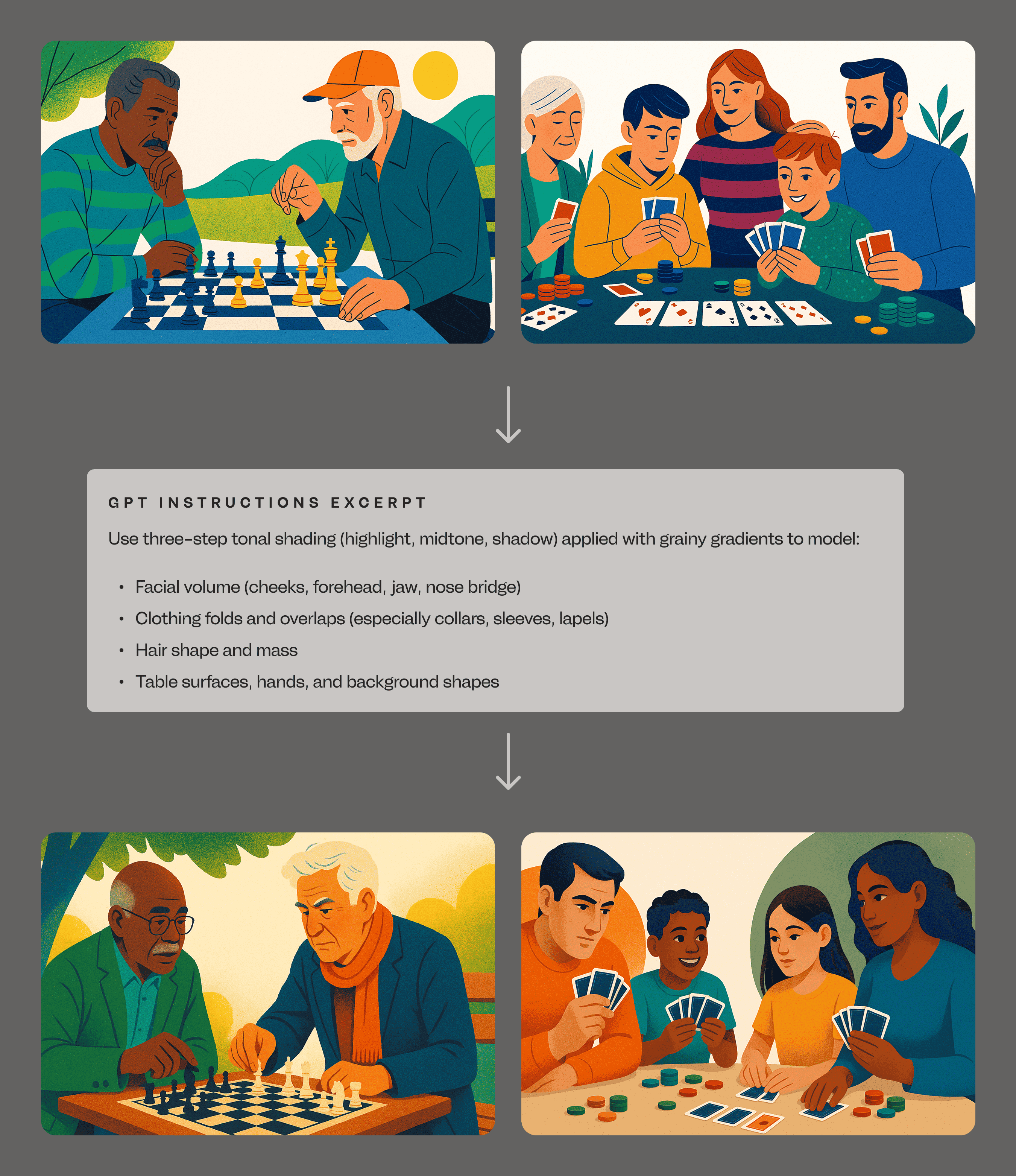
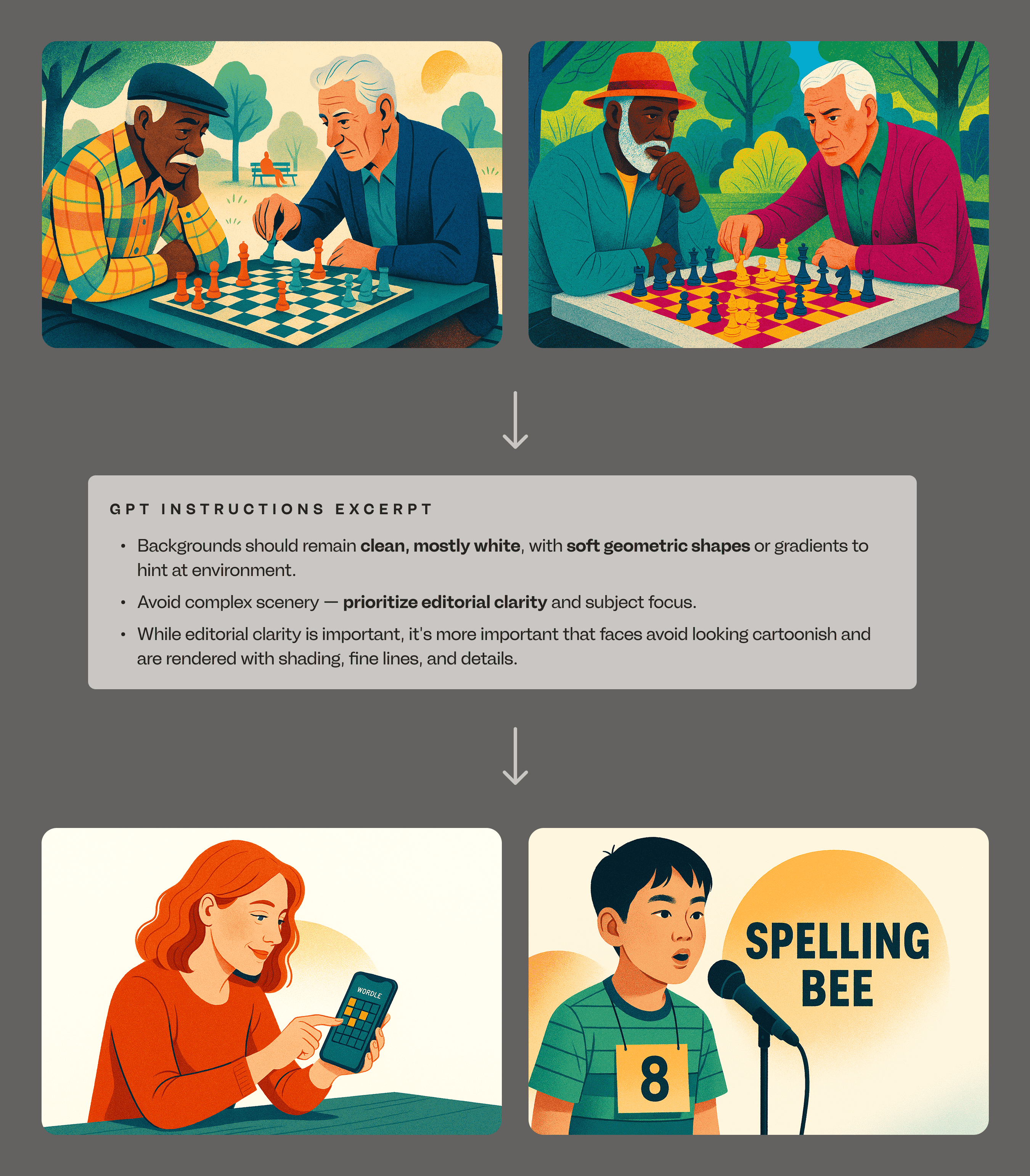
At a certain point, we had to accept that there were just some limitations with how far we could push the AI in getting the results we wanted with that version of ChatGPT. But our initial exploration allowed us to get signal around how valuable illustration could be as a brand component.
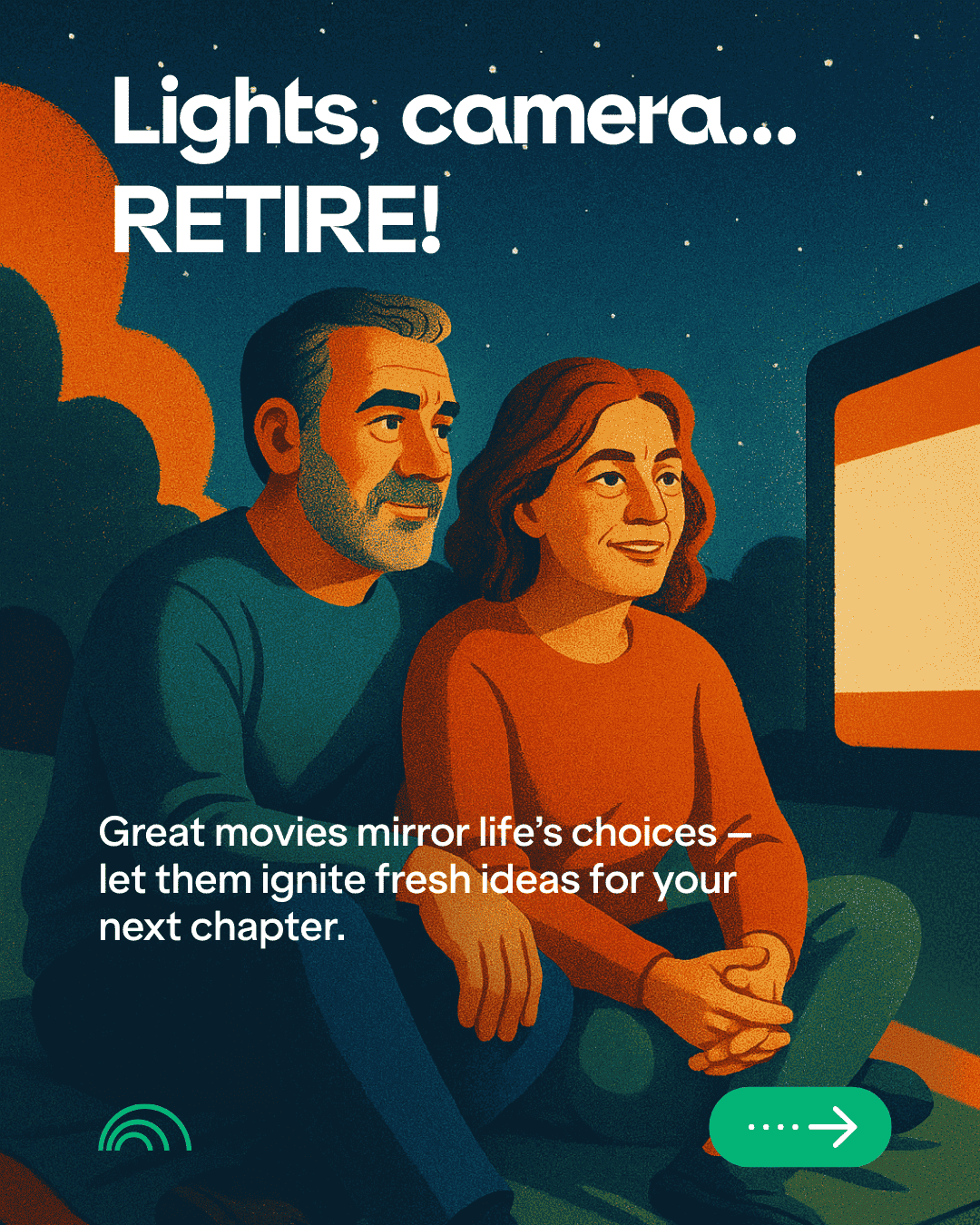
Early illustration tests on Social Media
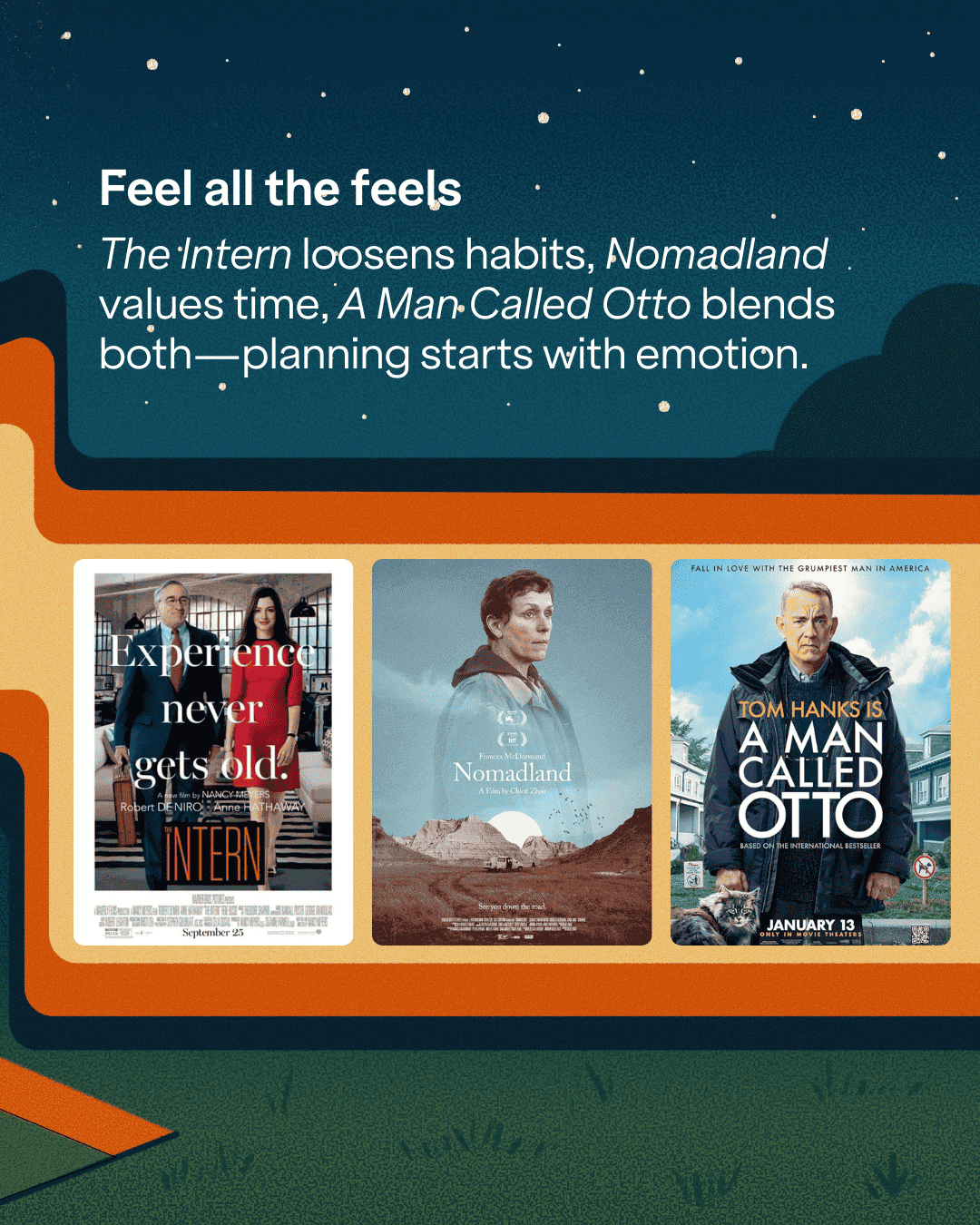
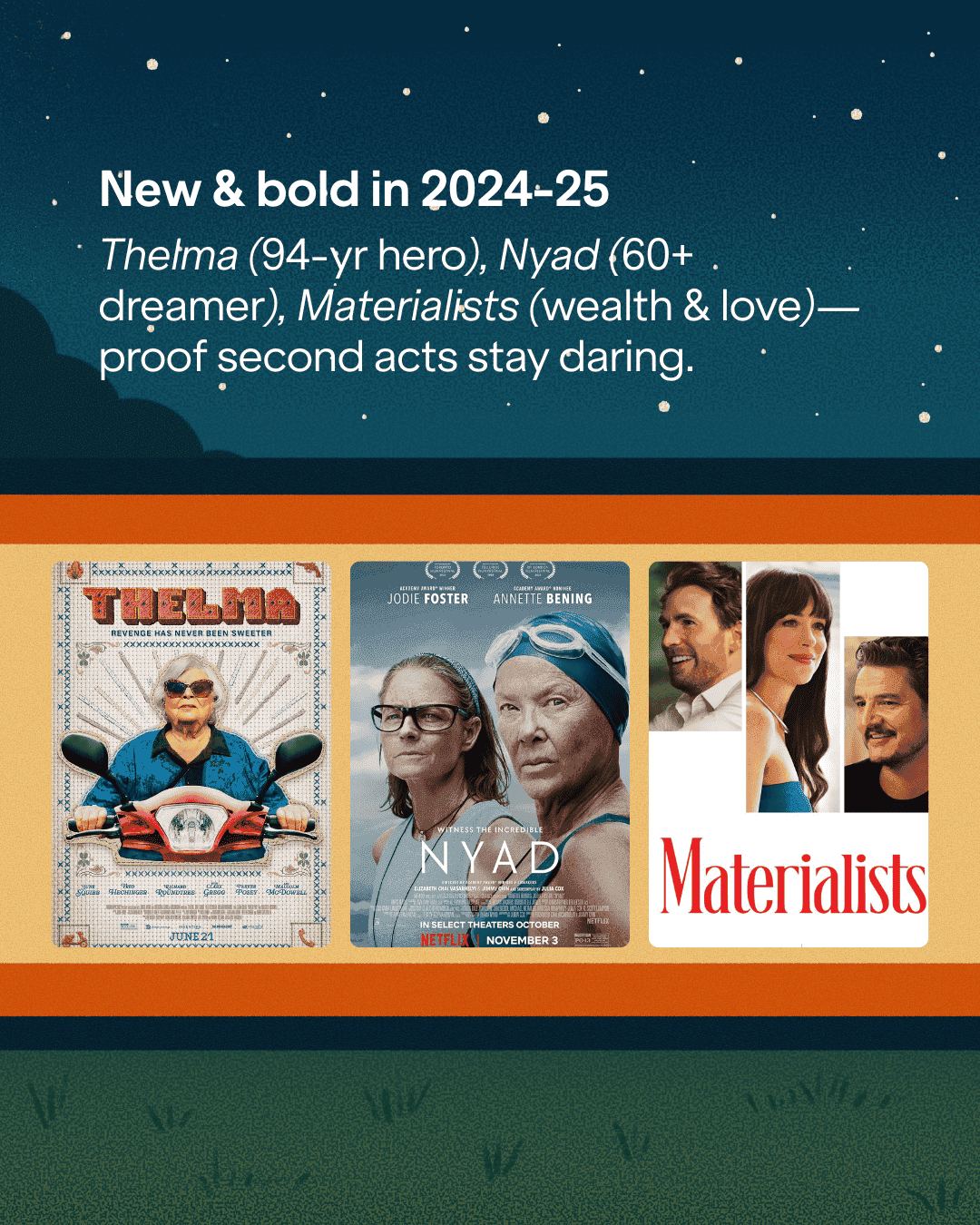
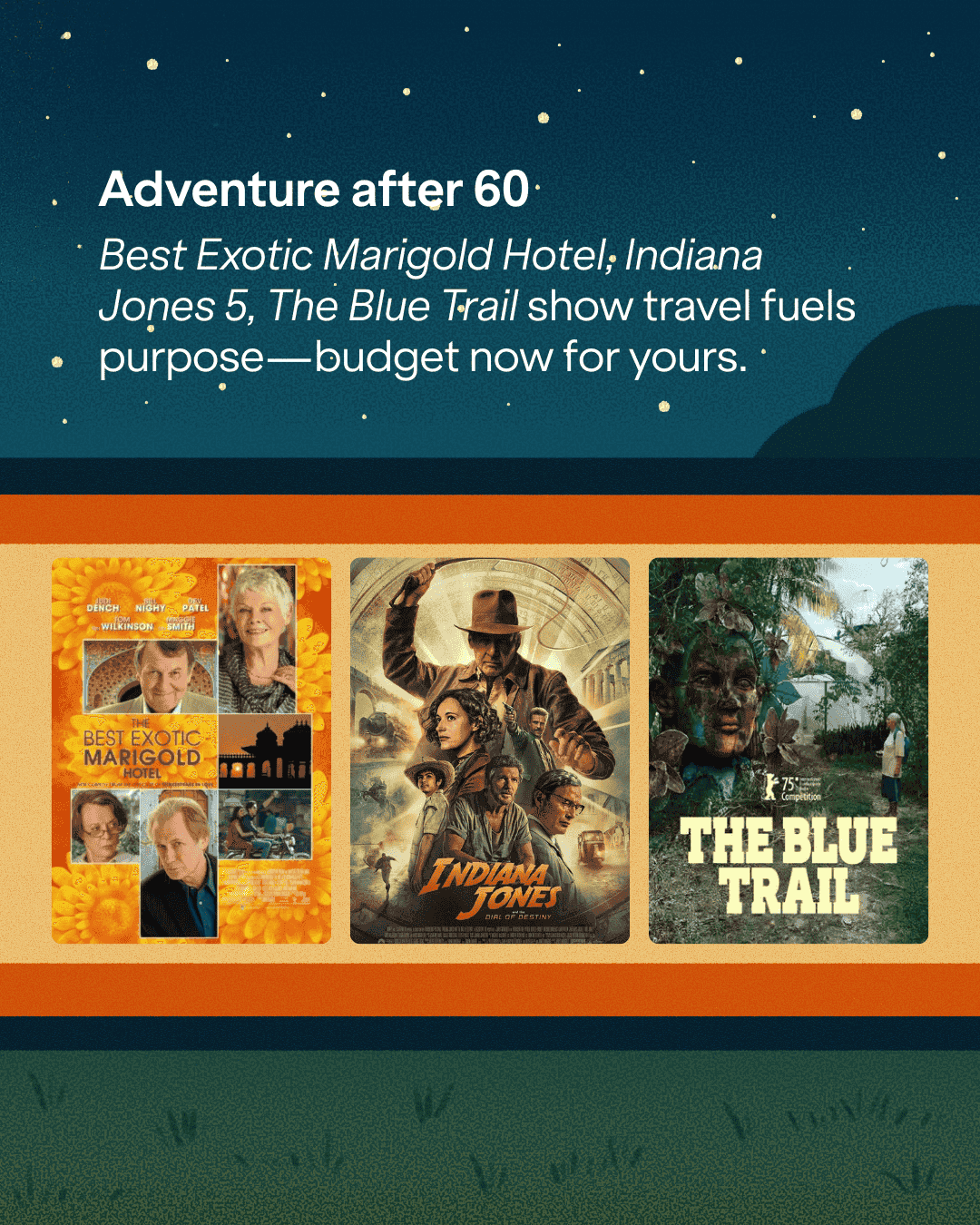
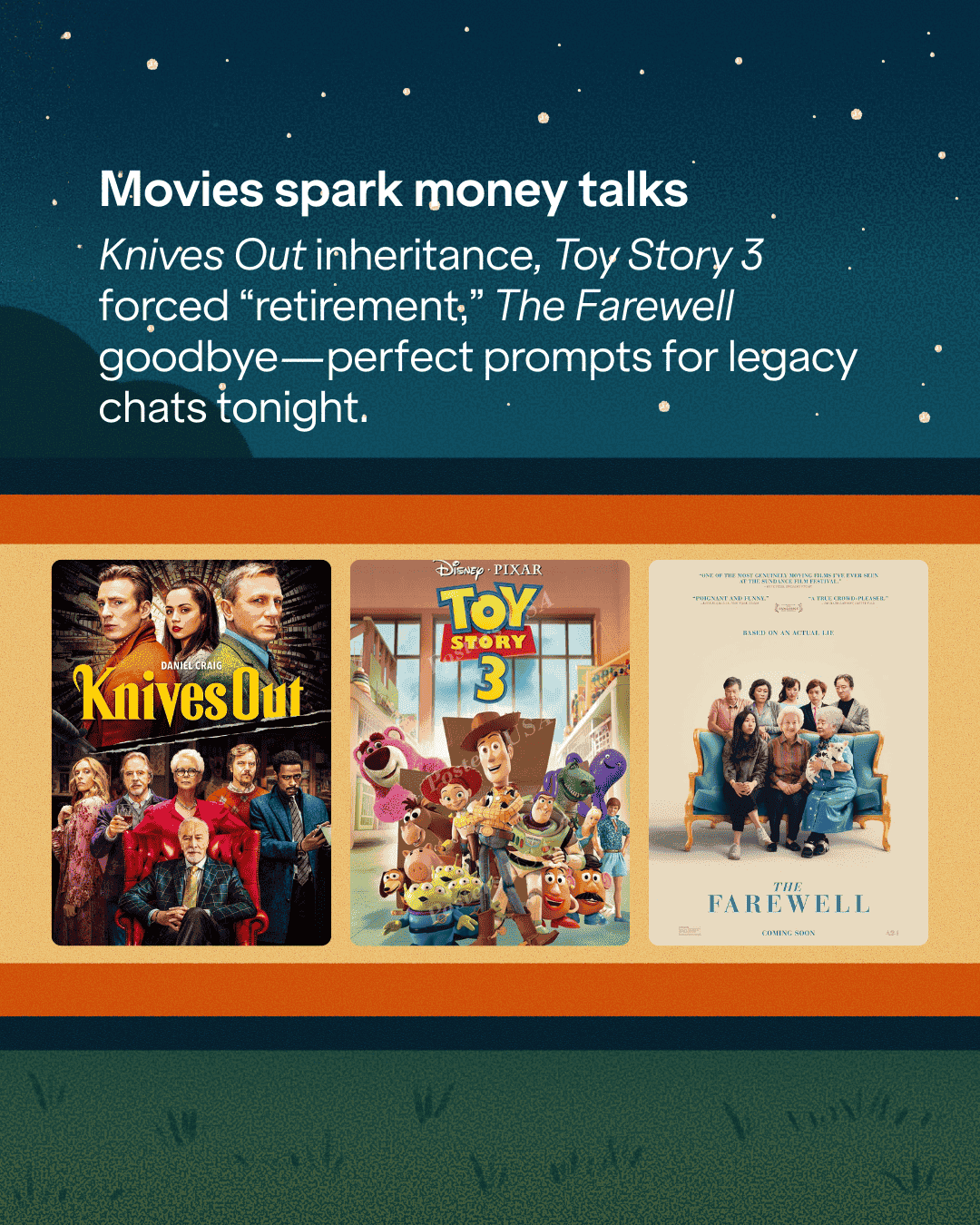
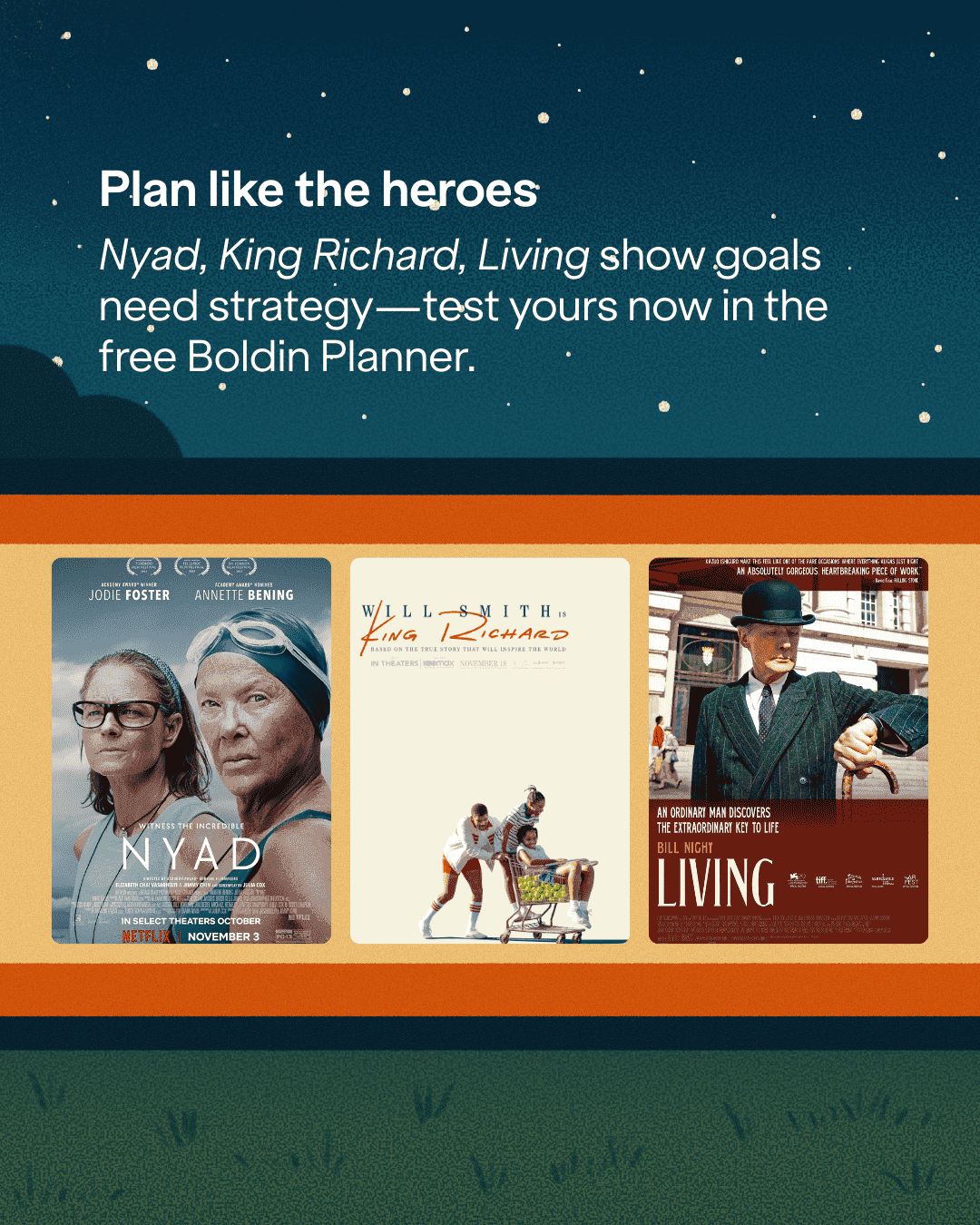
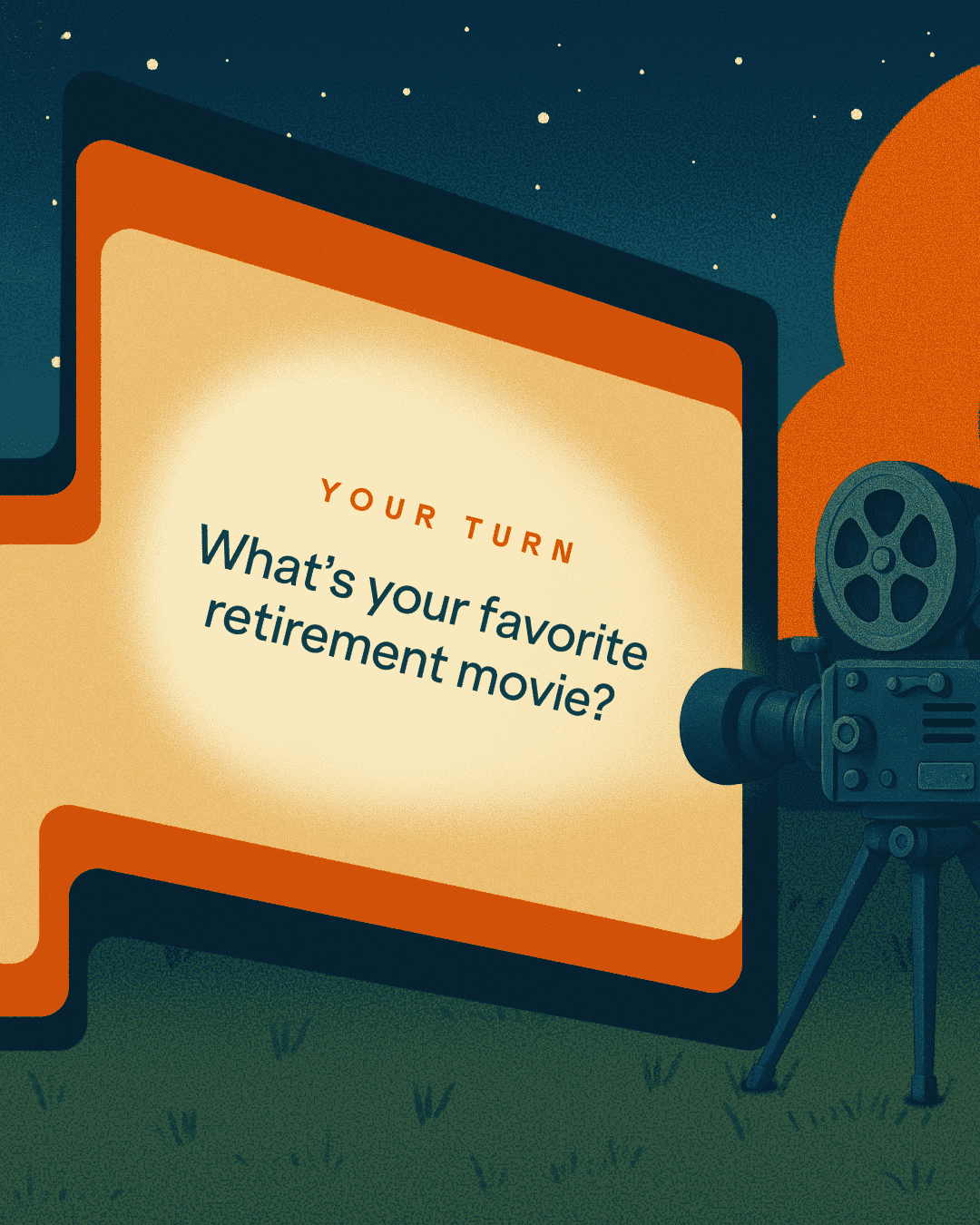
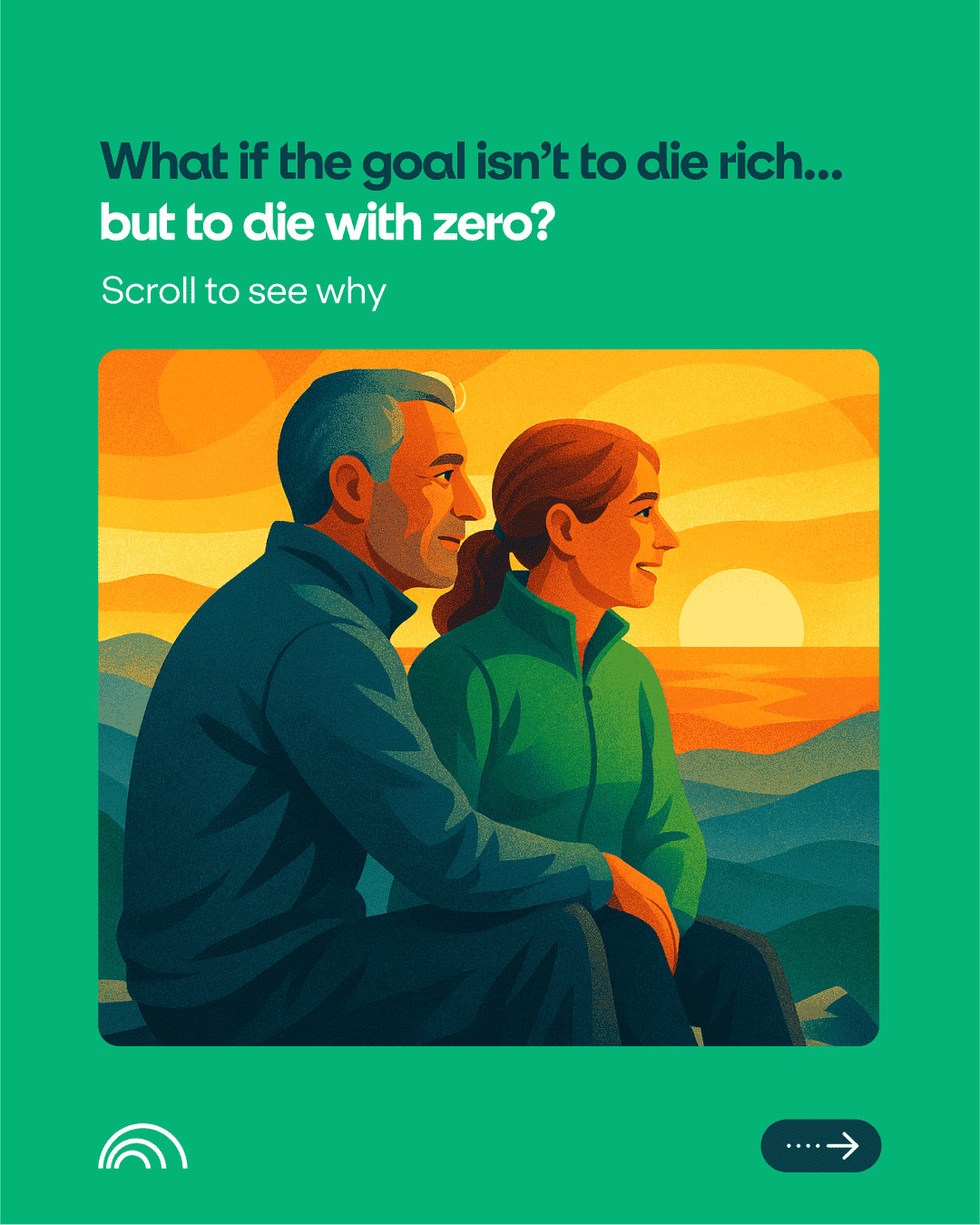
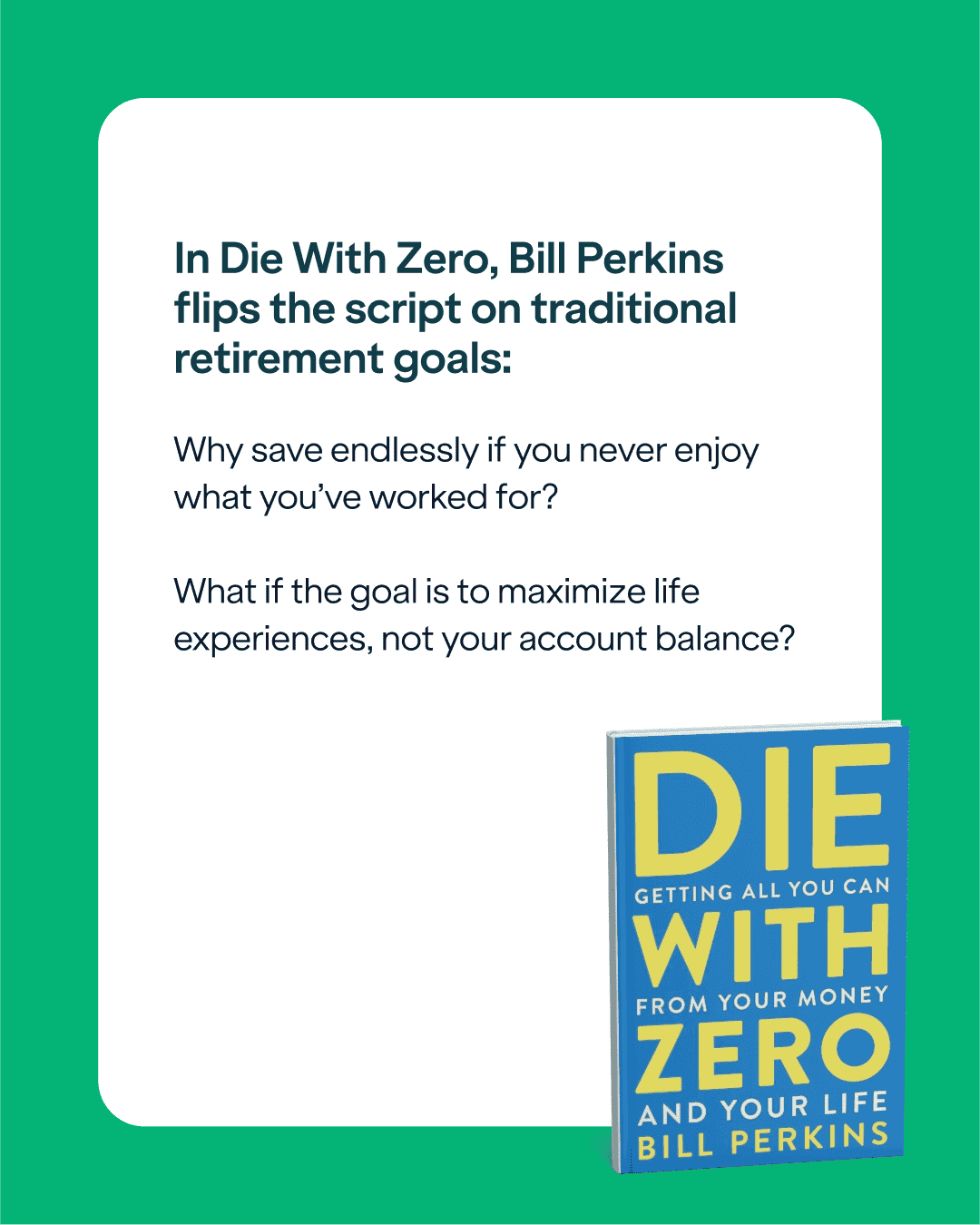
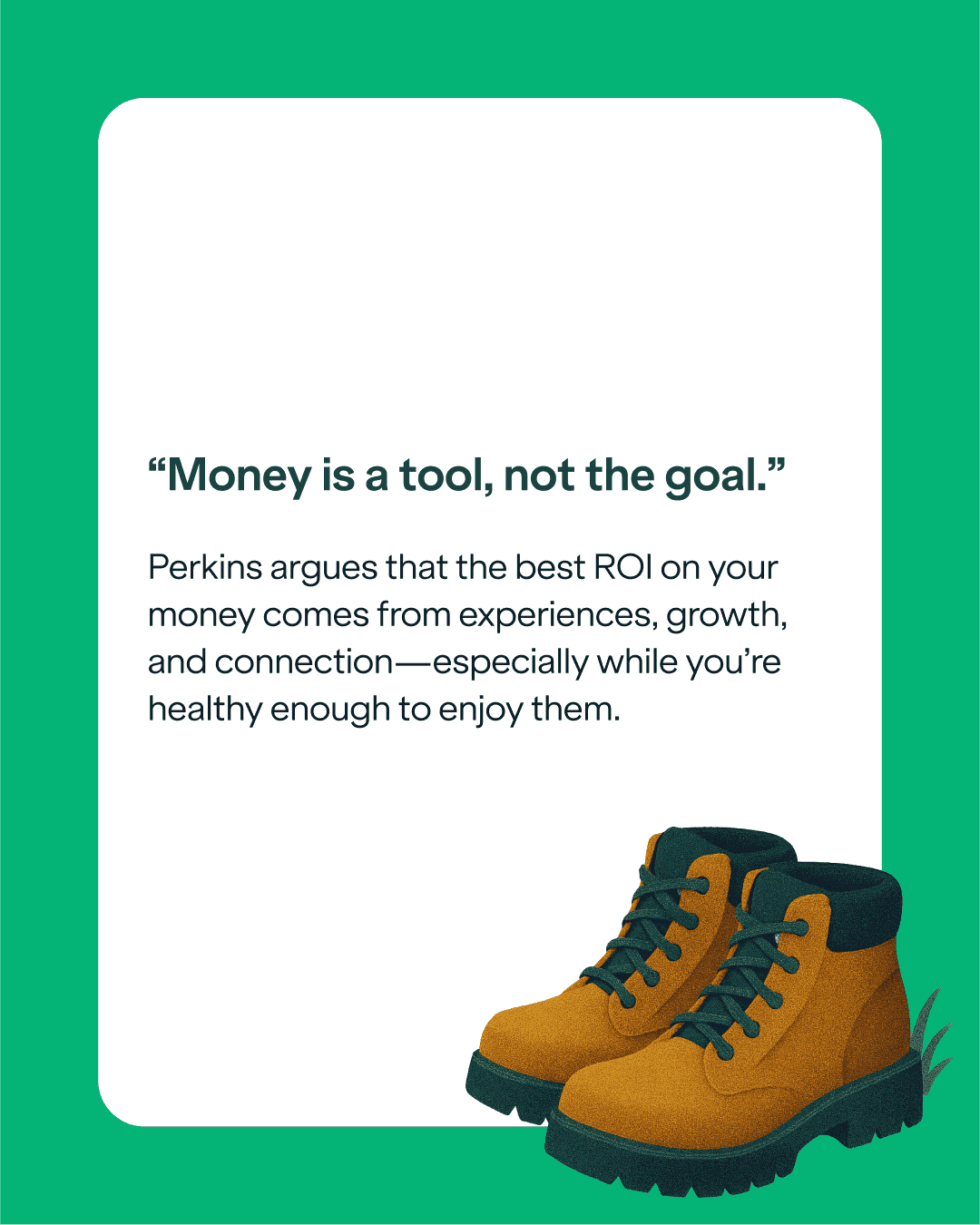
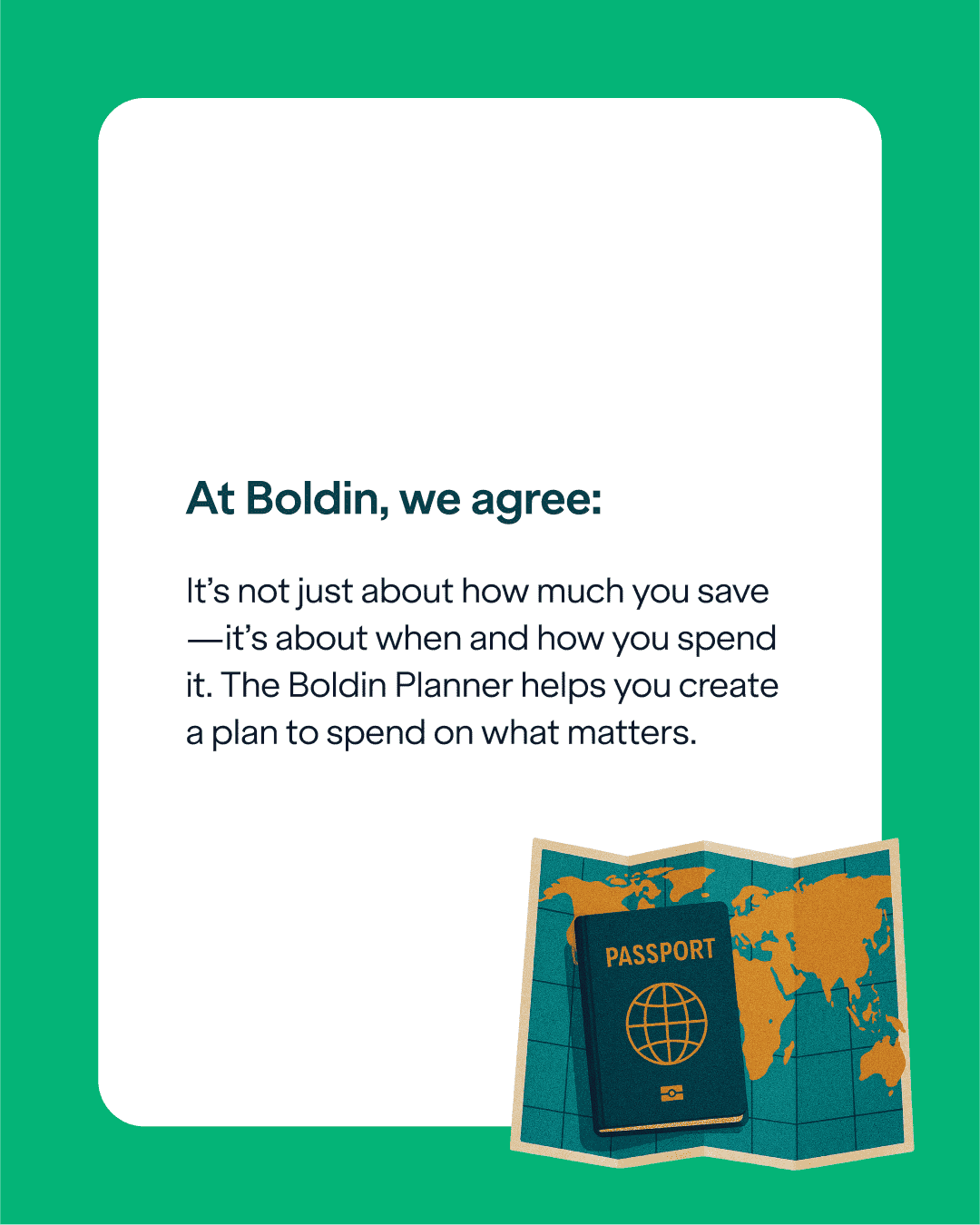
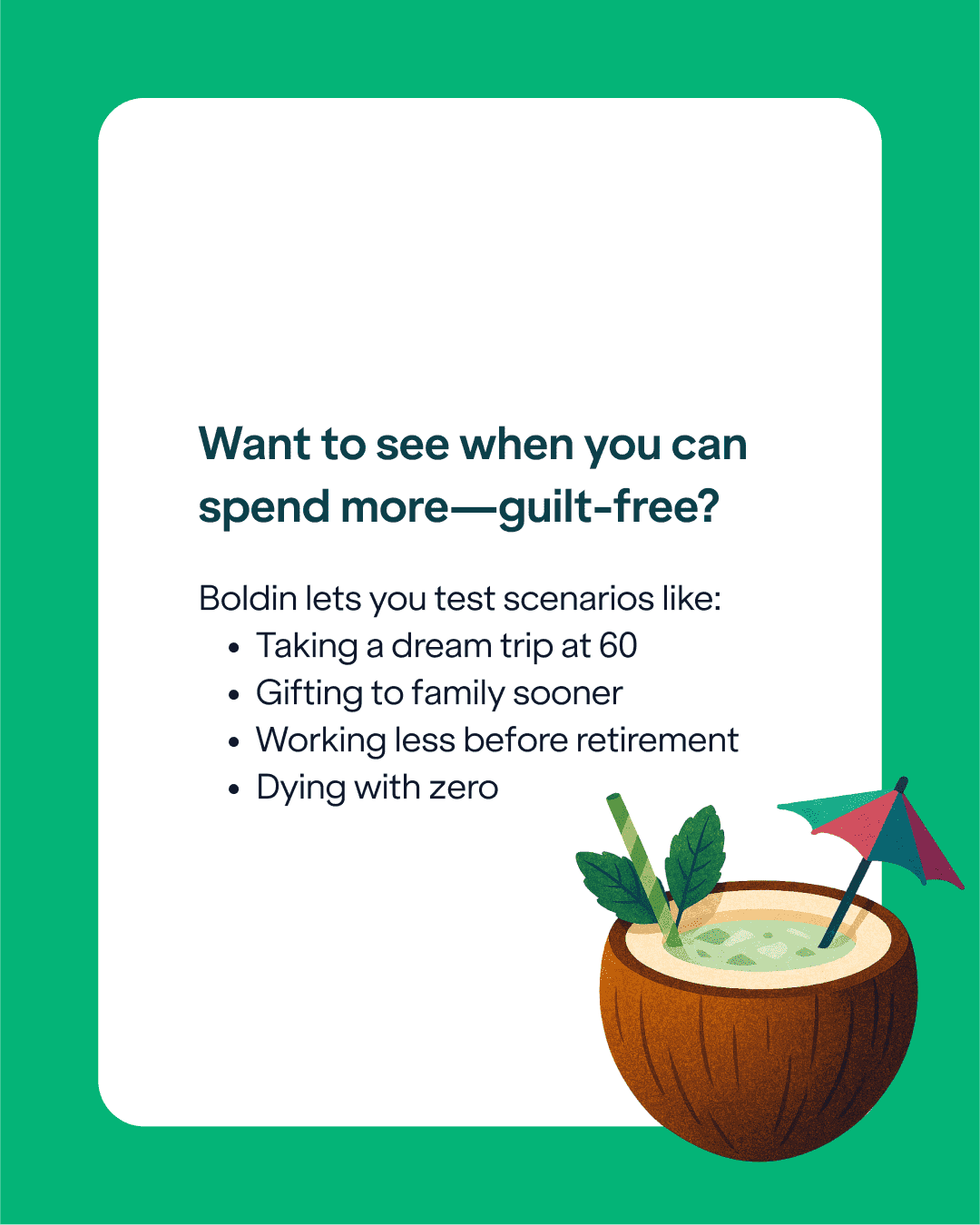
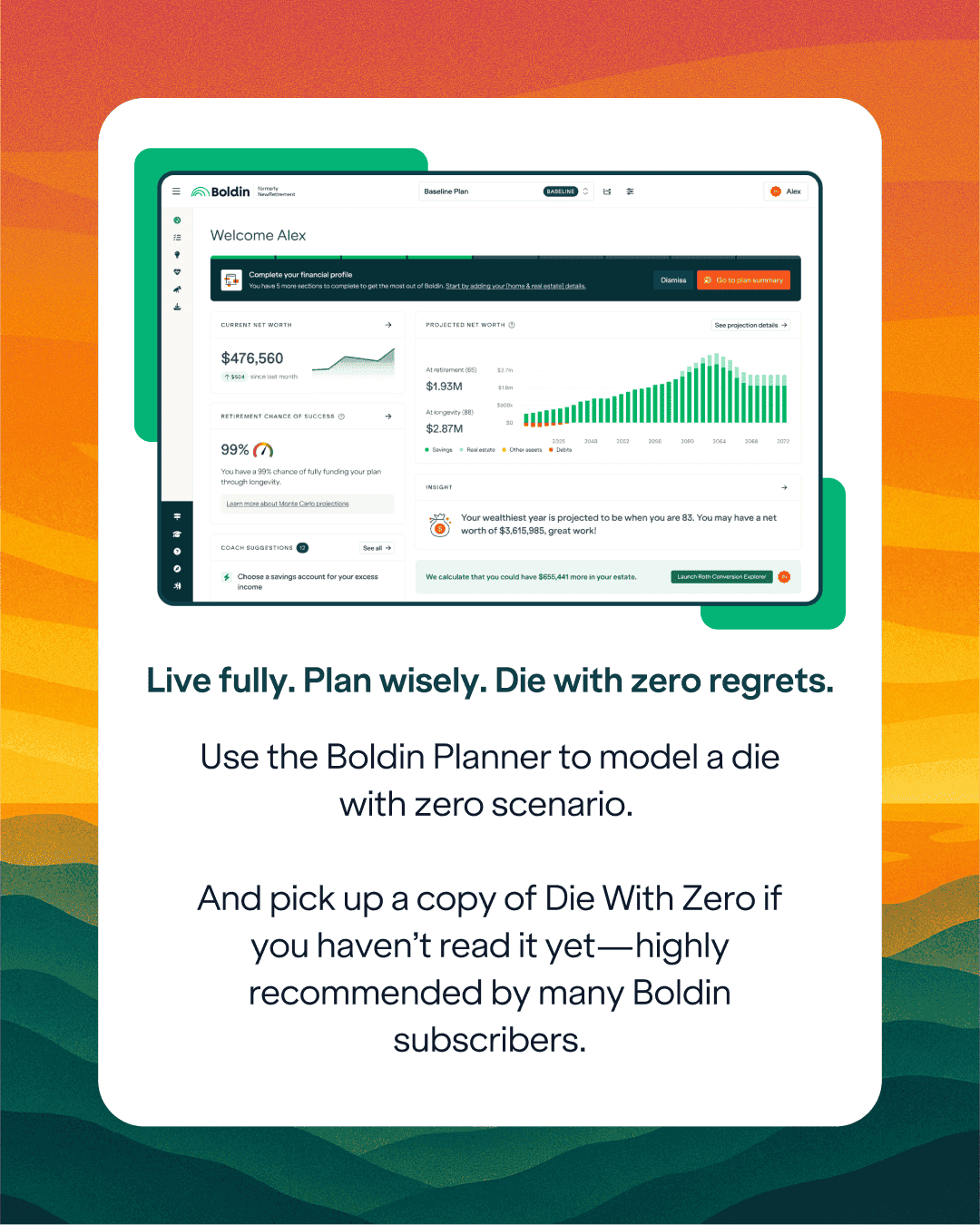
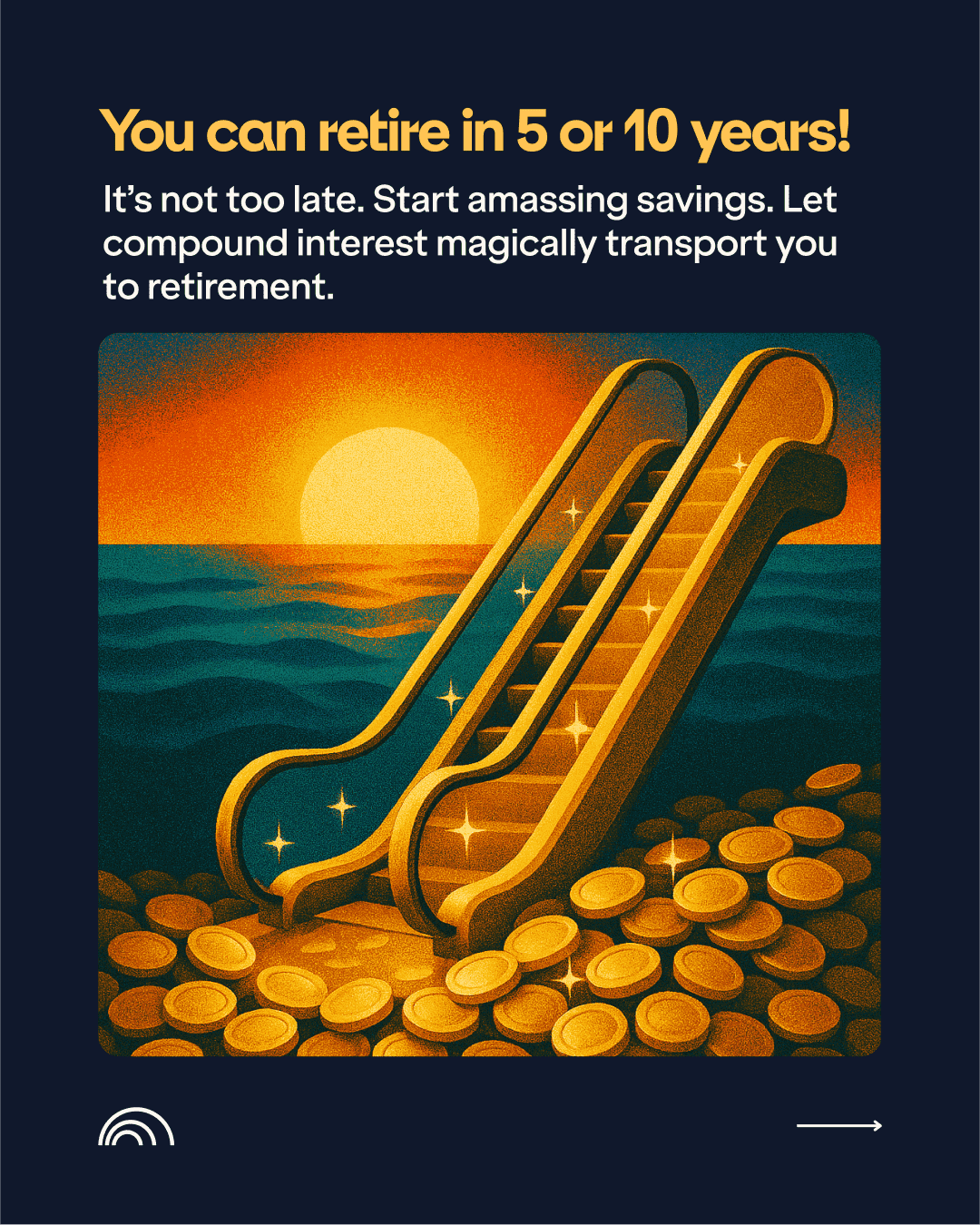
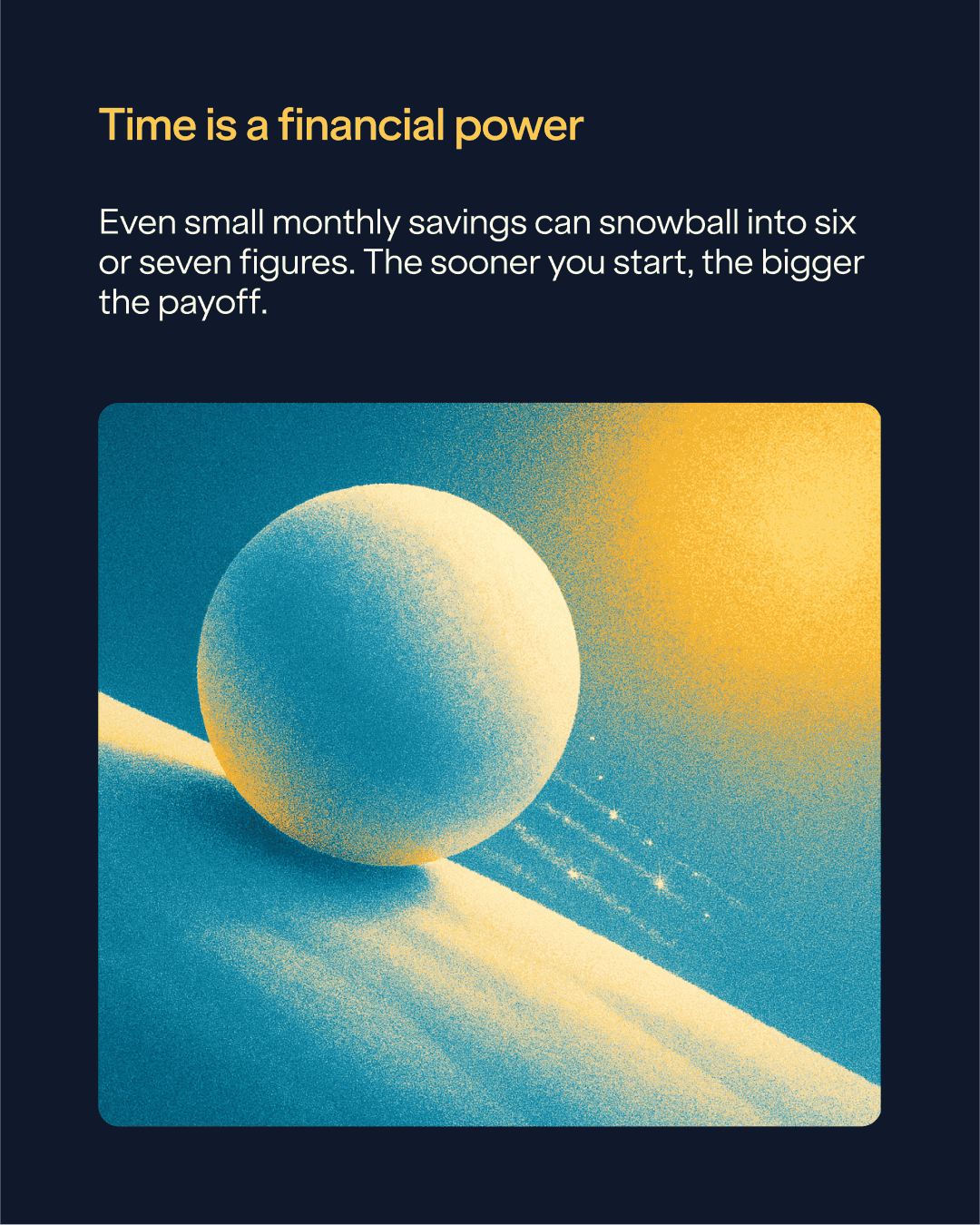
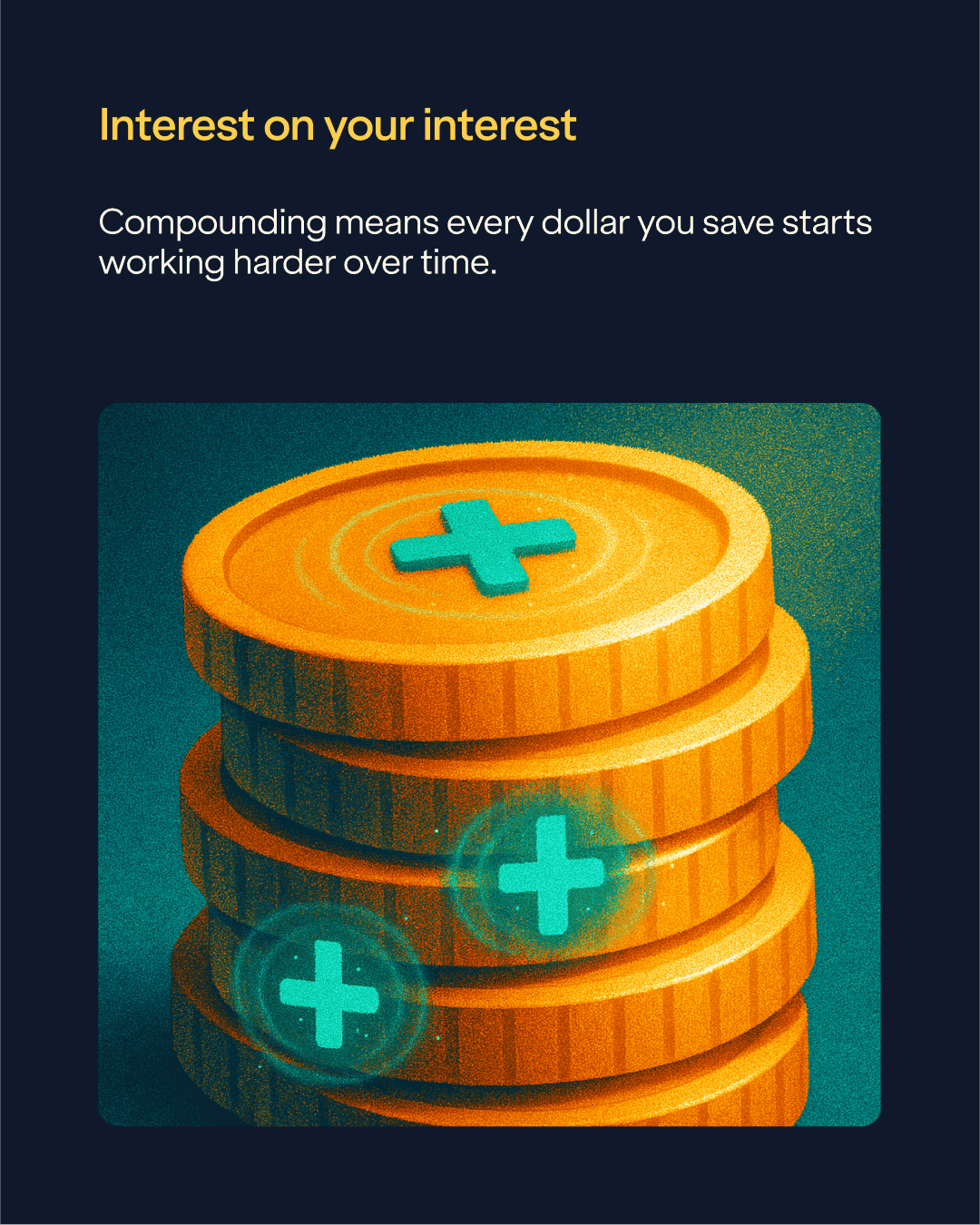
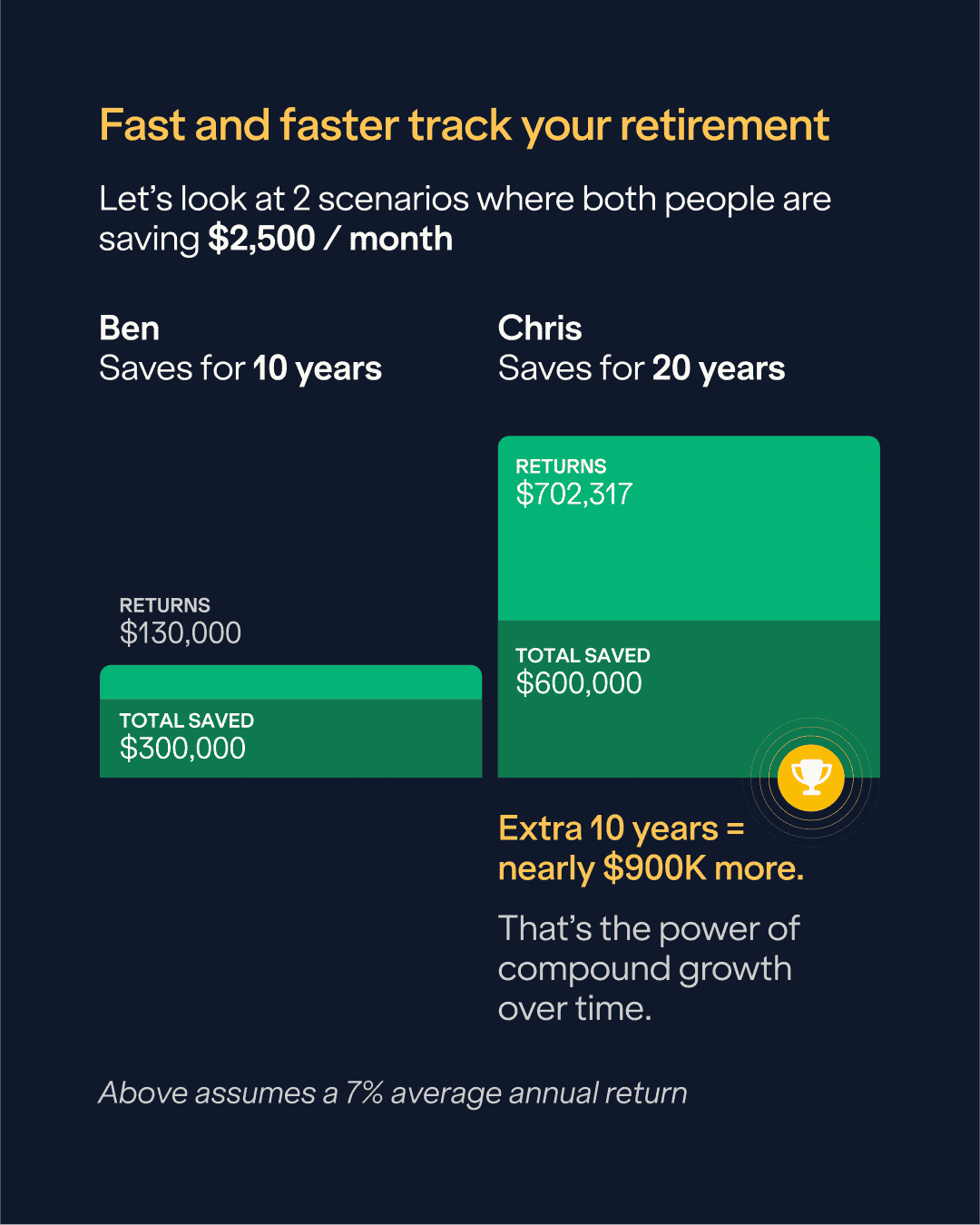
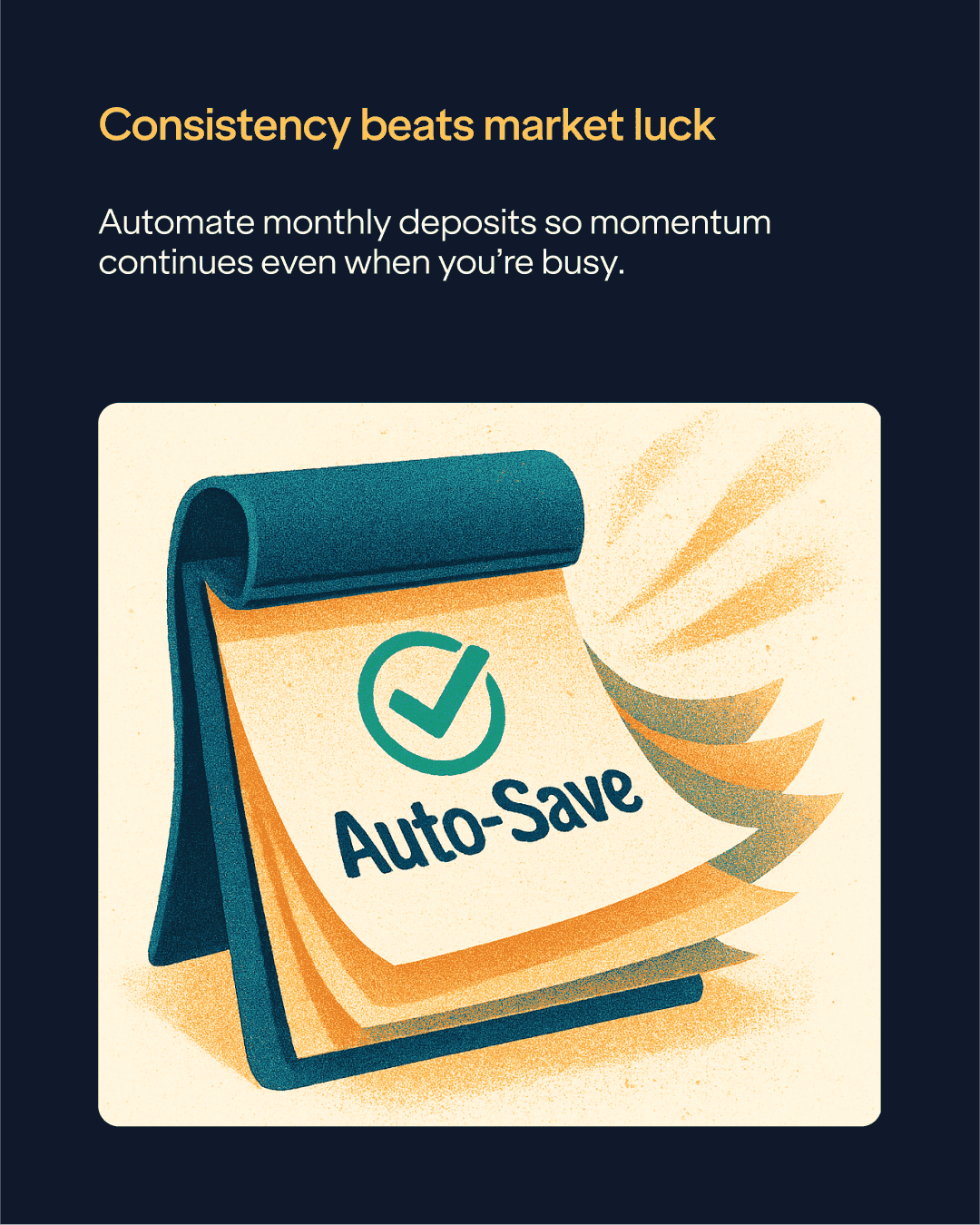
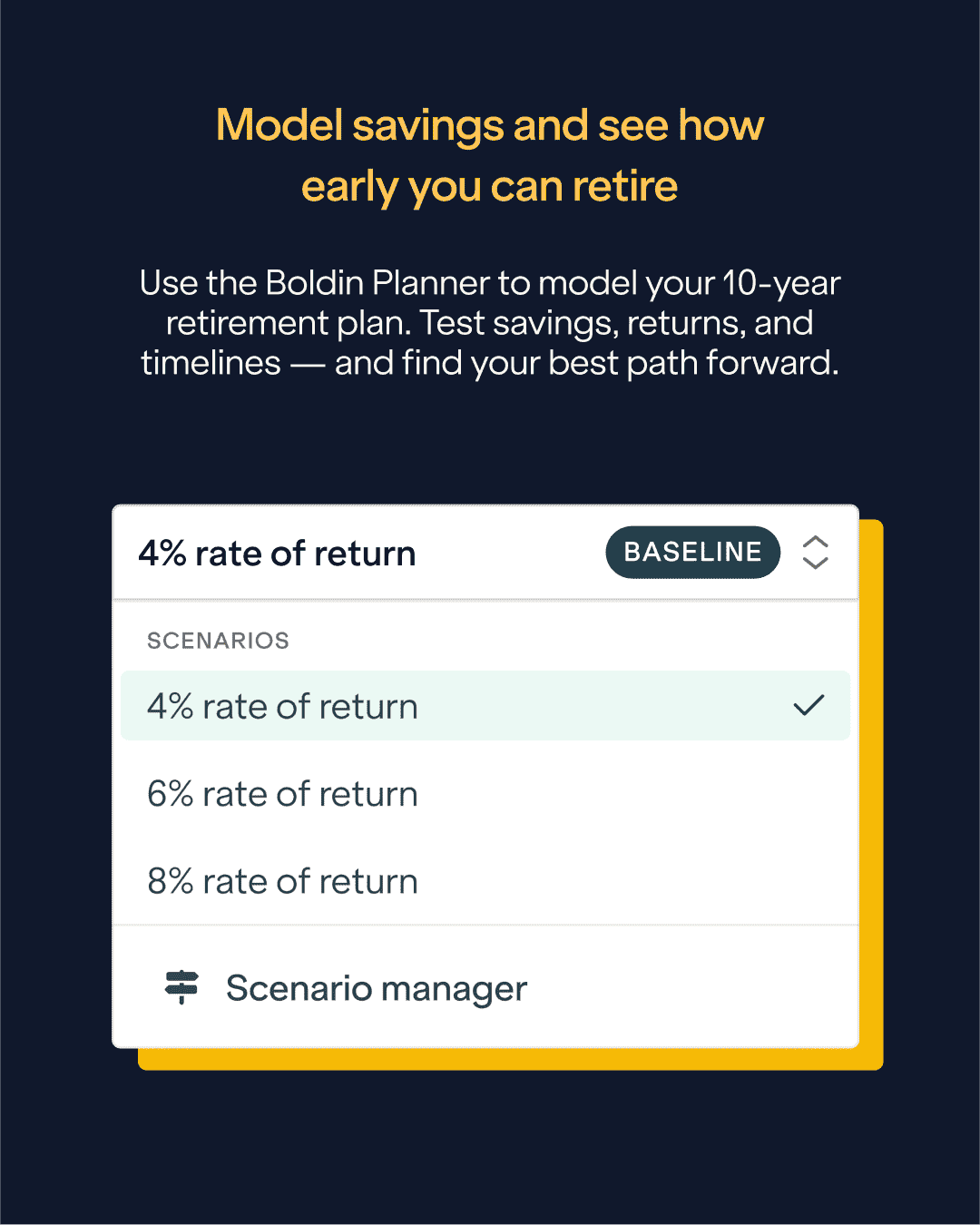
Even though we hadn't yet perfected our style, we noticed that illustrated posts tended to get higher engagement on social media.
Storytelling for pitch decks
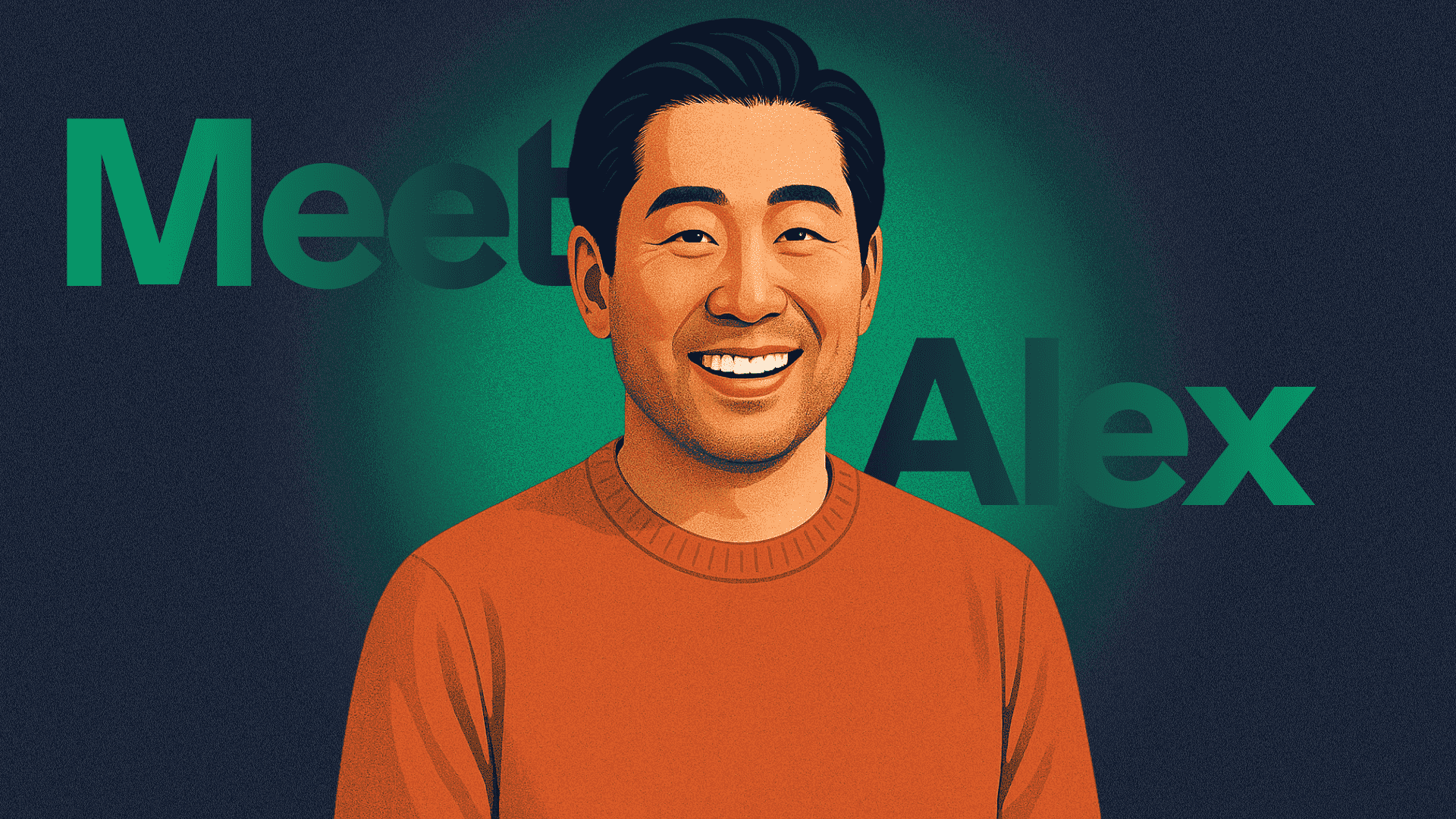
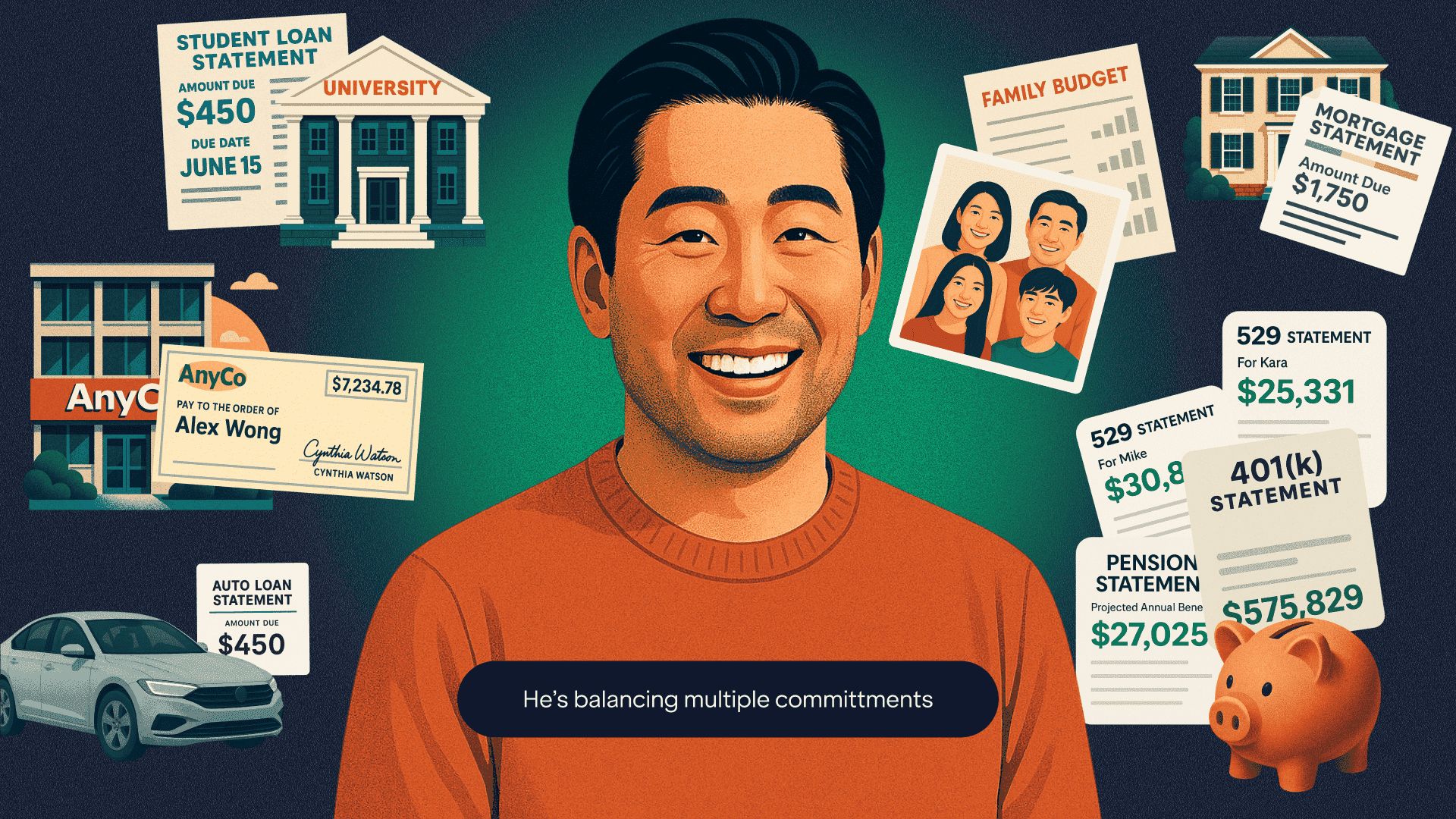
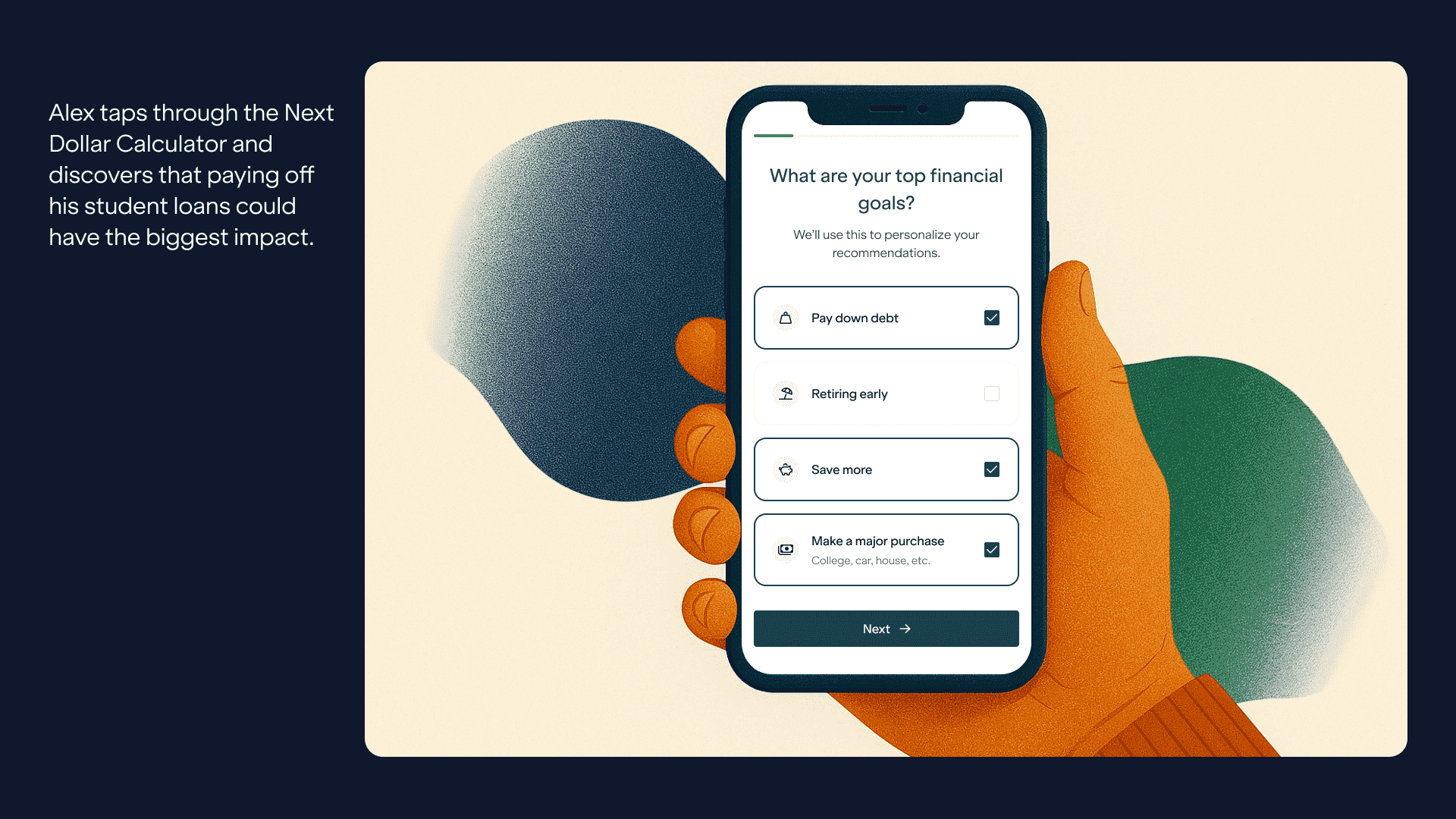
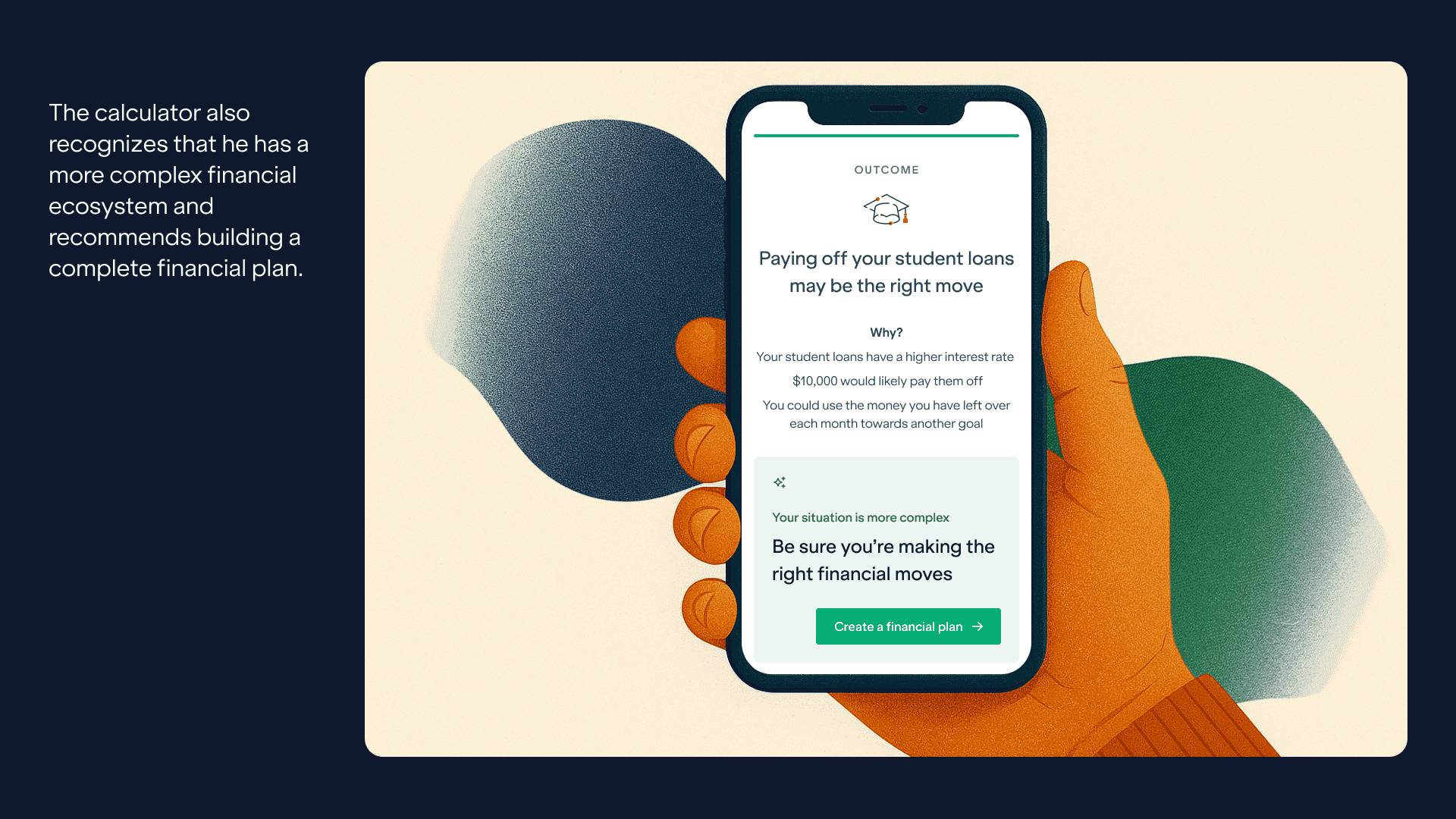
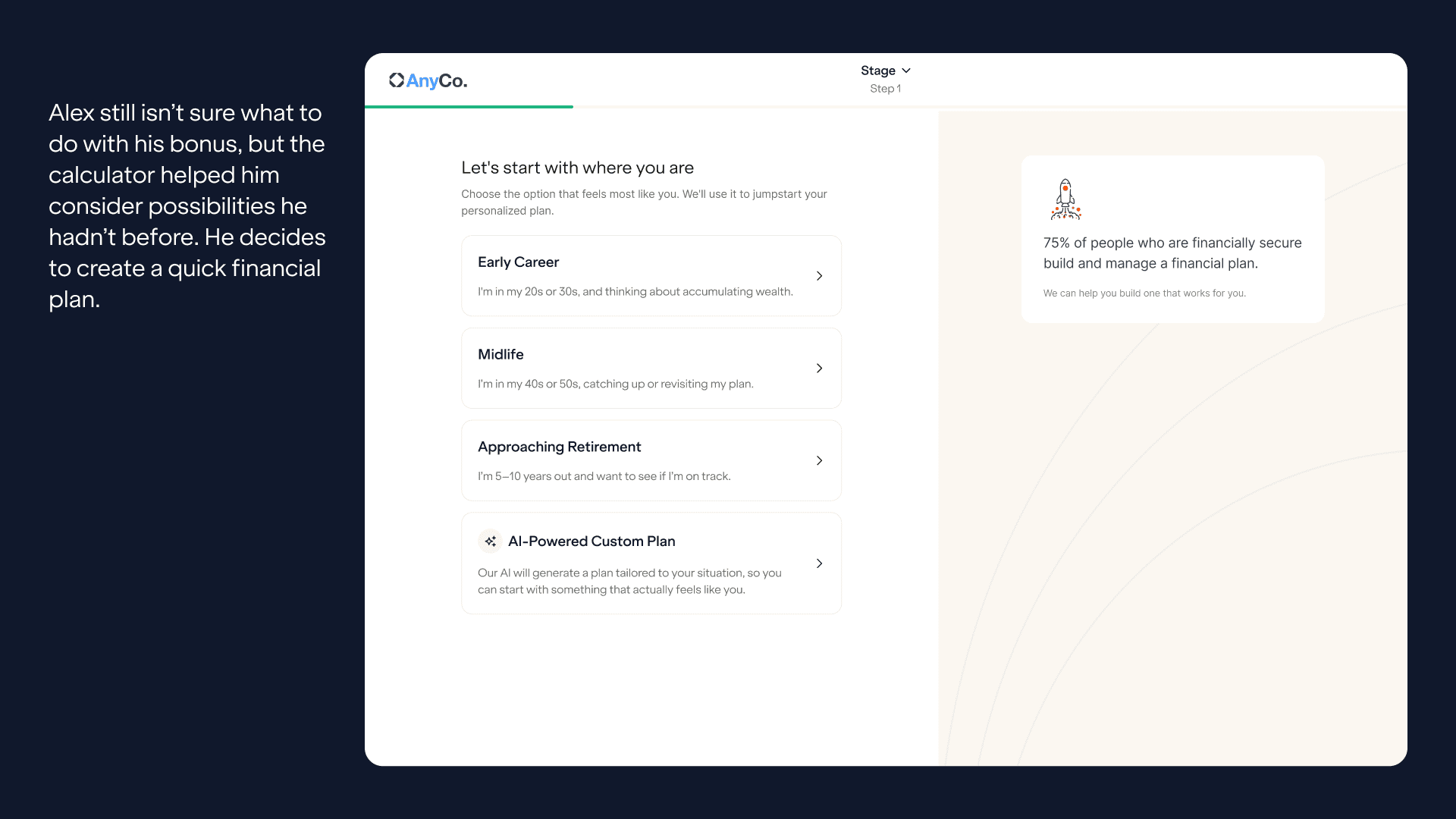
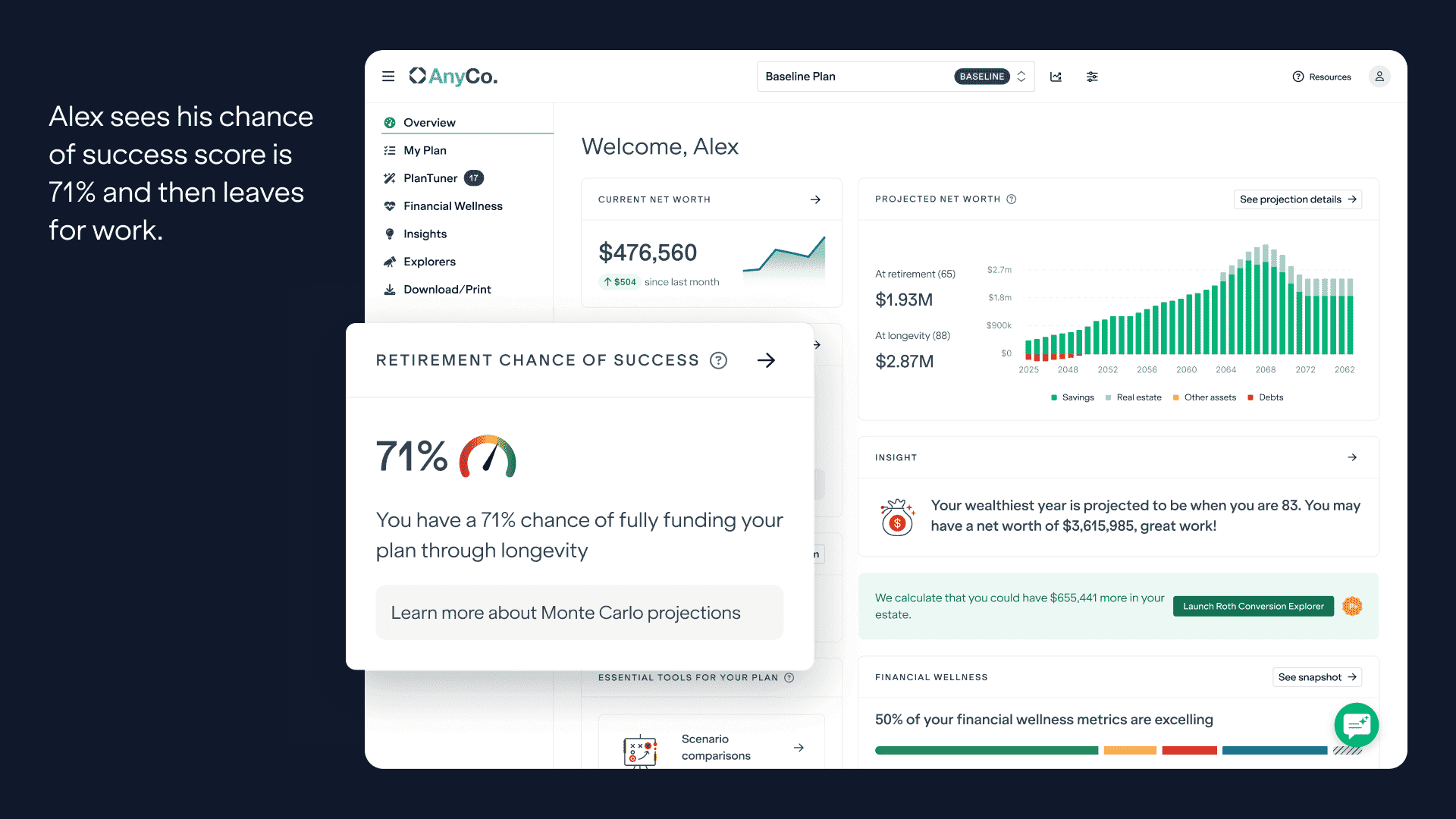
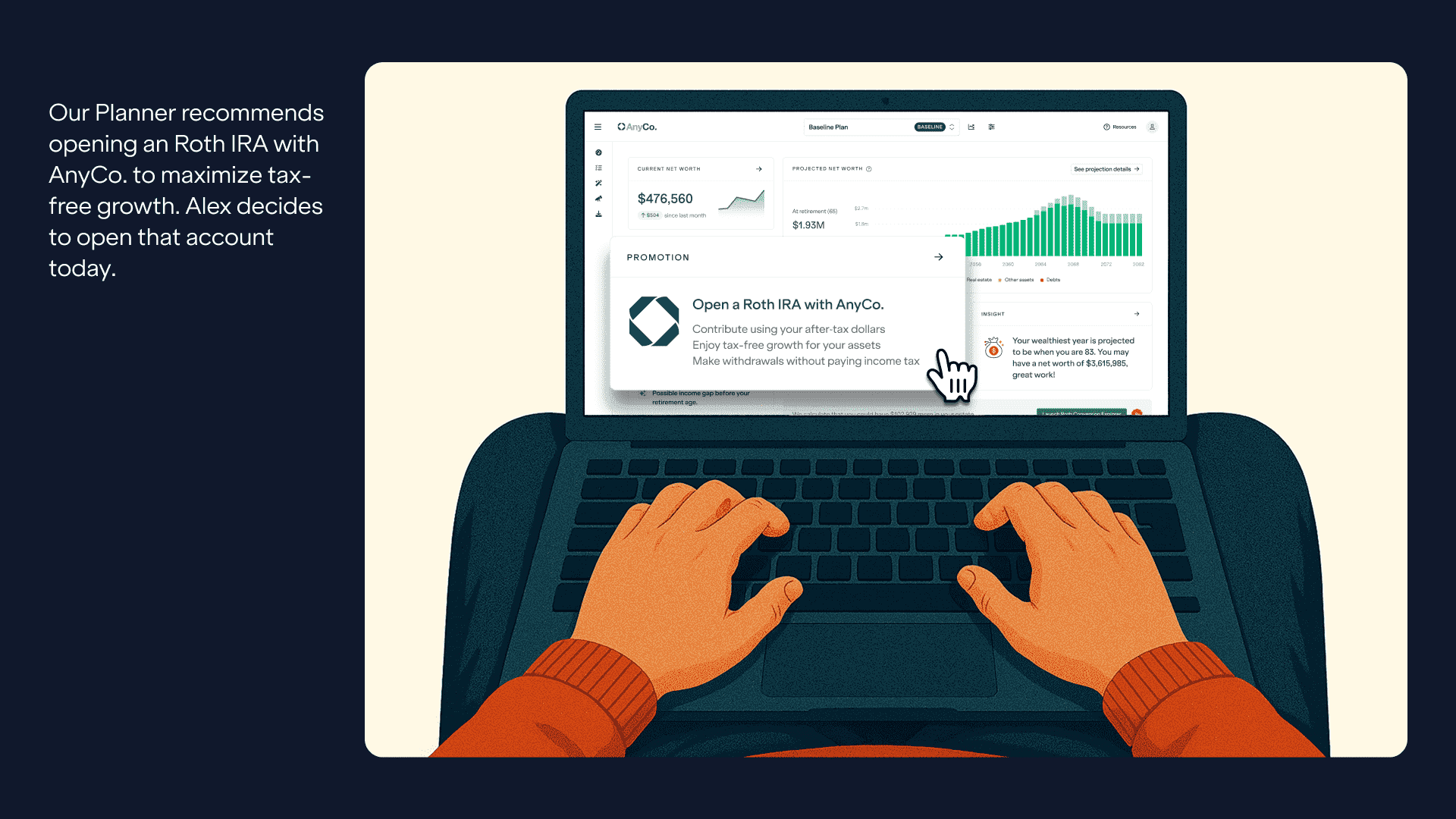
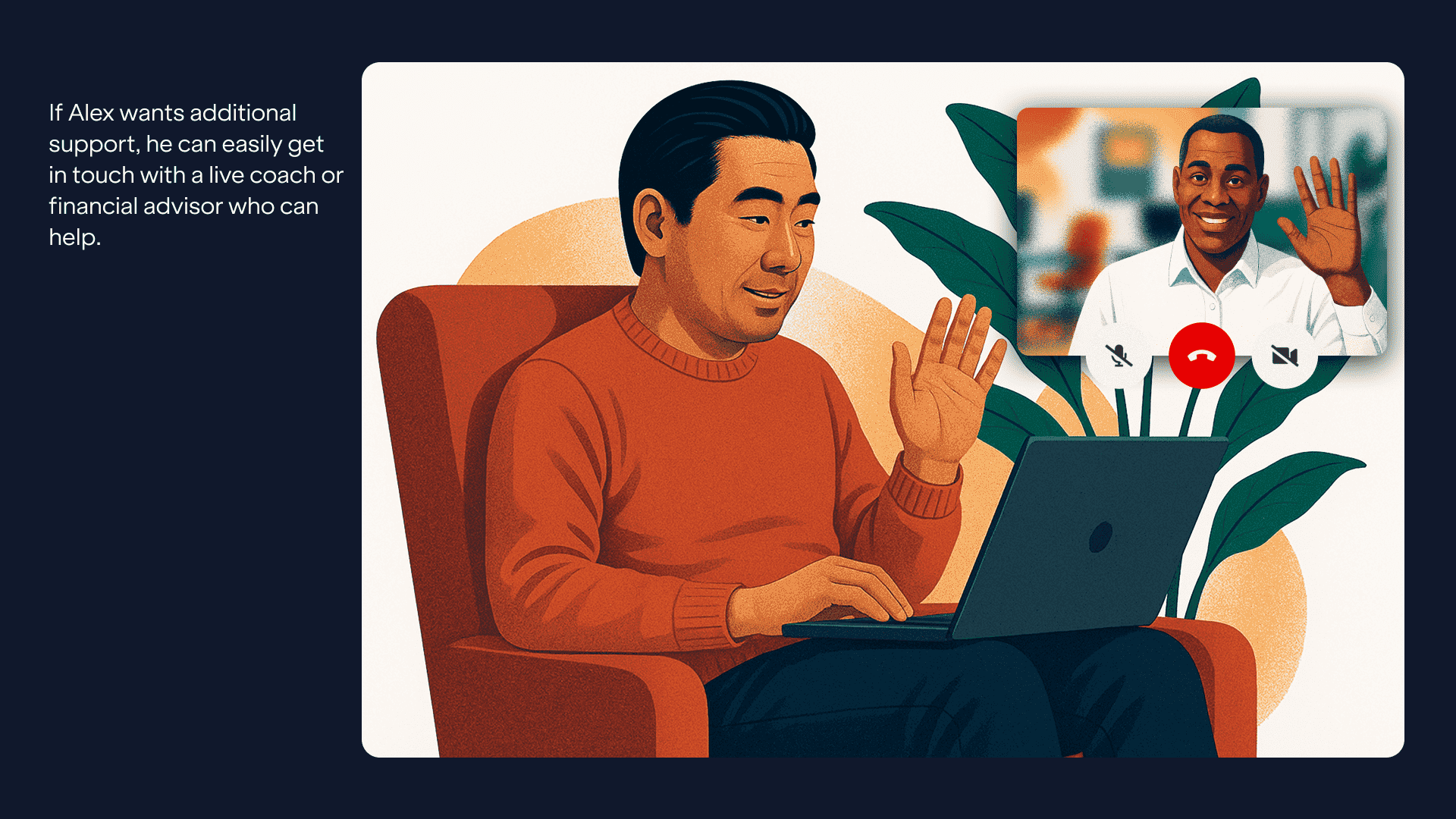
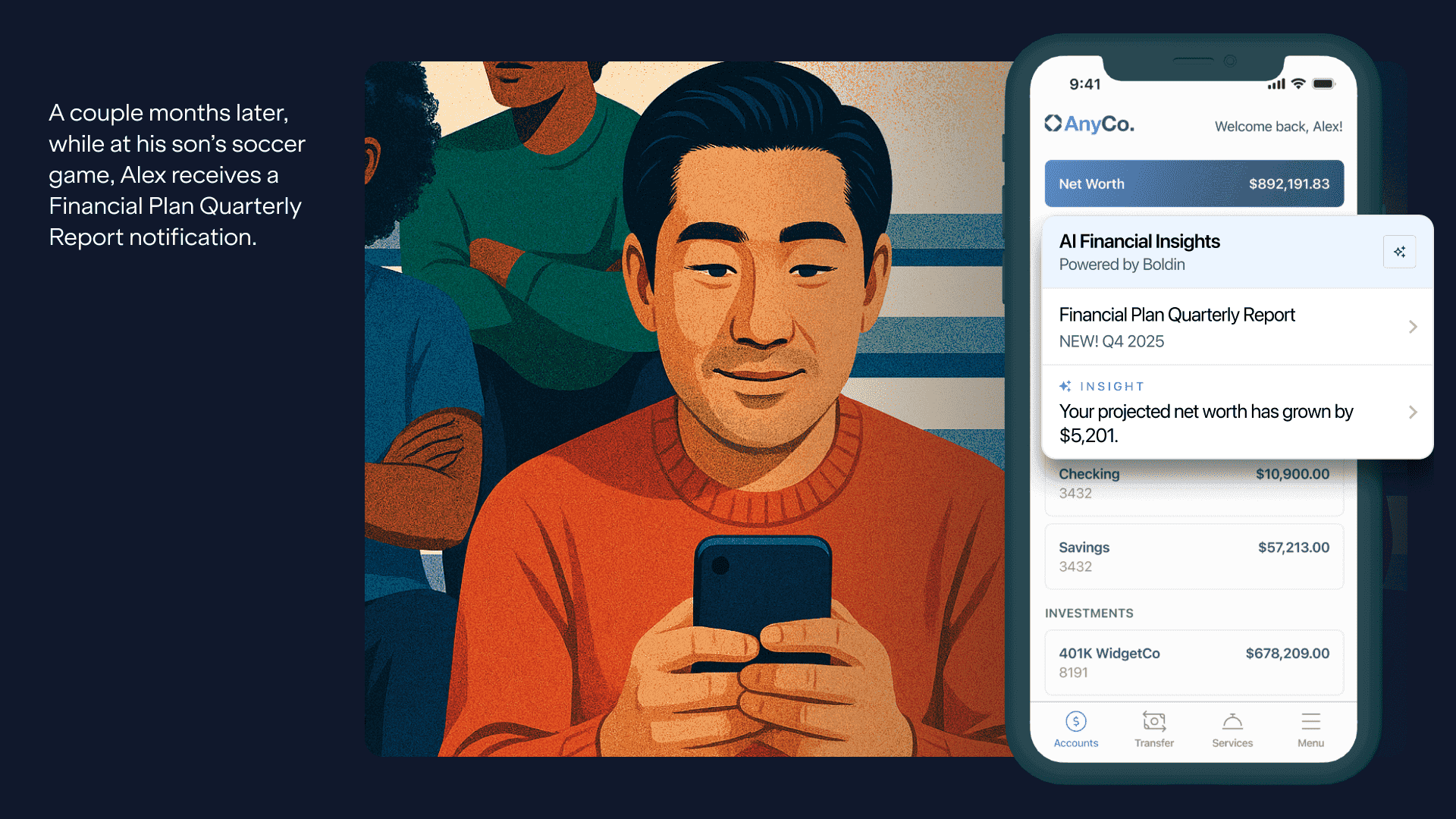
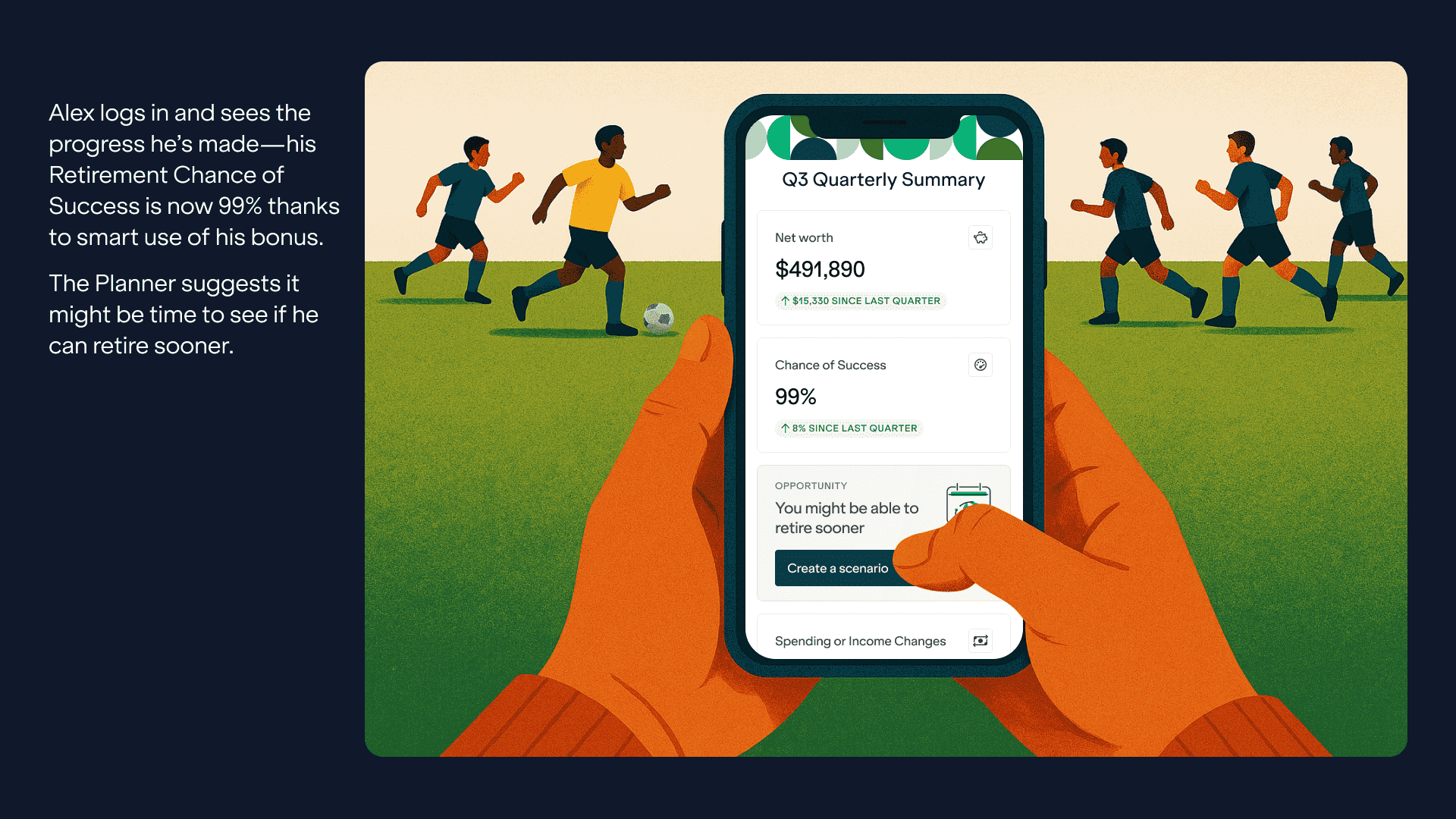
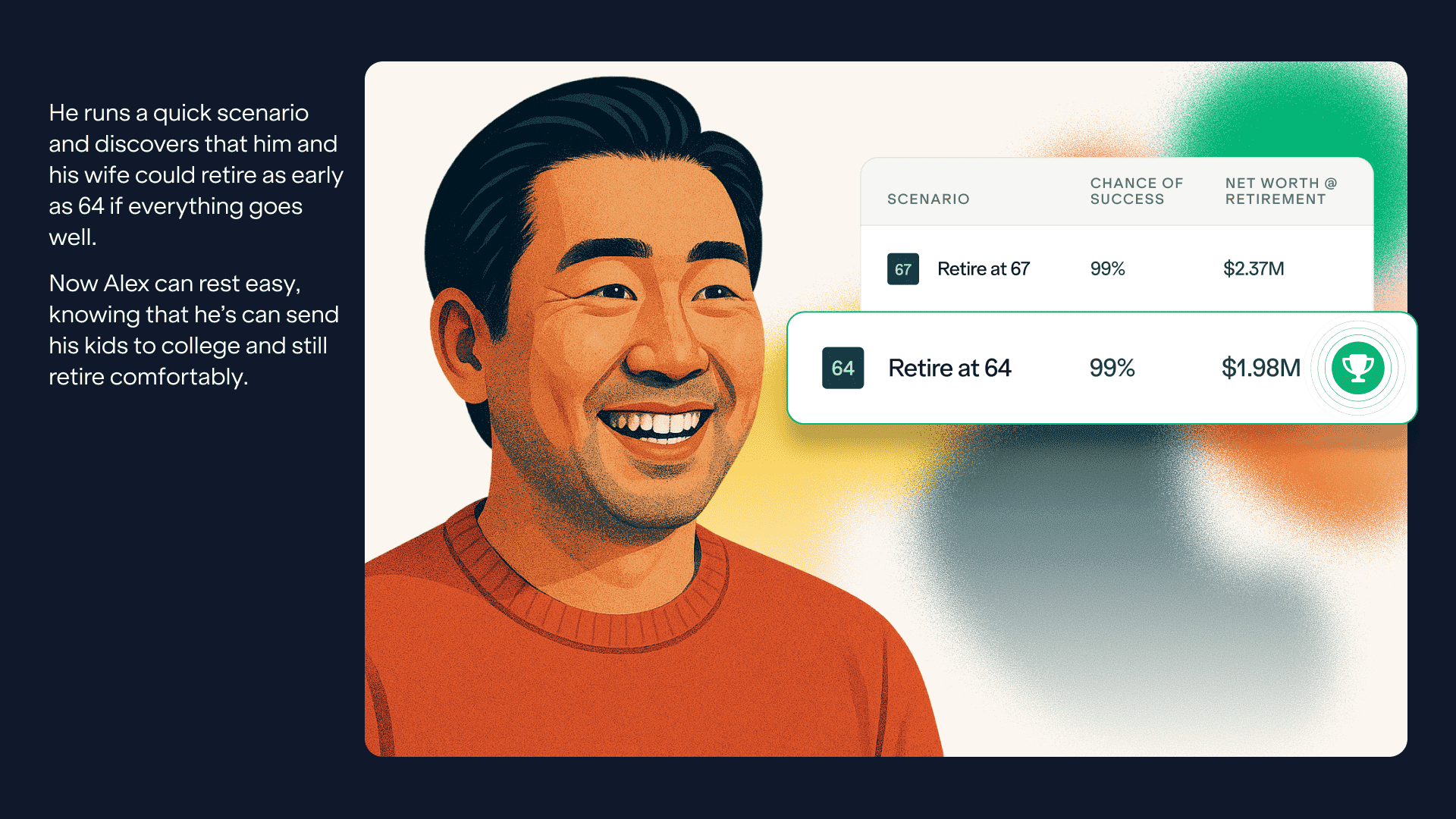
We tested using the AI illustrator to pitch a partnership with a major bank (name redacted). The deck helped us get several follow-up meetings, conversations are still in progress.
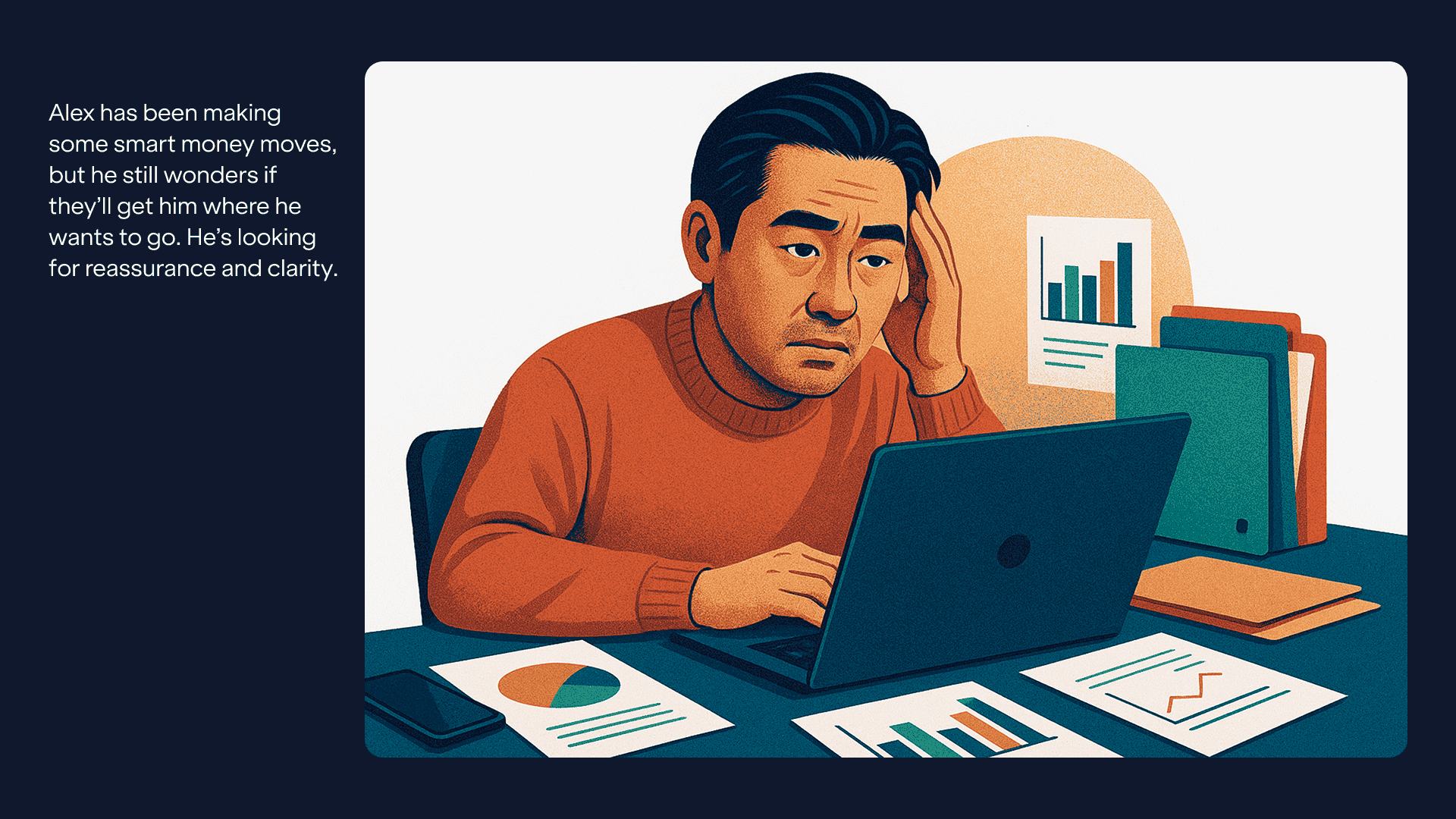
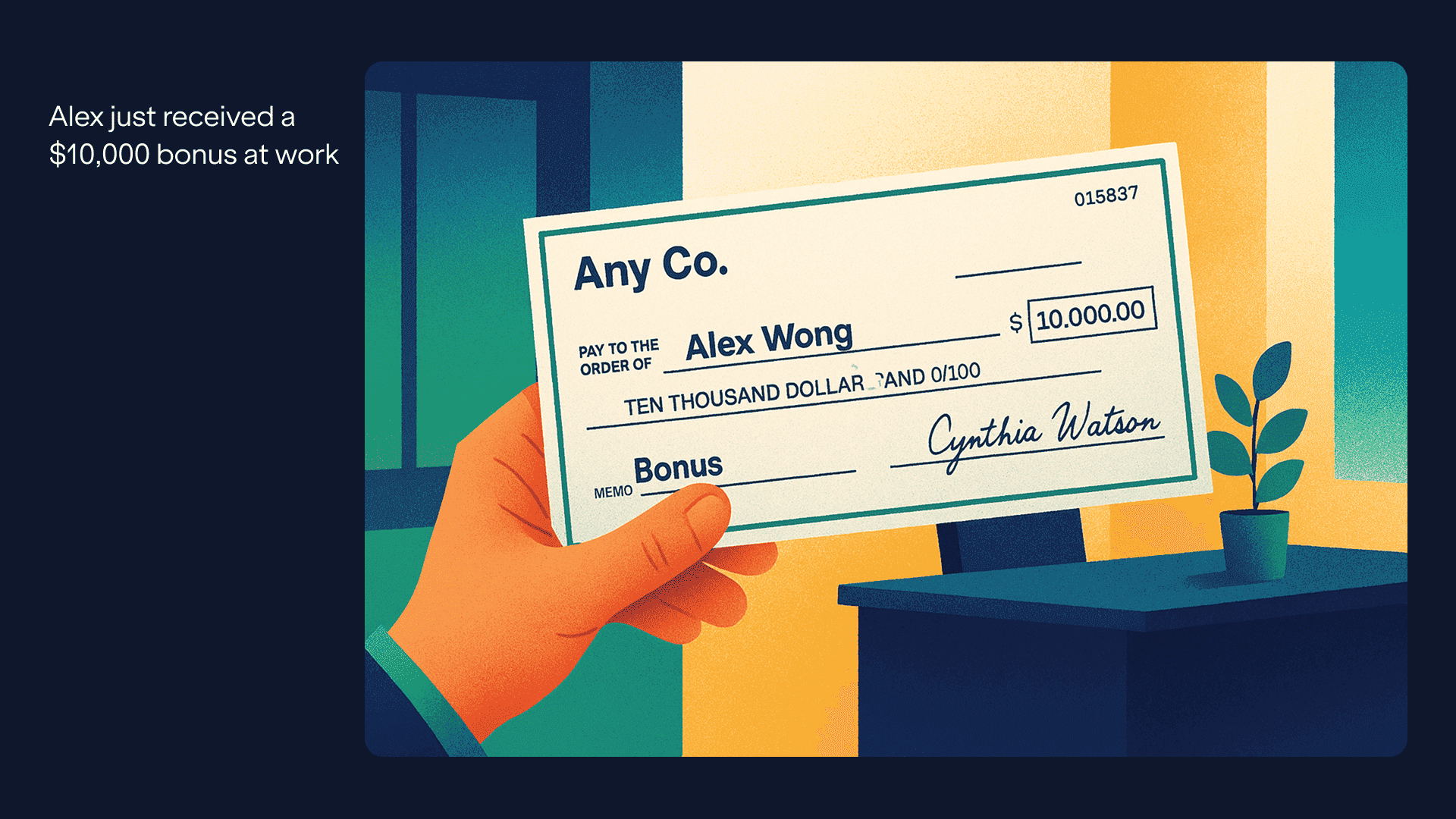
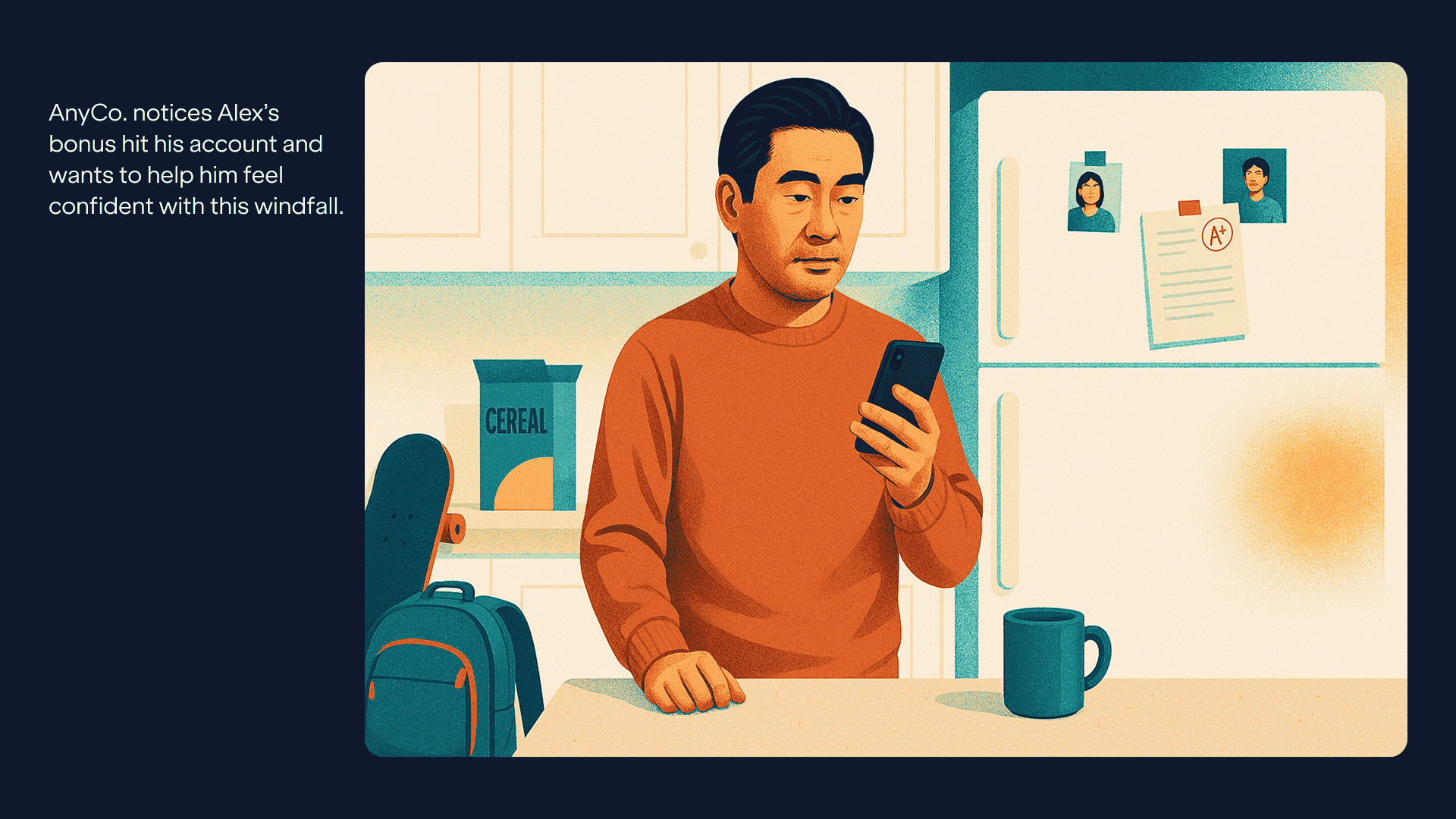
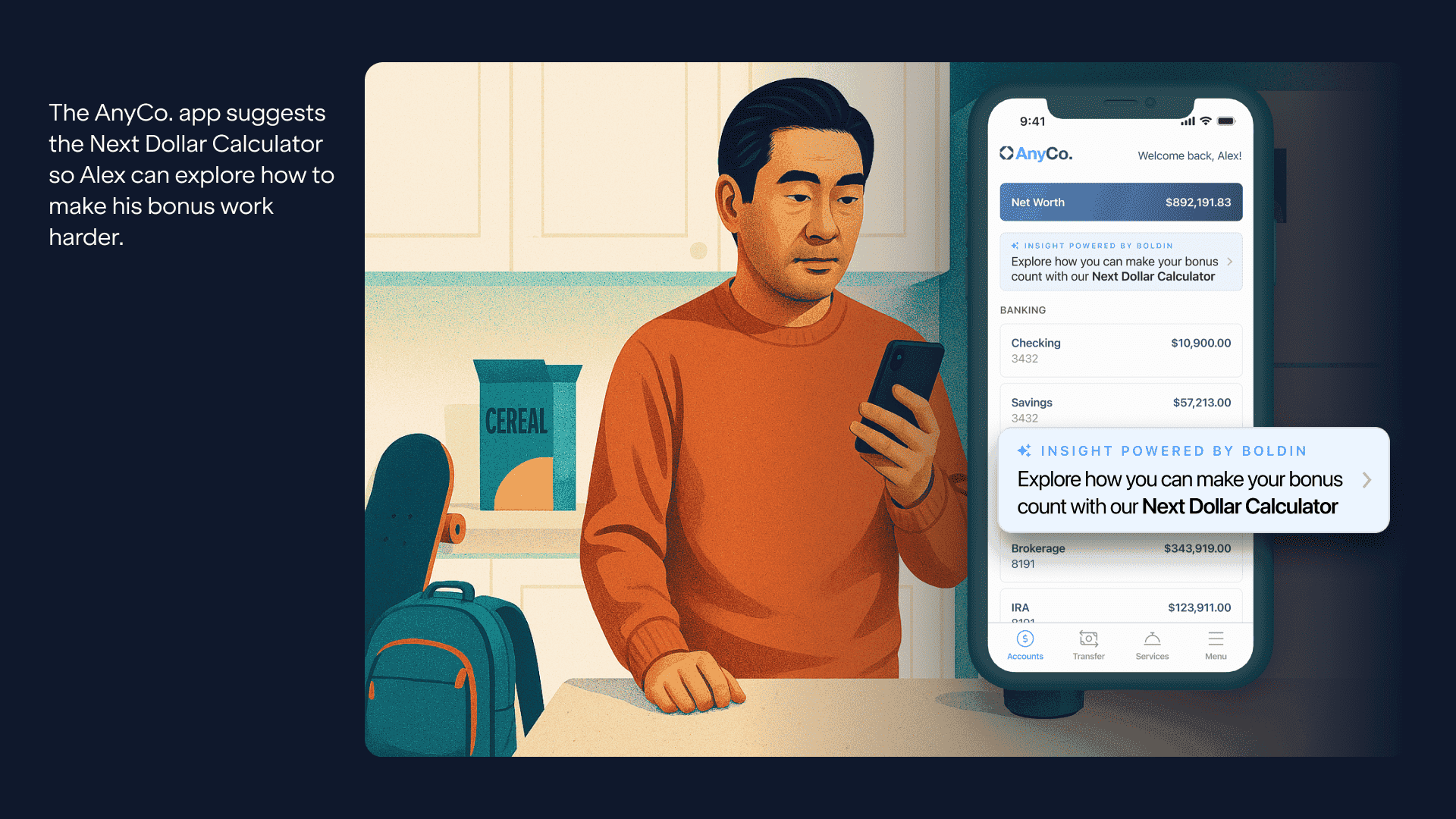
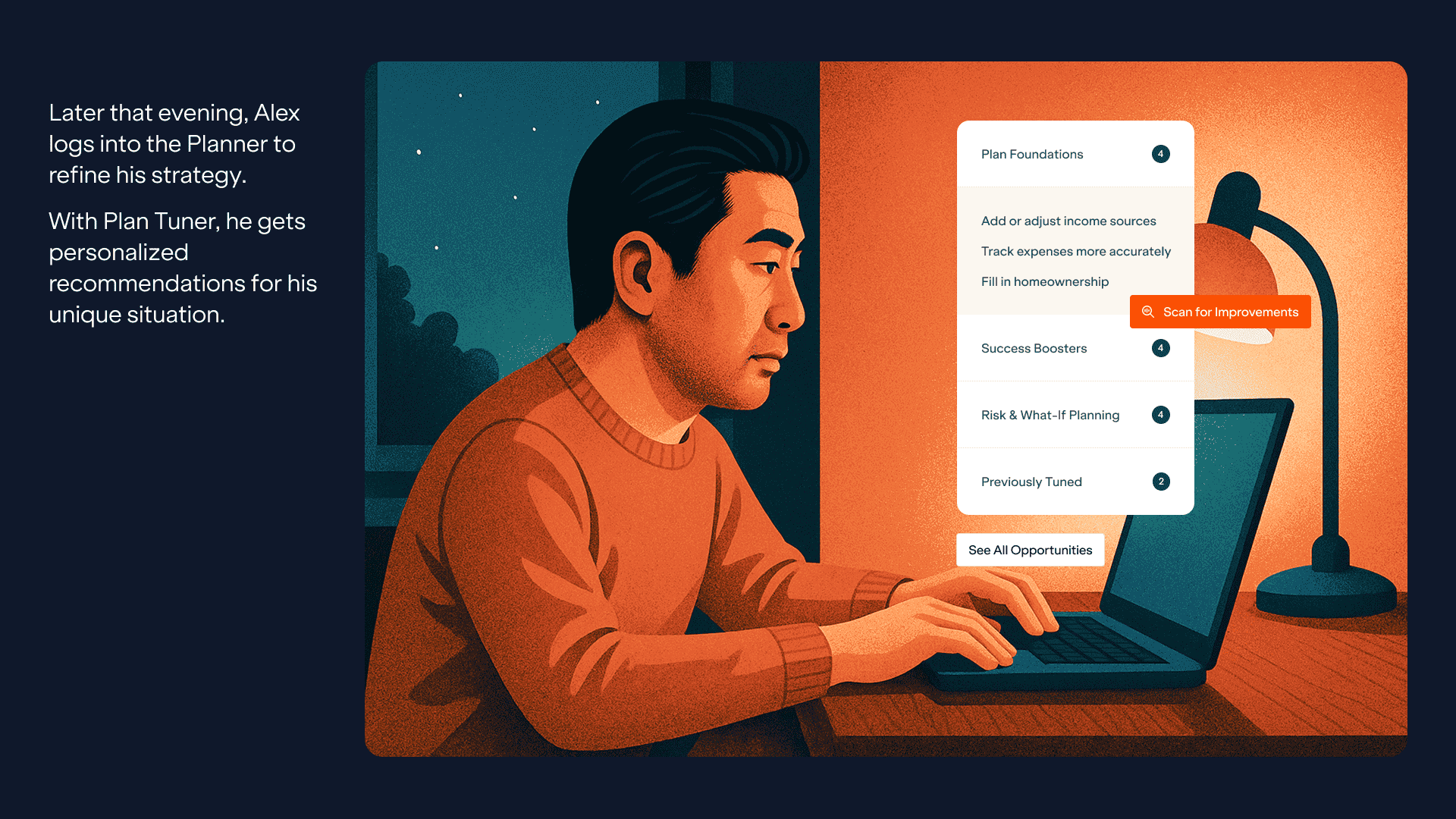
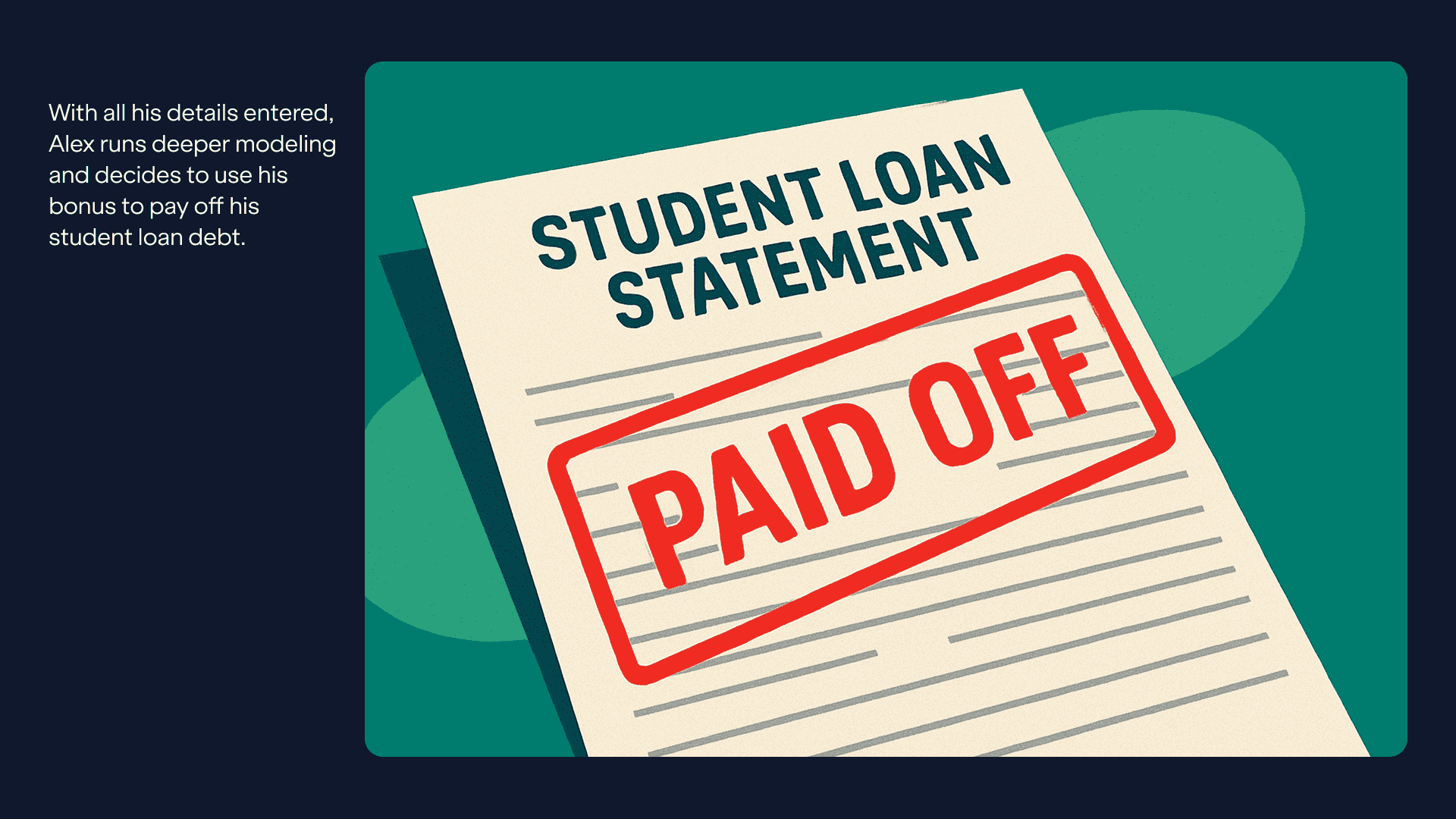
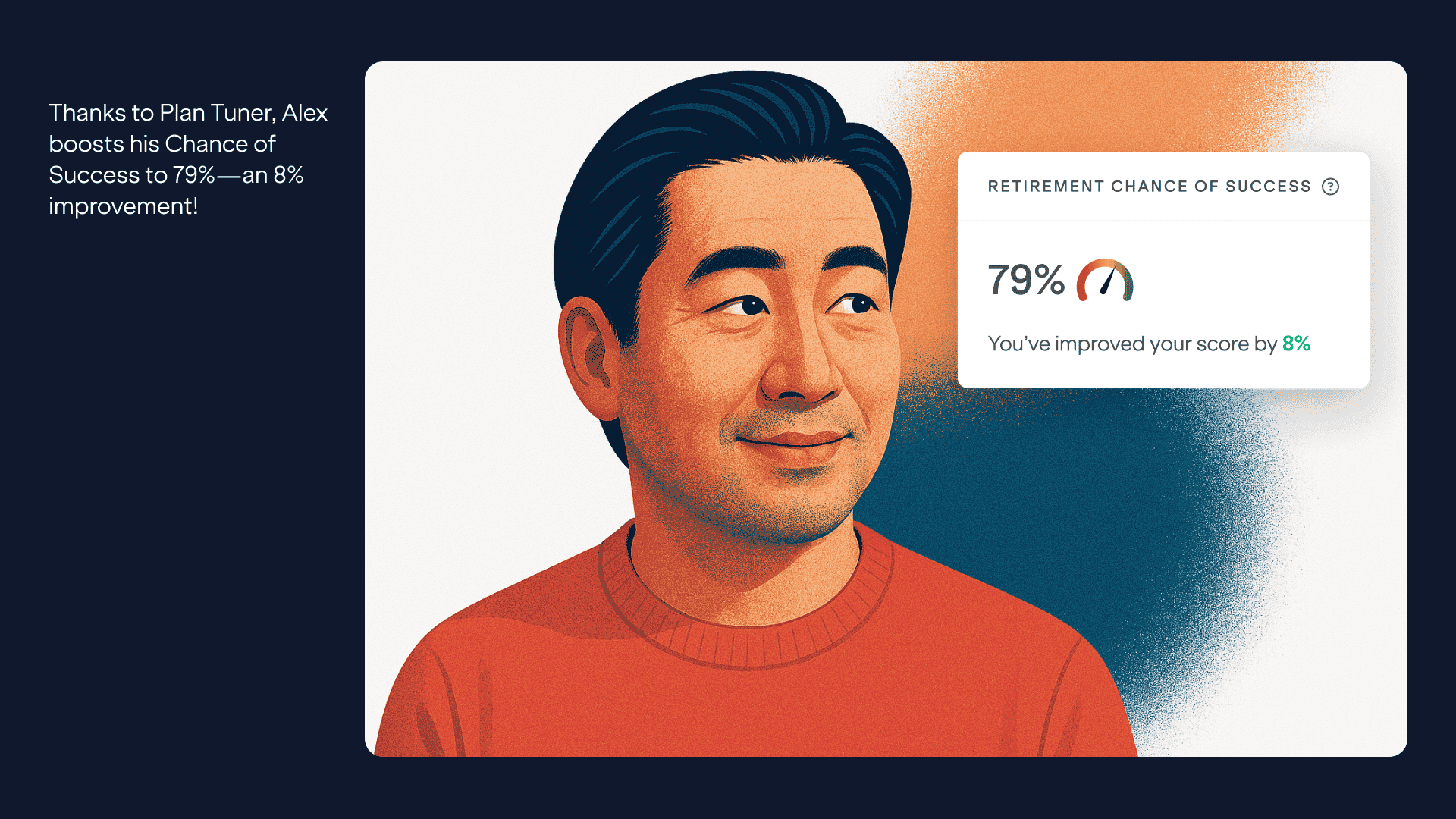
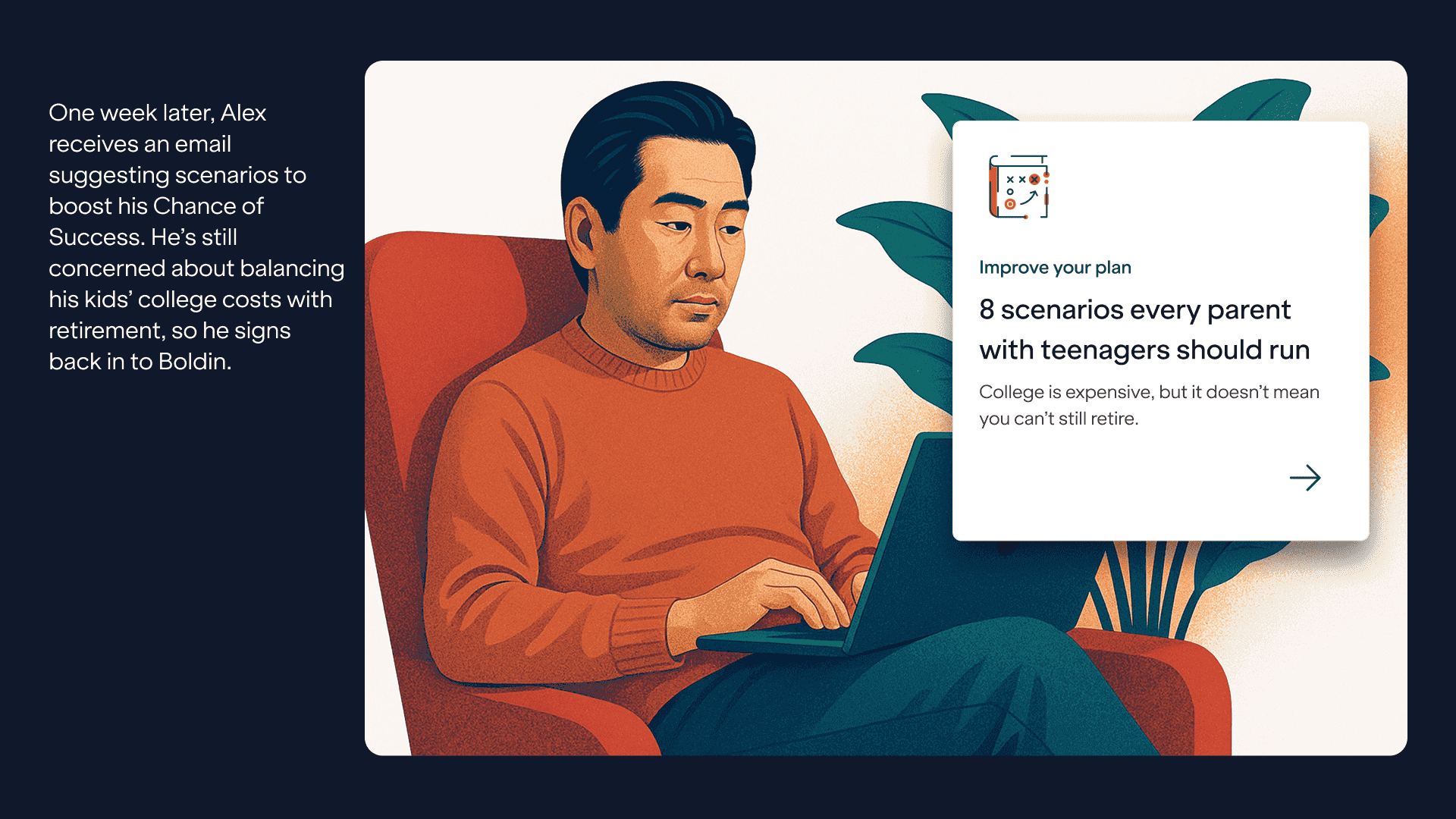
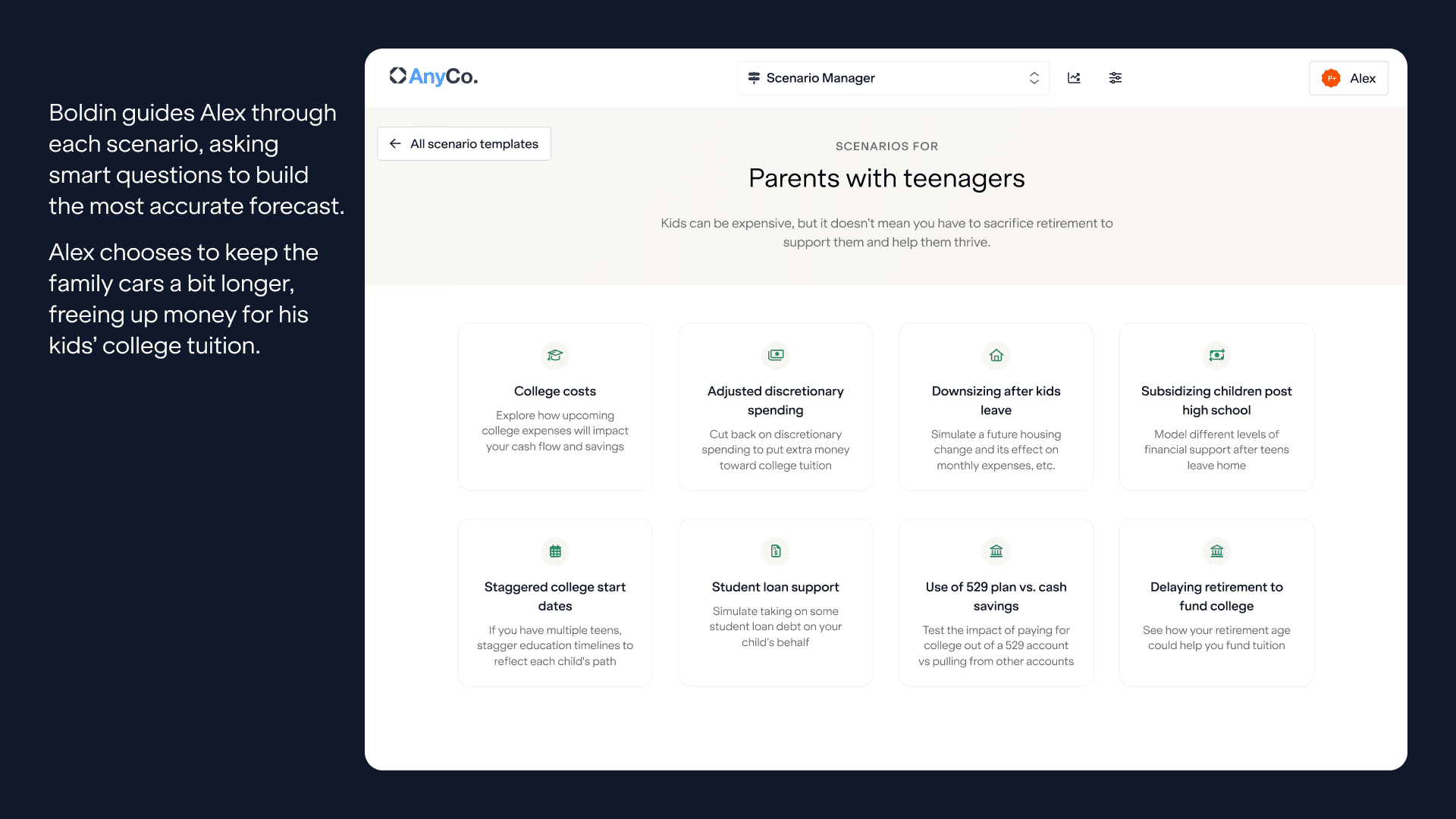
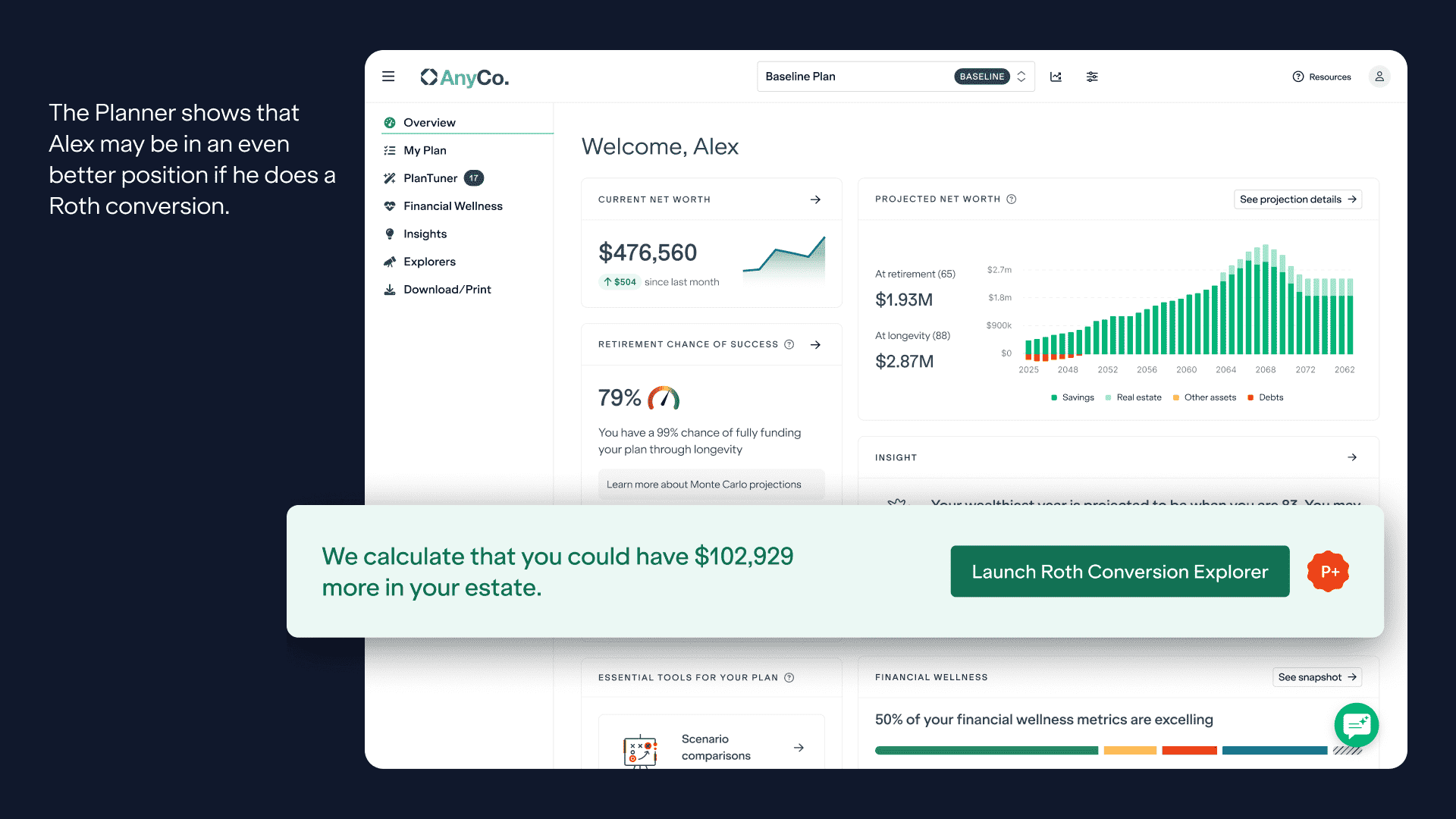
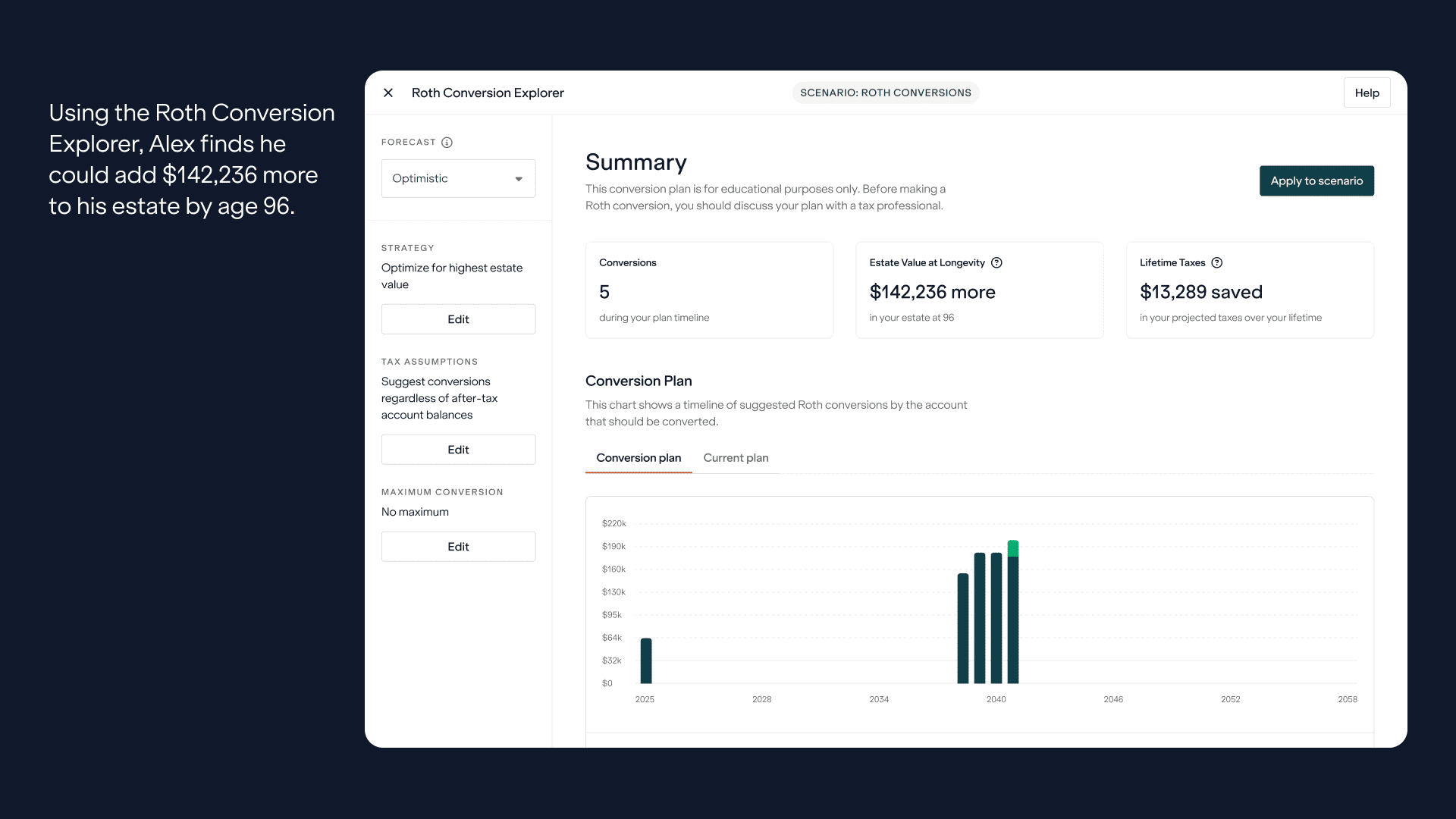
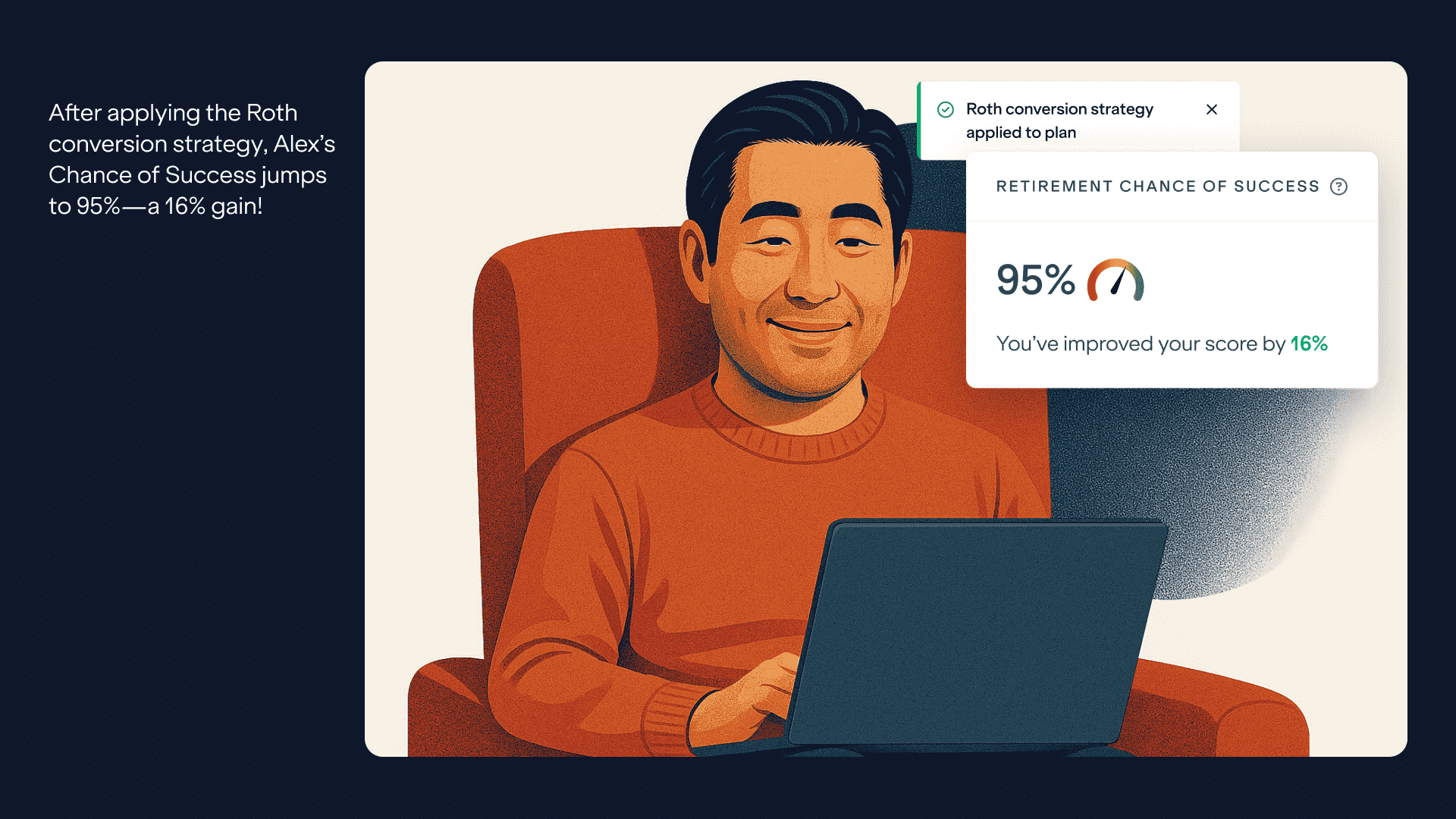
Refining for ChatGPT 5
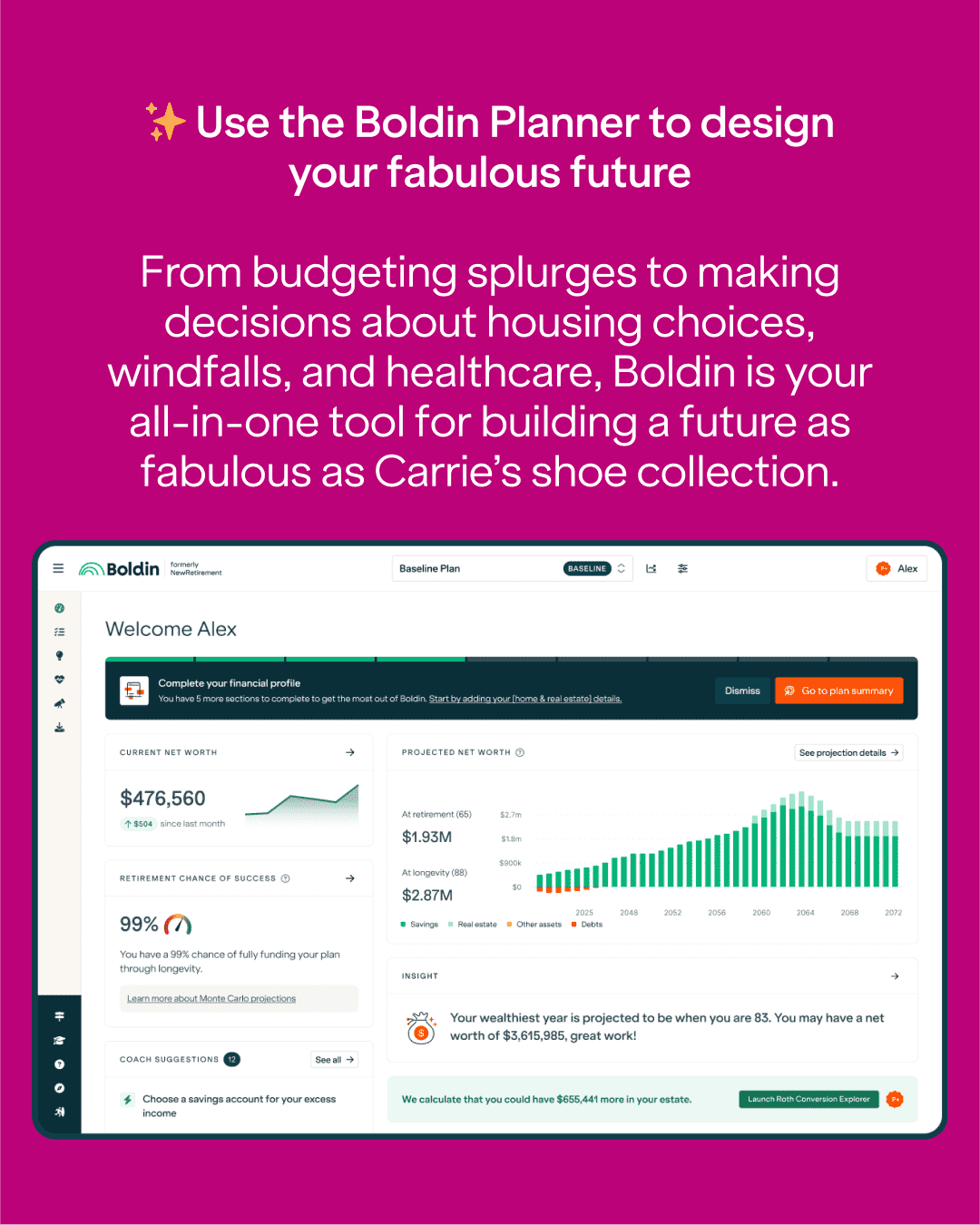
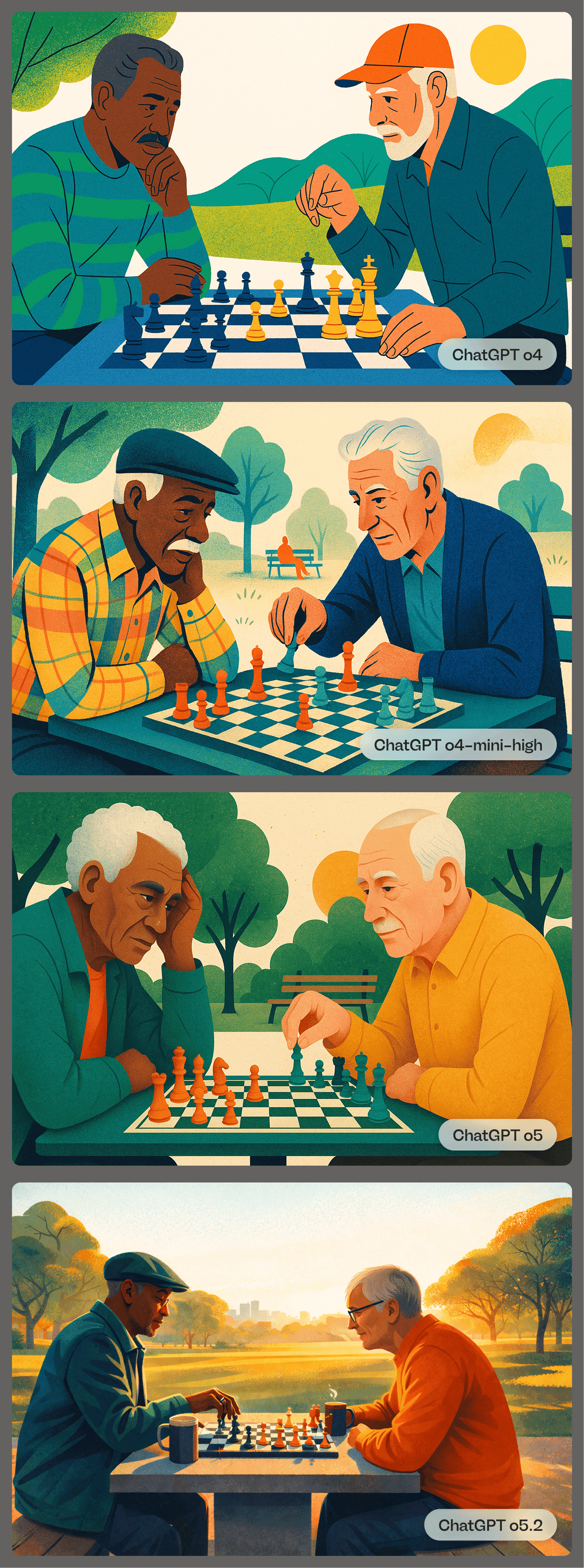
When ChatGPT 5 was released, we noticed our original GPT engine started to go haywire, producing assets that weren’t aligned with our creative direction. The output had drifted deeply into photorealism.
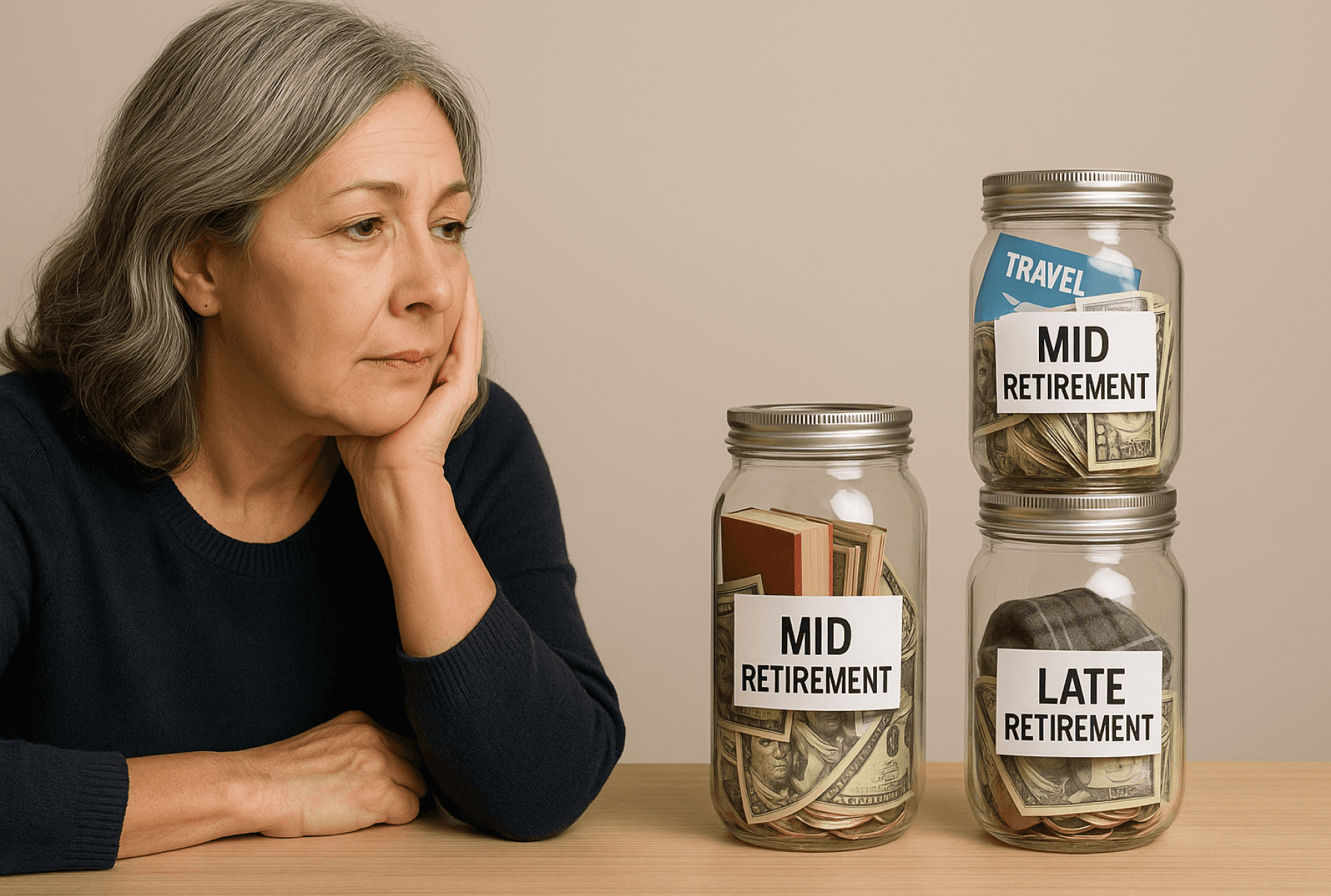
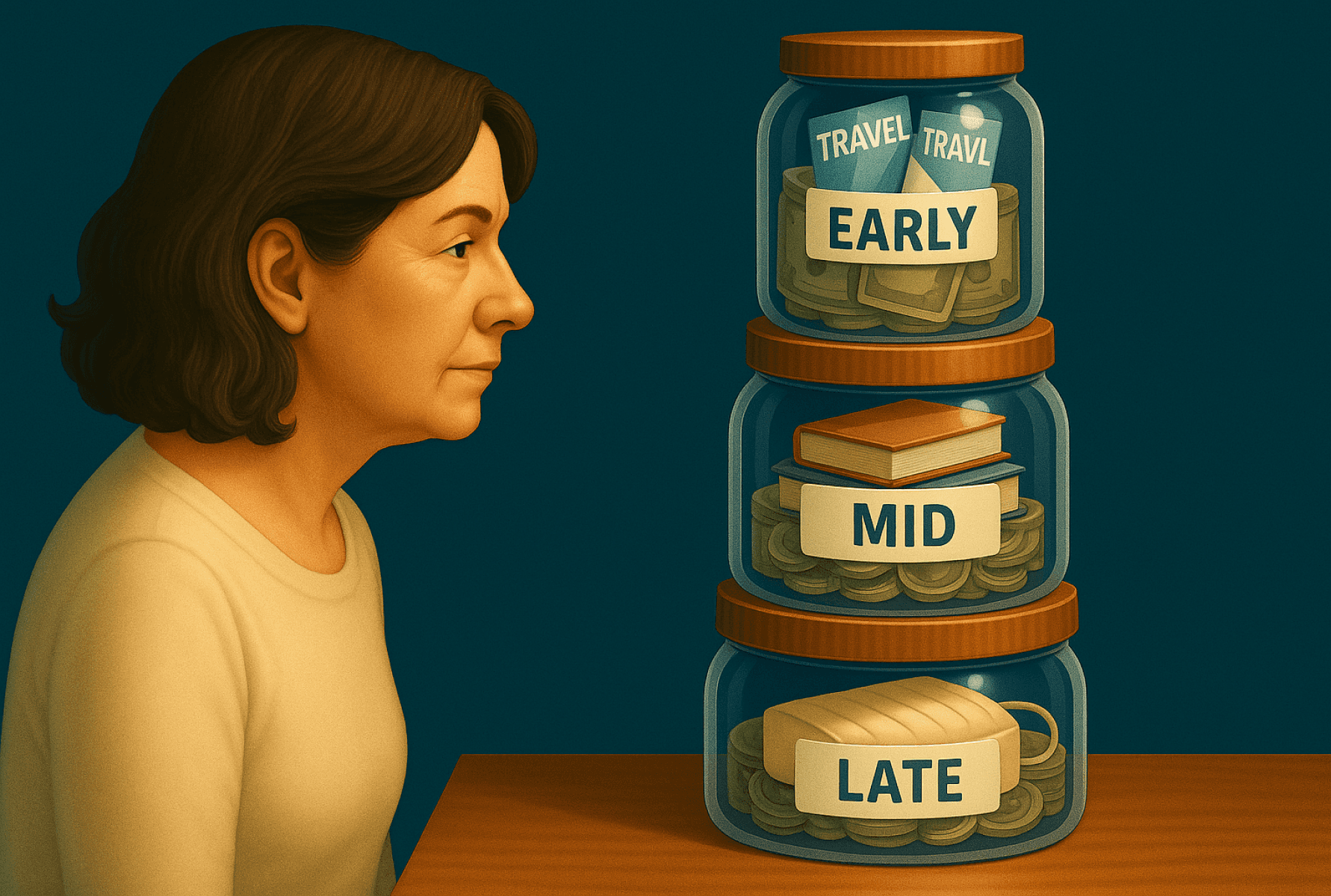
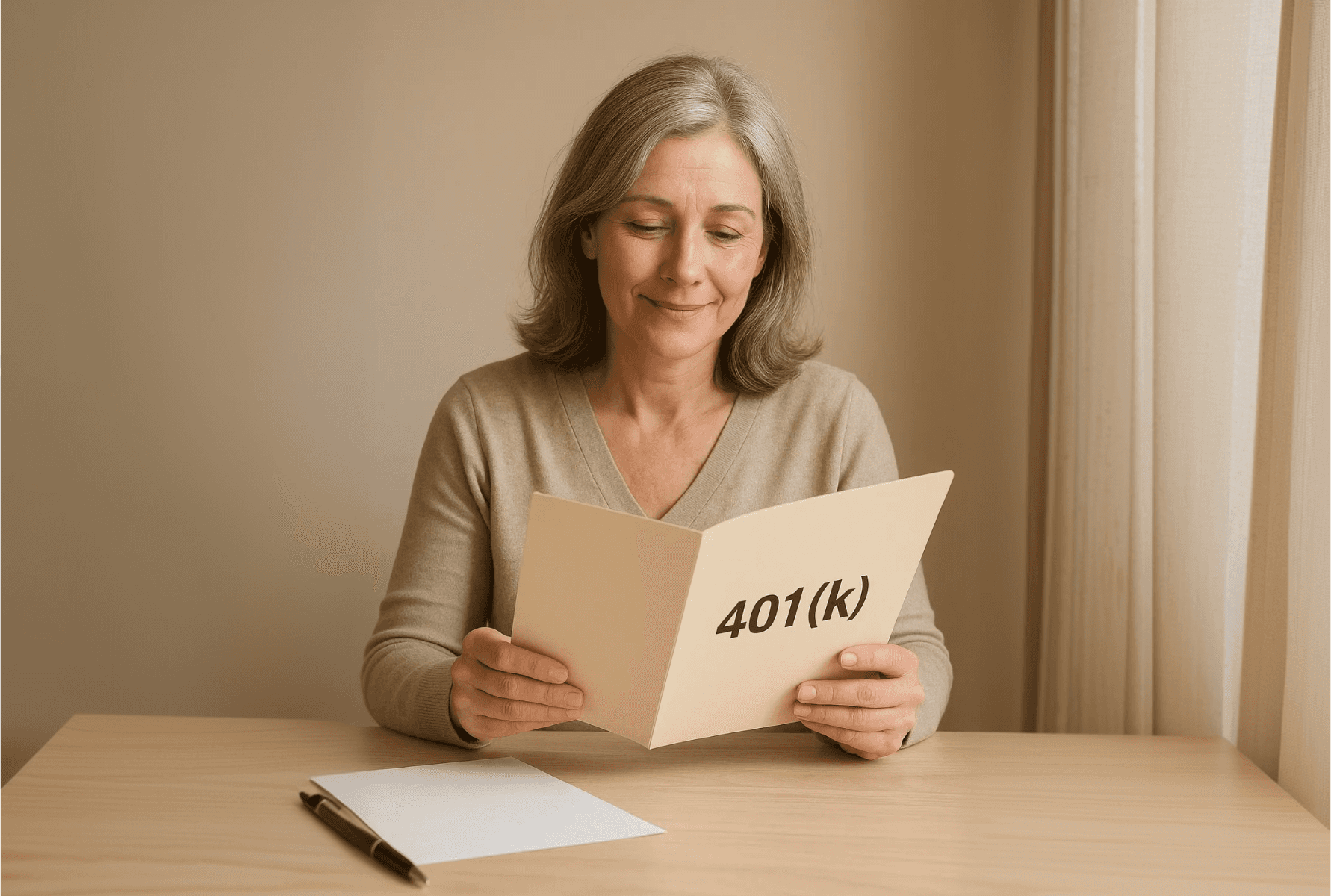
Using Gemini deep research, I worked to reconstruct our underlying prompt instructions to be more in tune with what the new model of ChatGPT was expecting. Ultimately, the update to ChatGPT allowed us to produce higher quality illustrations than before. We also had a collection of images from our previous iteration we could use to train our new GPT.
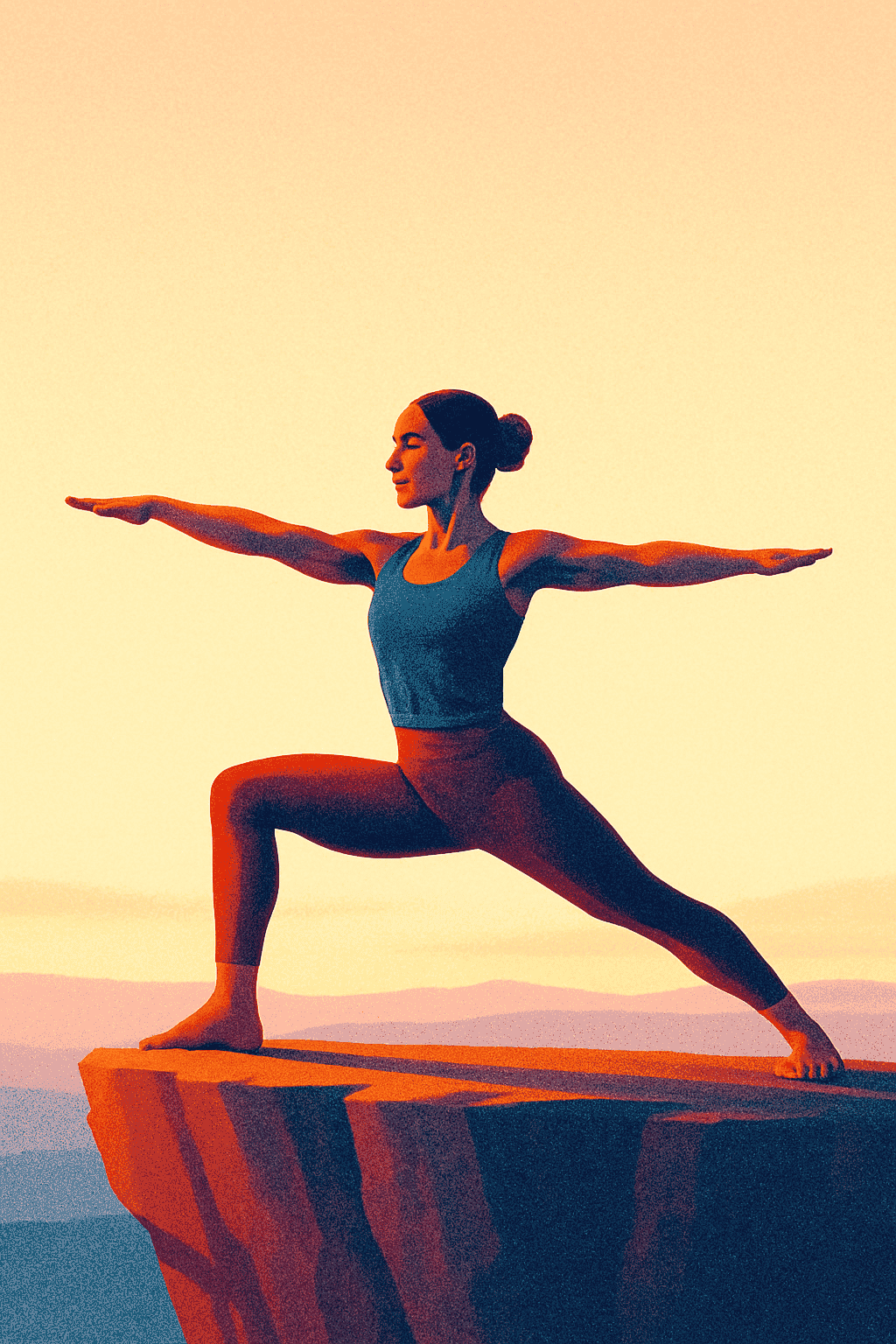
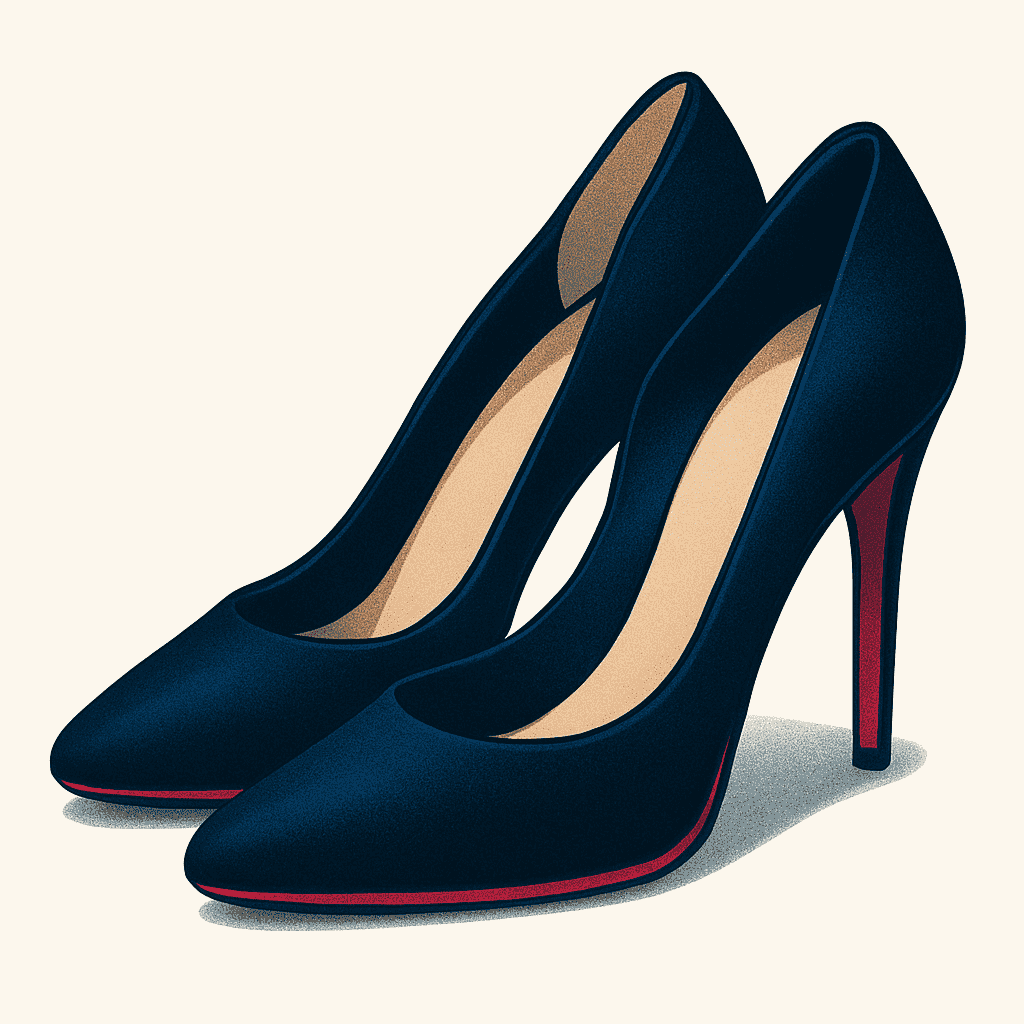
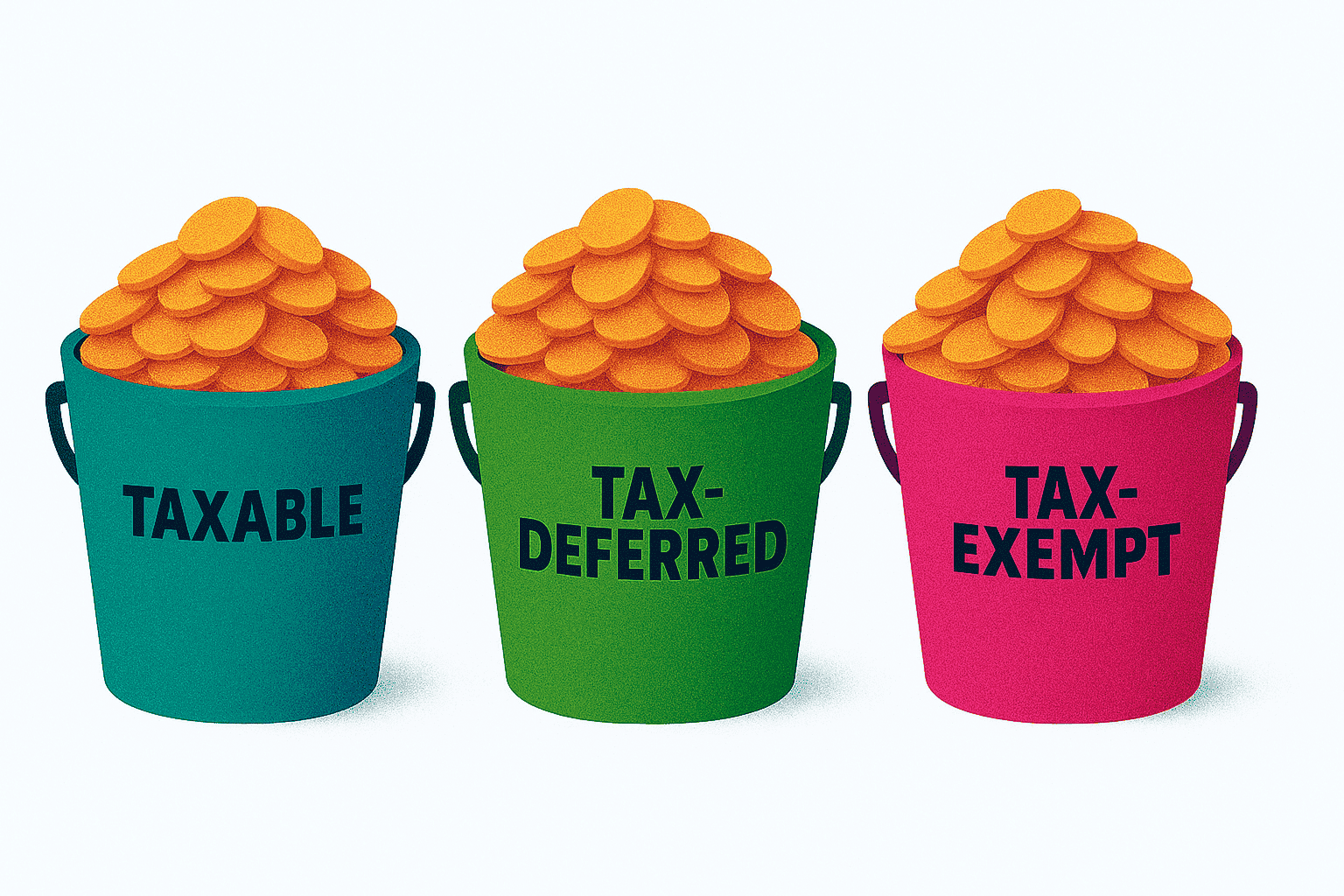

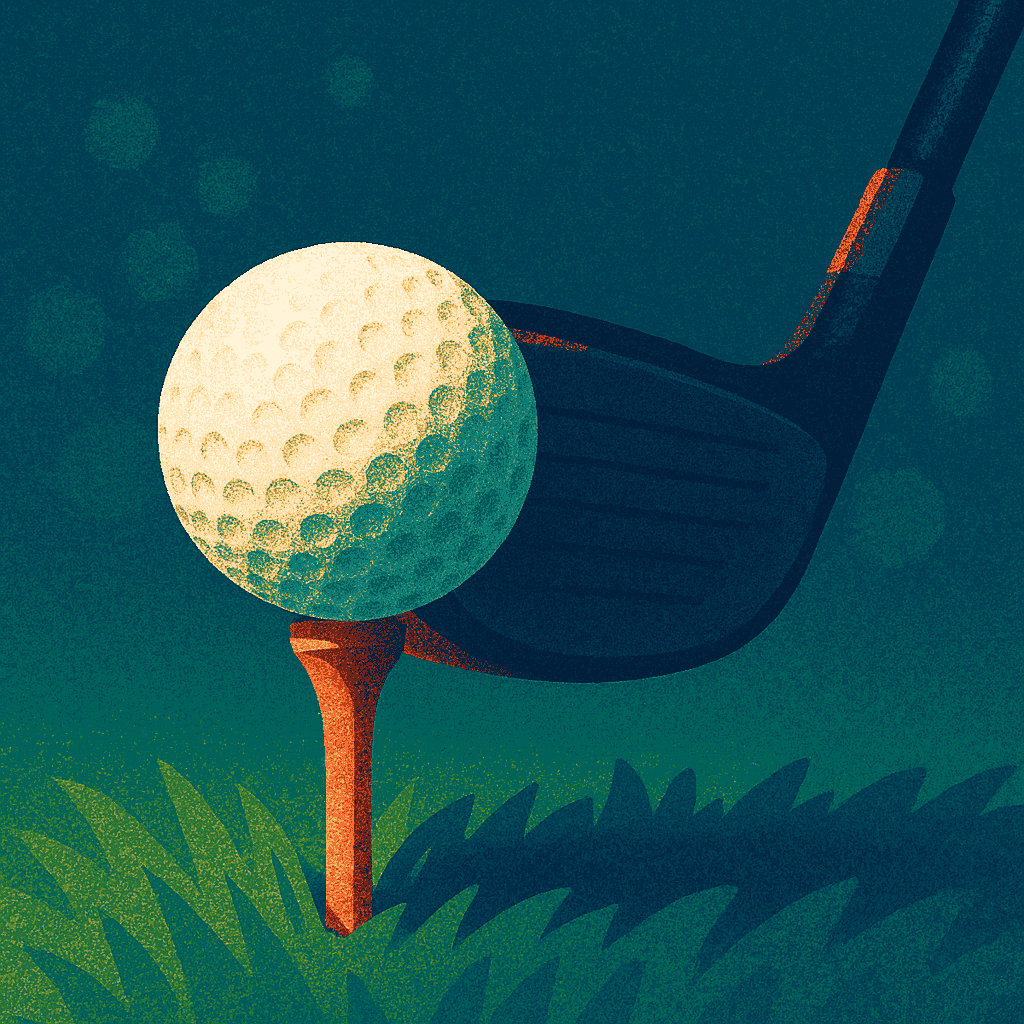
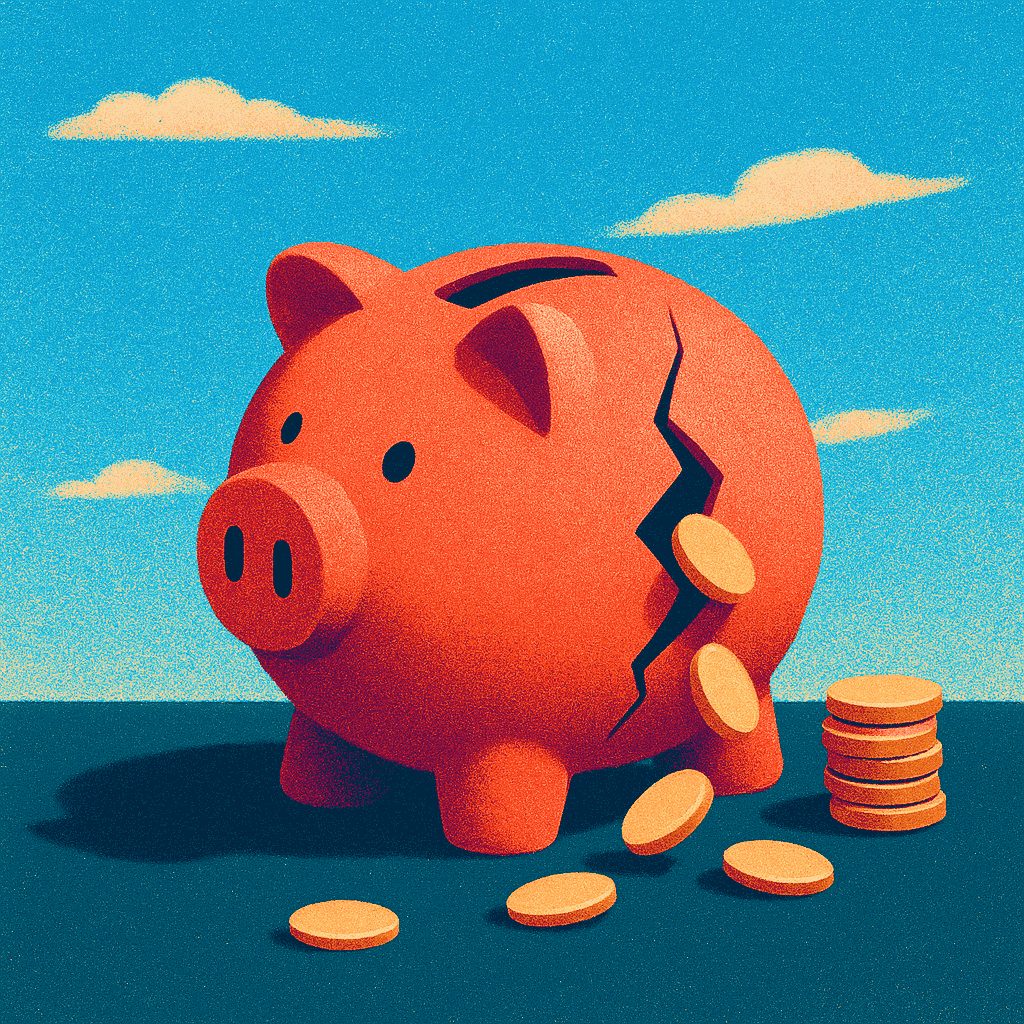

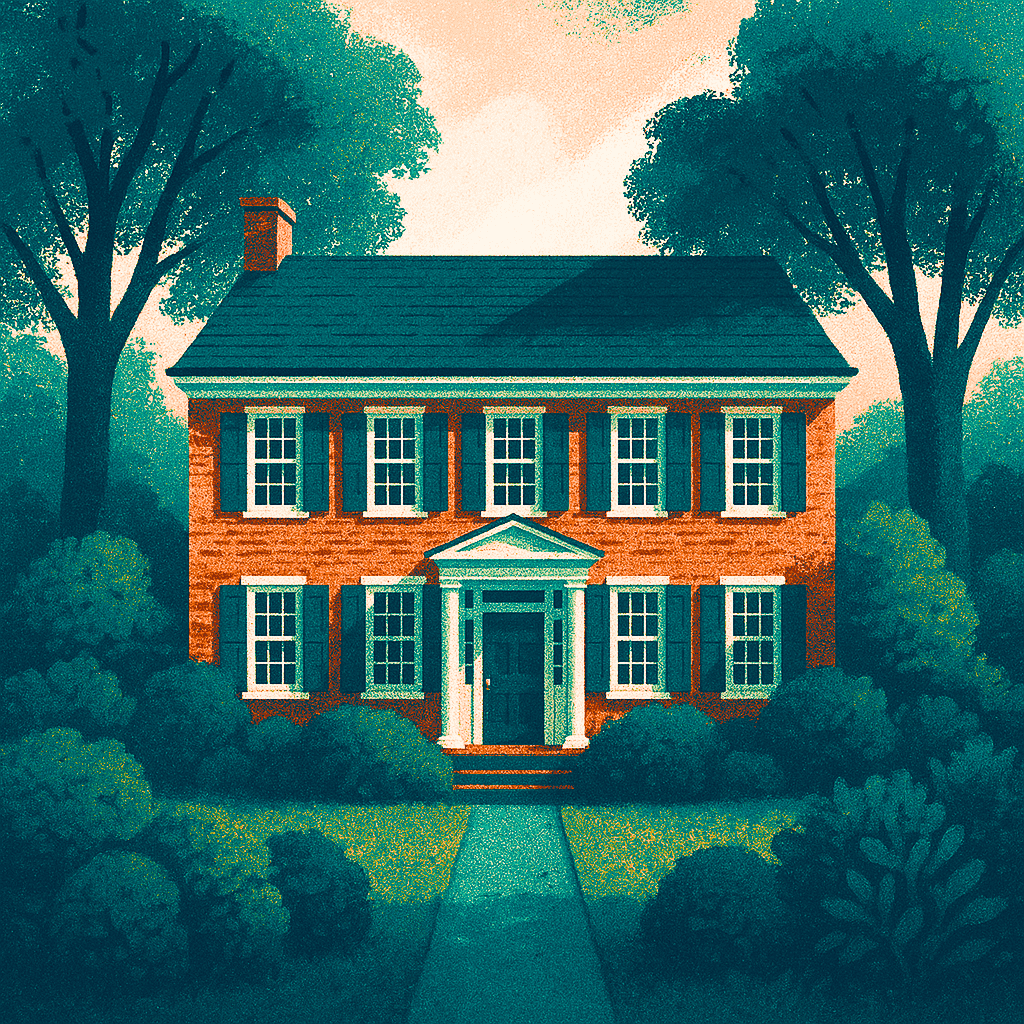
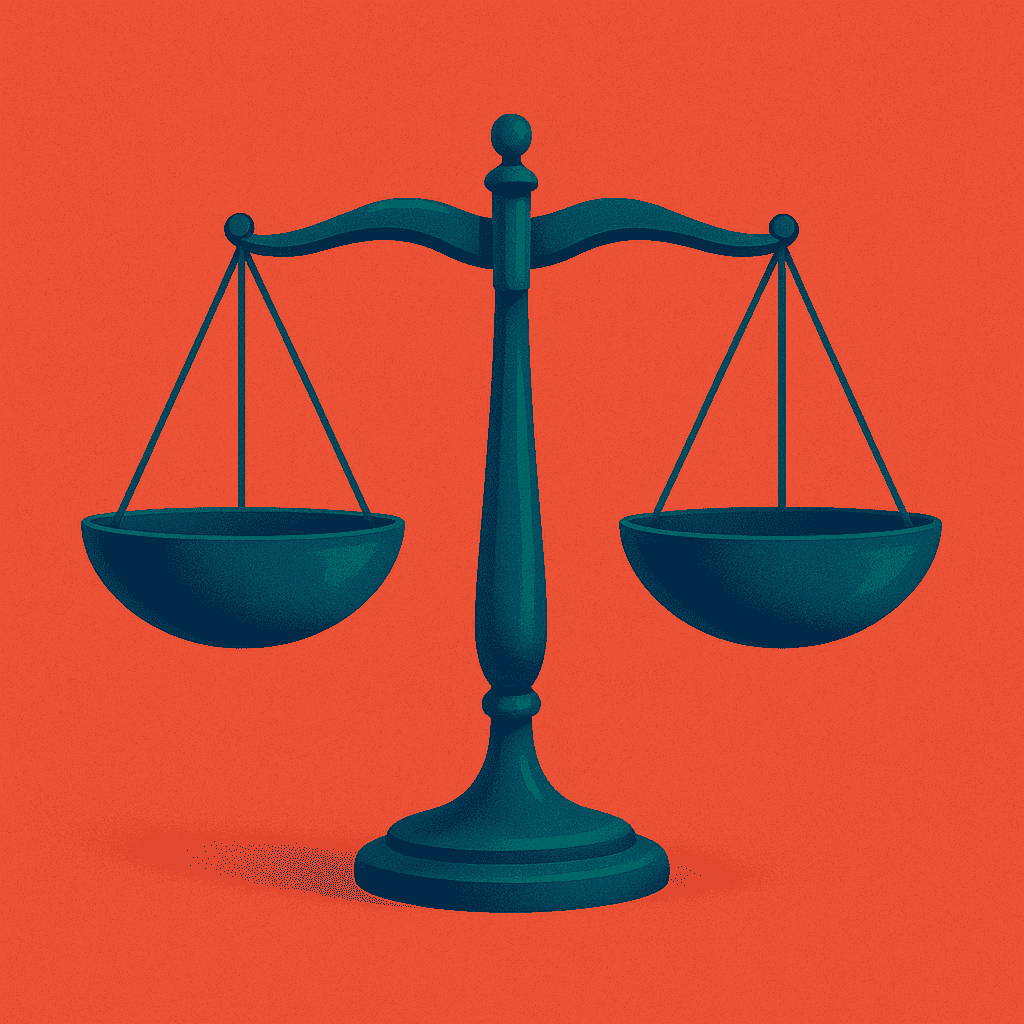
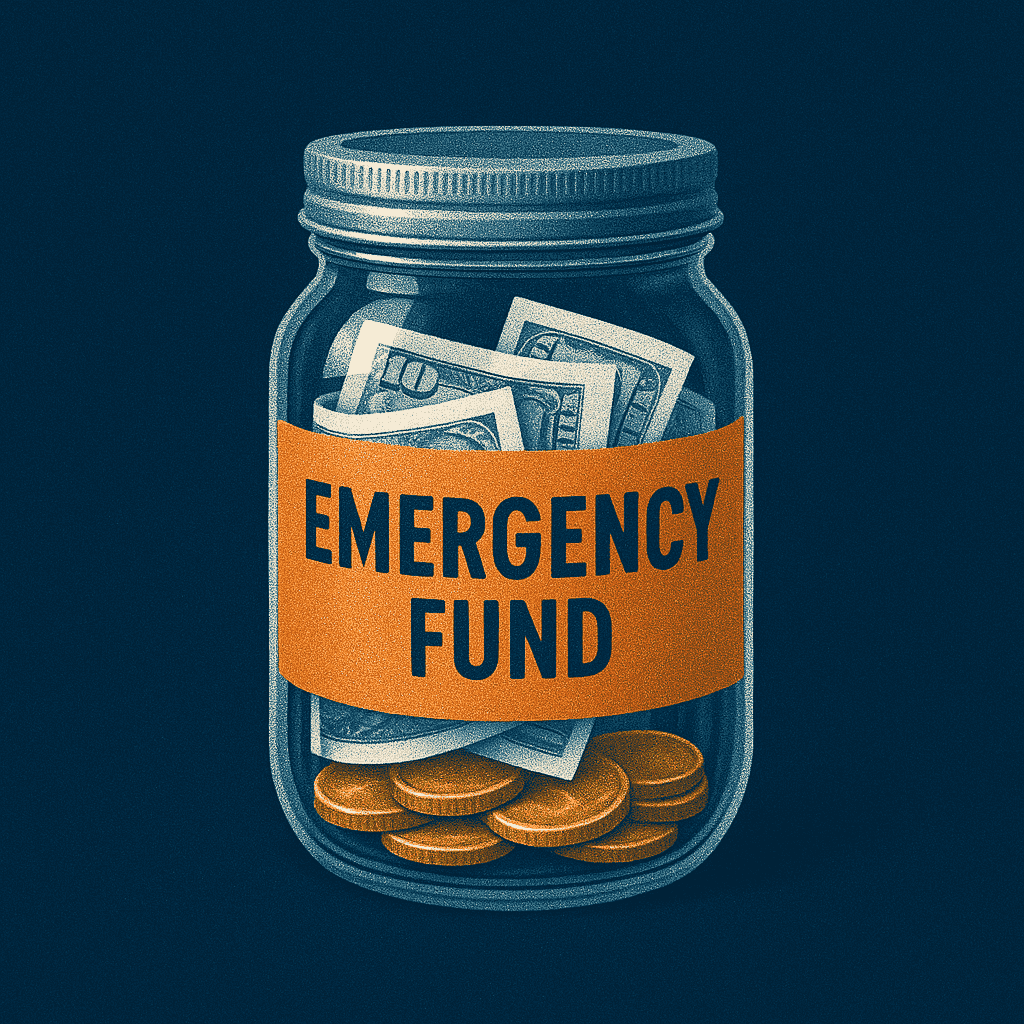
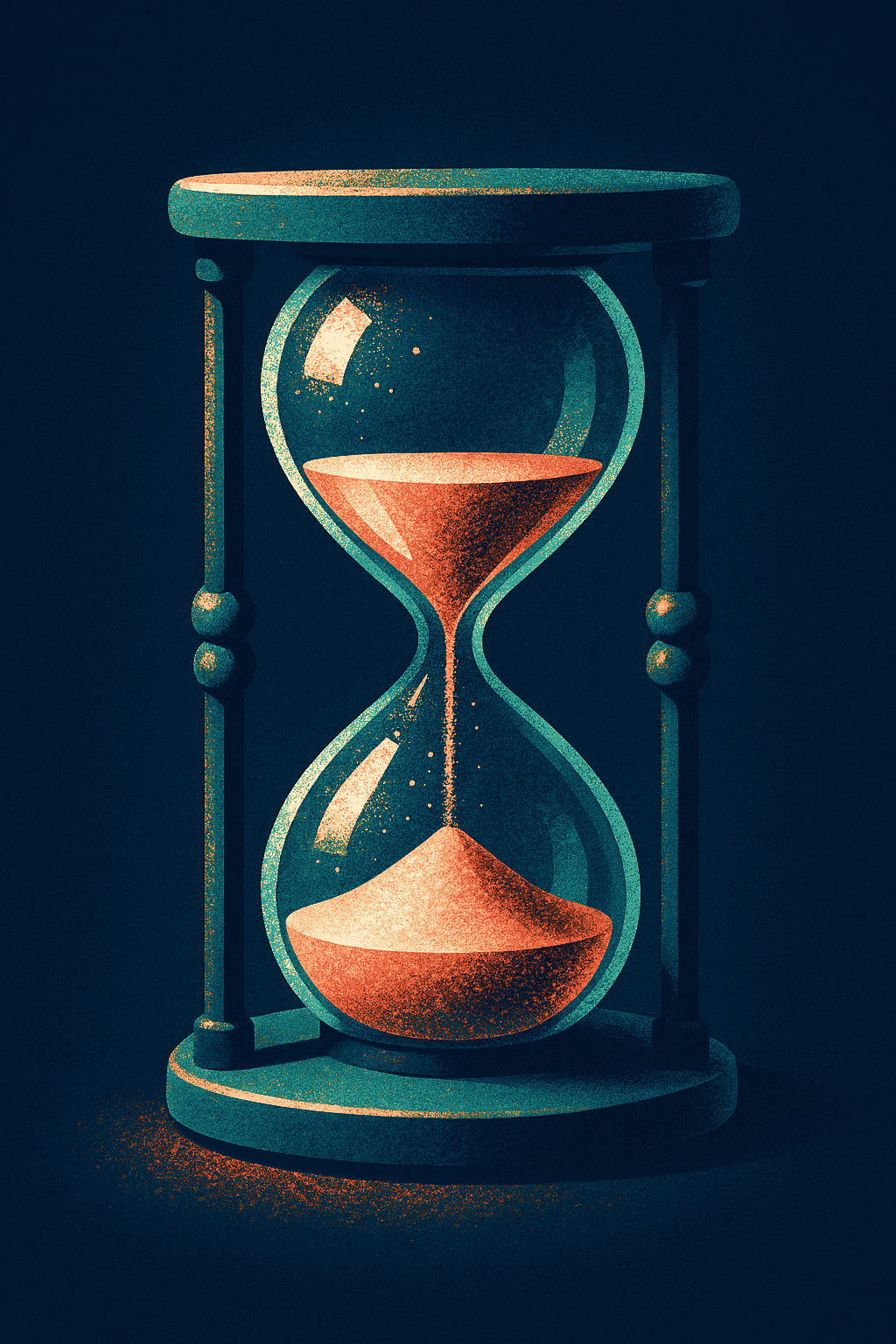
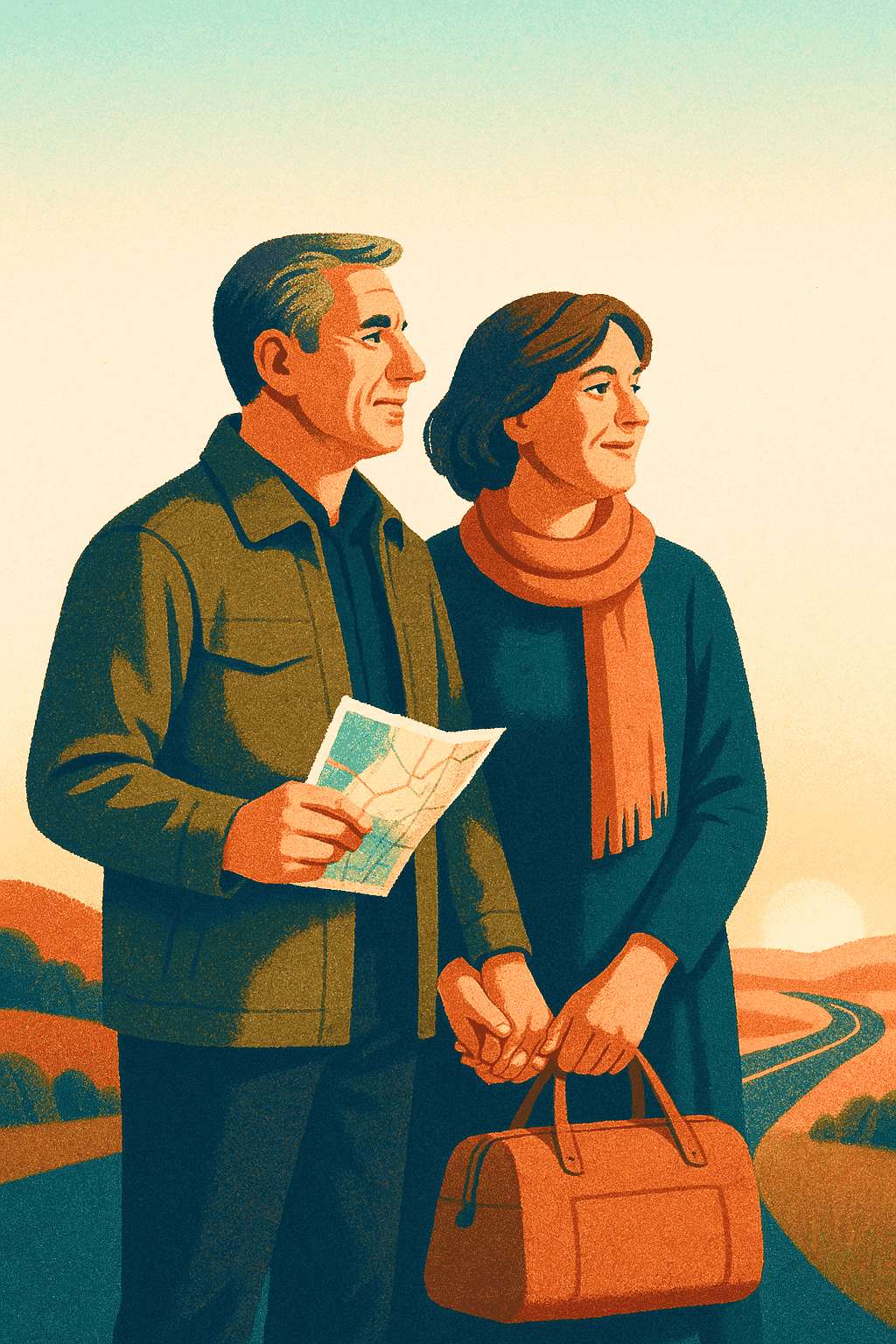
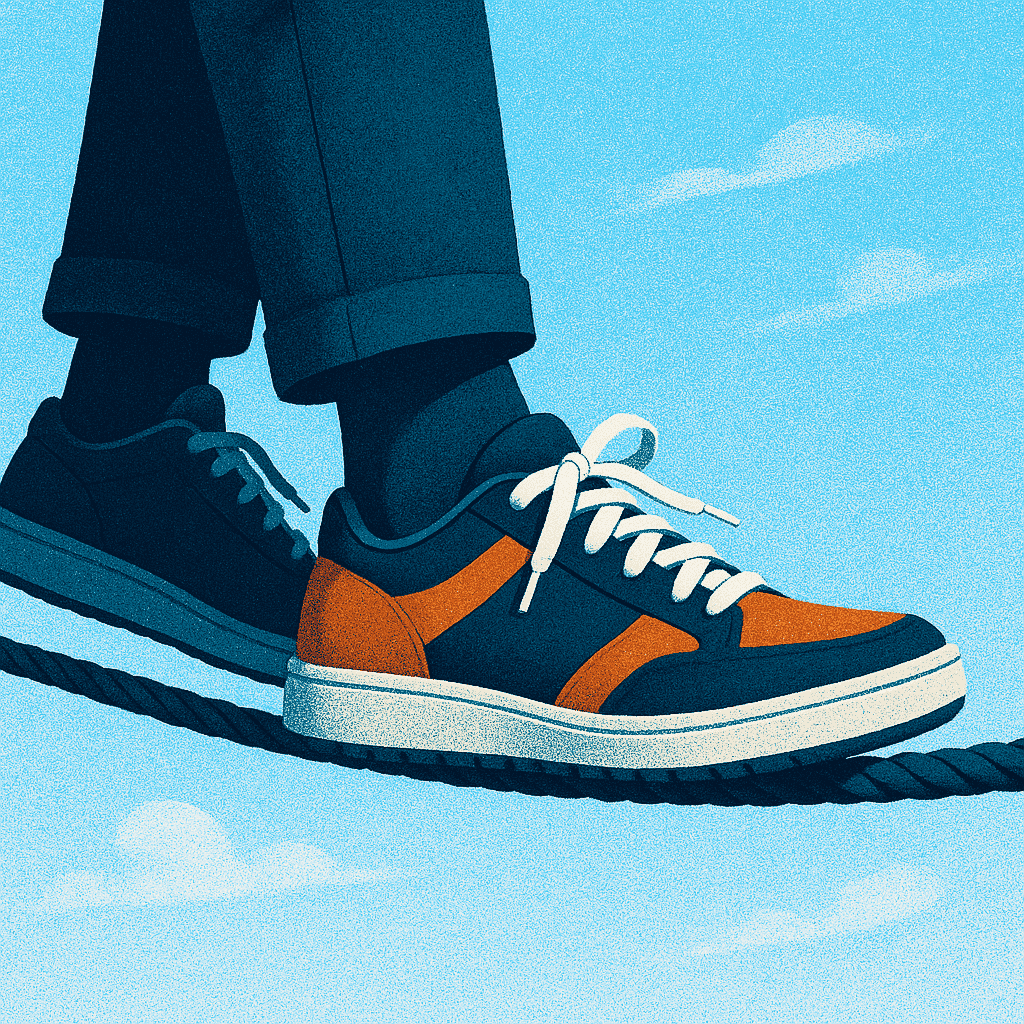
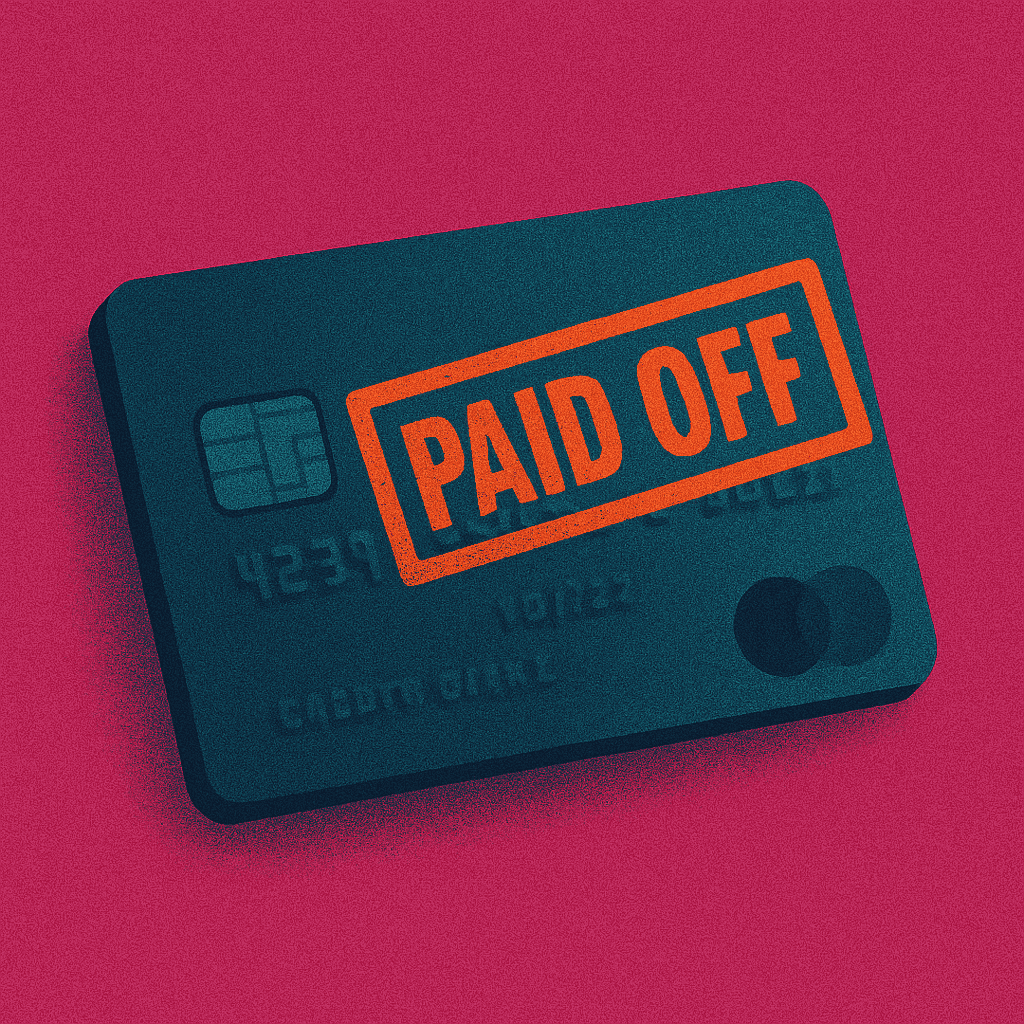
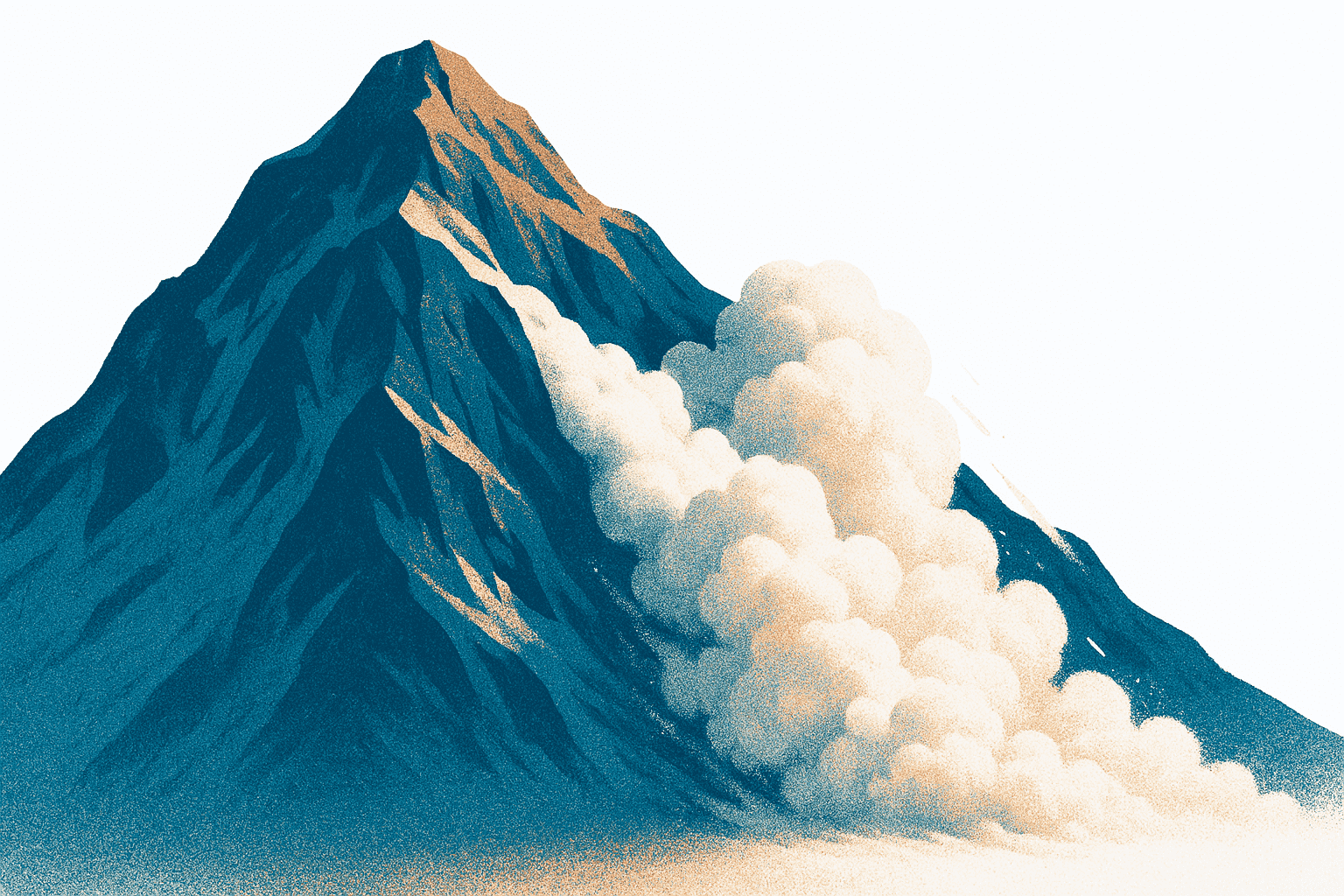
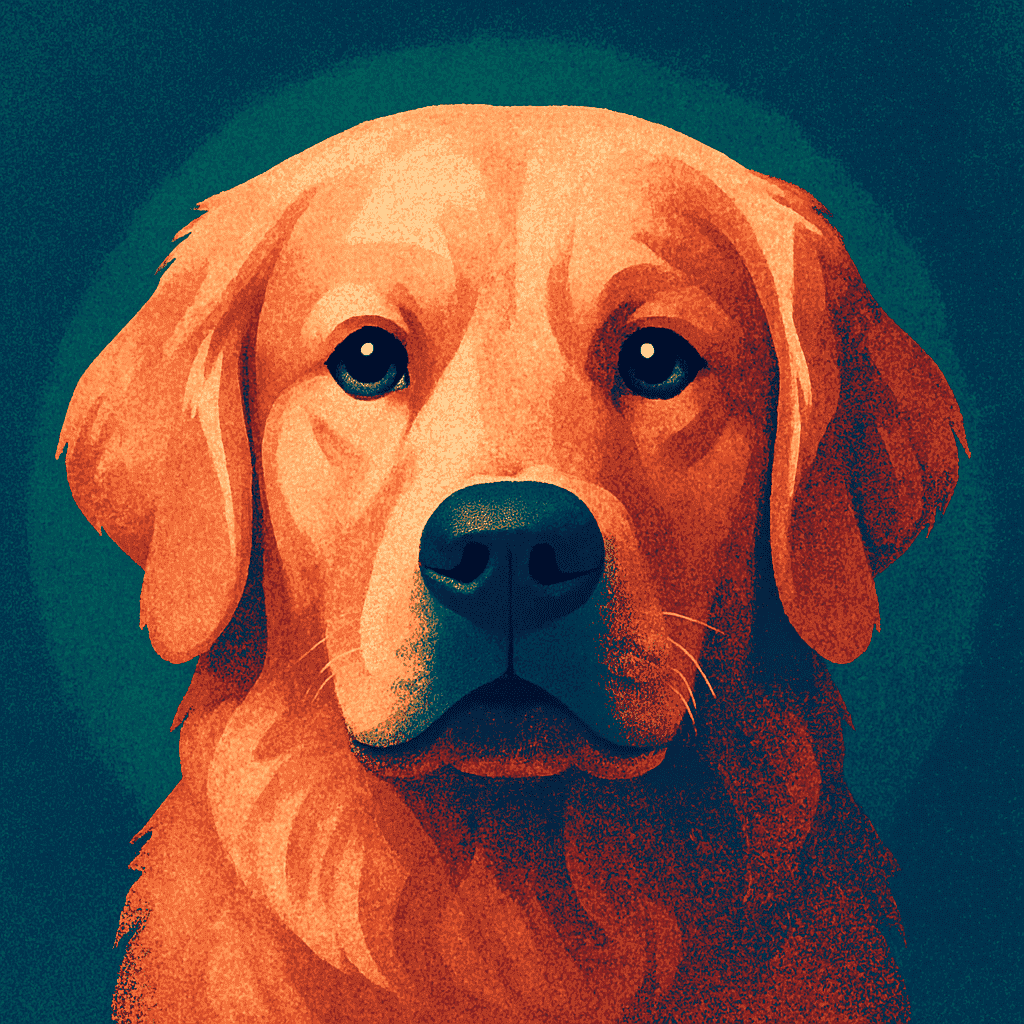
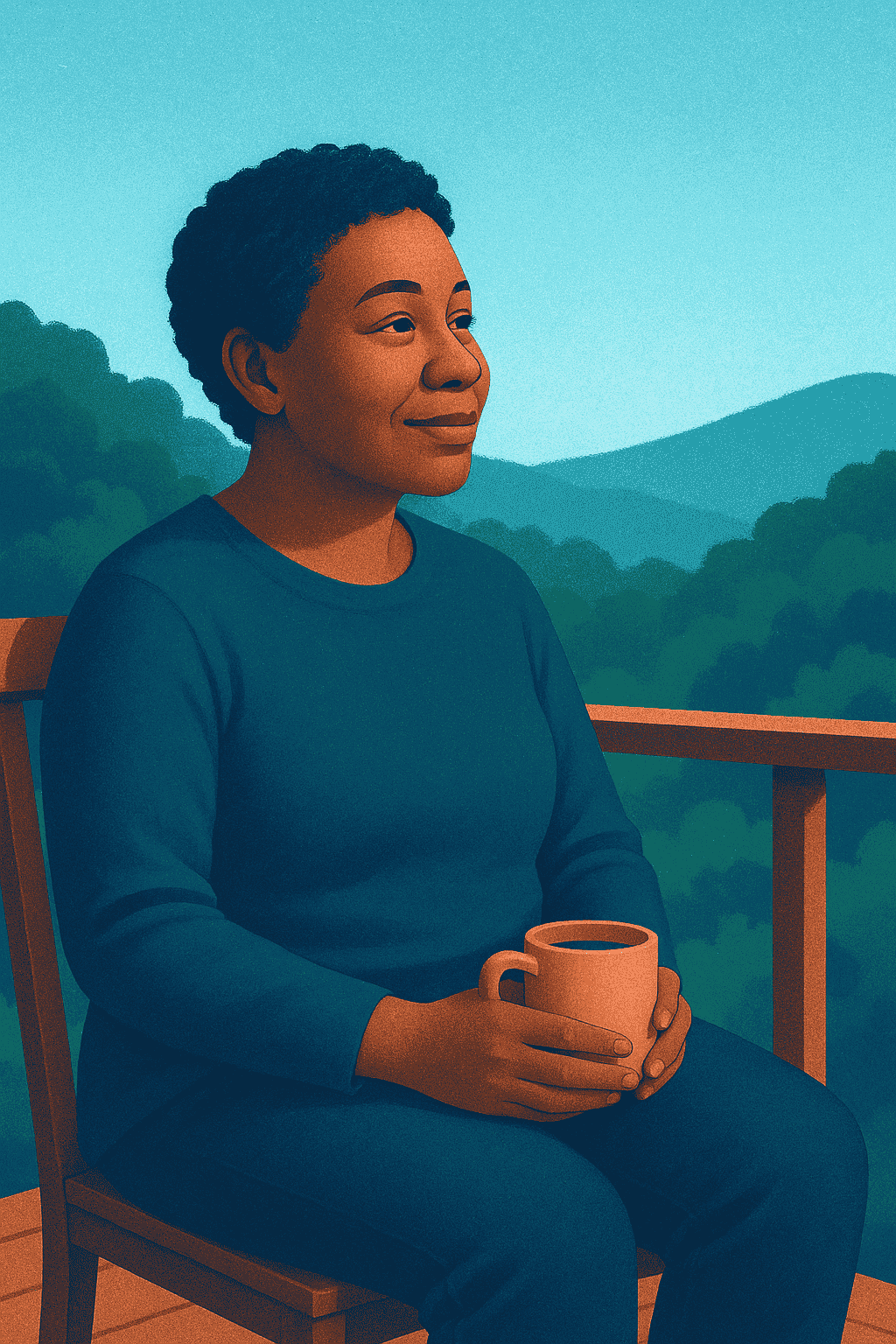
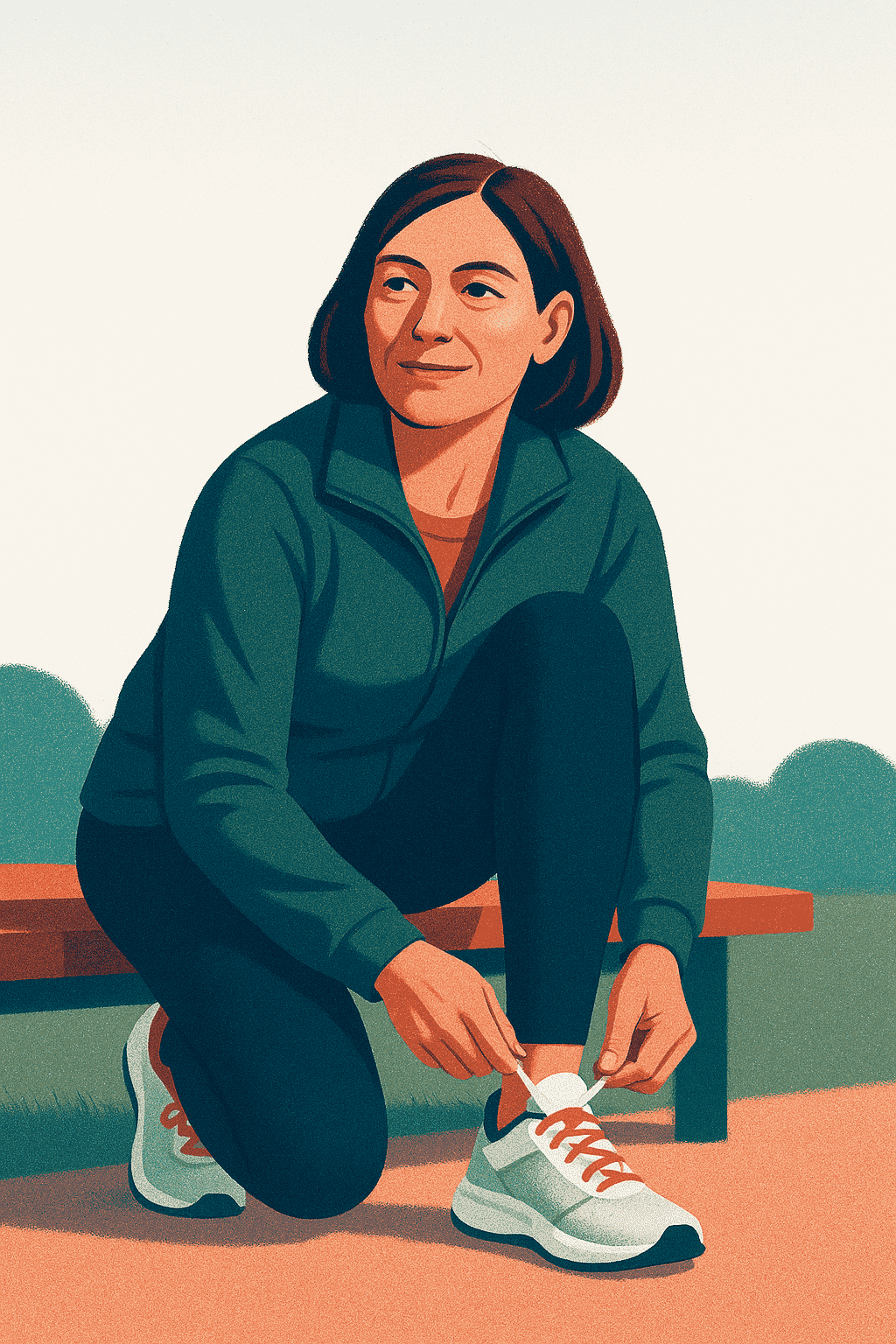
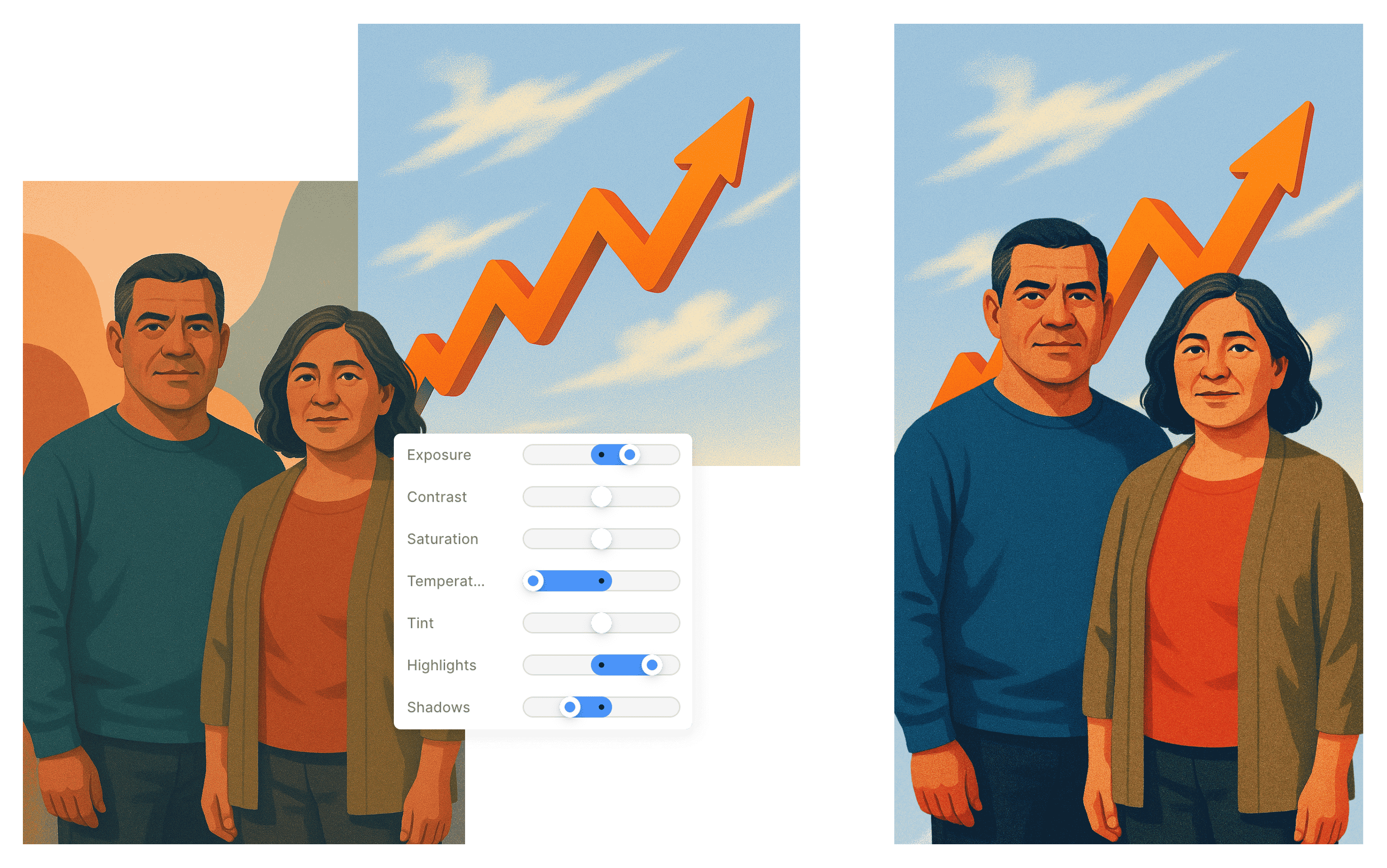
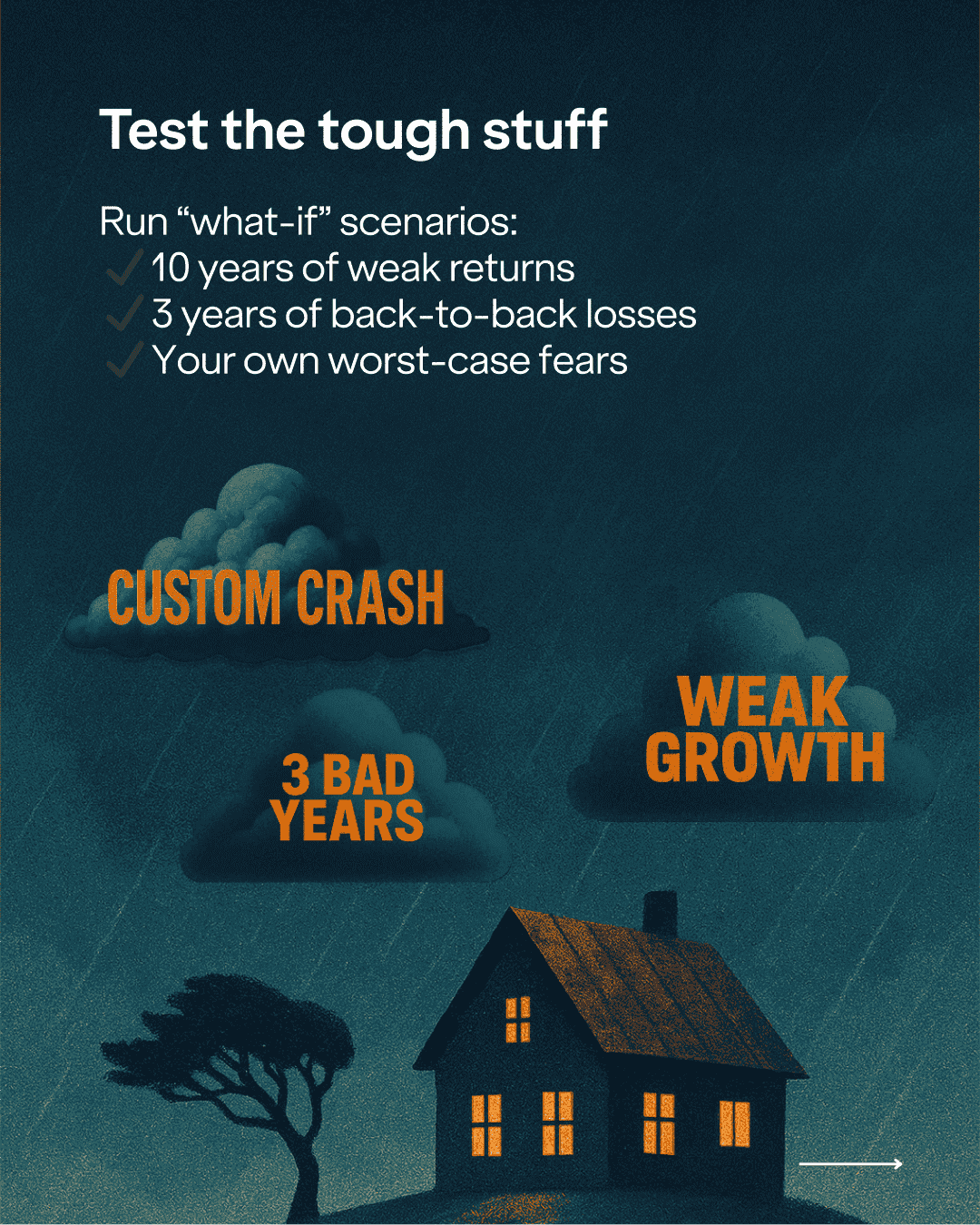
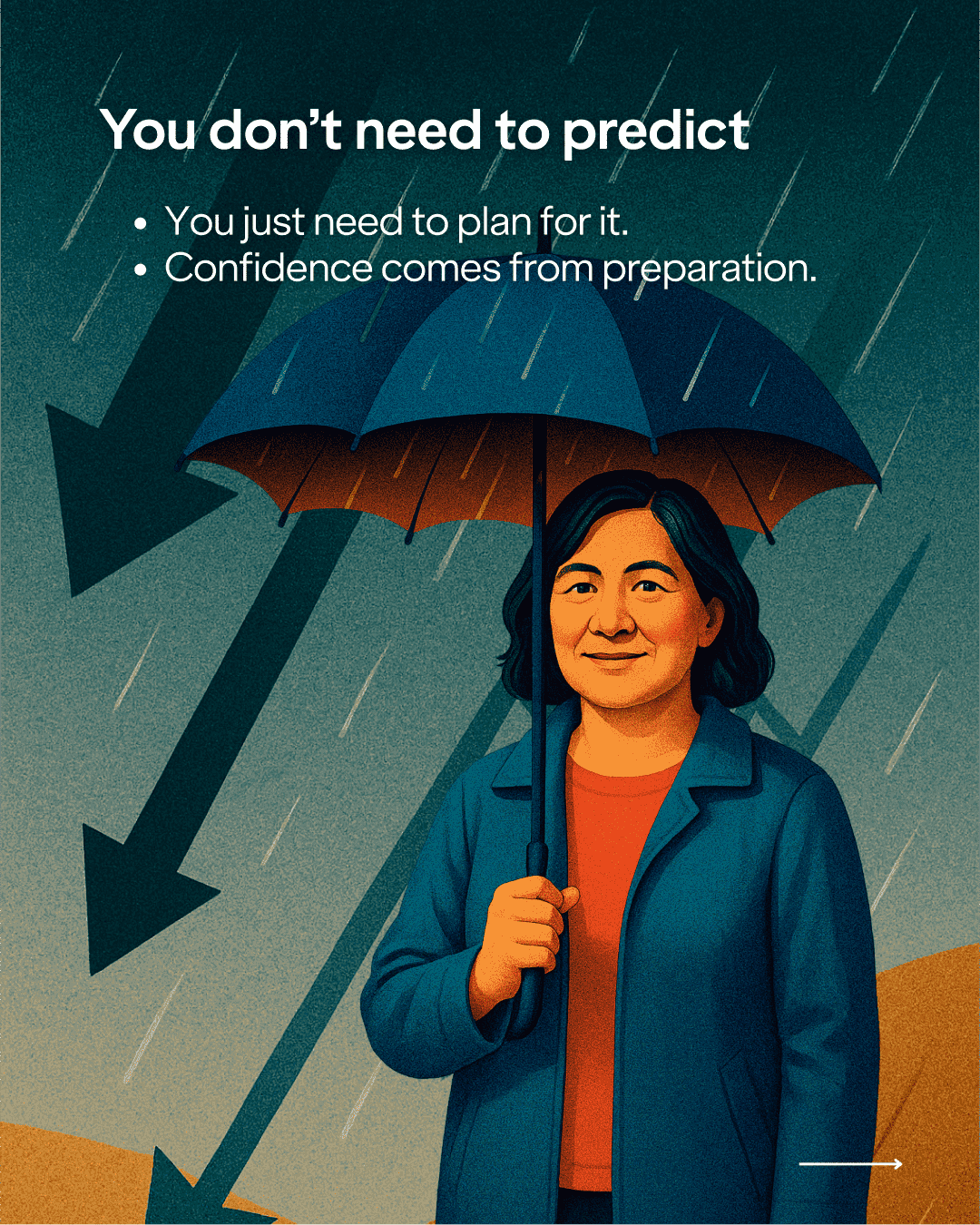
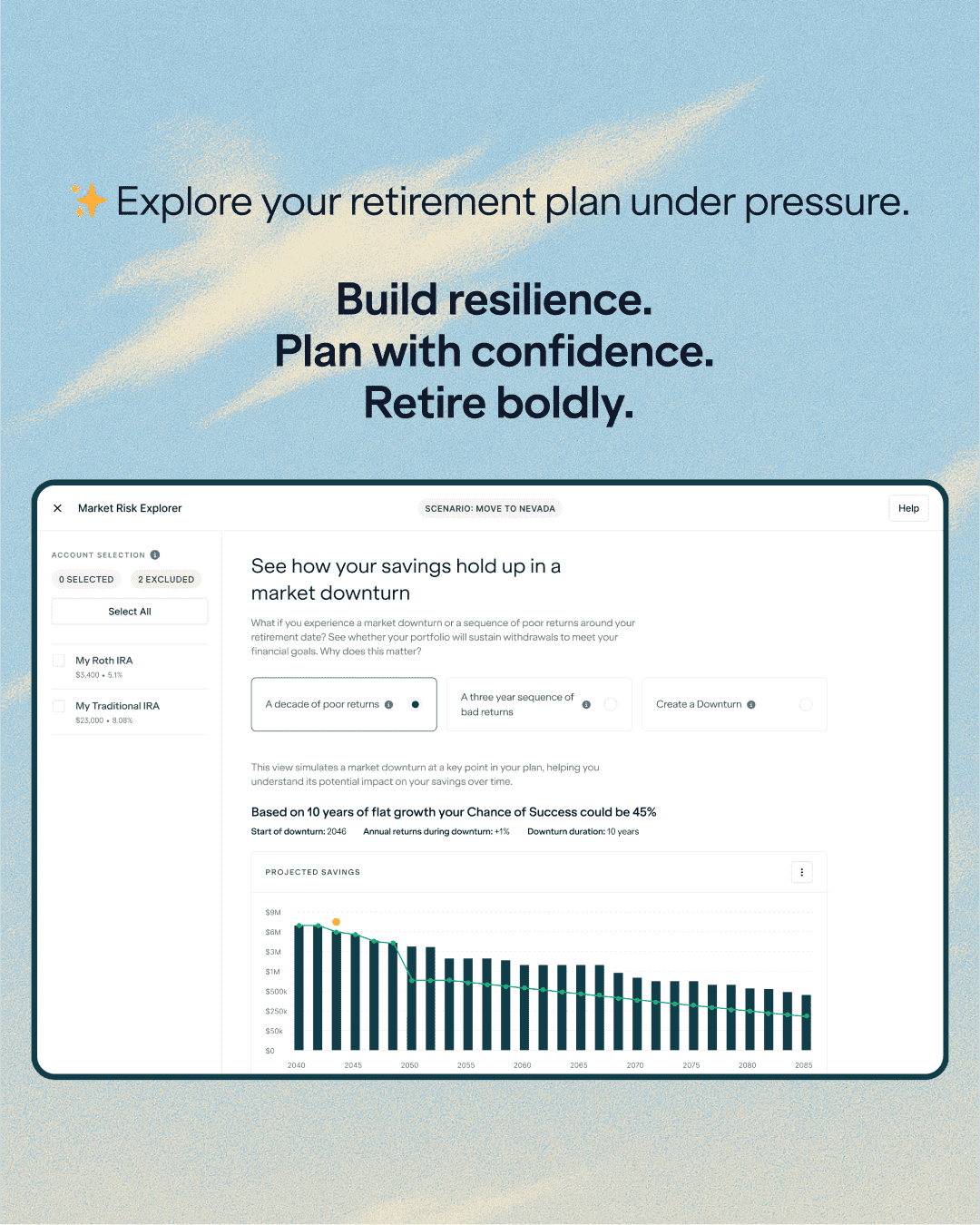
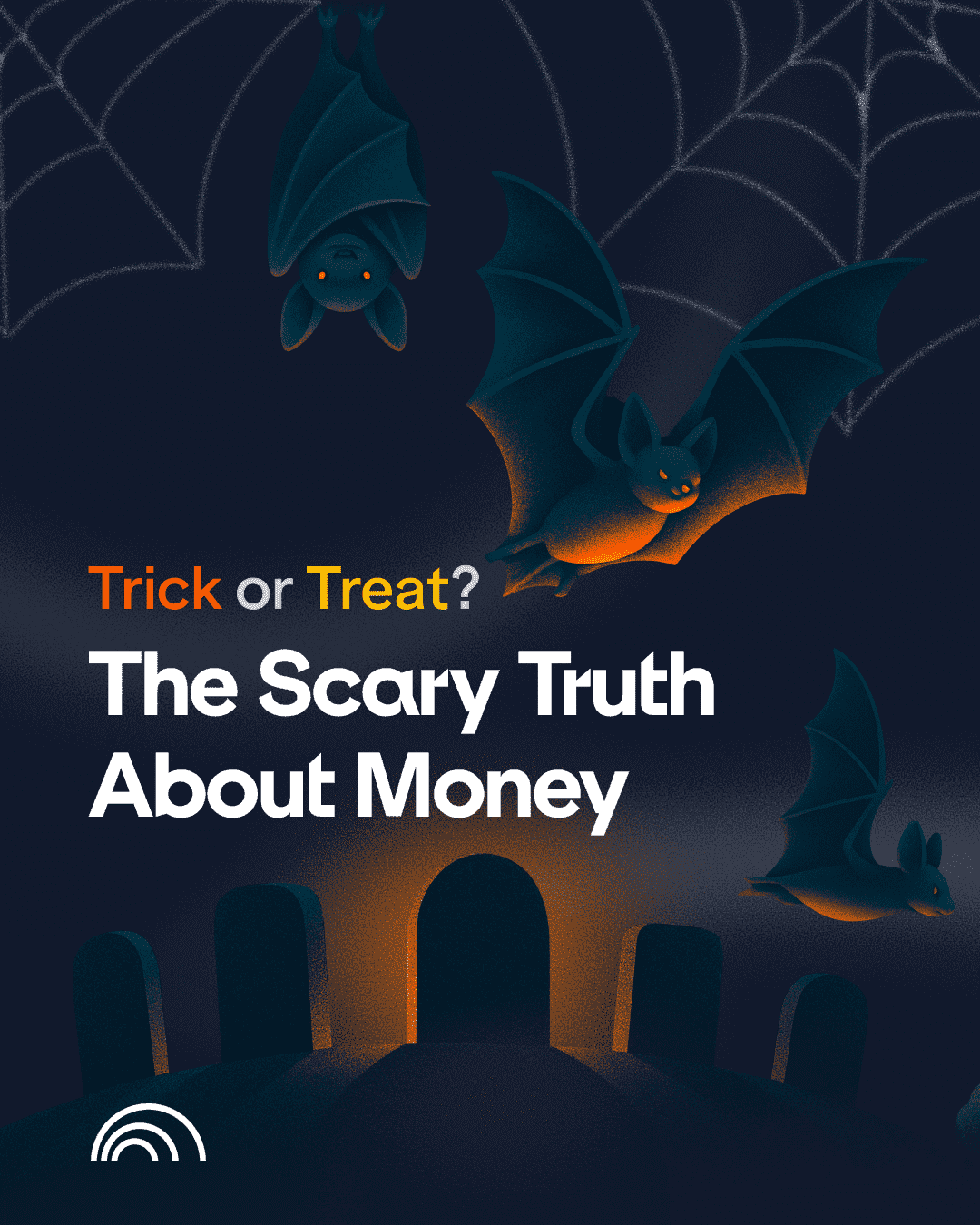
The output still required significant post editing to improve color balance, saturation, and composition.
Editing required
Continued testing
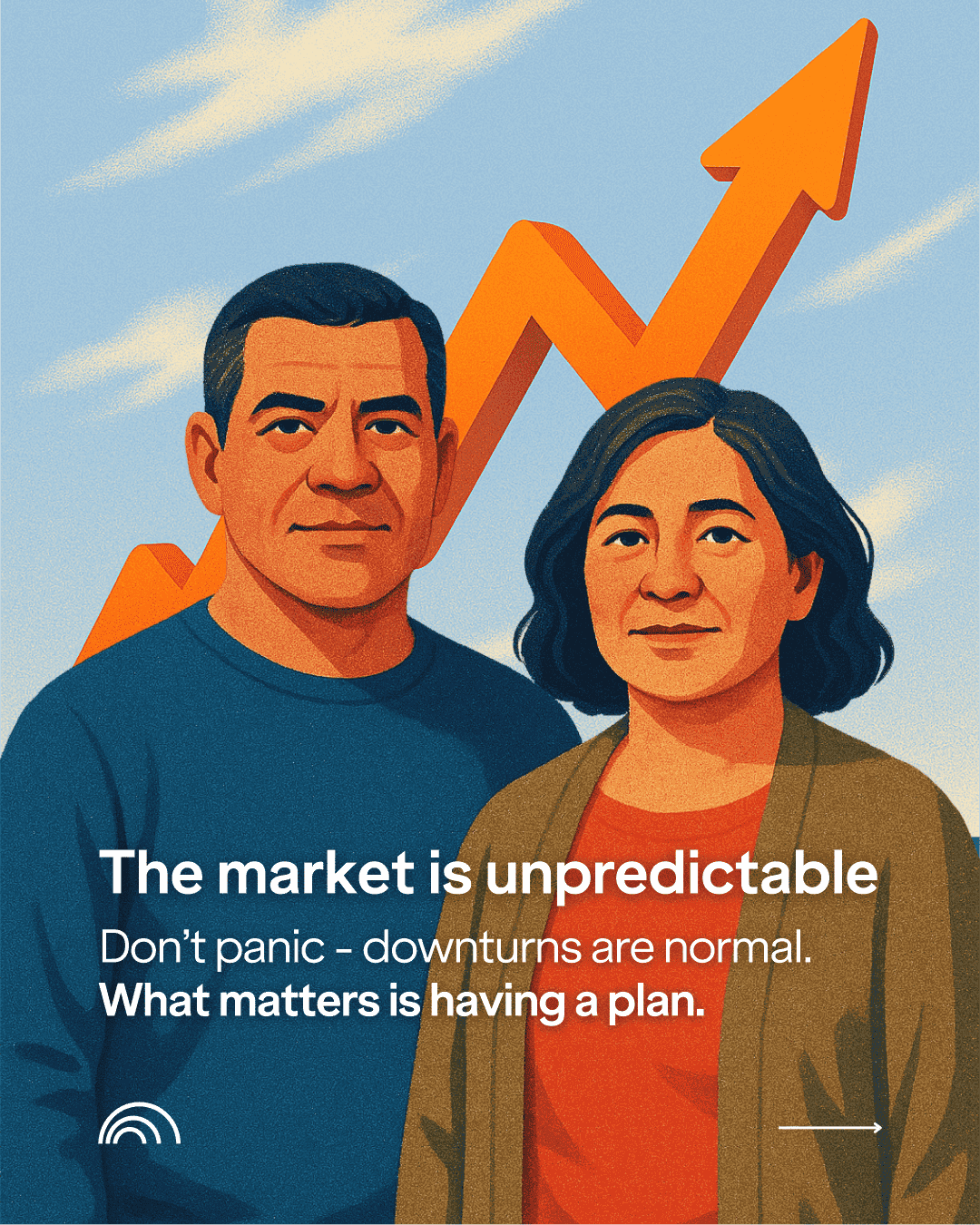
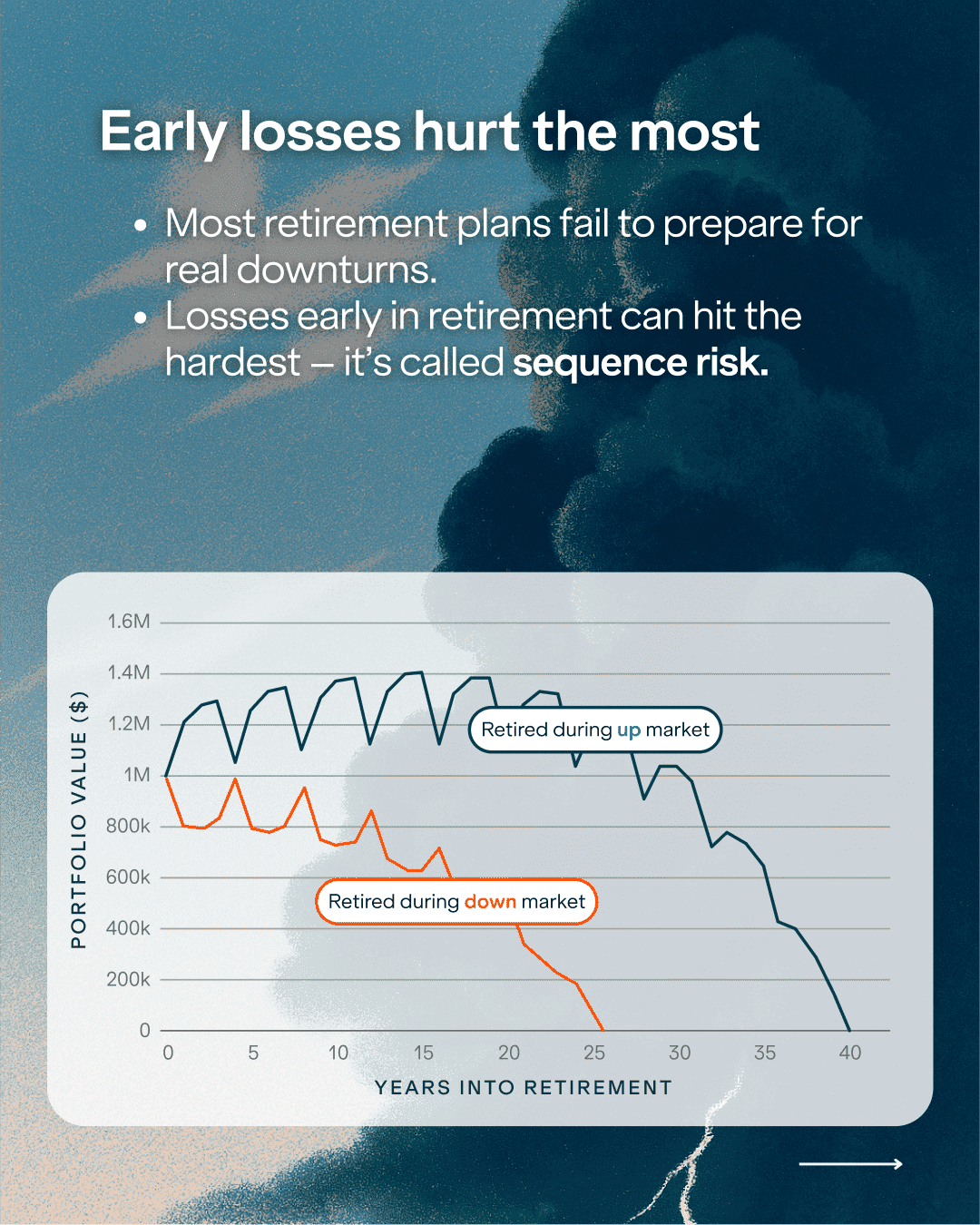
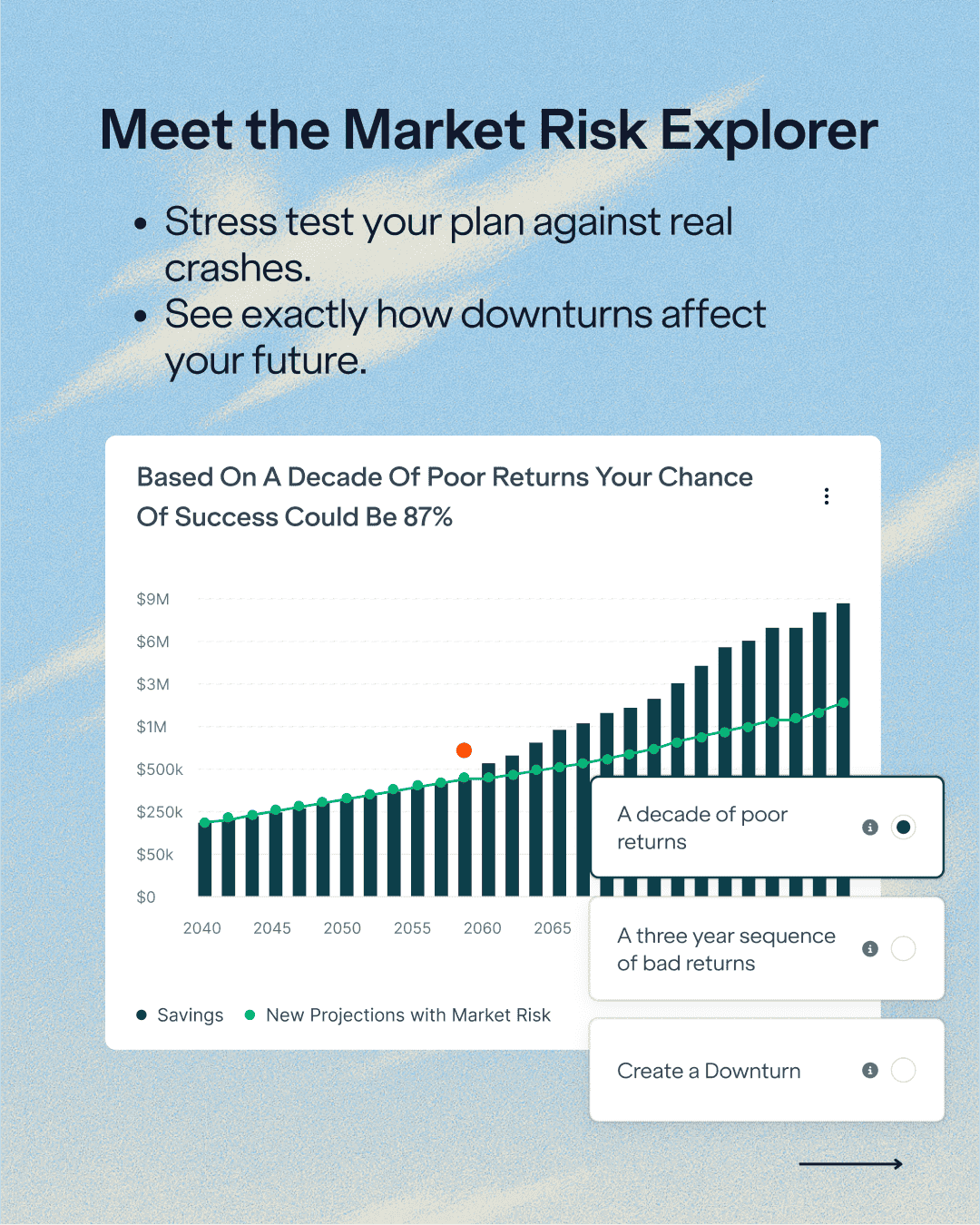
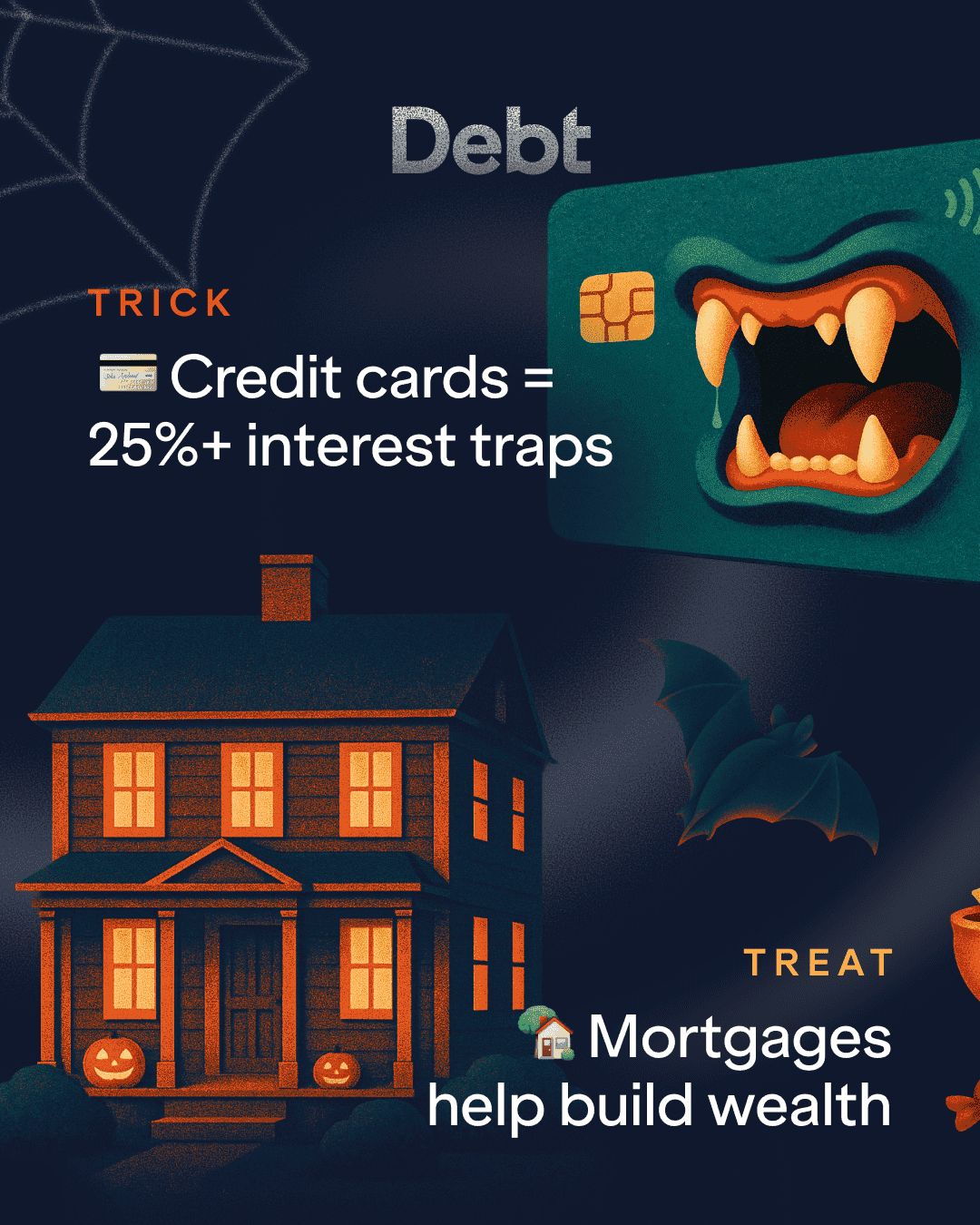
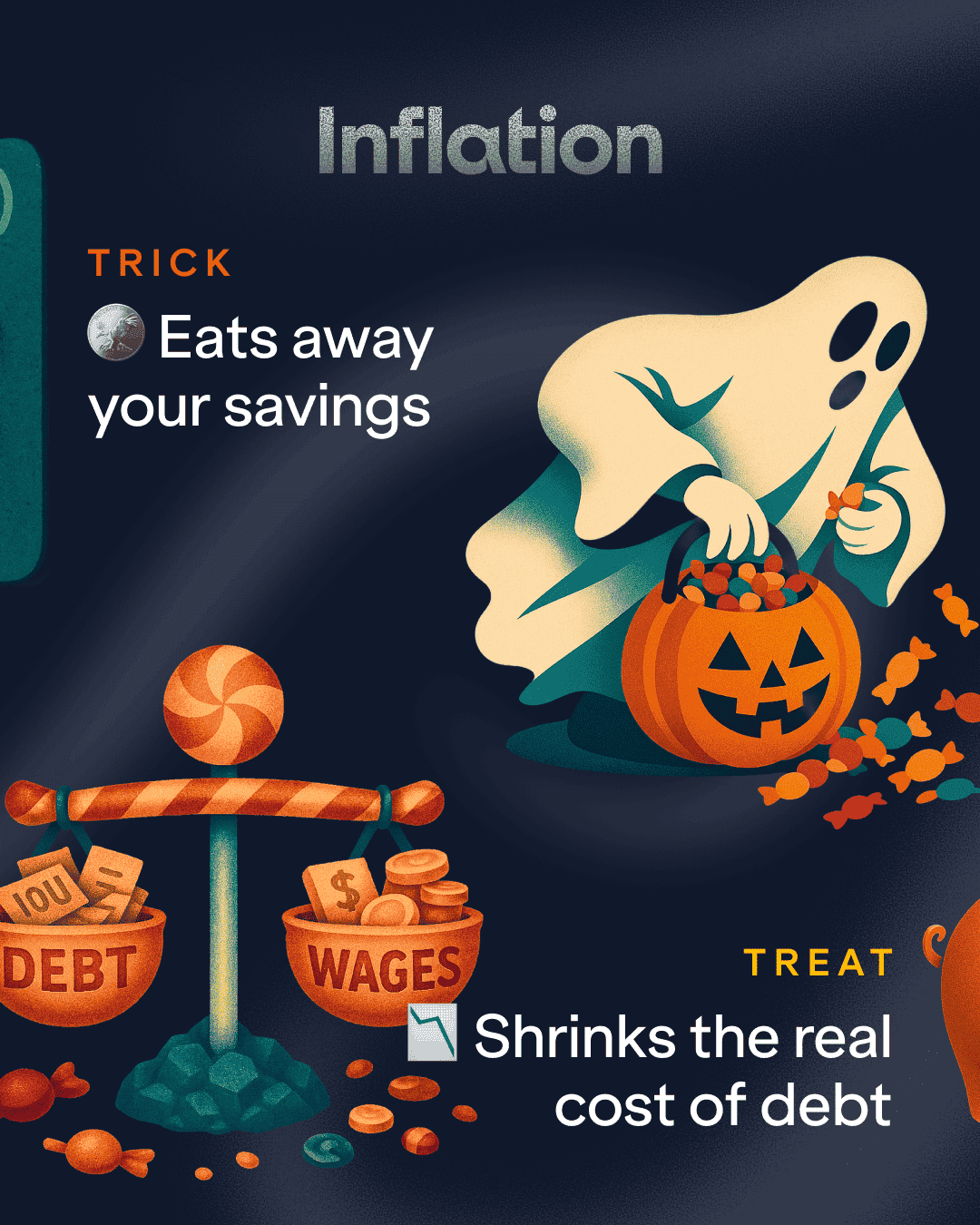
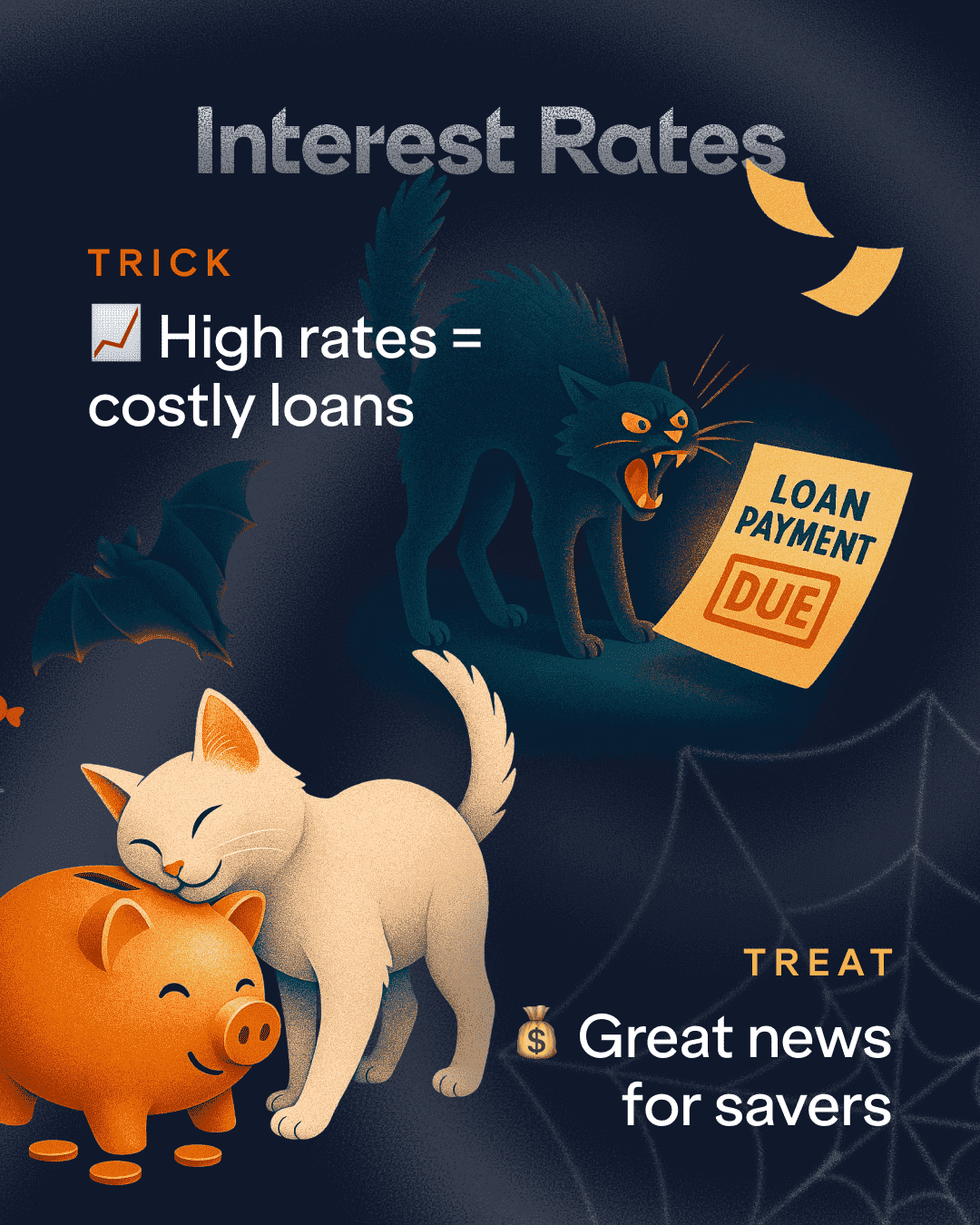
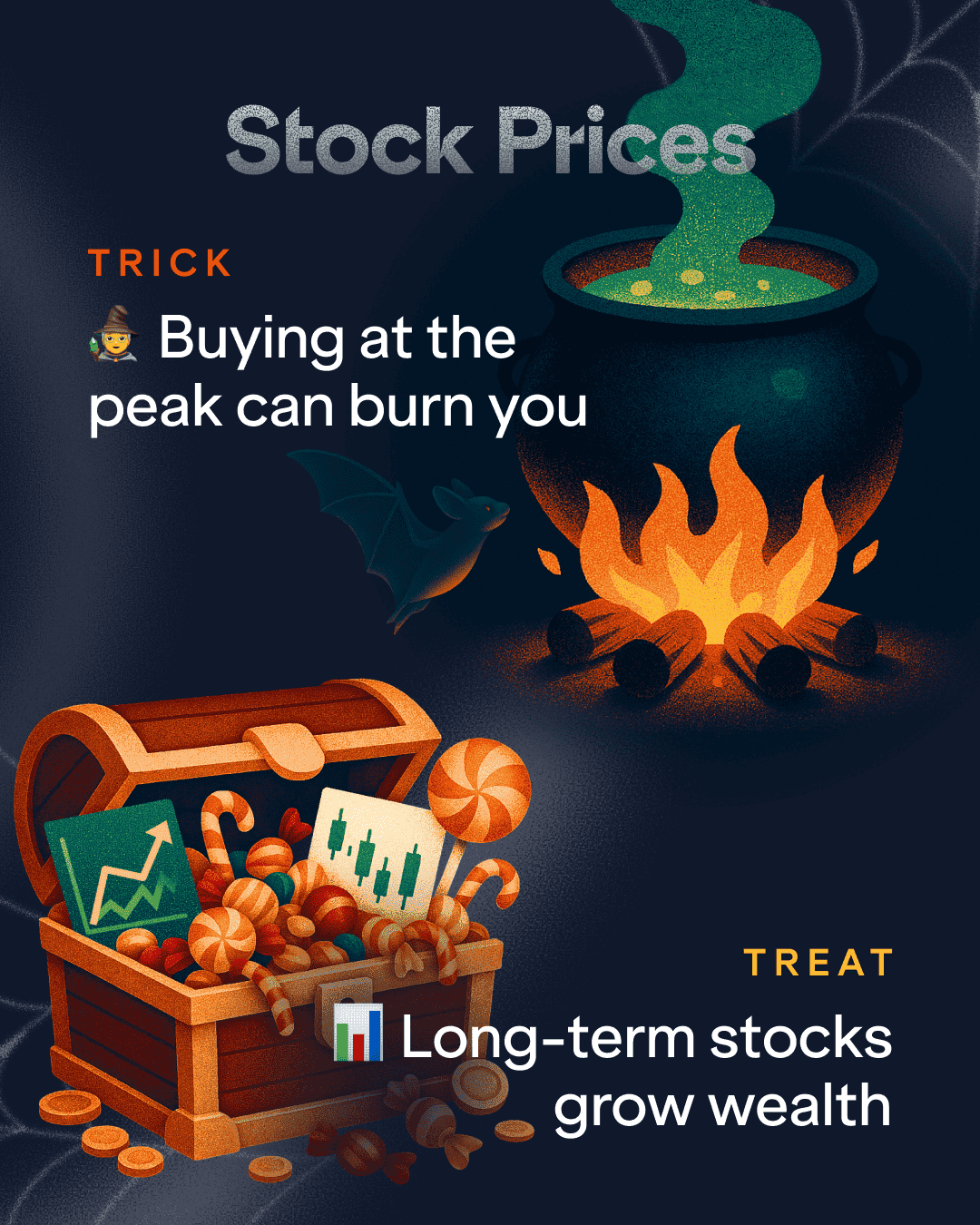
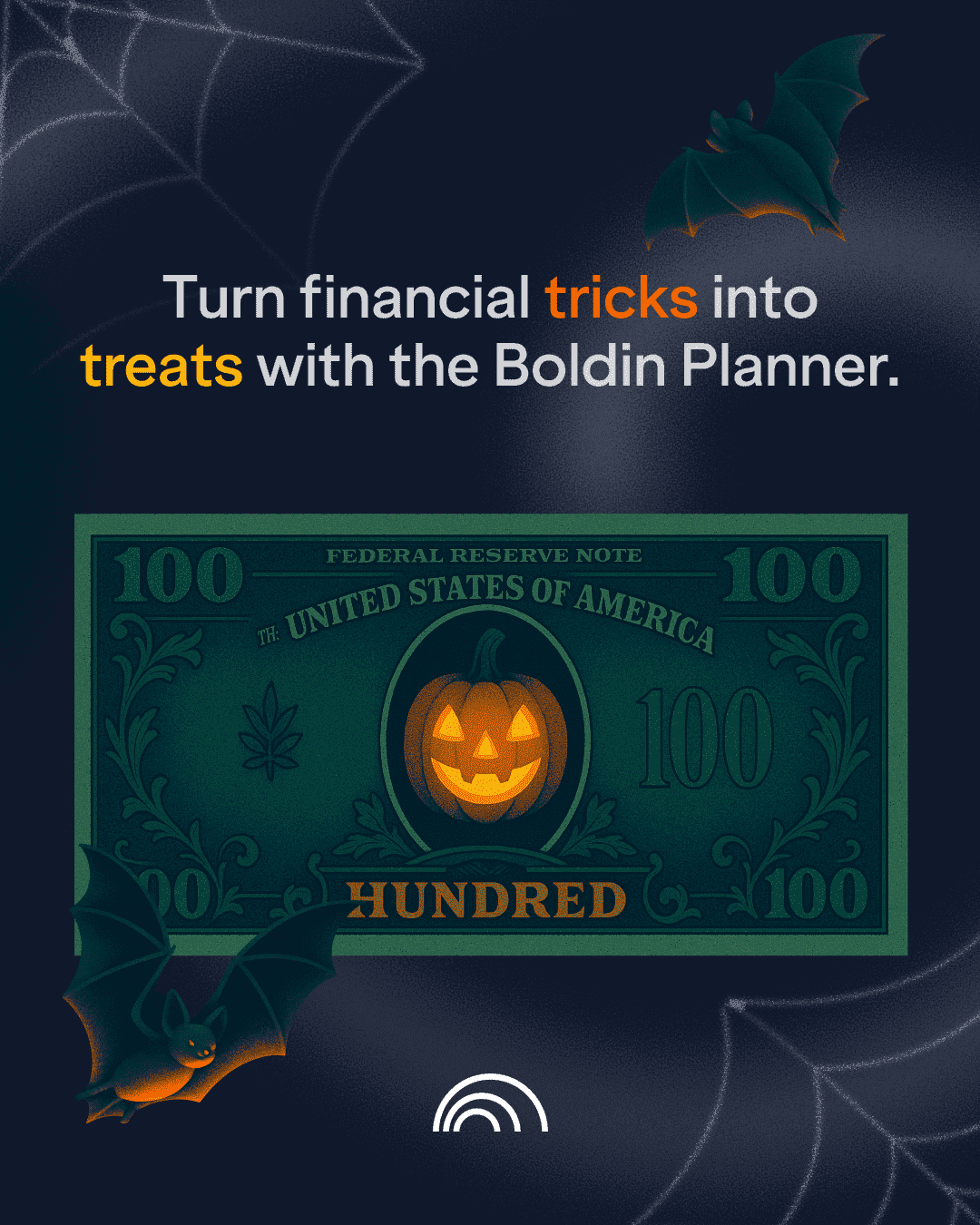
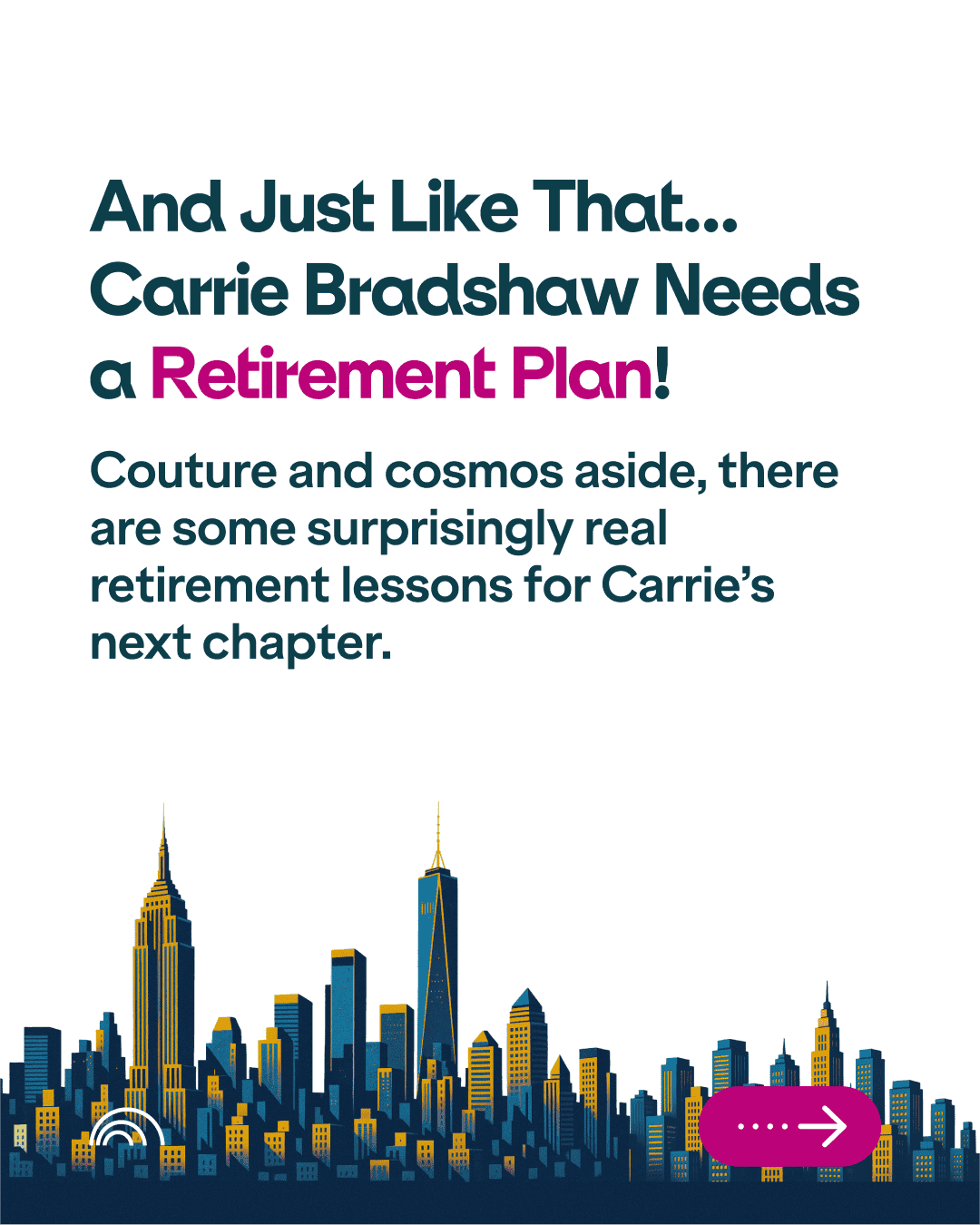
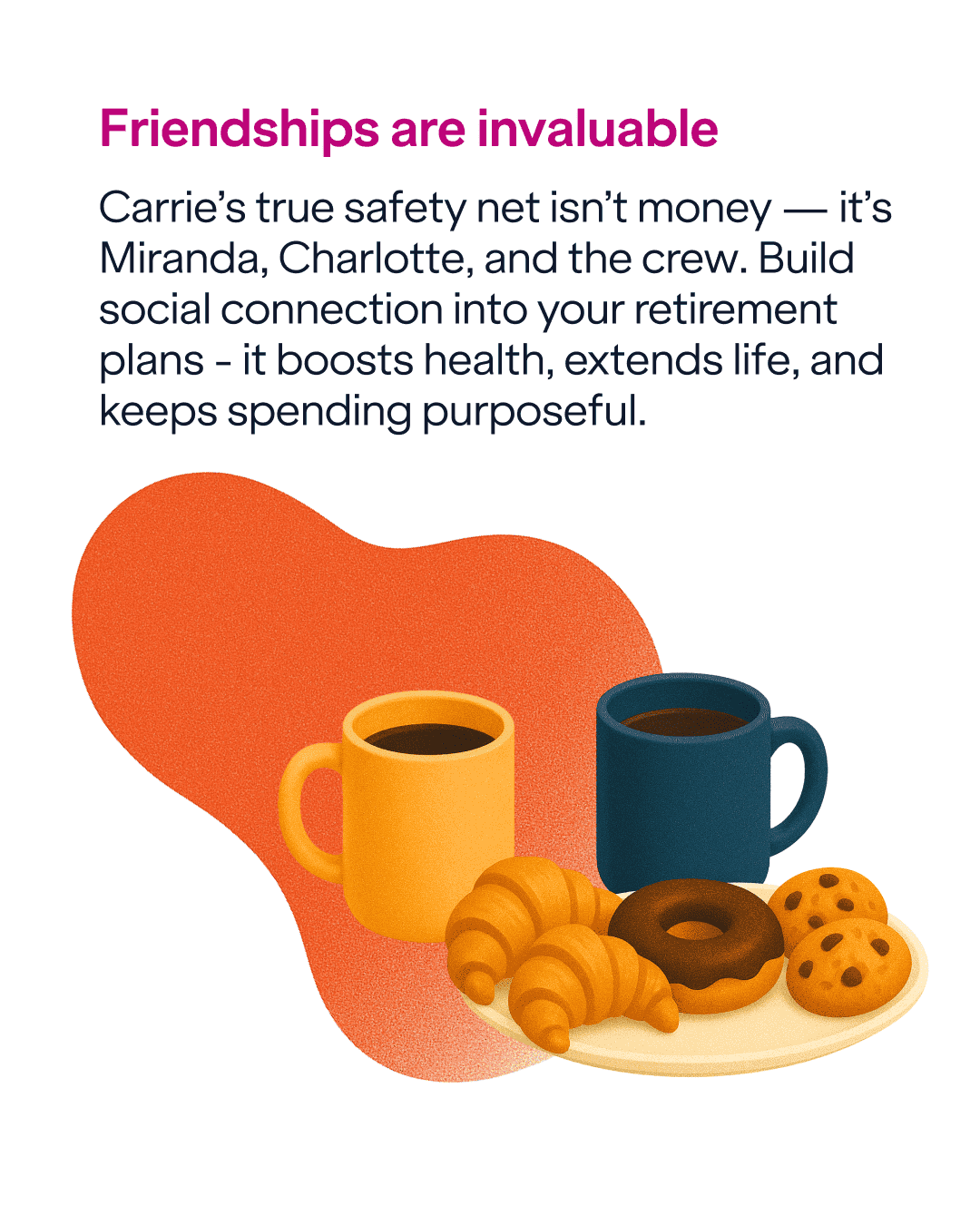
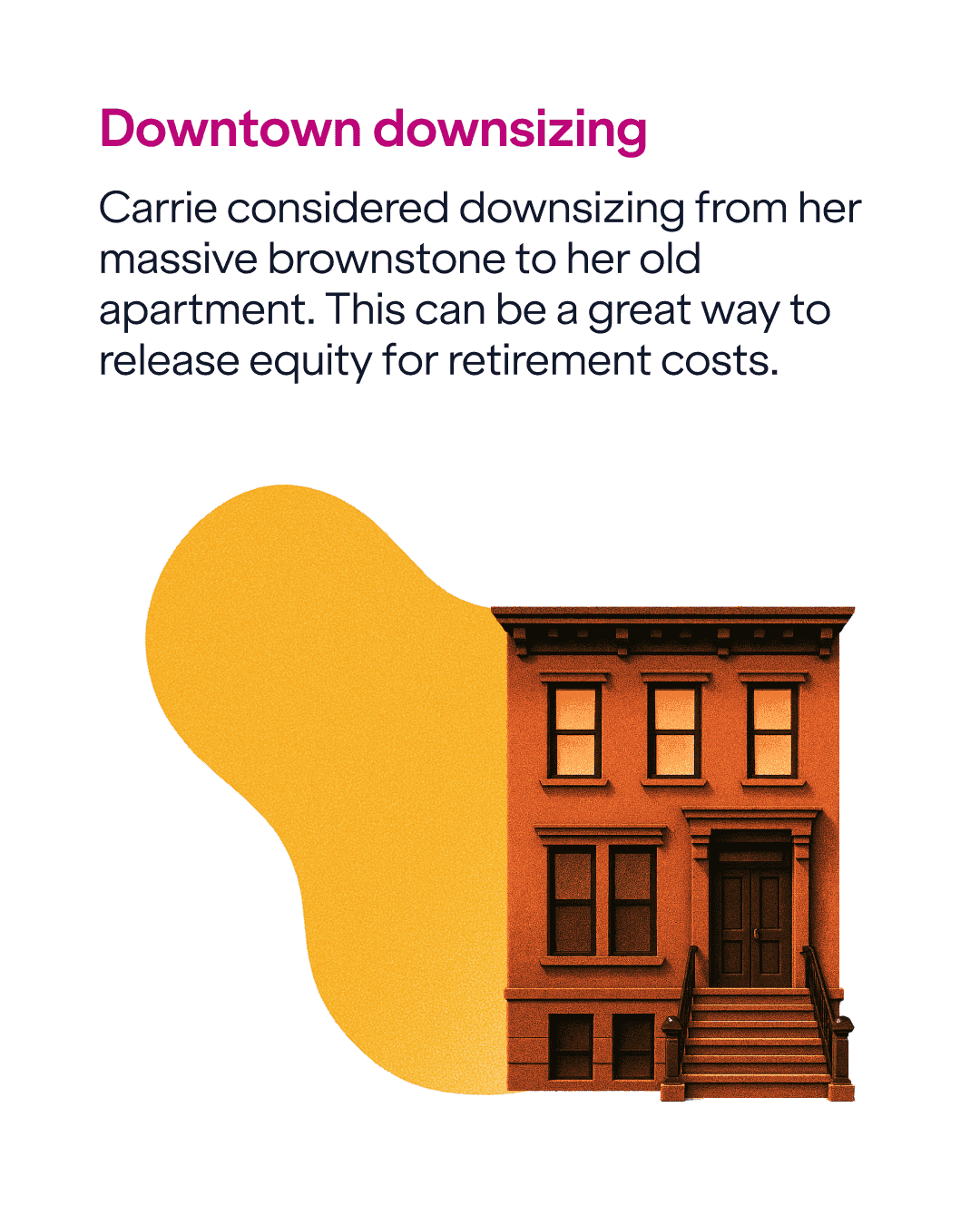
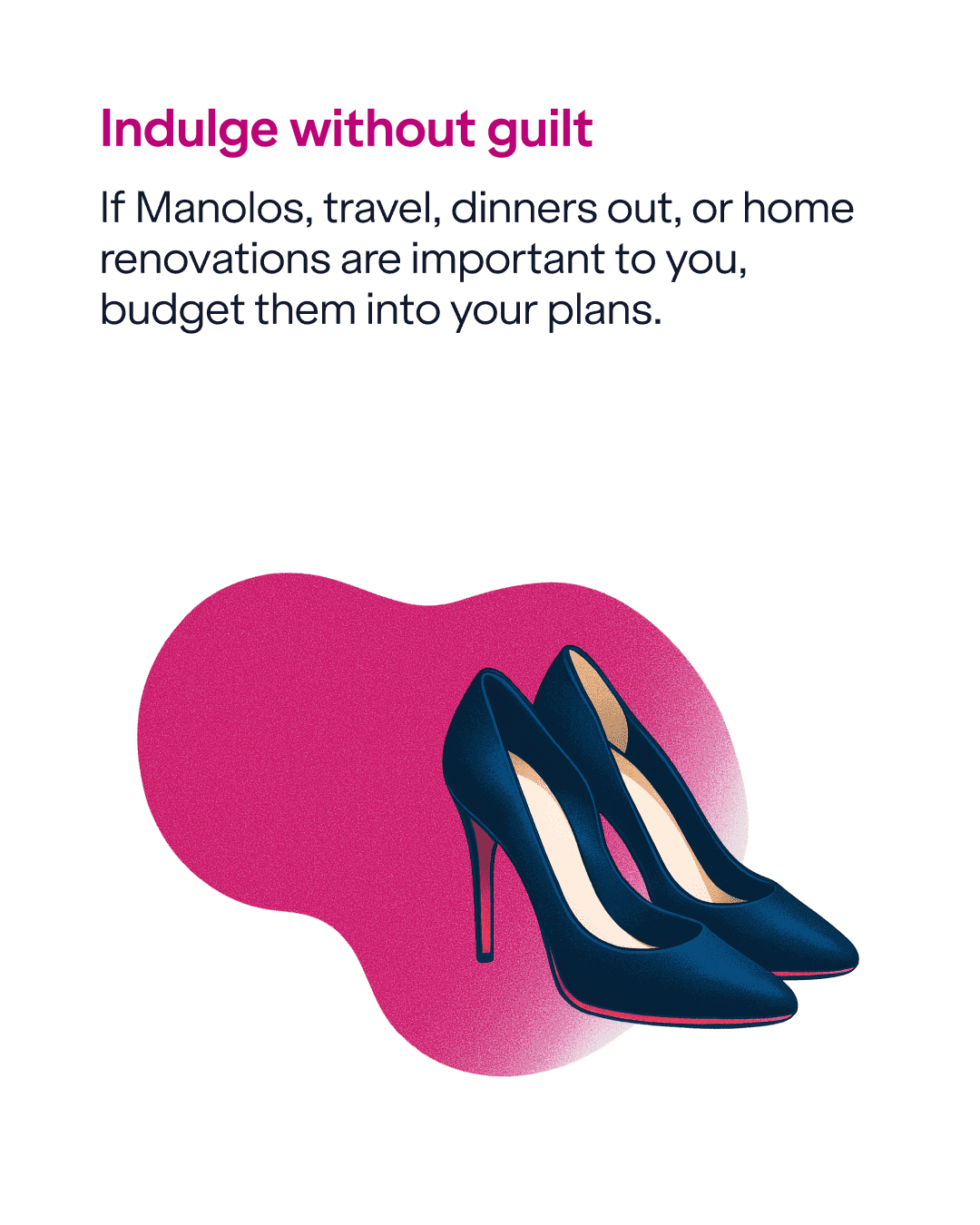
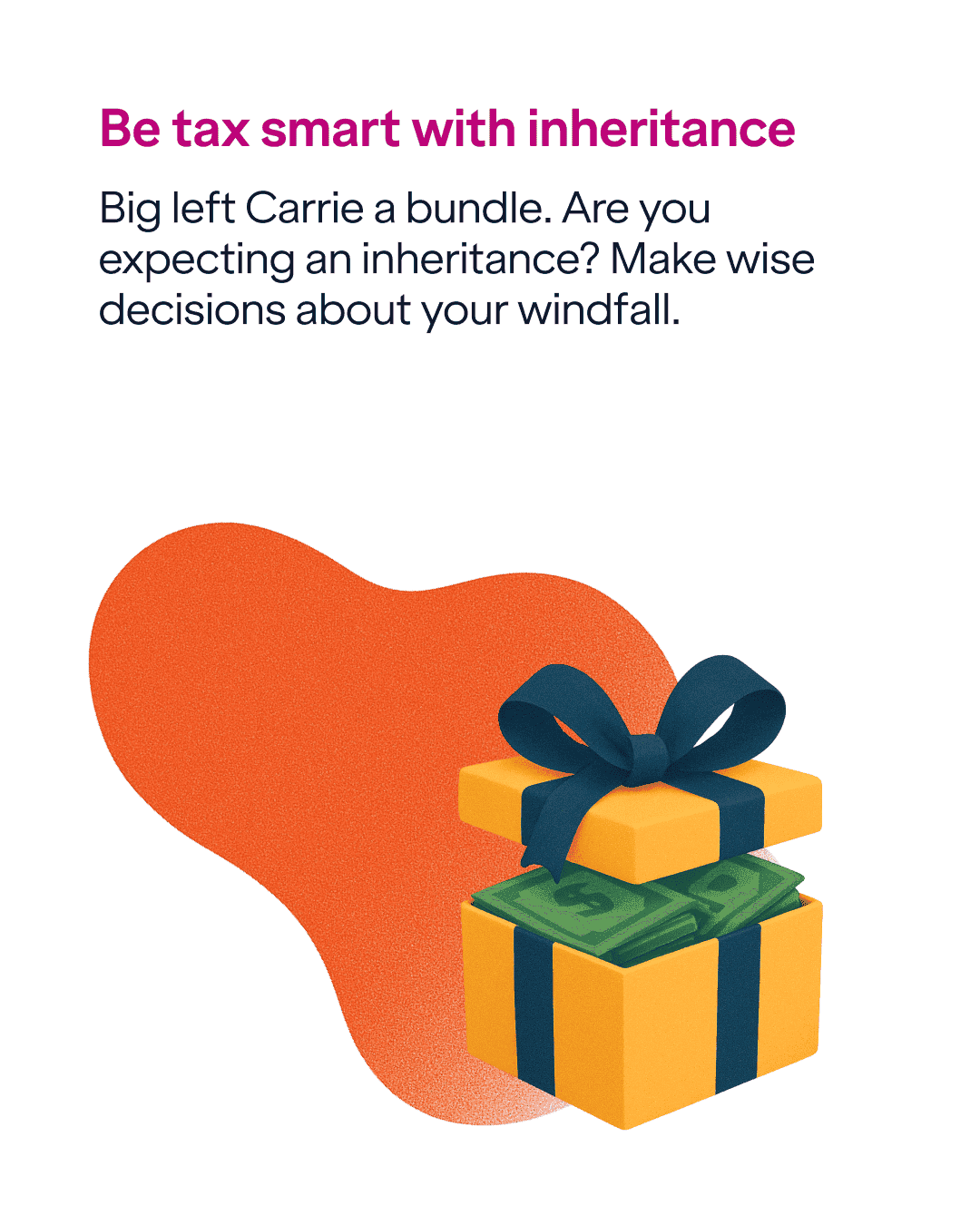
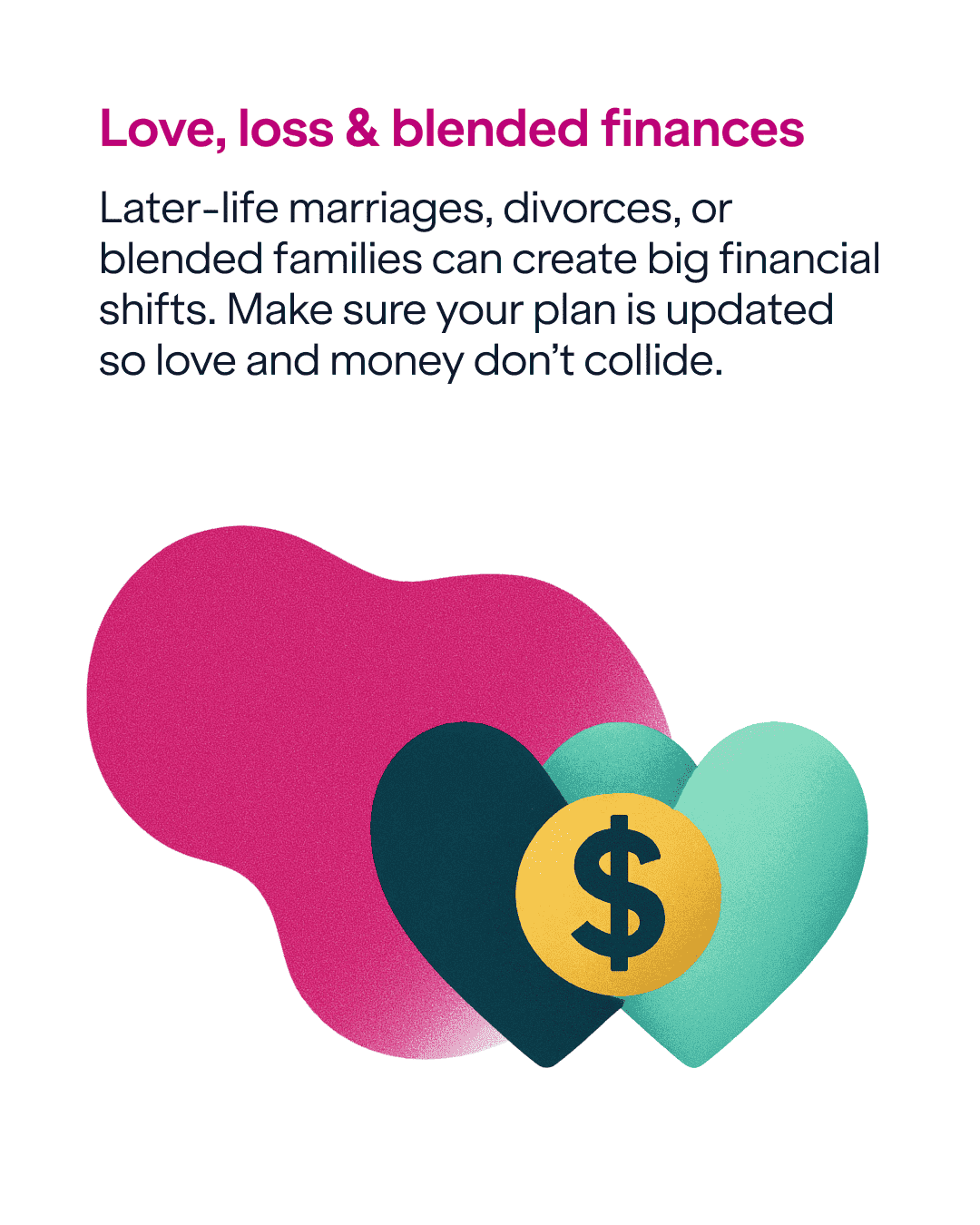
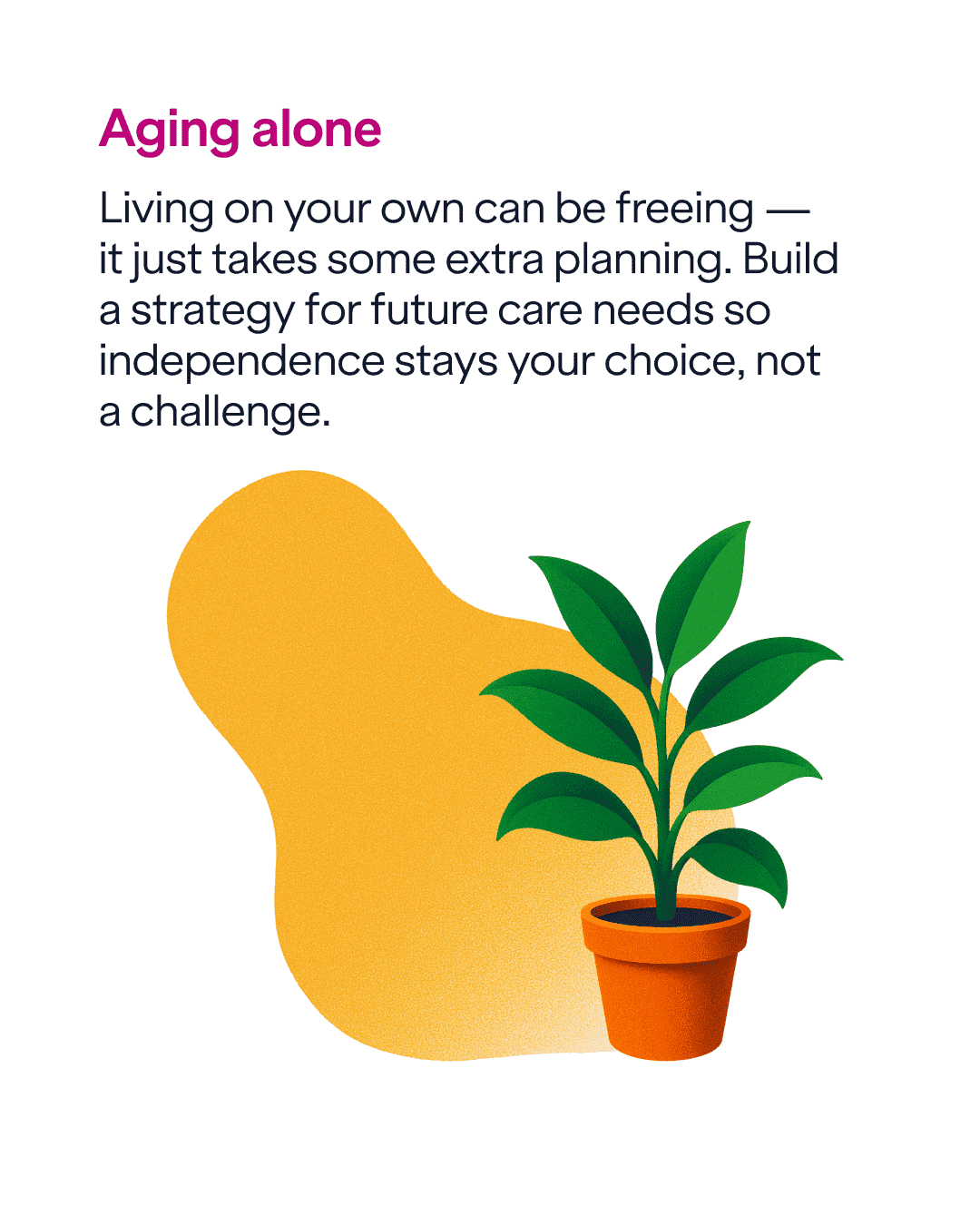
After this round of testing we had identified that illustrated posts were served 2X more than posts without illustrations.
Refining for ChatGPT 5.2
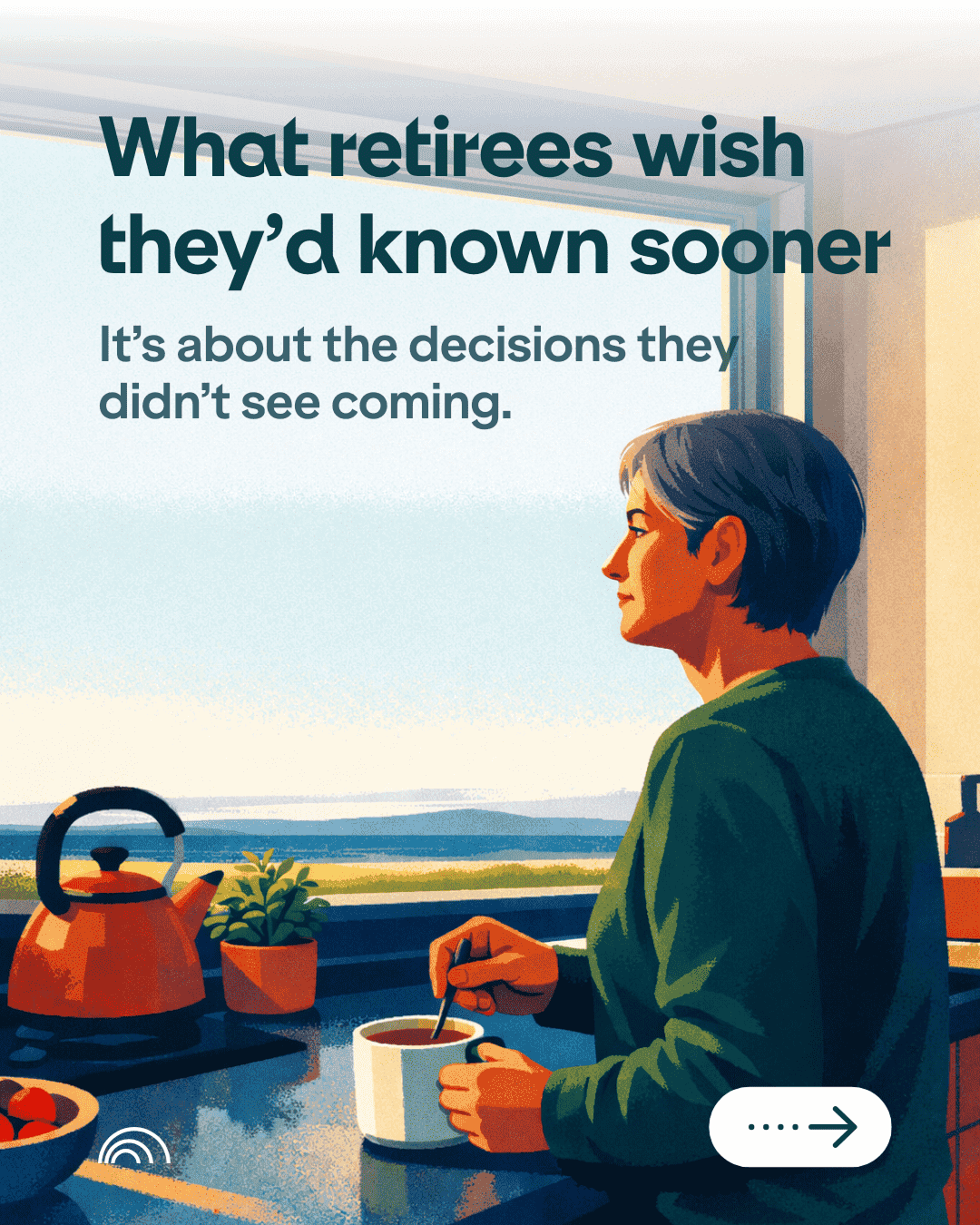
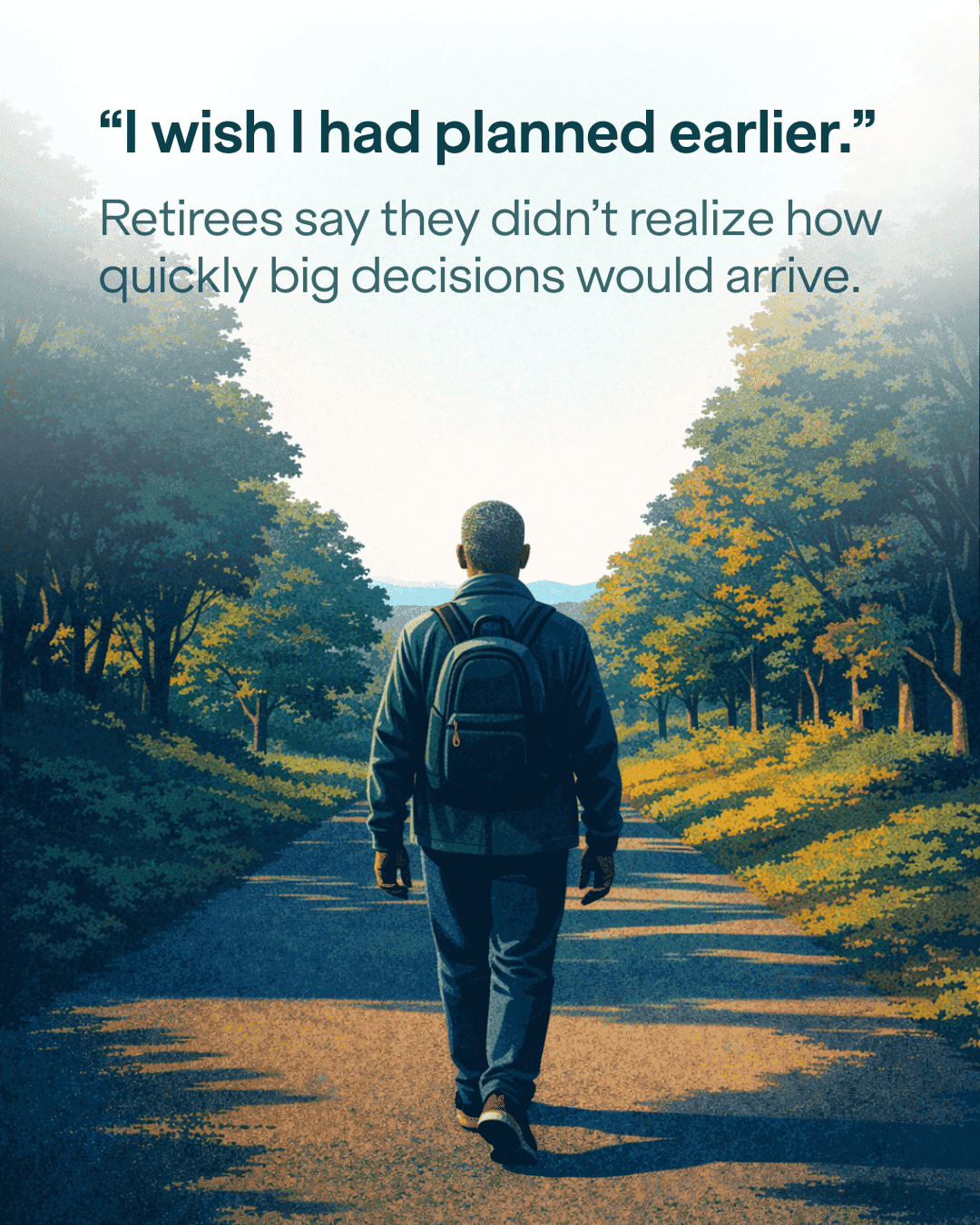
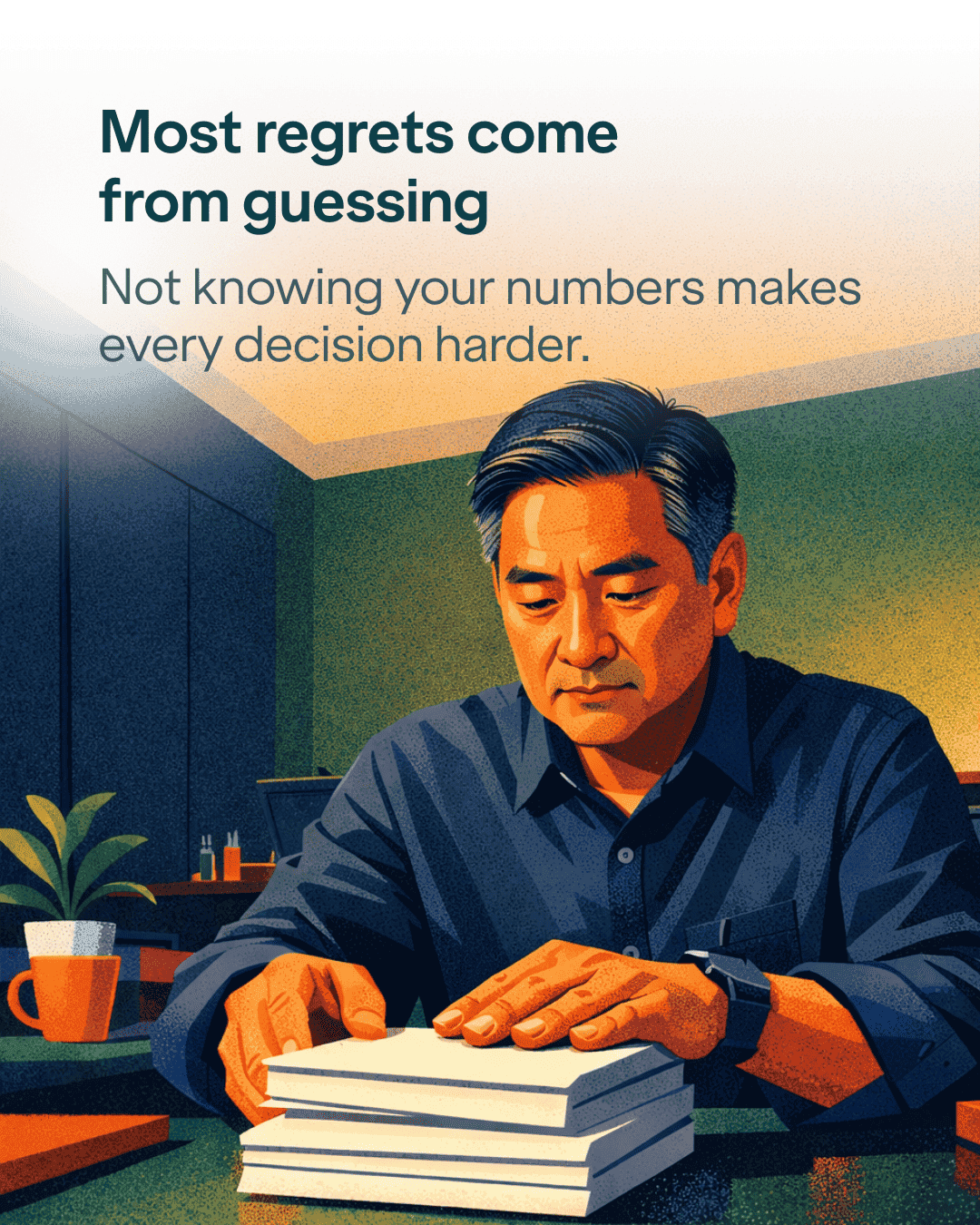
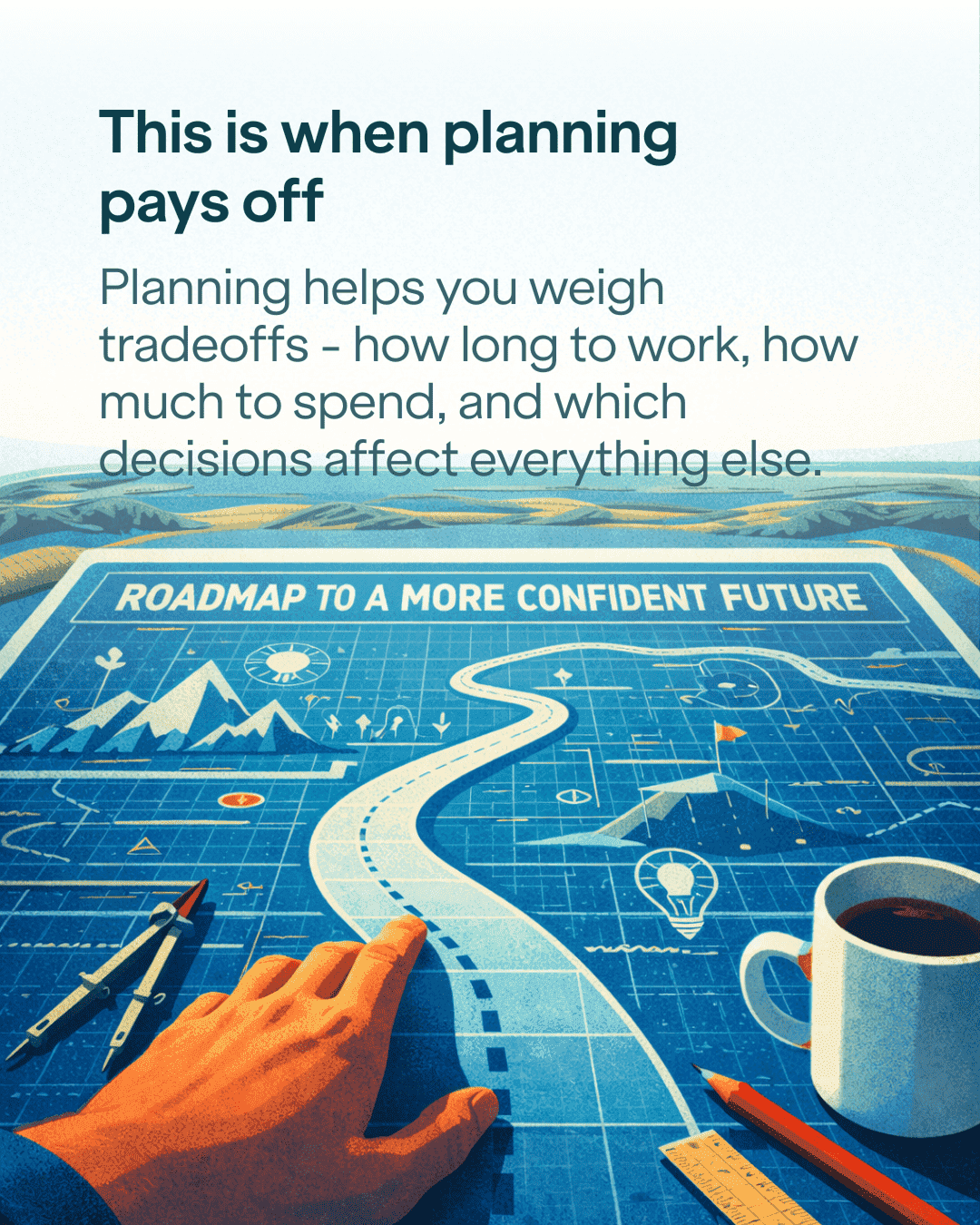
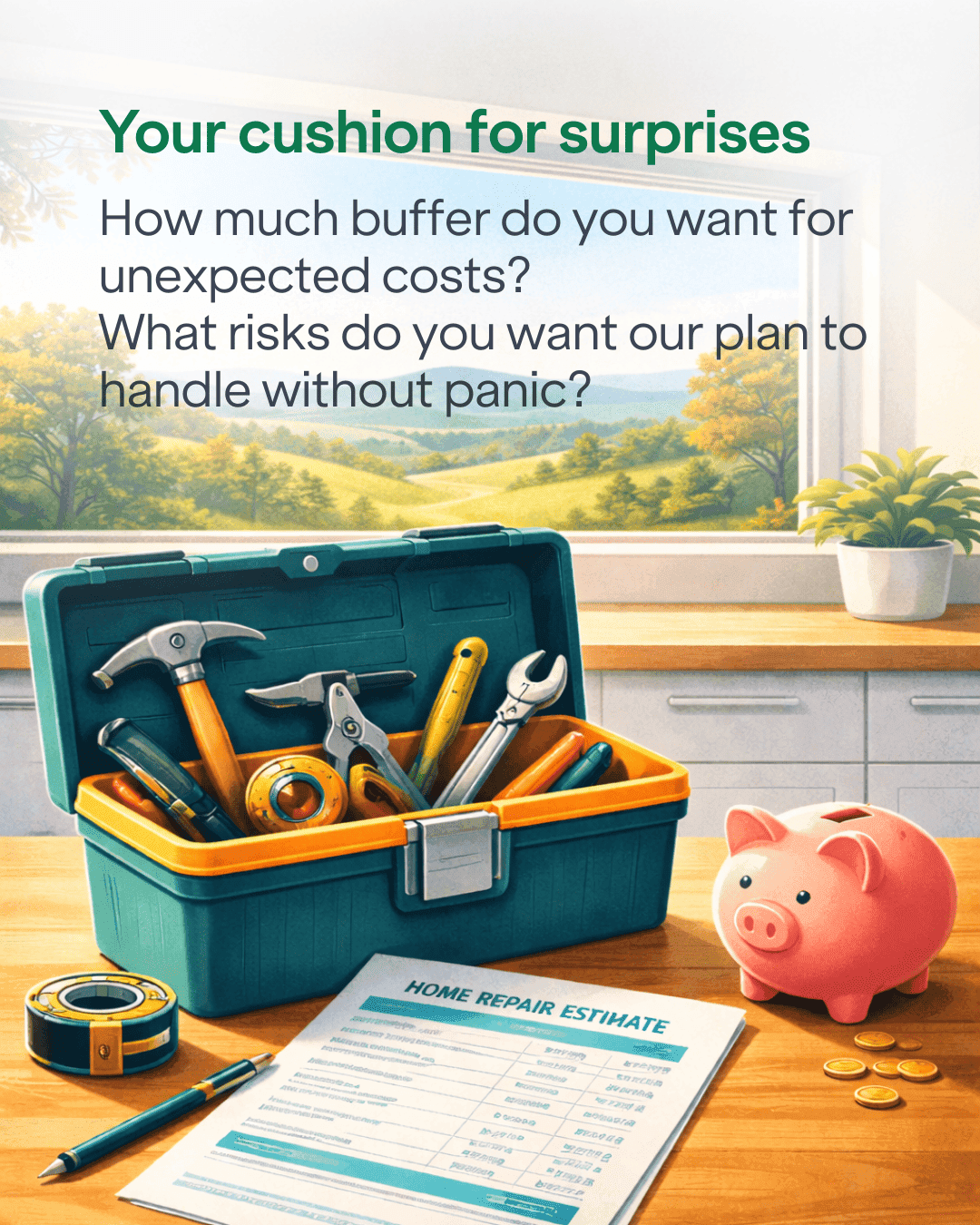
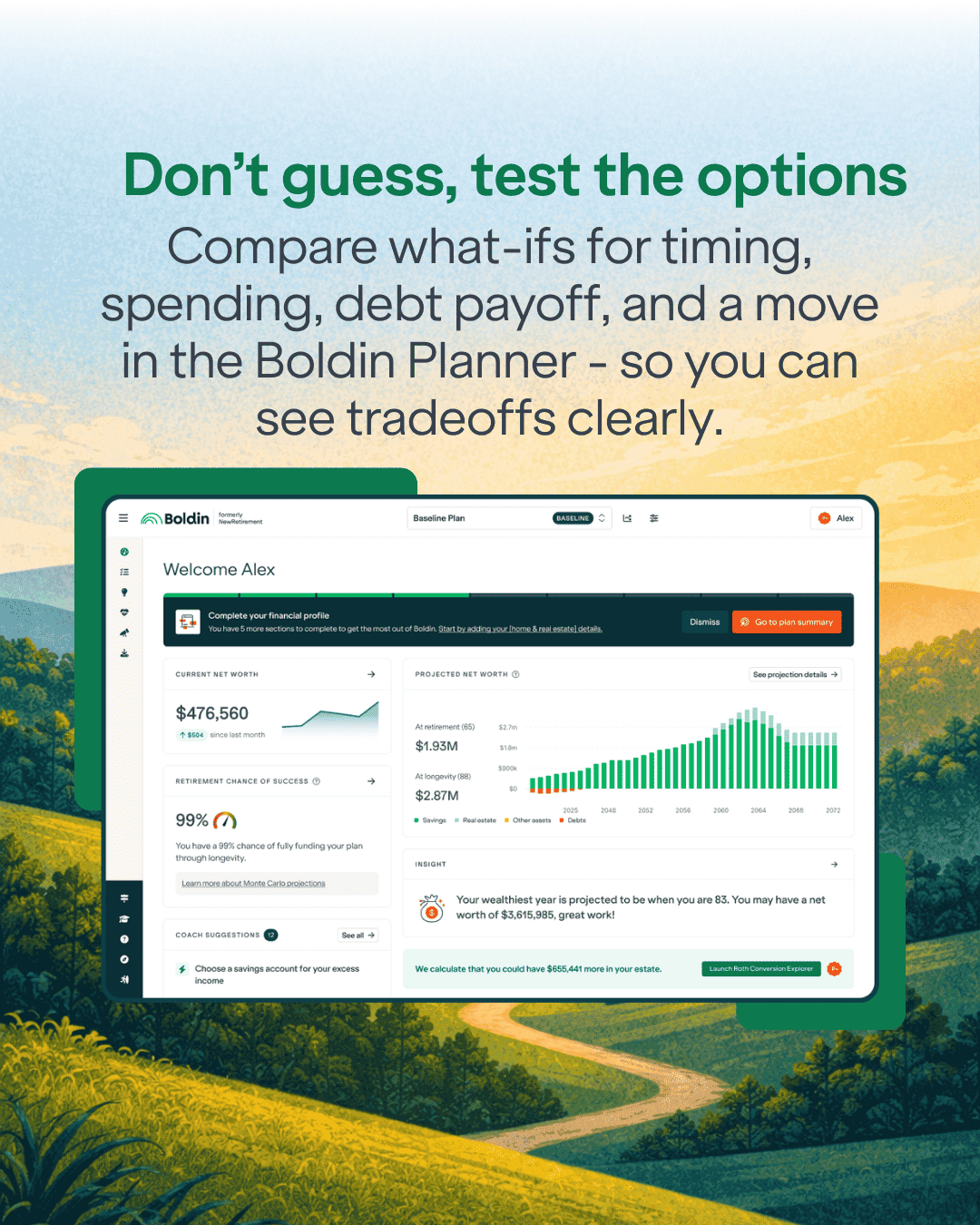
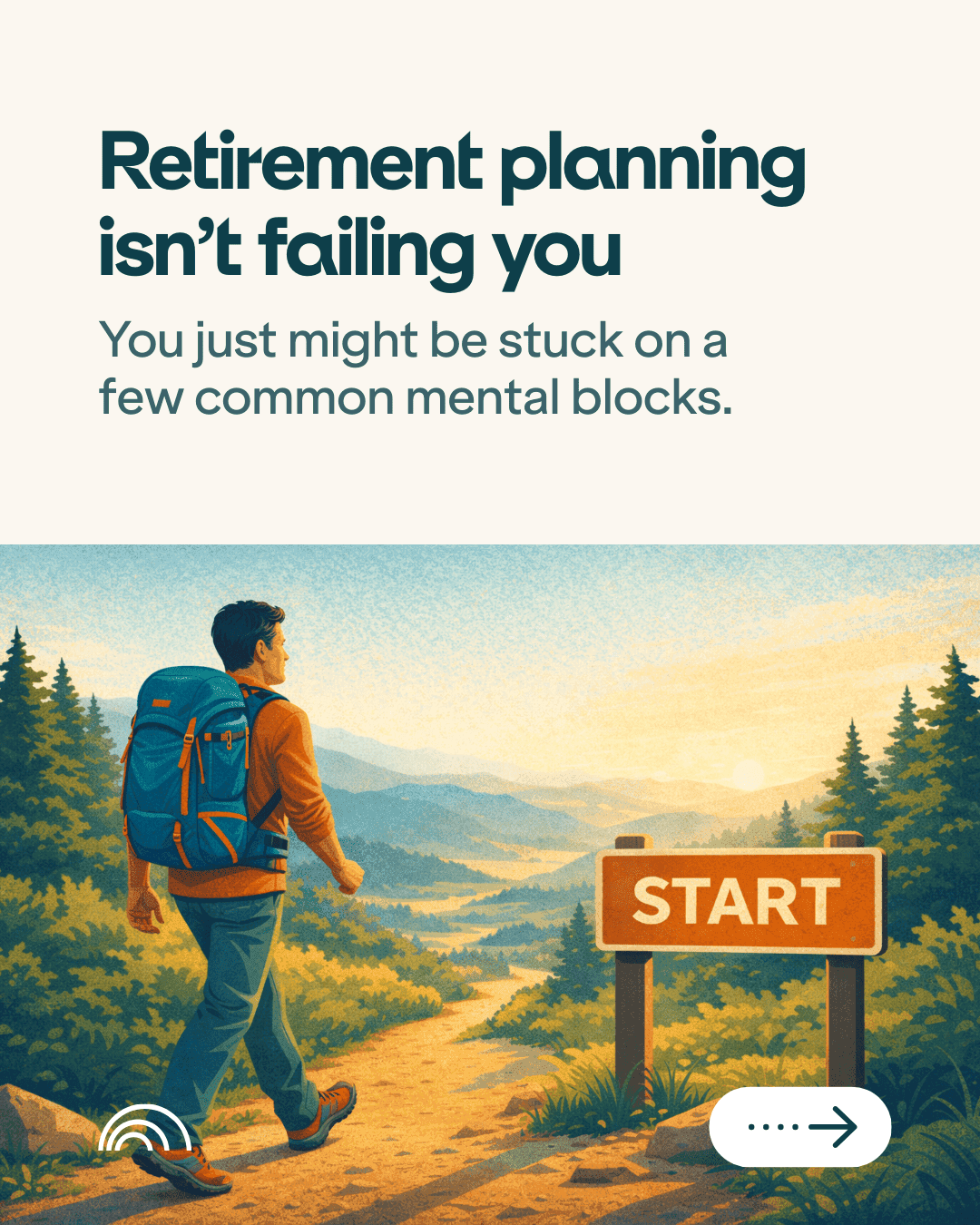
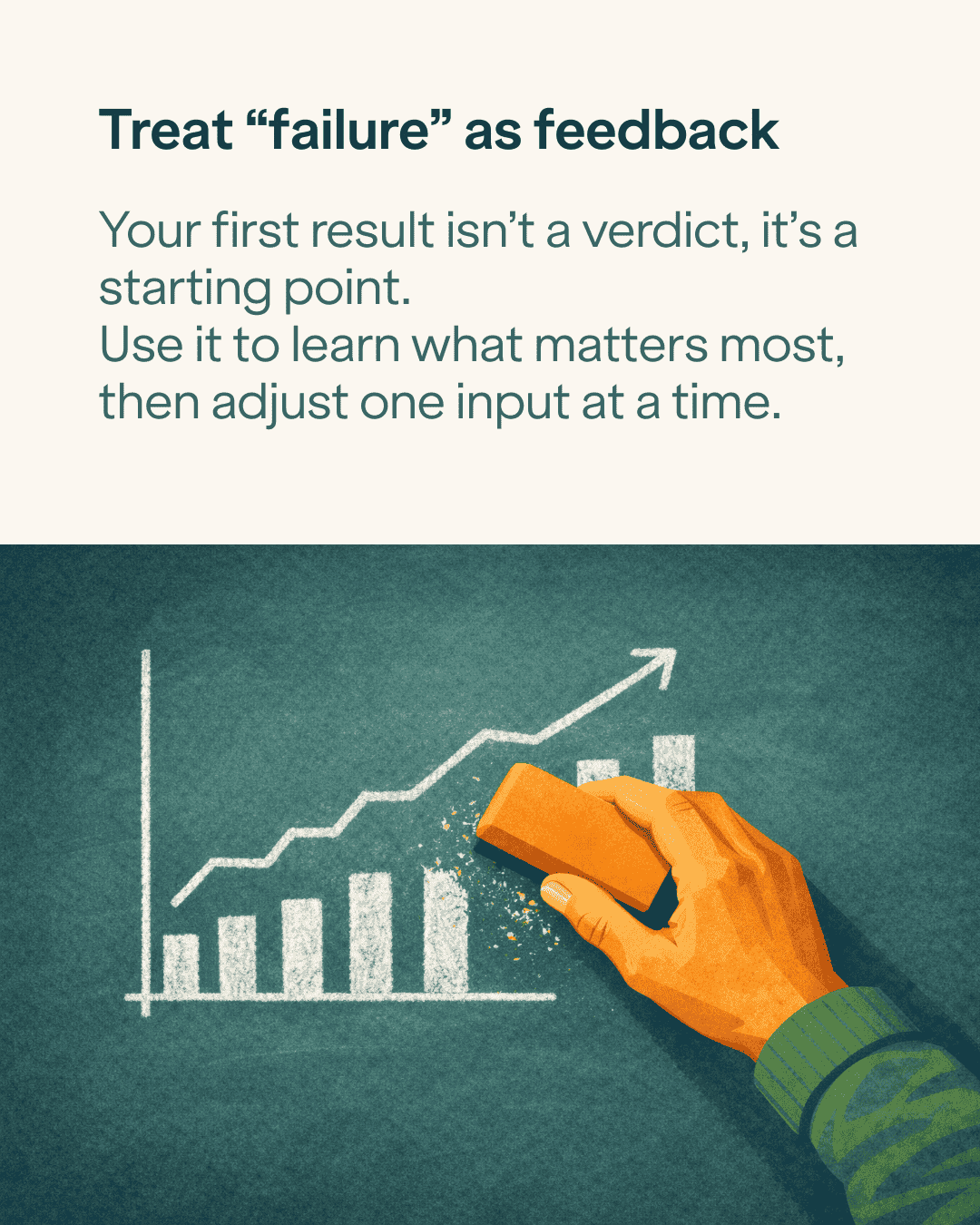
When ChatGPT 5.2 released we noticed another massive drift to photorealism. Even when the prompt included words like “illustration” the output was drastically different than our goal style.
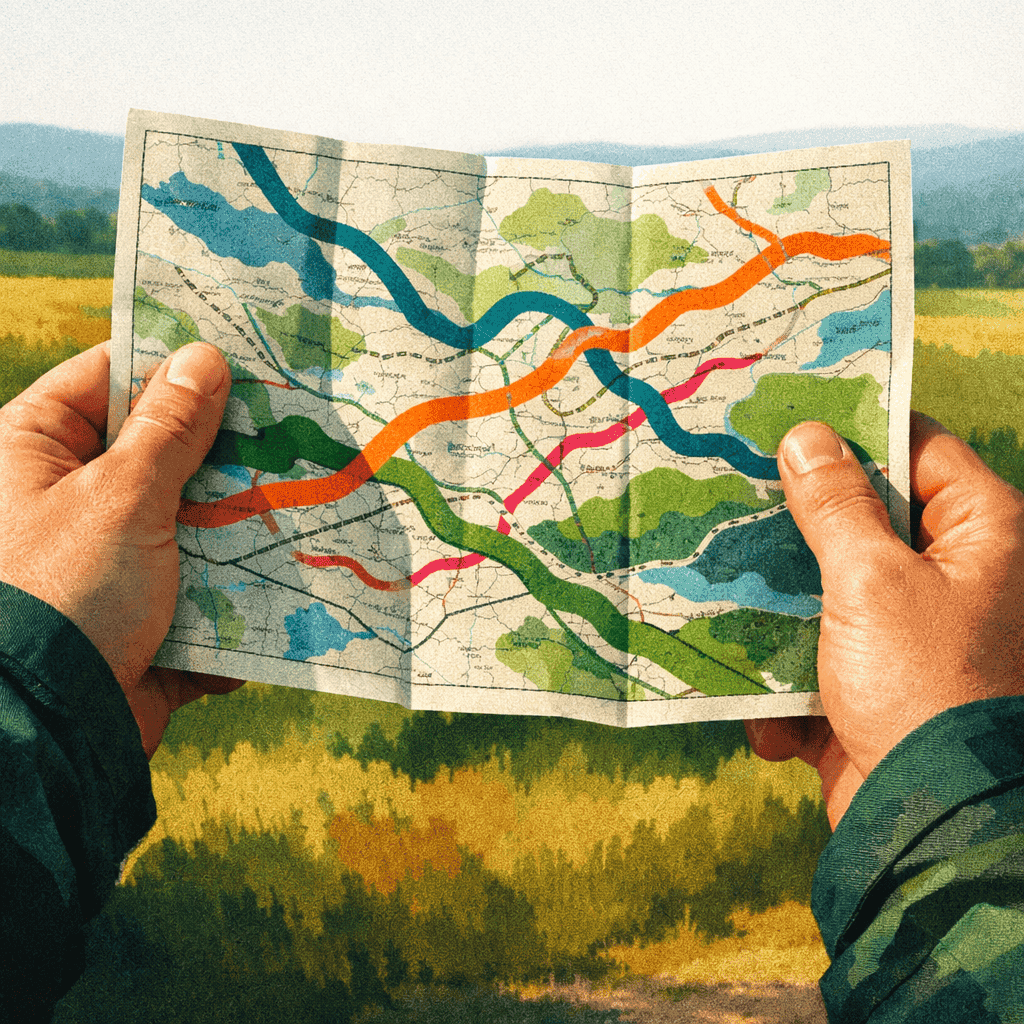
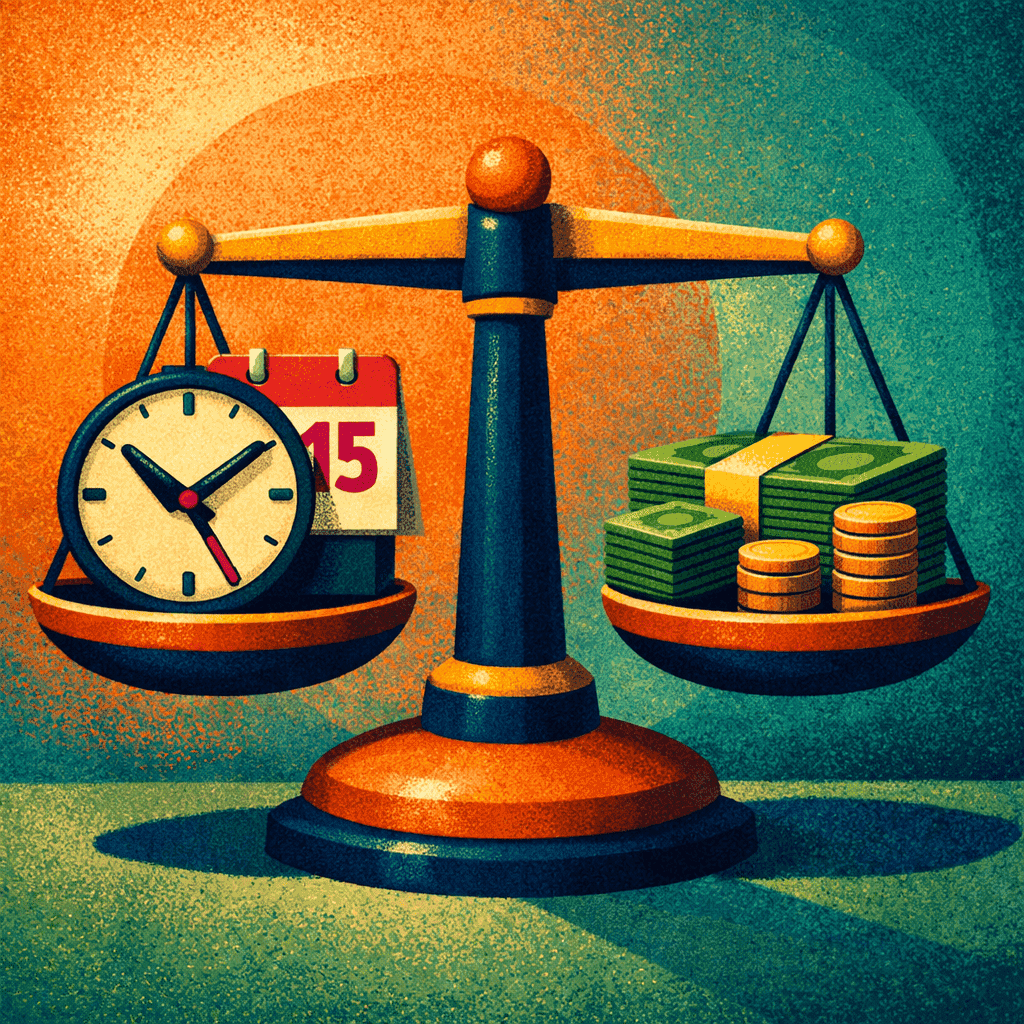
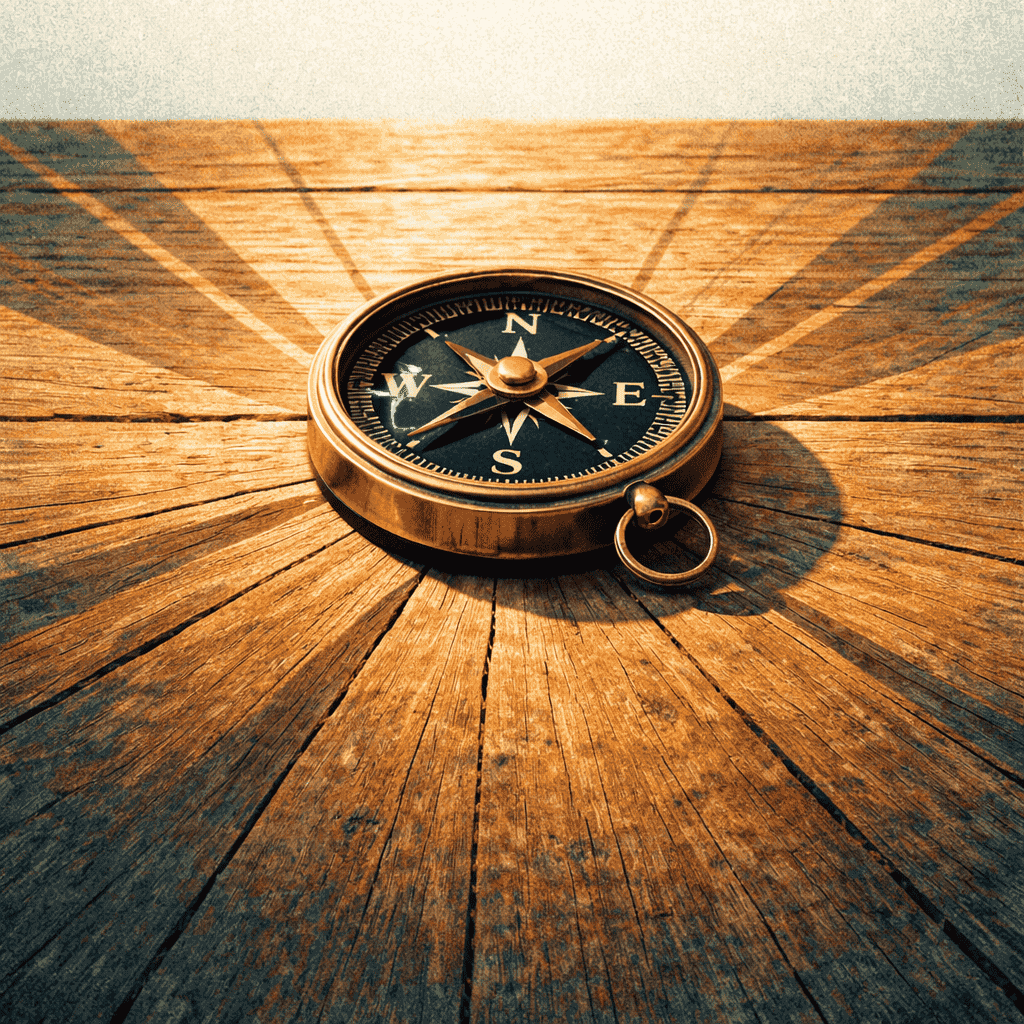
ChatGPT was overriding our custom GPT instructions and we needed to prevent that. I used Gemini deep research as a partner again to iterate our underlying instructions. After a couple tests I was able to achieve something close to the style we had been aiming for all along, but had been unable to achieve until o5.2.
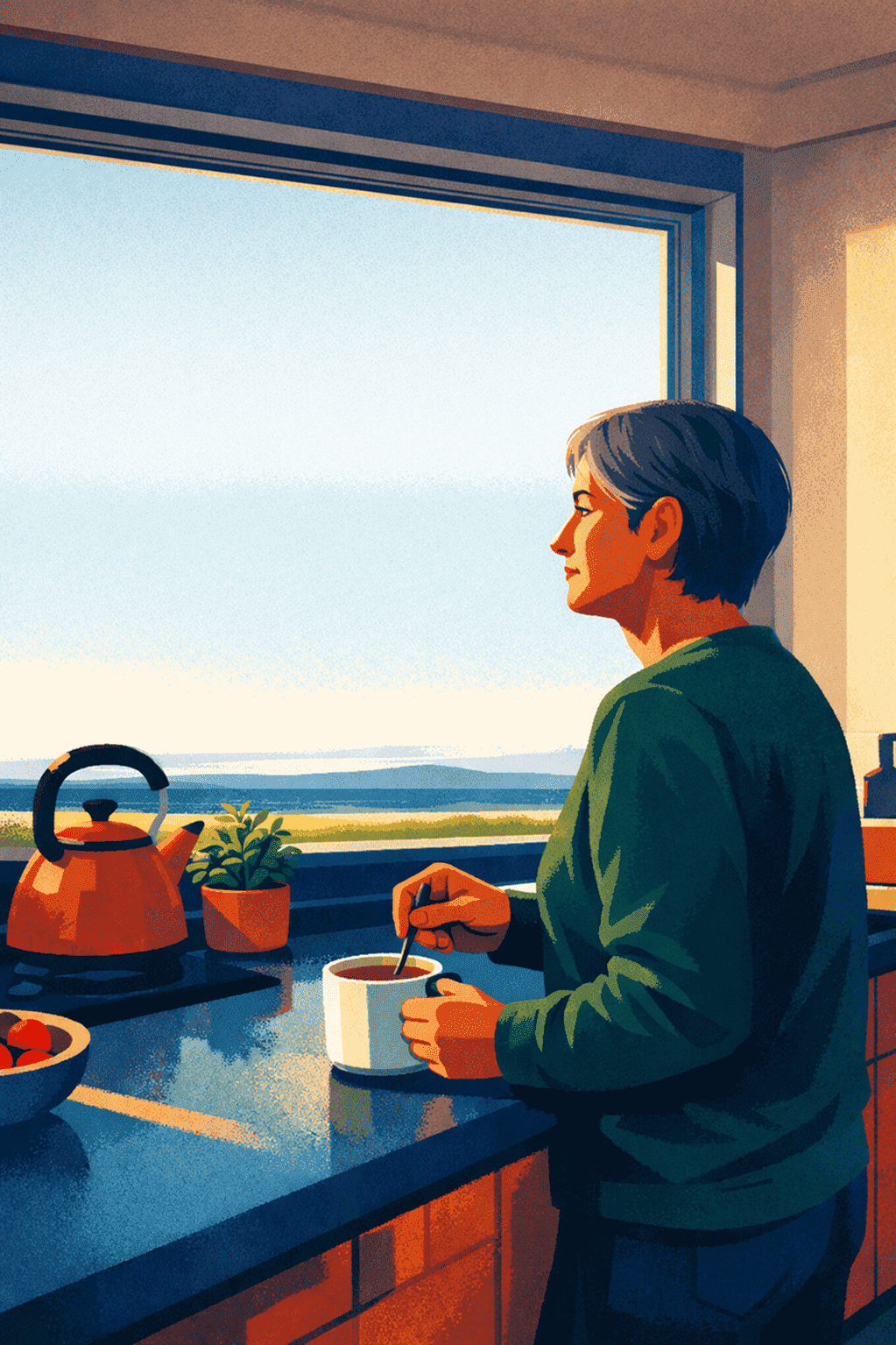
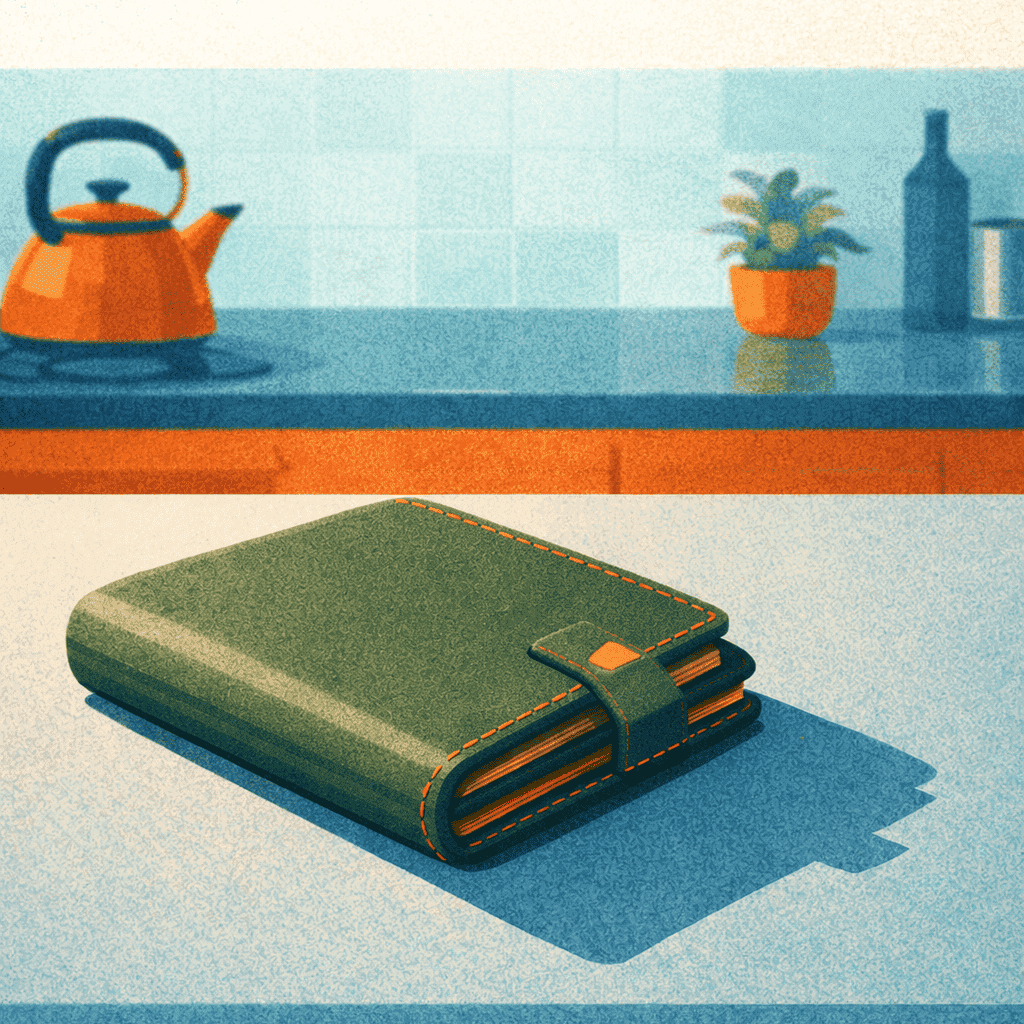
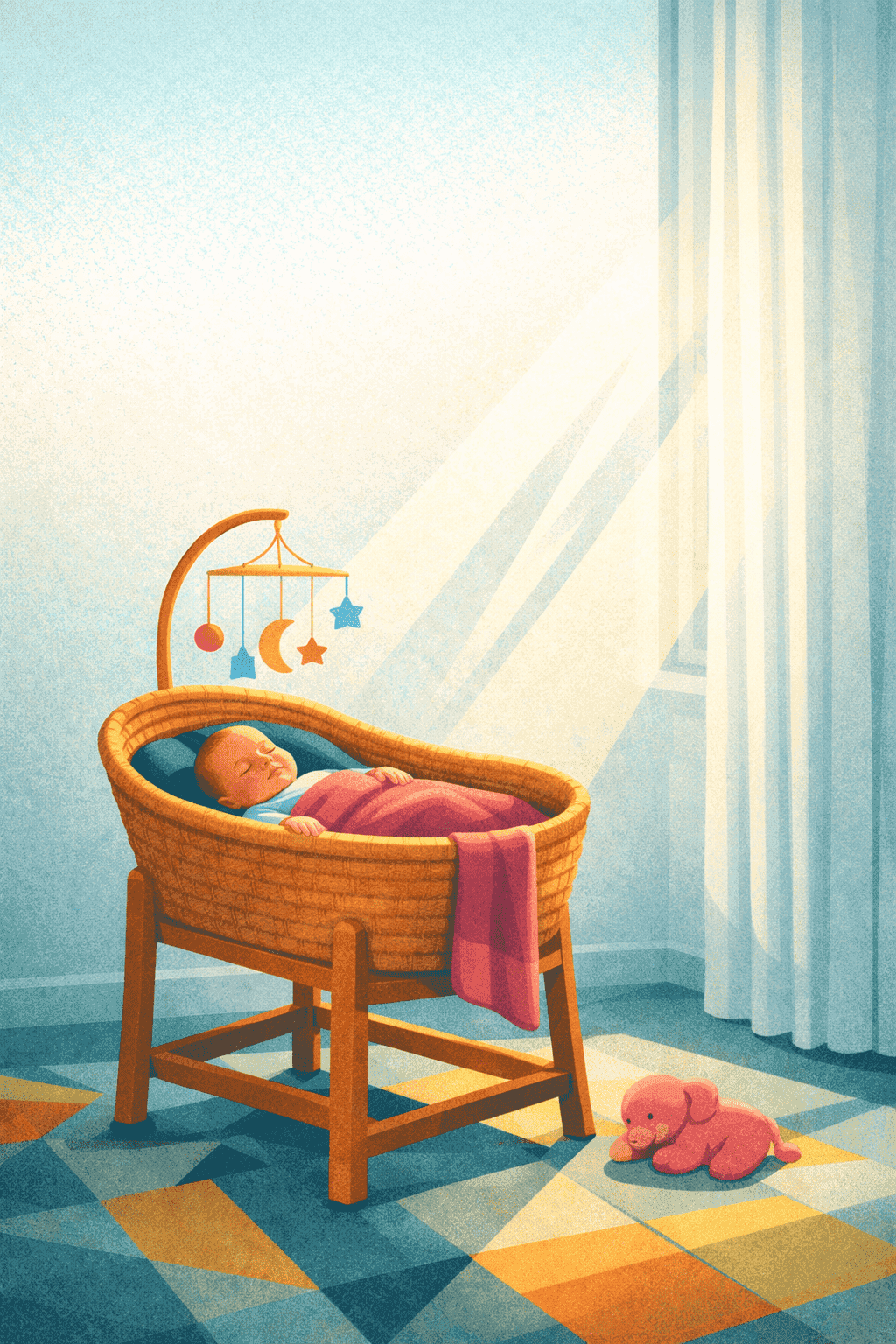
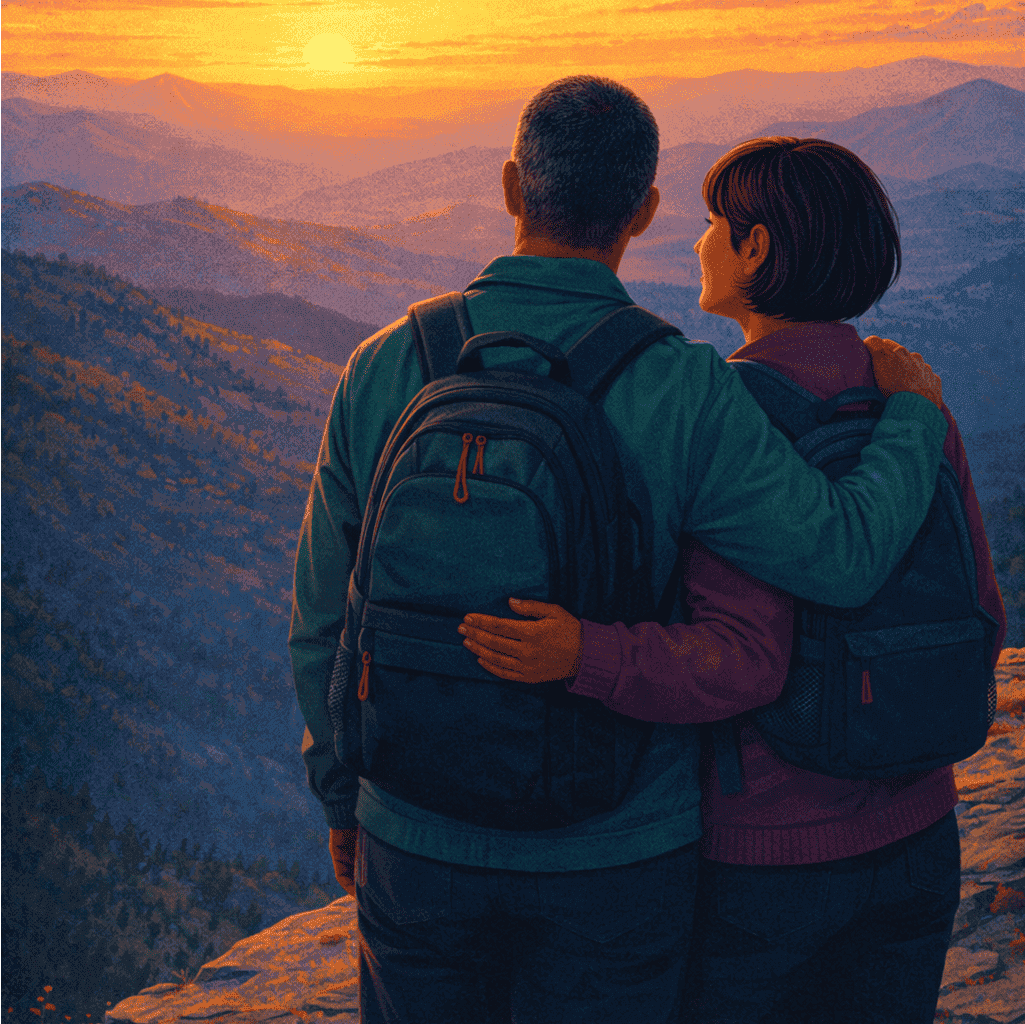

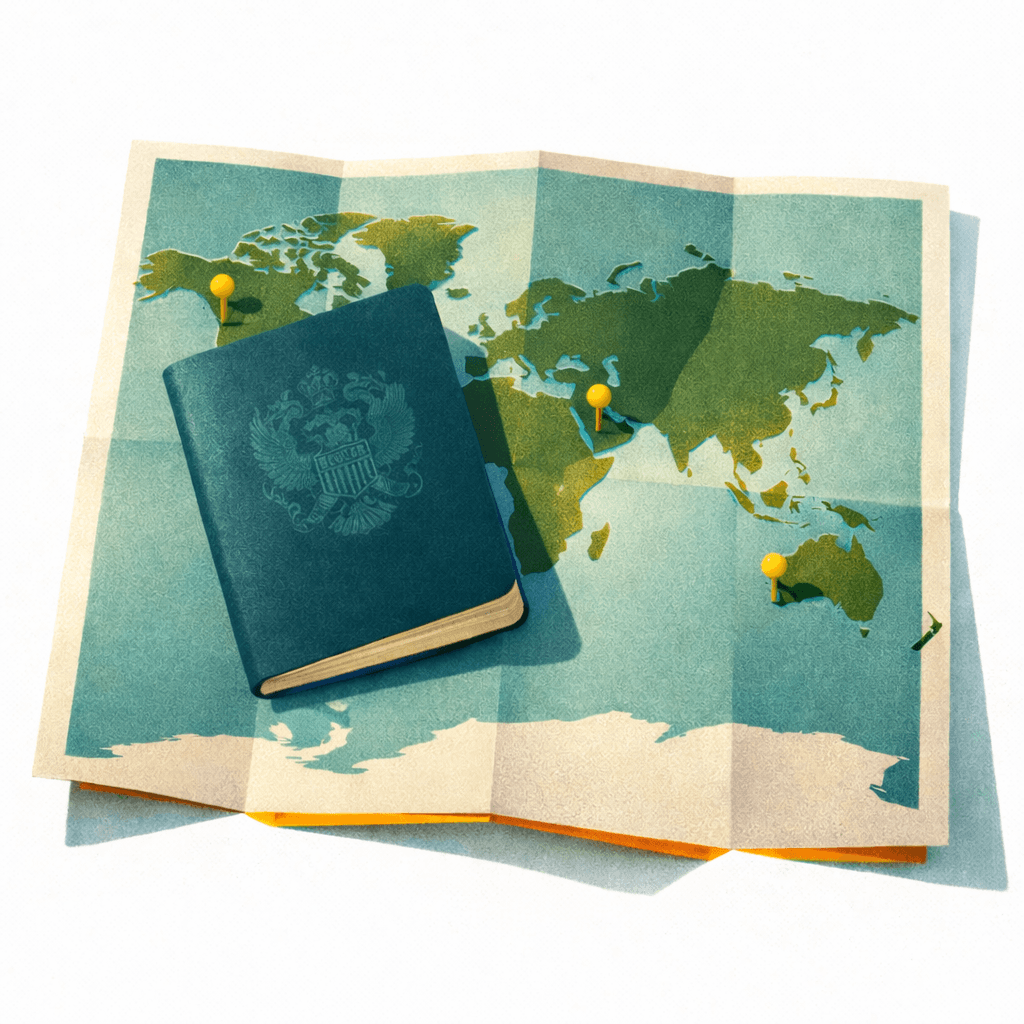
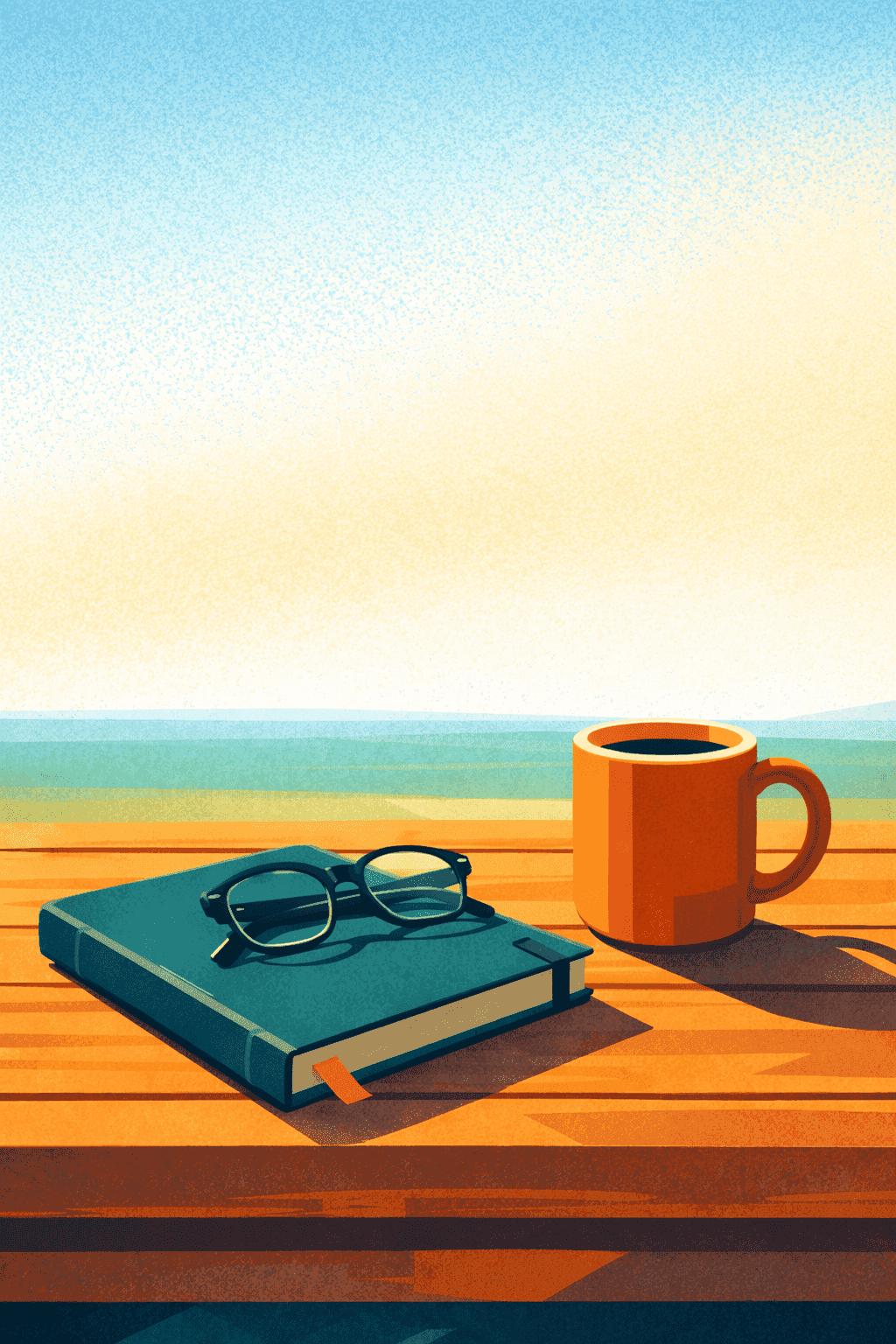
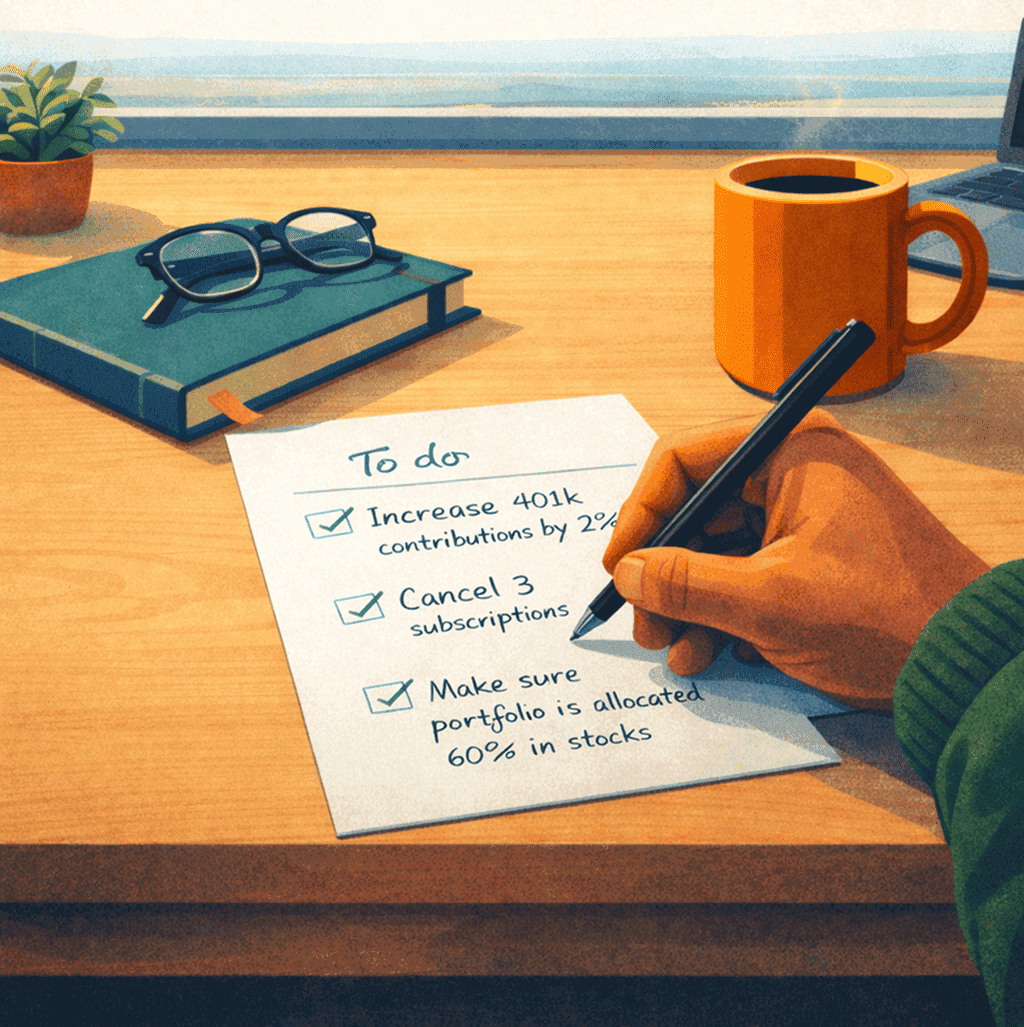
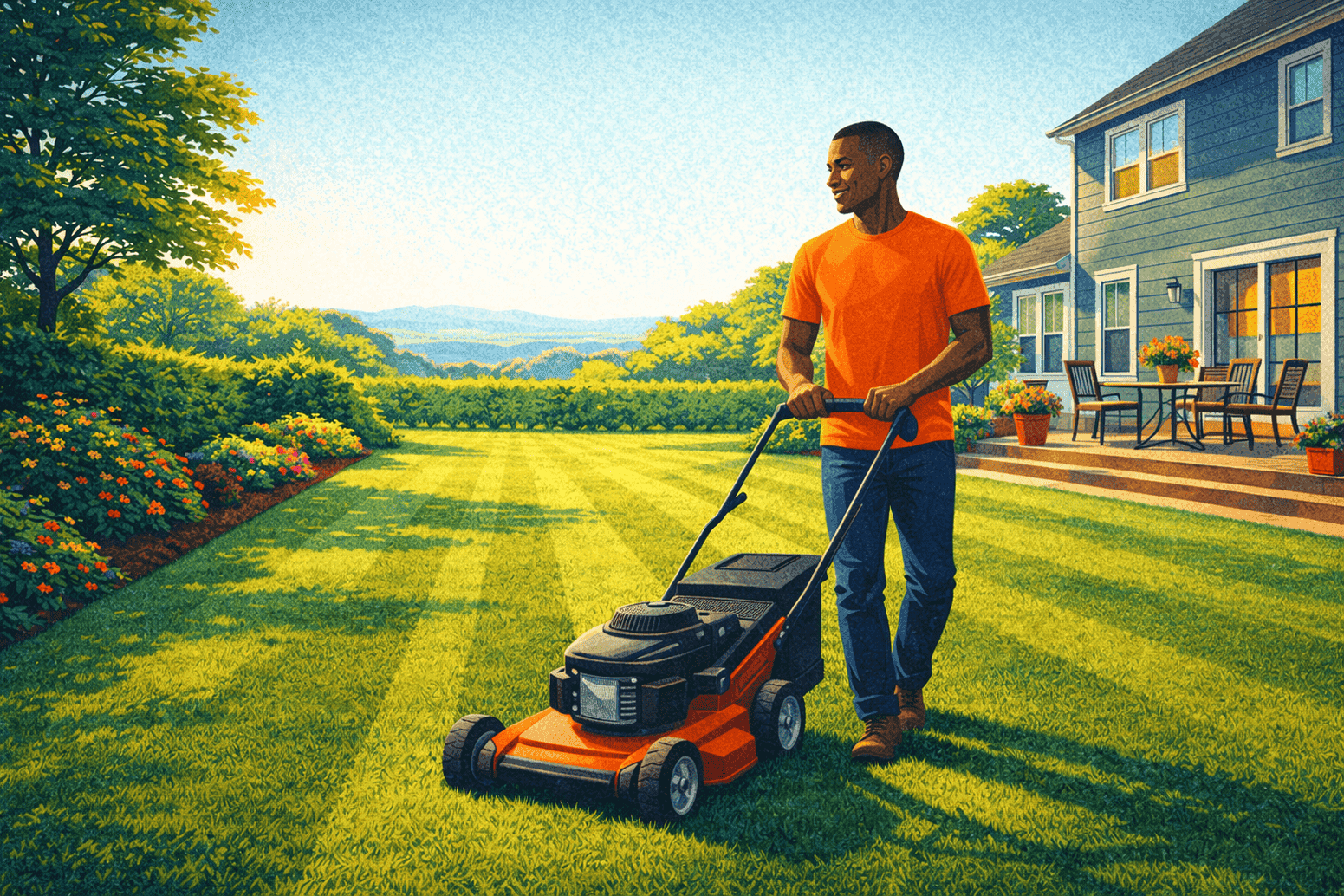
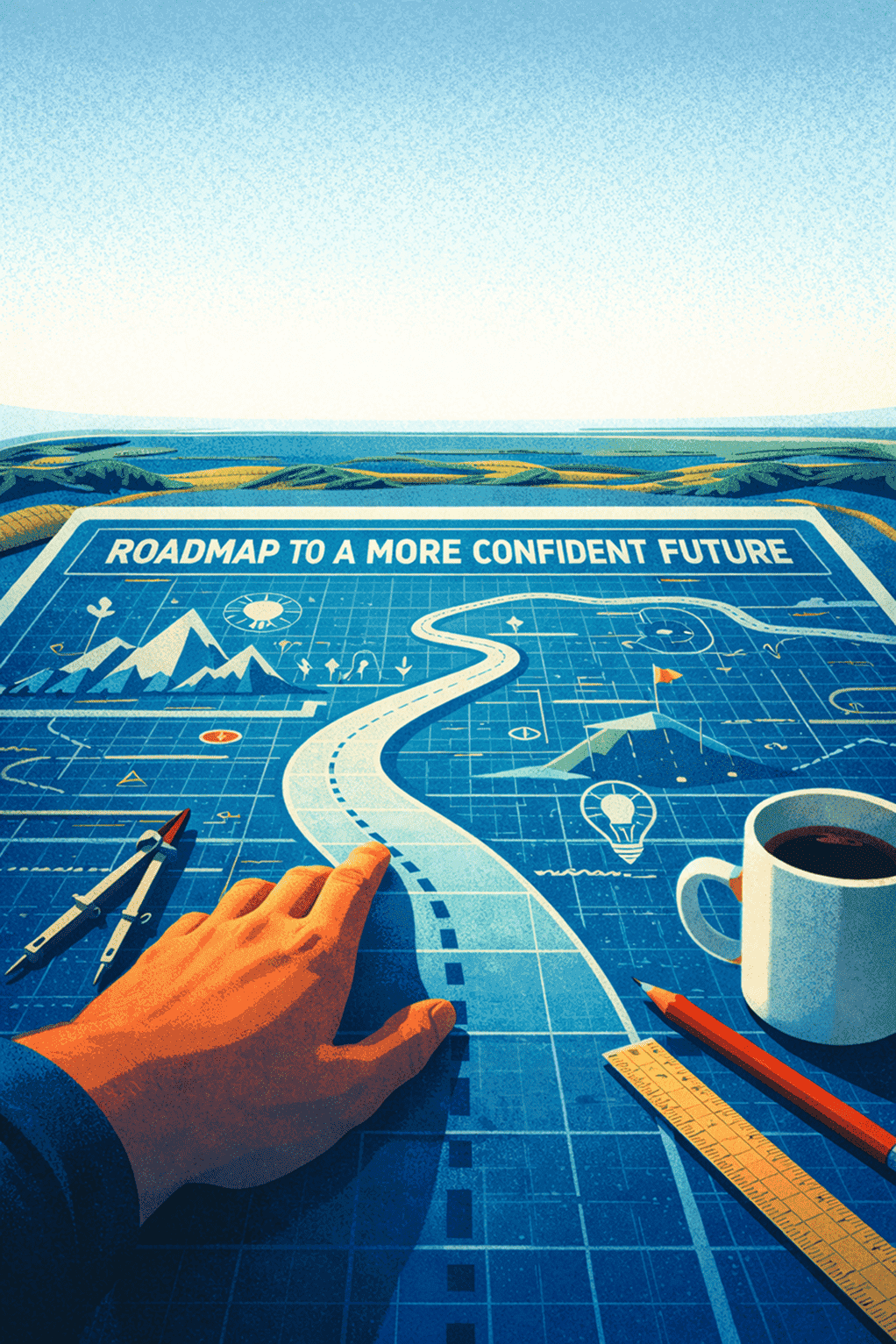
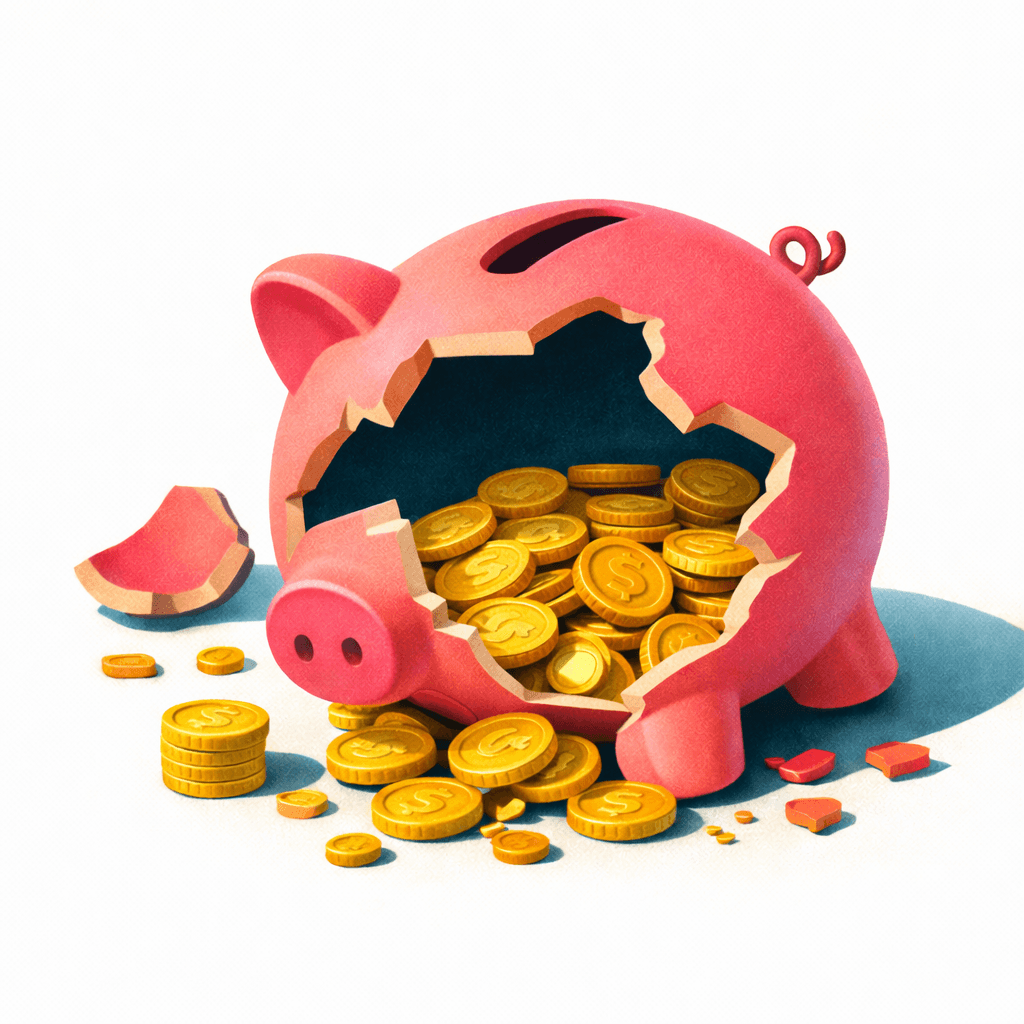
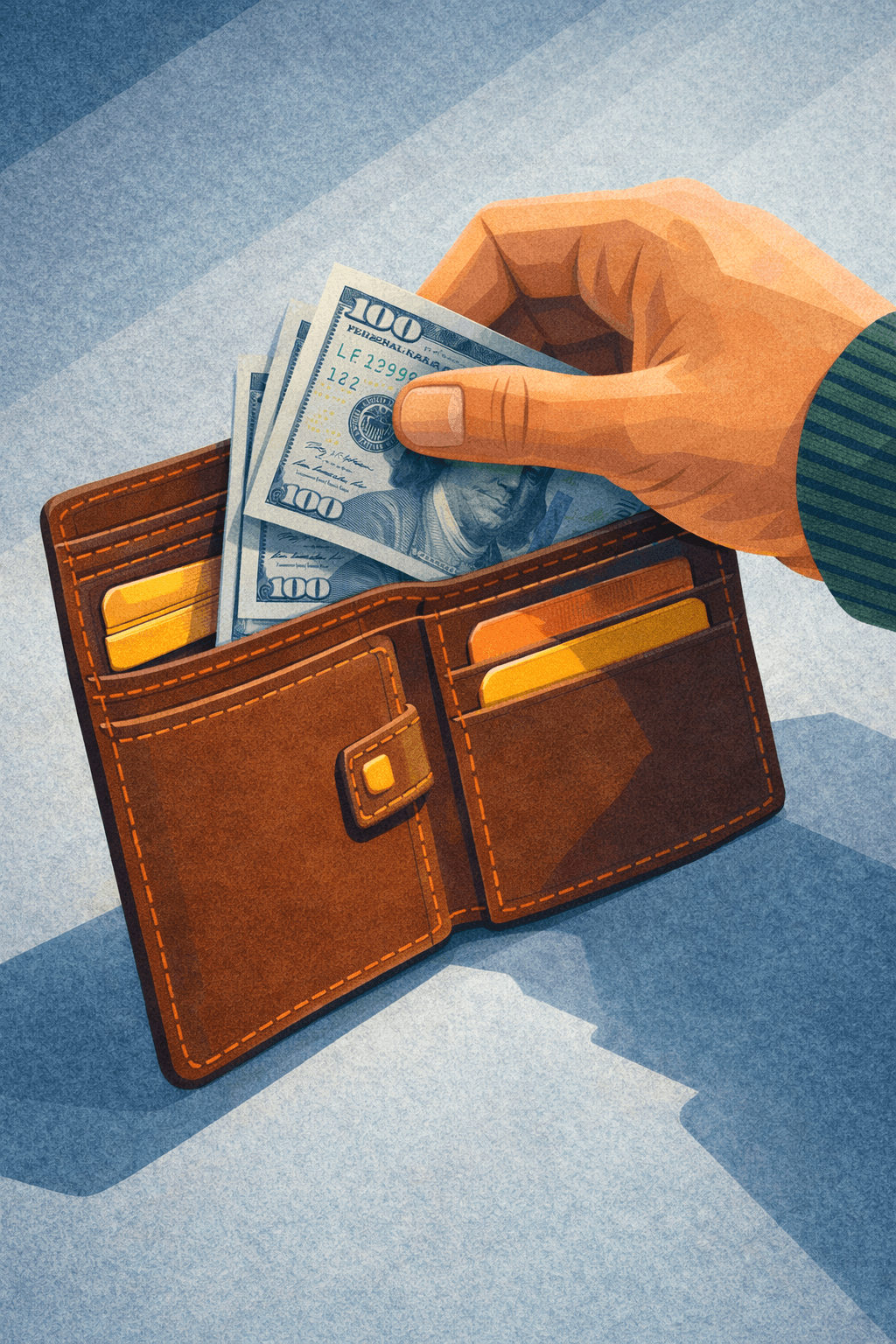
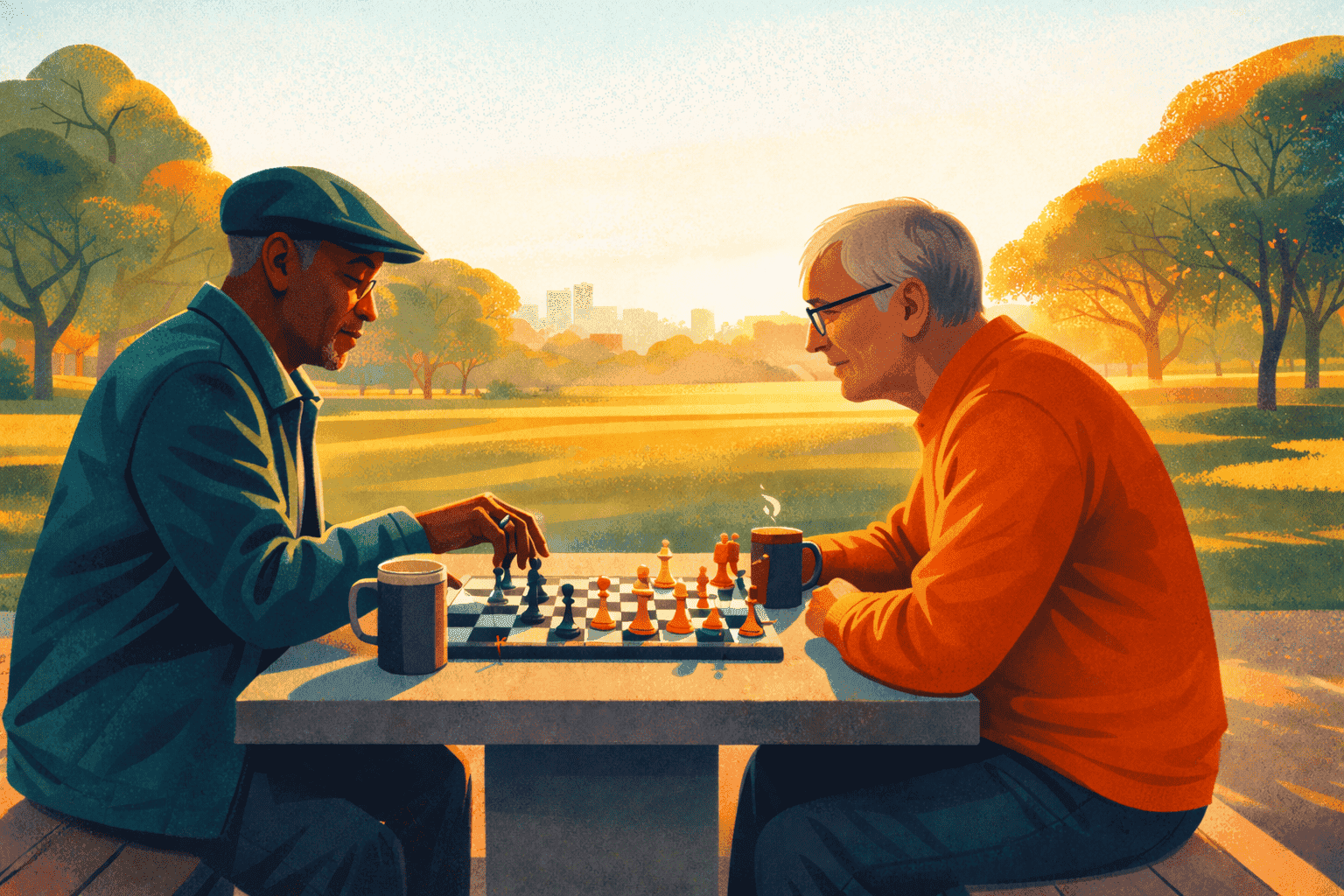
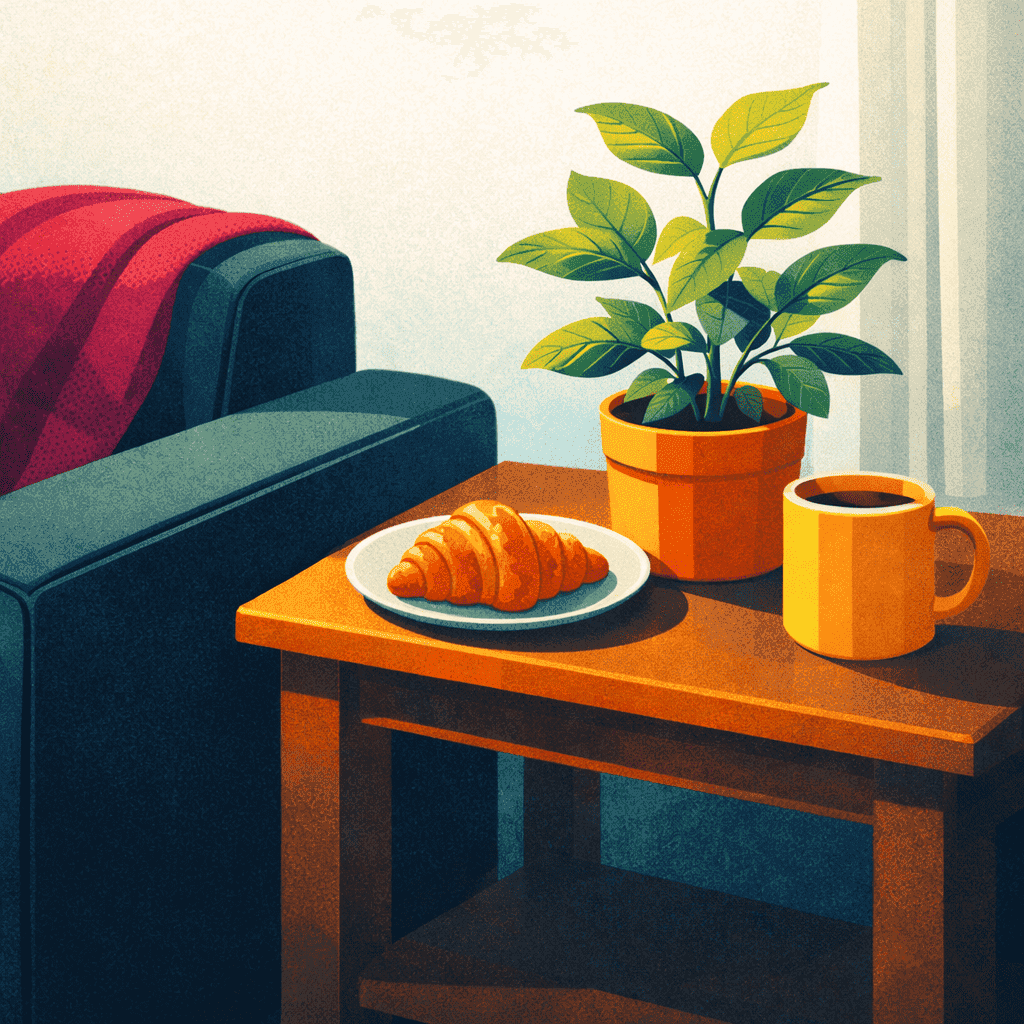

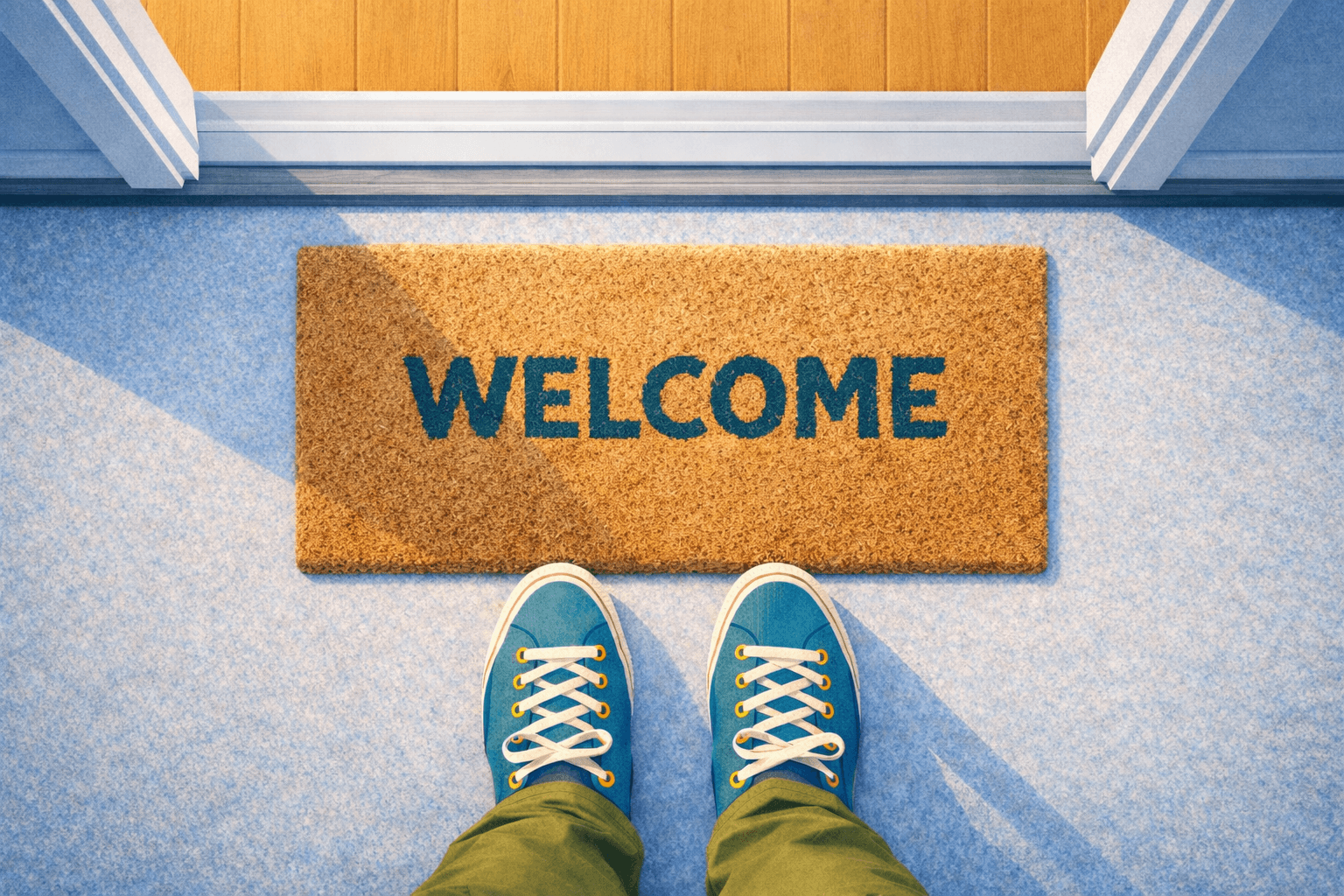
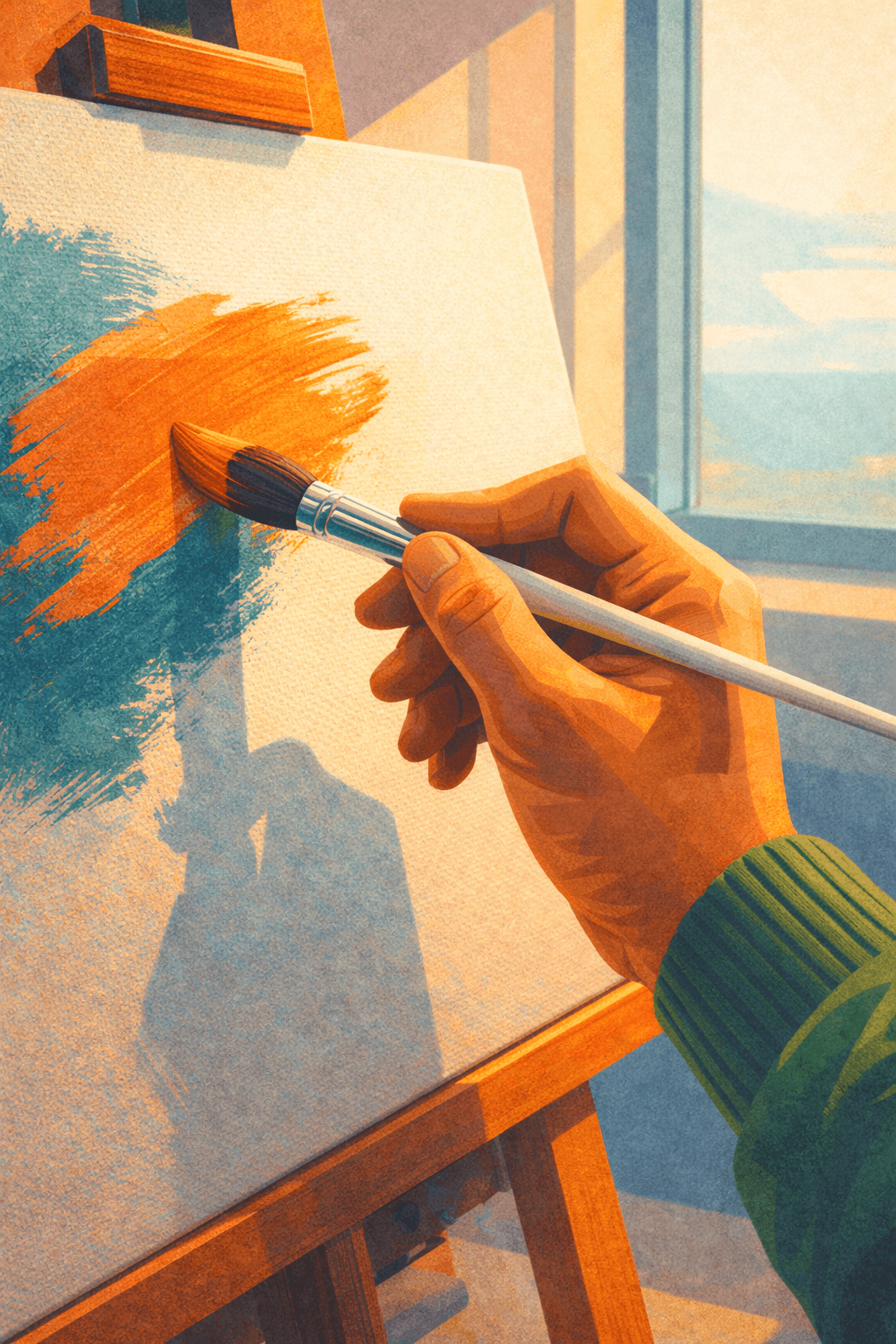
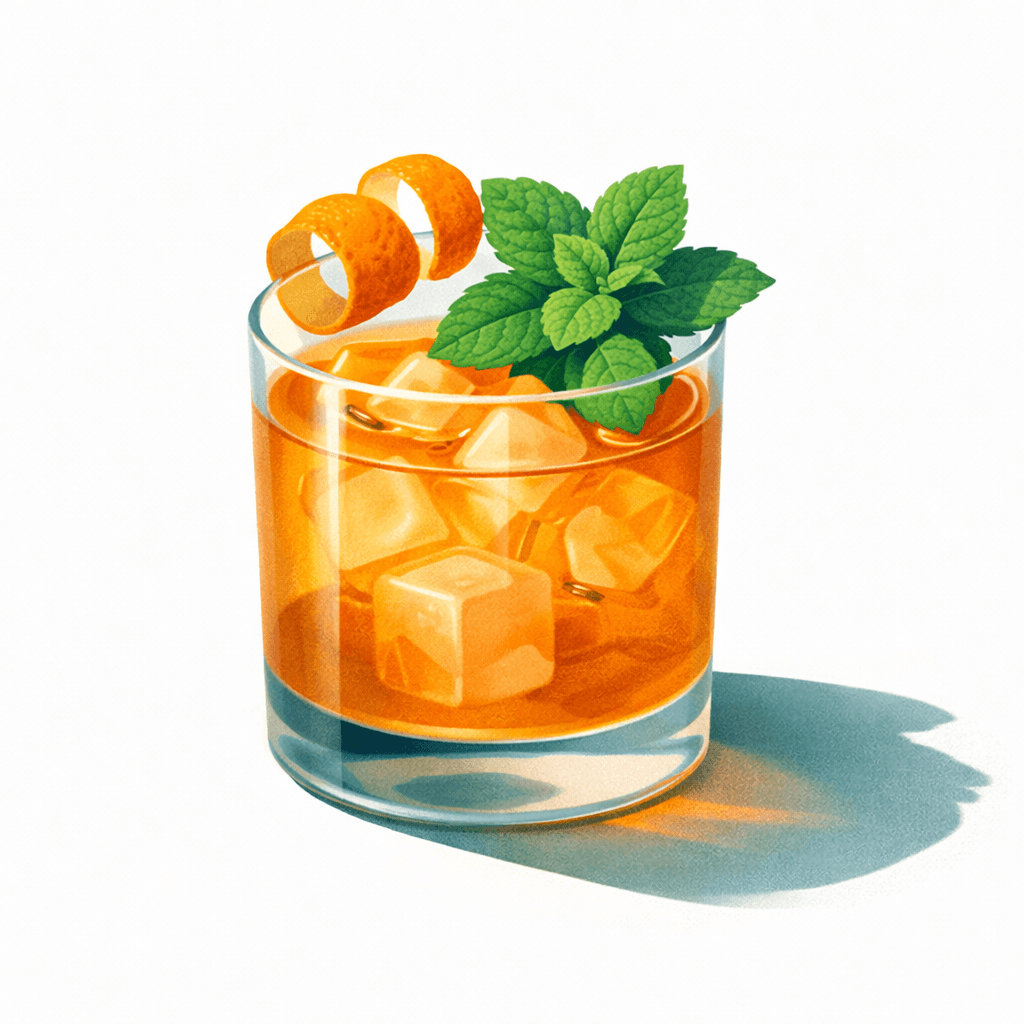
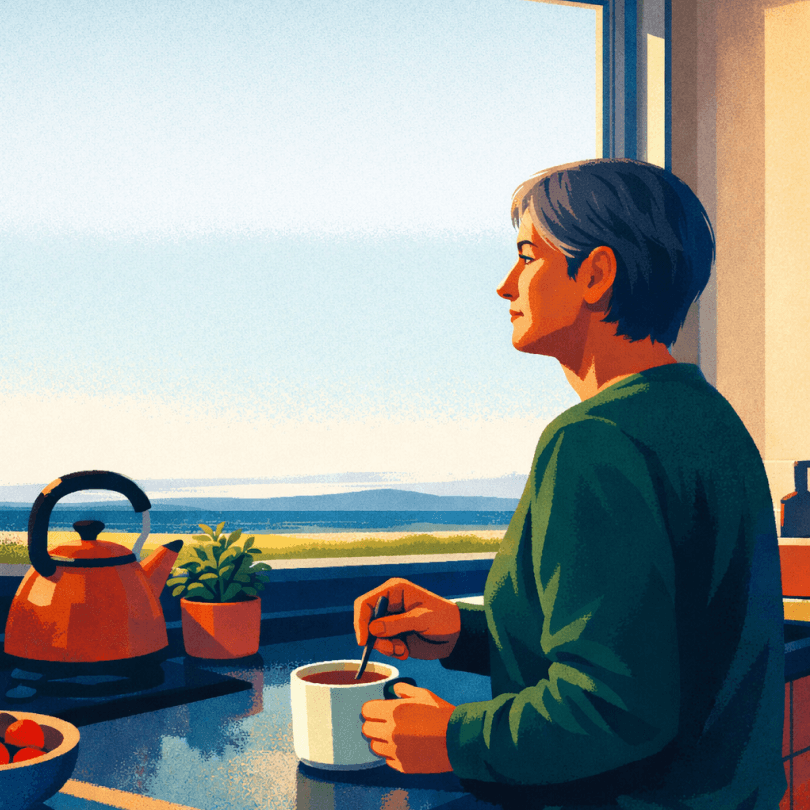
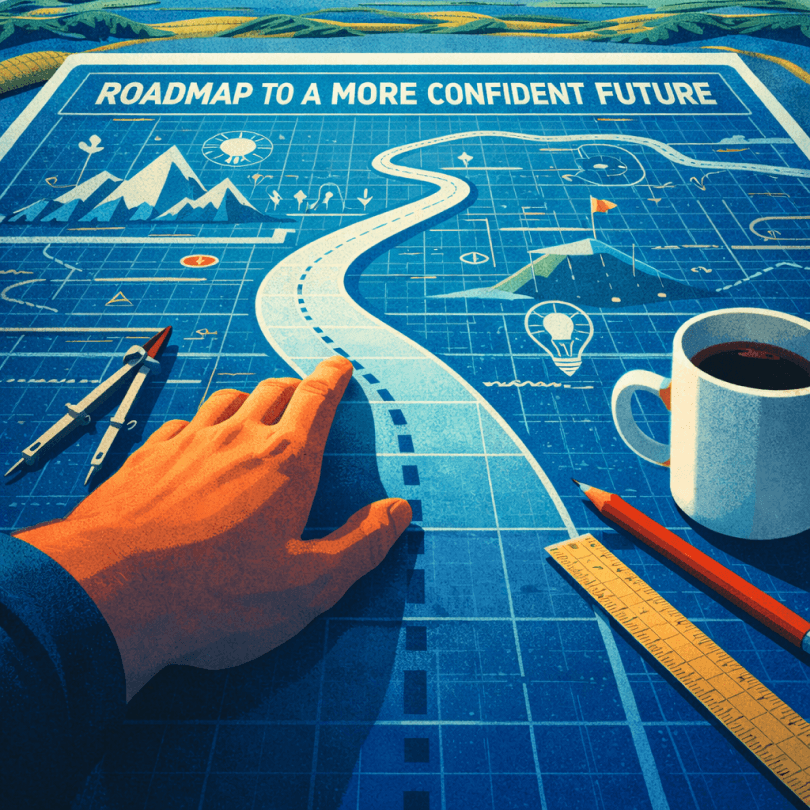
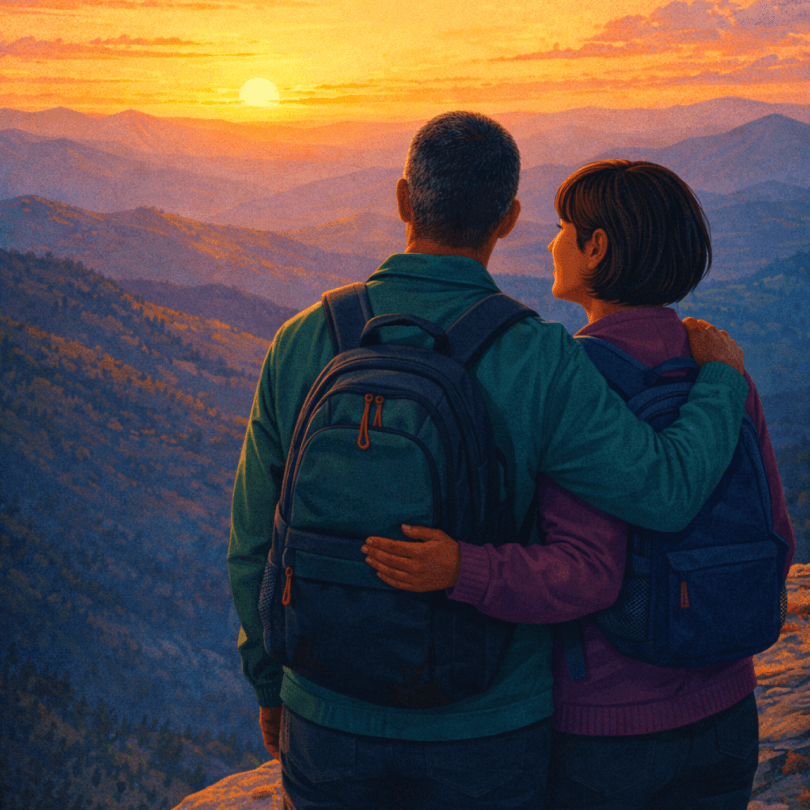
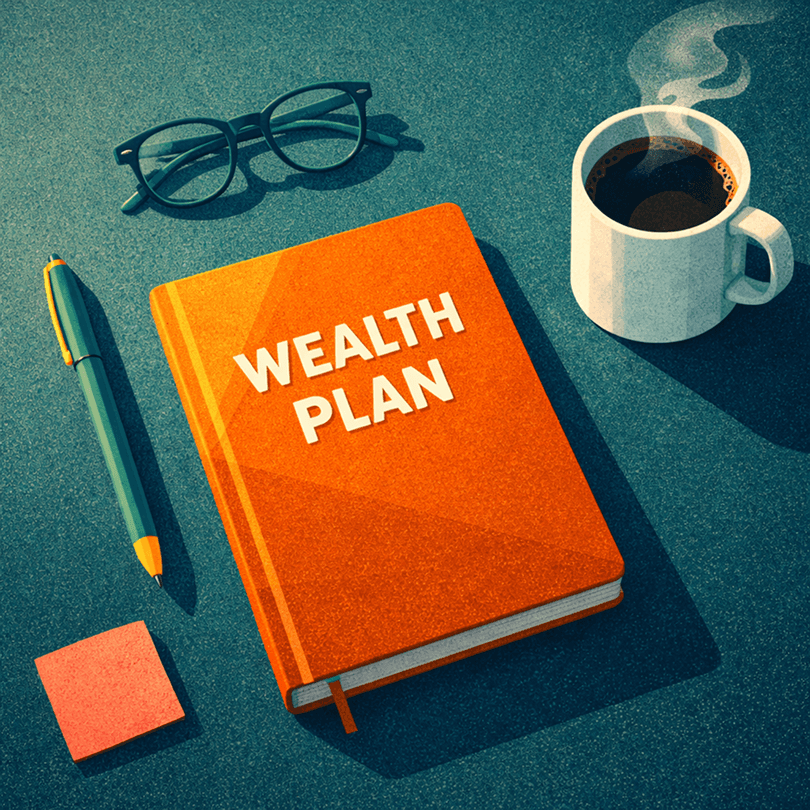
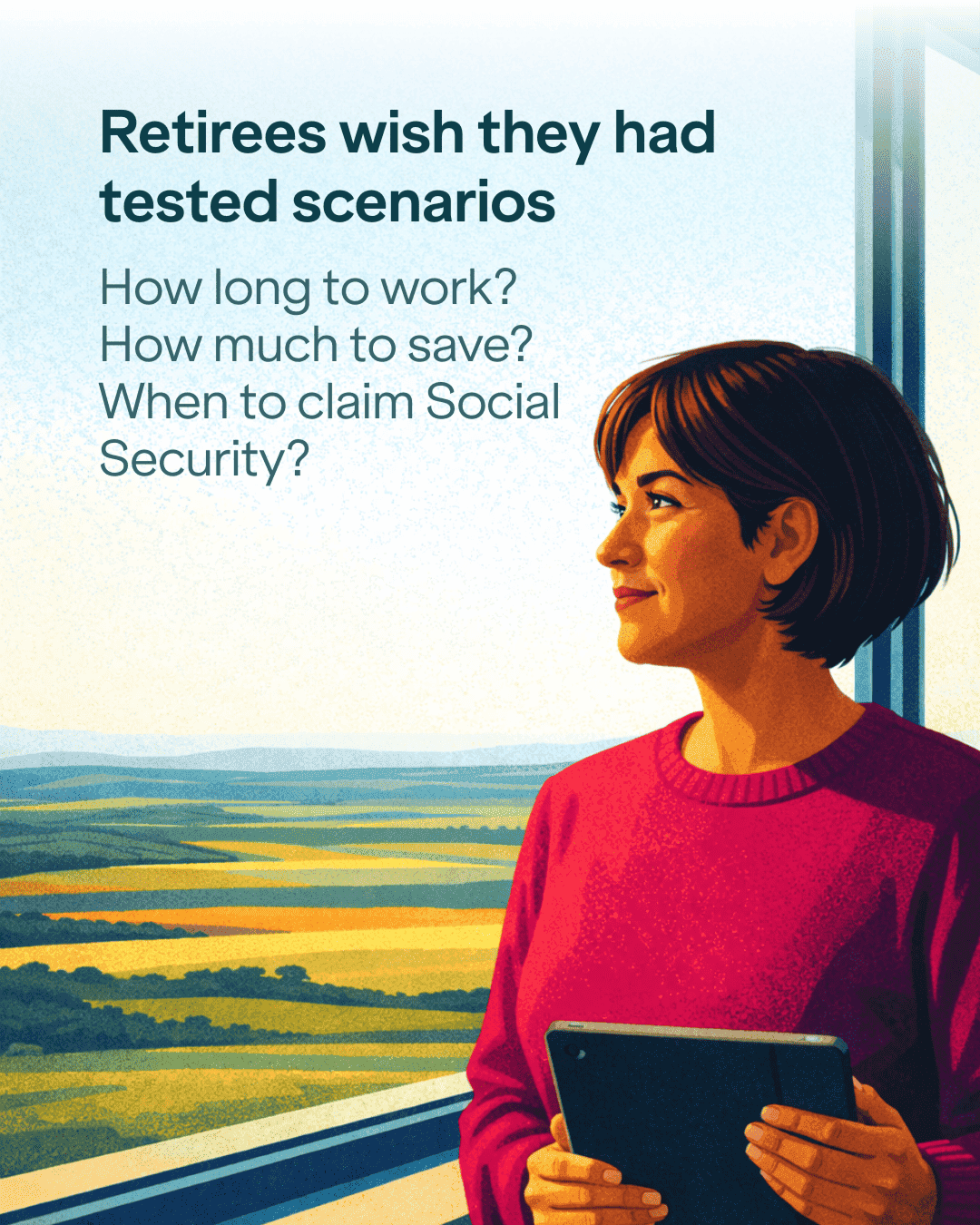
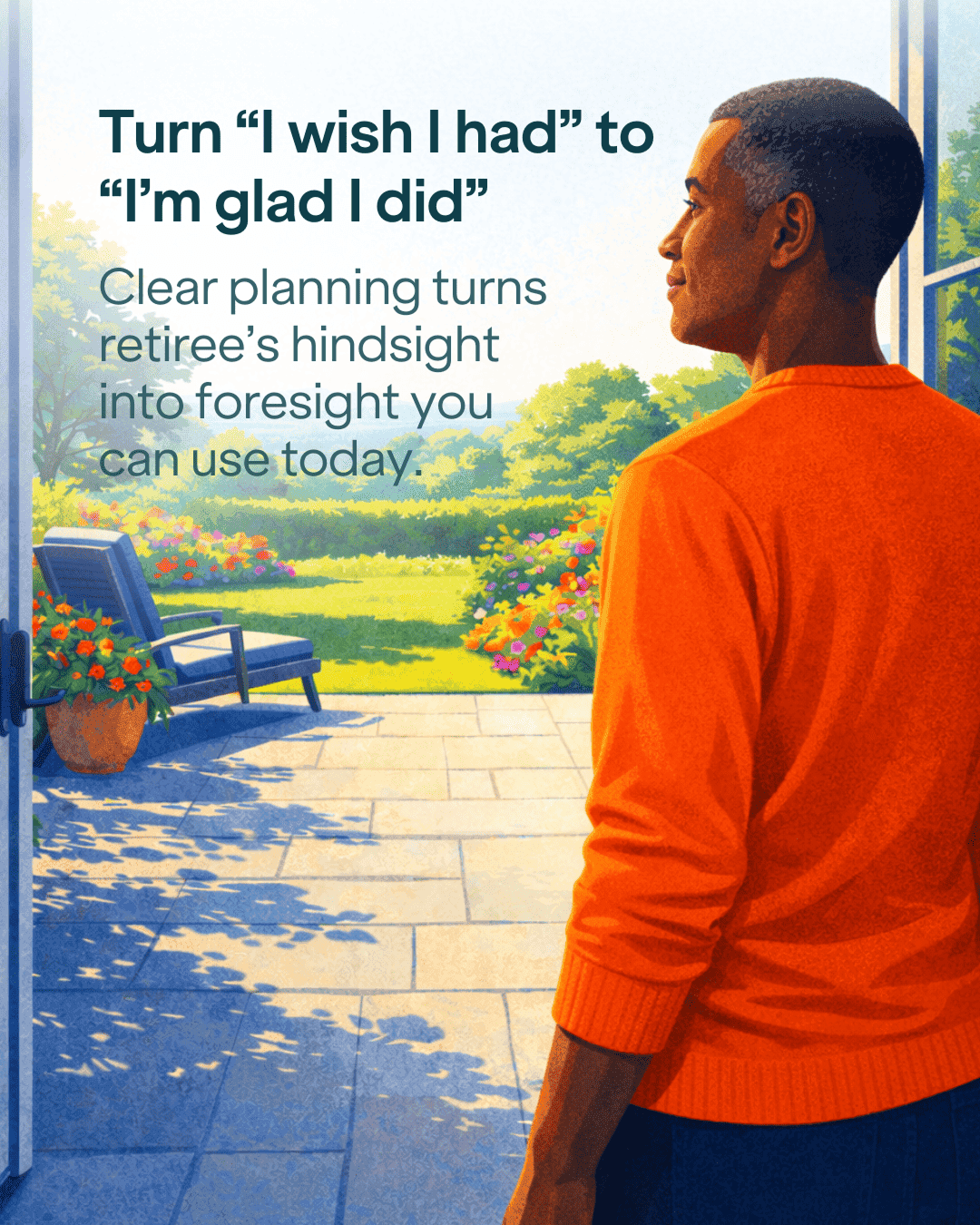
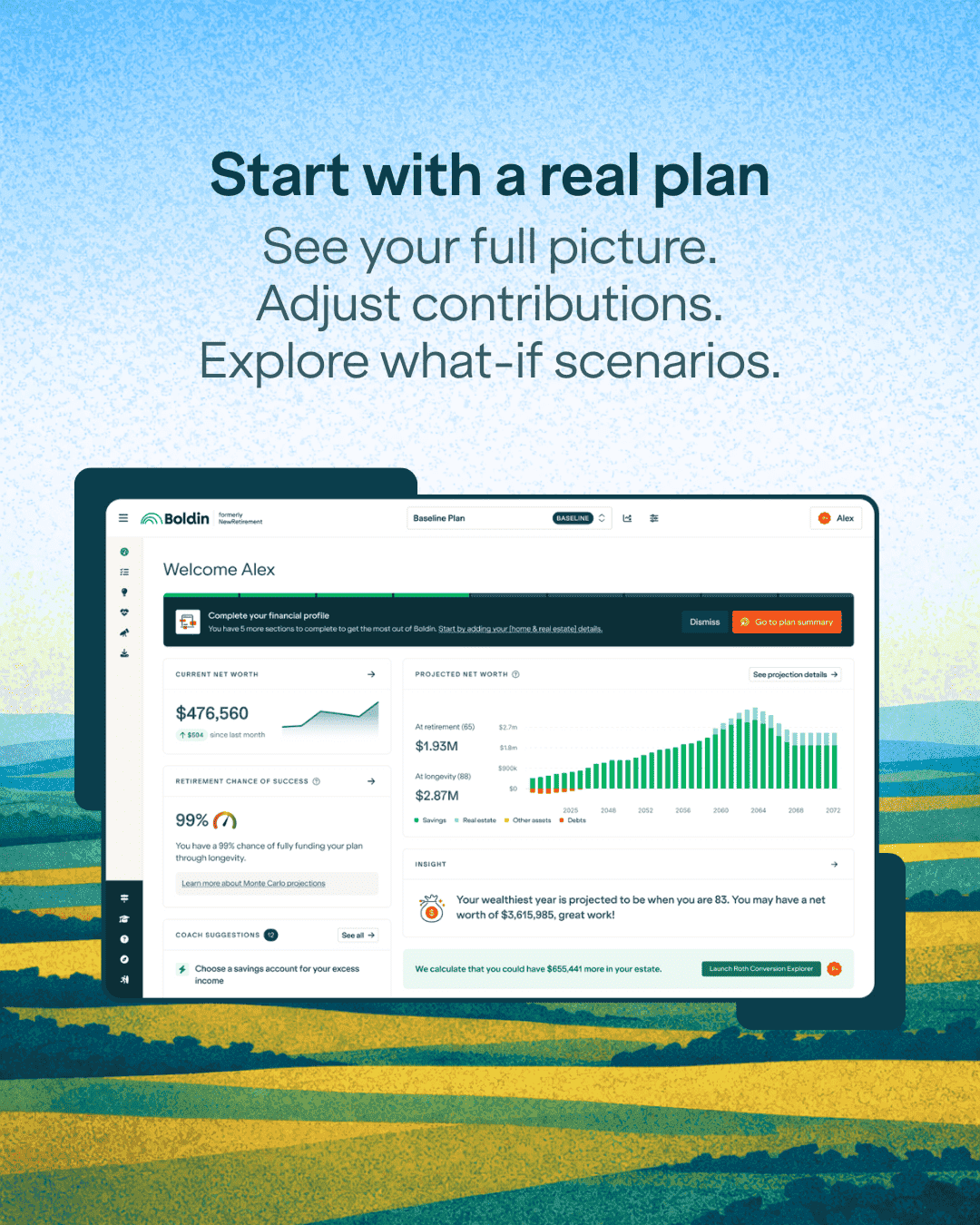
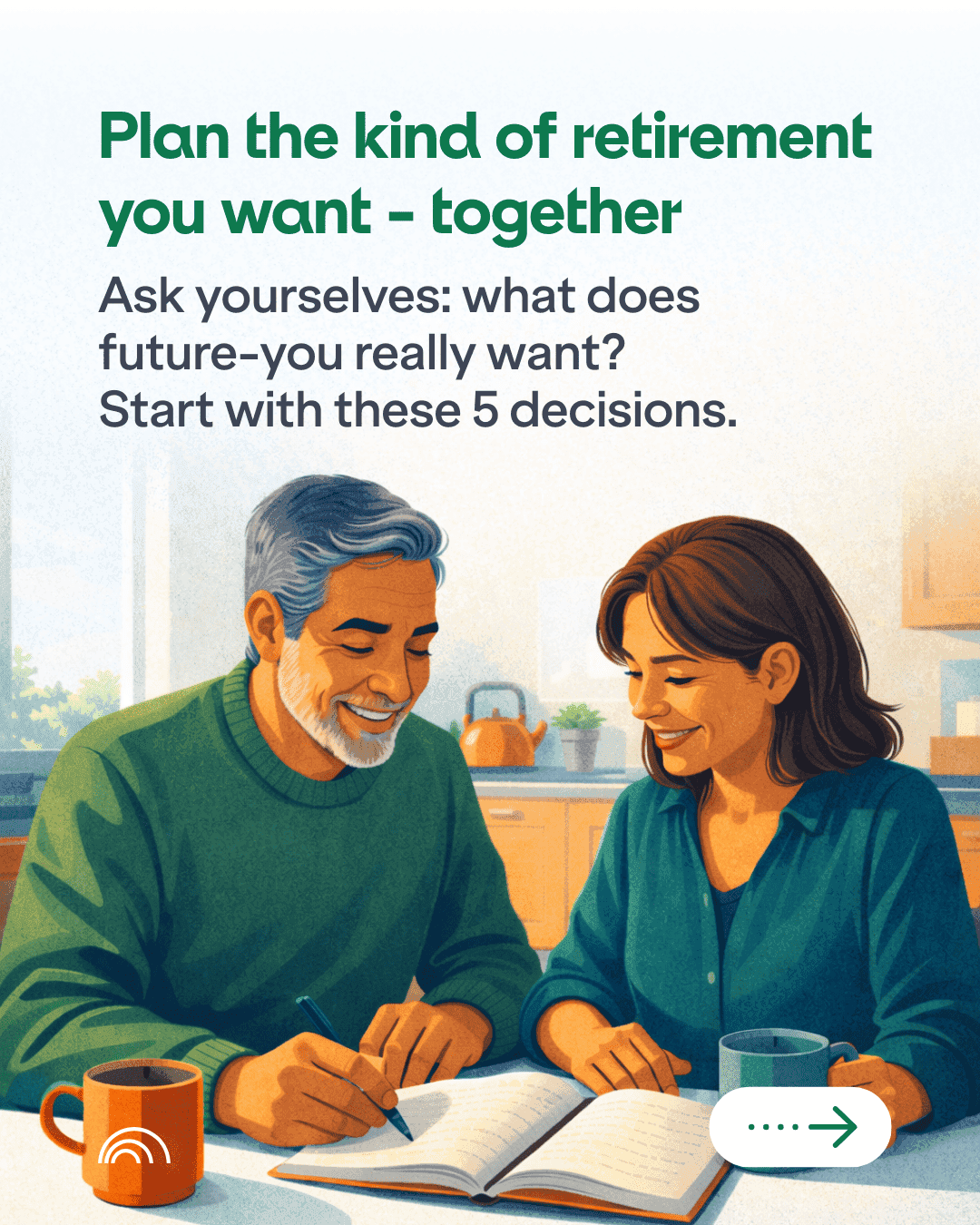
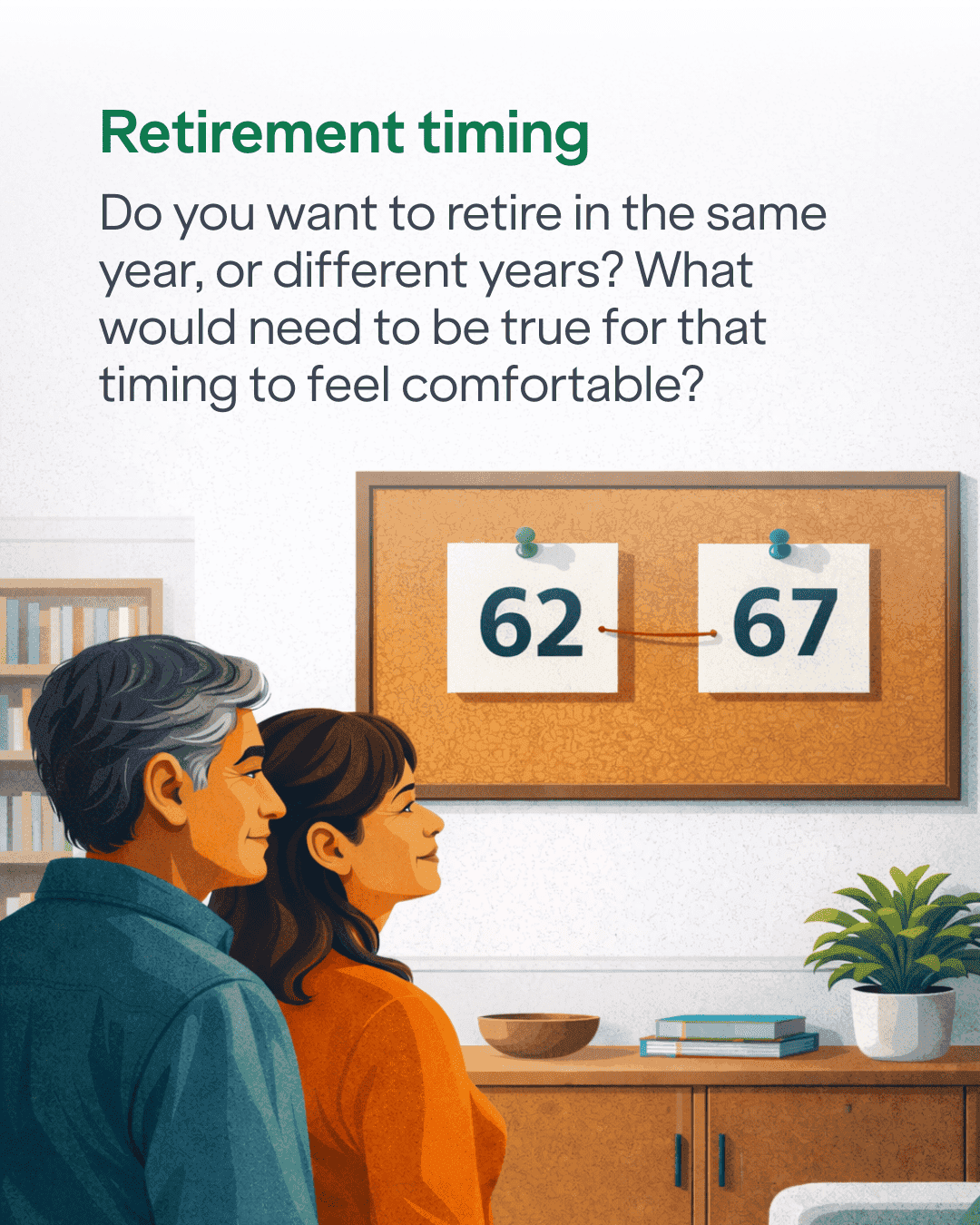
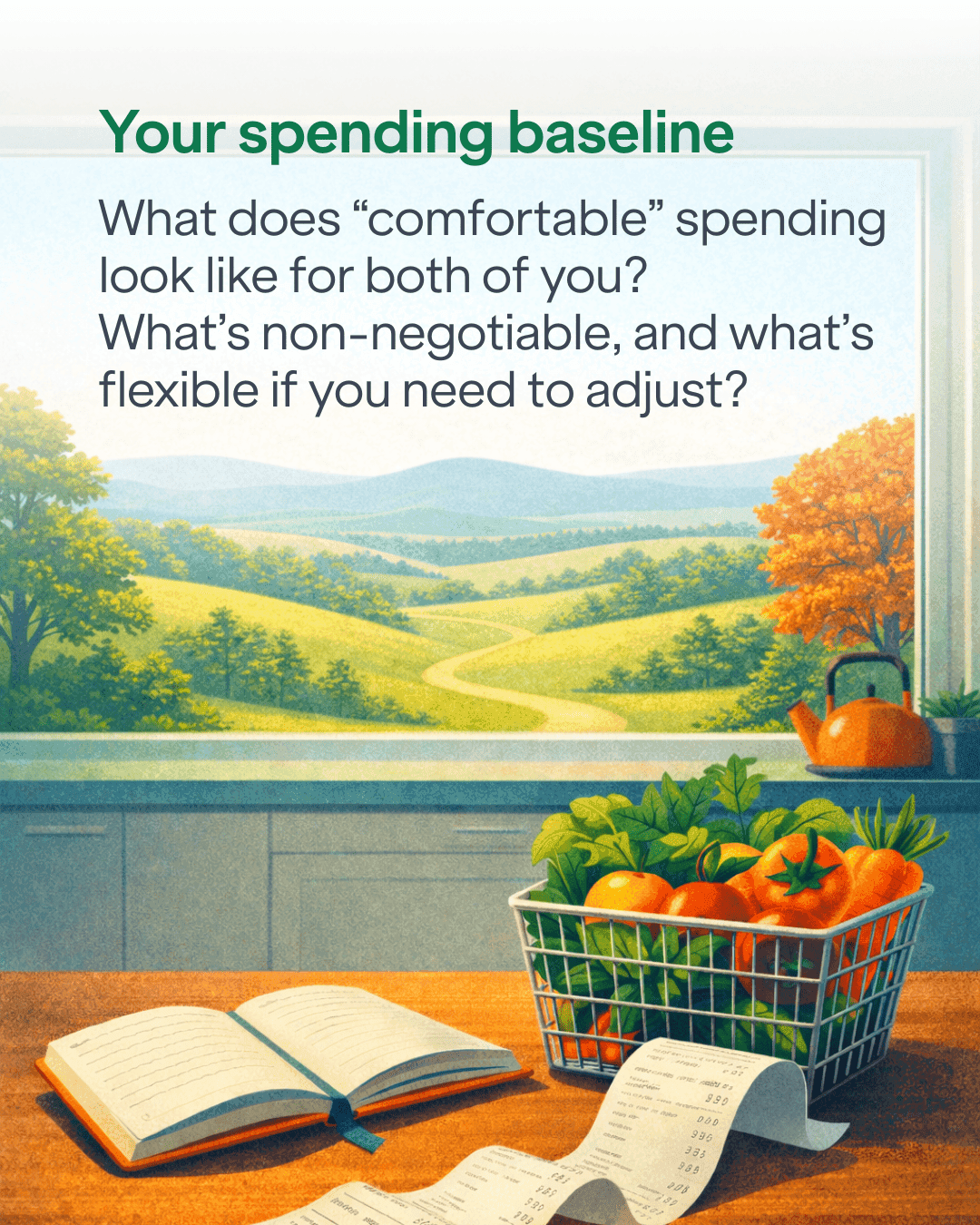
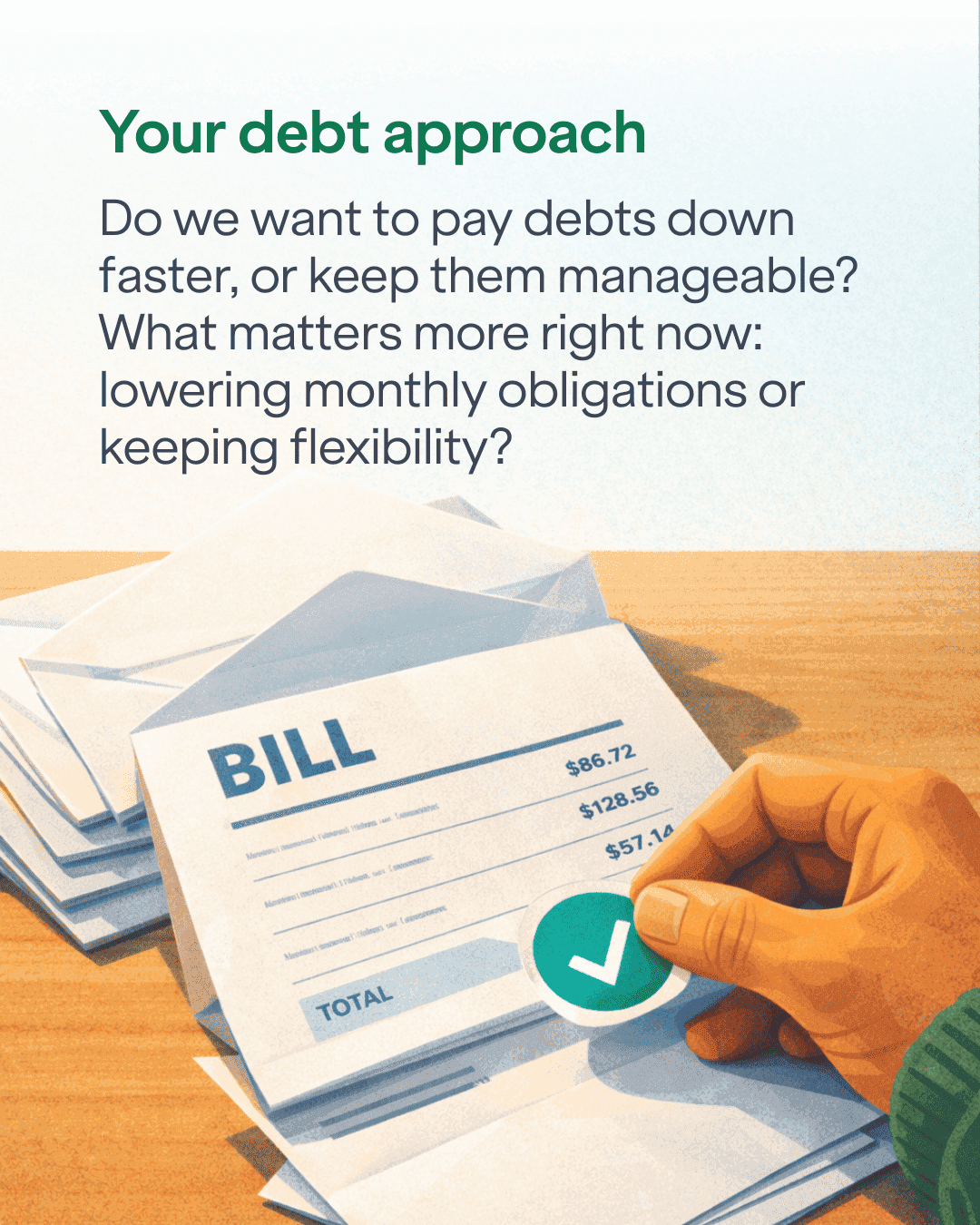
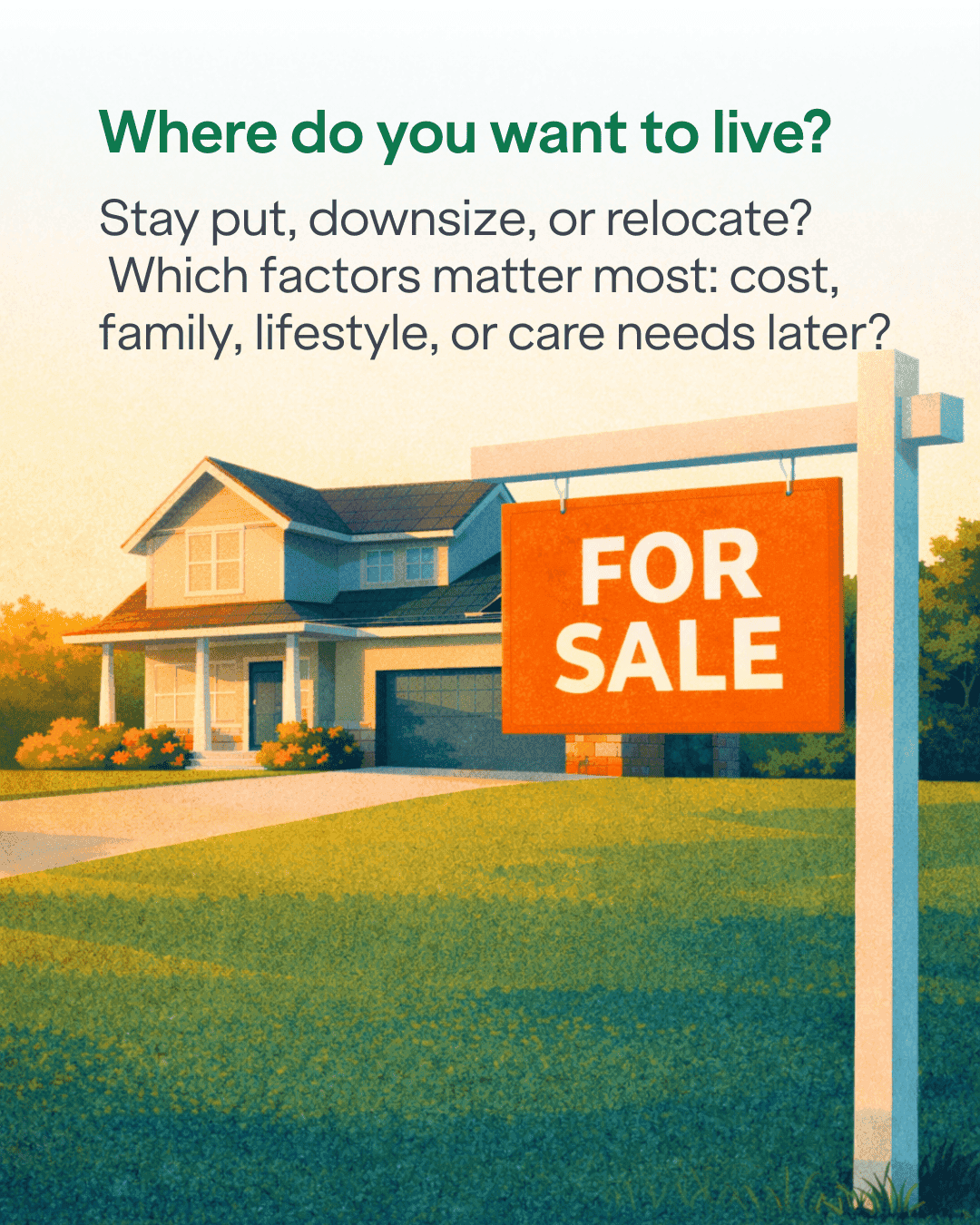
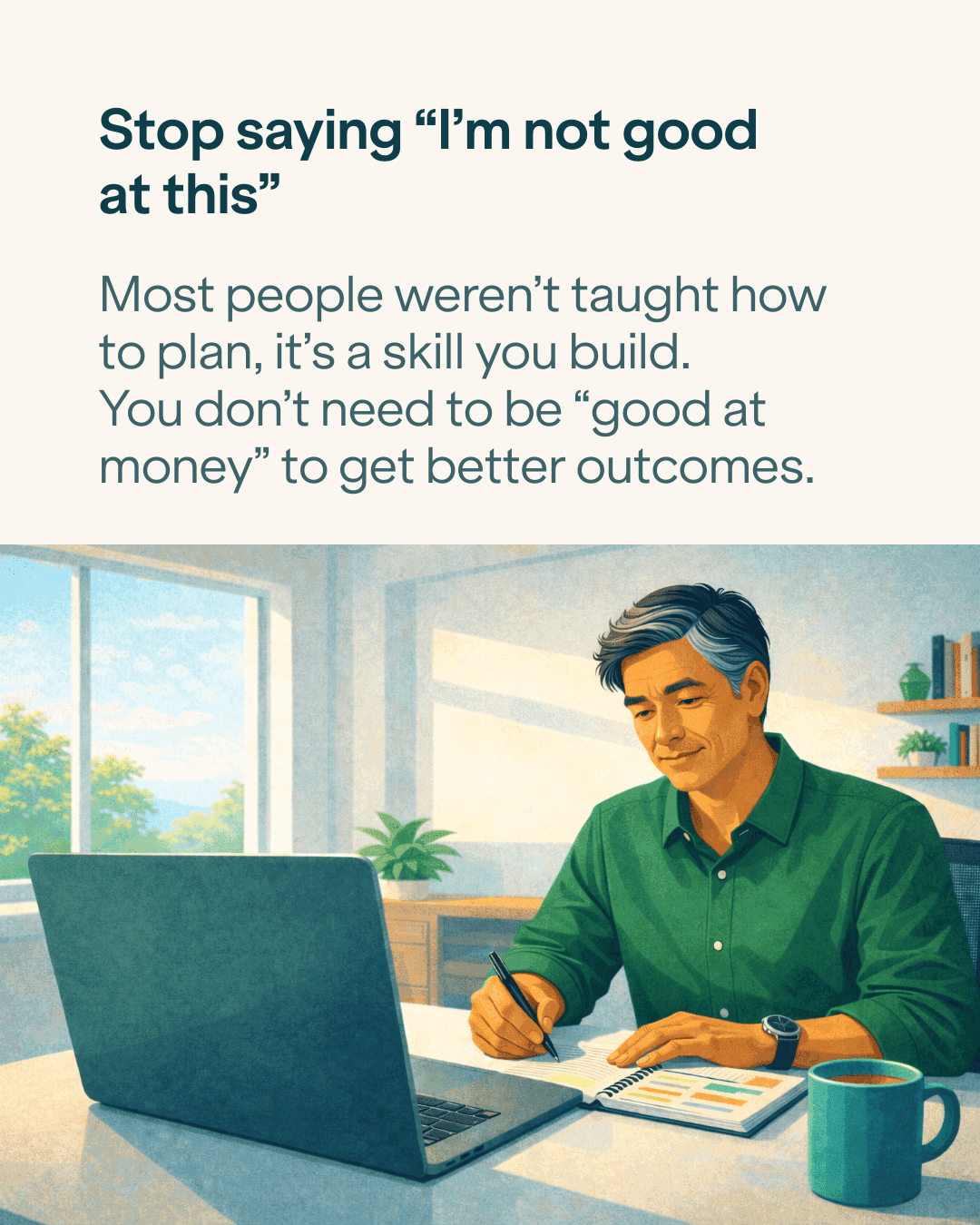
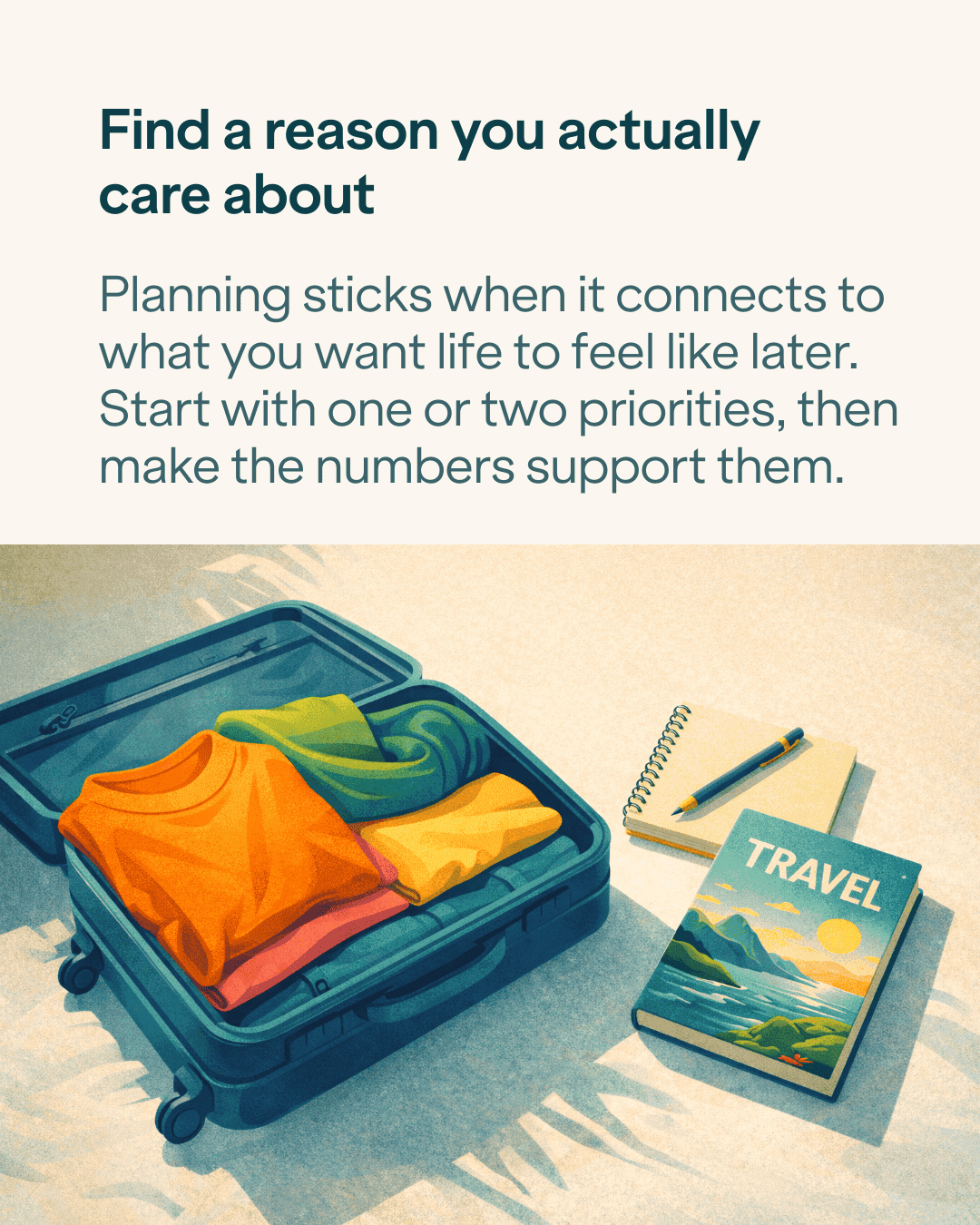
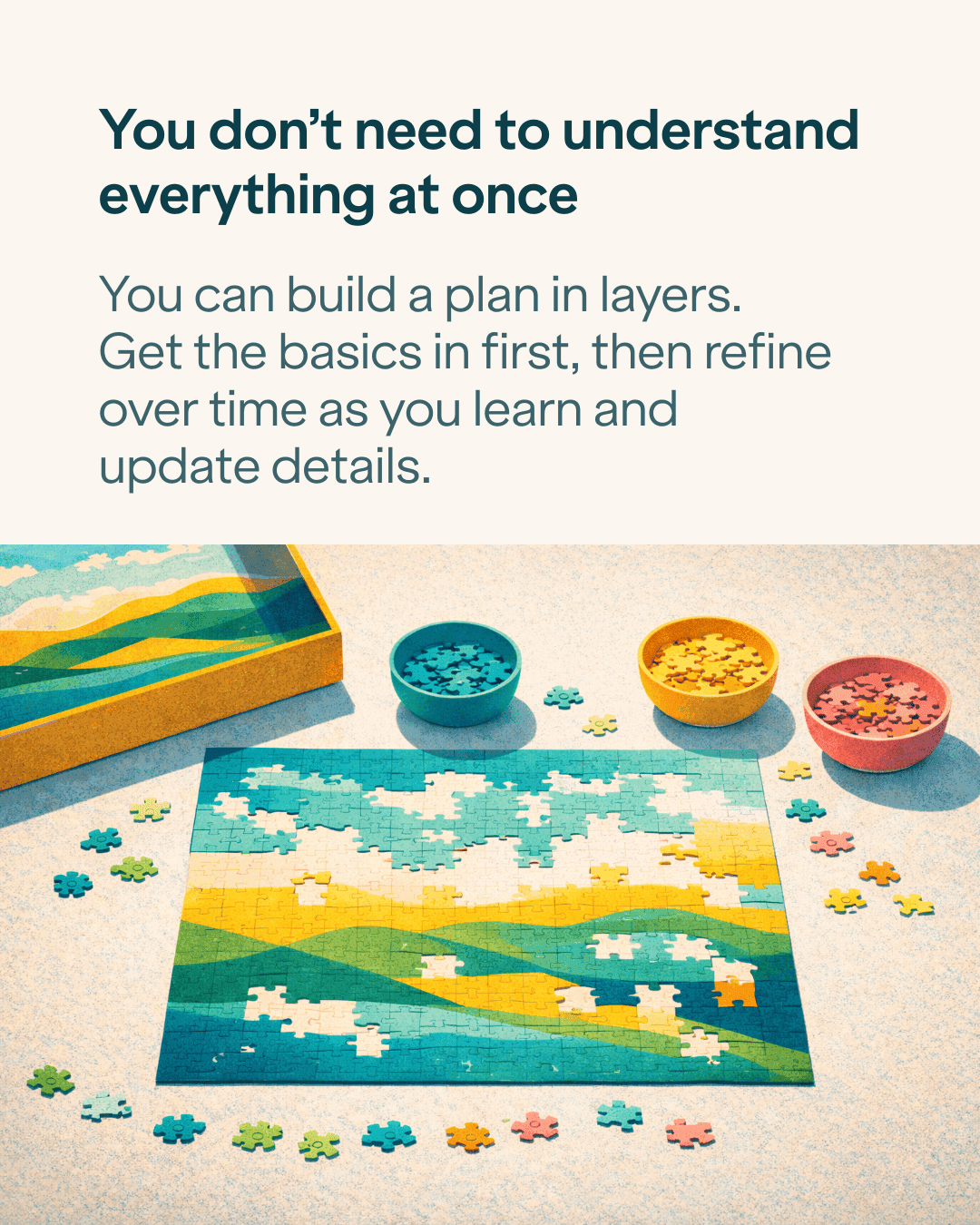
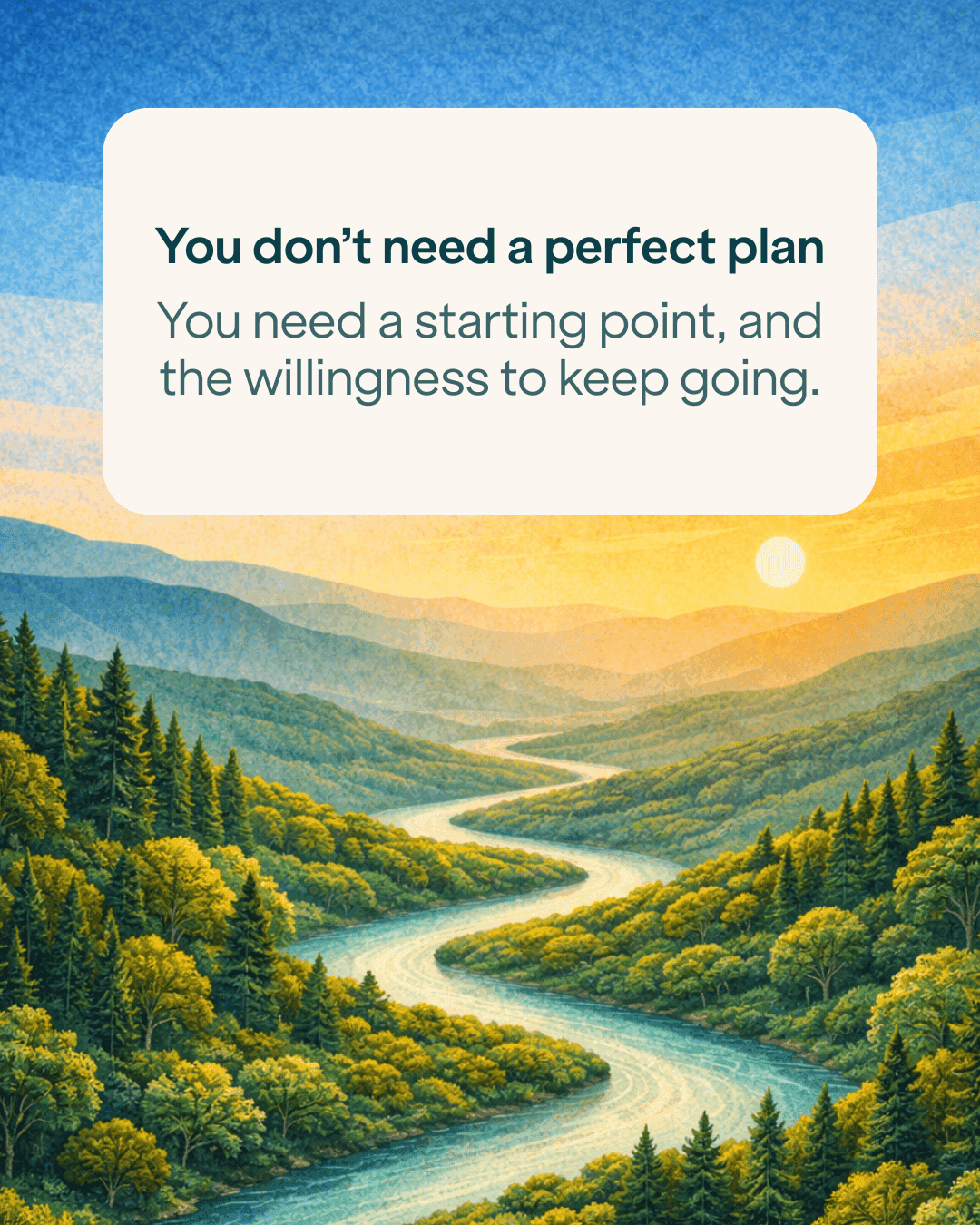
Much less editing was required after this last update. The colors were more vibrant, the style more consistent, and there was less yellow overcast that required correcting. Furthermore the AI became better at understanding instructions and not making massive changes between iterations of an image.
POsting with 5.2 illustrations
[Results coming soon]
Making the engine self-service
Up until 5.2 the engine wasn't ready for self-service. Too much work was required to make images look decent for use — 5.2 changed that.
Using Coda I created a hub that detailed how to create branded illustrations, including an interactive prompt generator that made getting the image you want as easy as copying and pasting.
Within the first 2 weeks of the engine being operationalized for self-service our Social Media Manager created 20+ posts across different channels using the engine.
Lessons learned
We learned a lot…
Outcomes
Illustrated social posts consistently performed twice as well as text or photo only posts. We doubled our social media following since introducing illustrations.