Background
At the beginning of 2025 we had just launched our new brand name, Boldin. The size of the marketing team had doubled, and we were feeling the effects of scaling. As a full service design team, previously if marketing needed design support they would let us know via Slack, we’d execute designs, marketing would be unhappy with those designs, we’d rework them, and eventually marketing would run the assets produced.
Dramatization
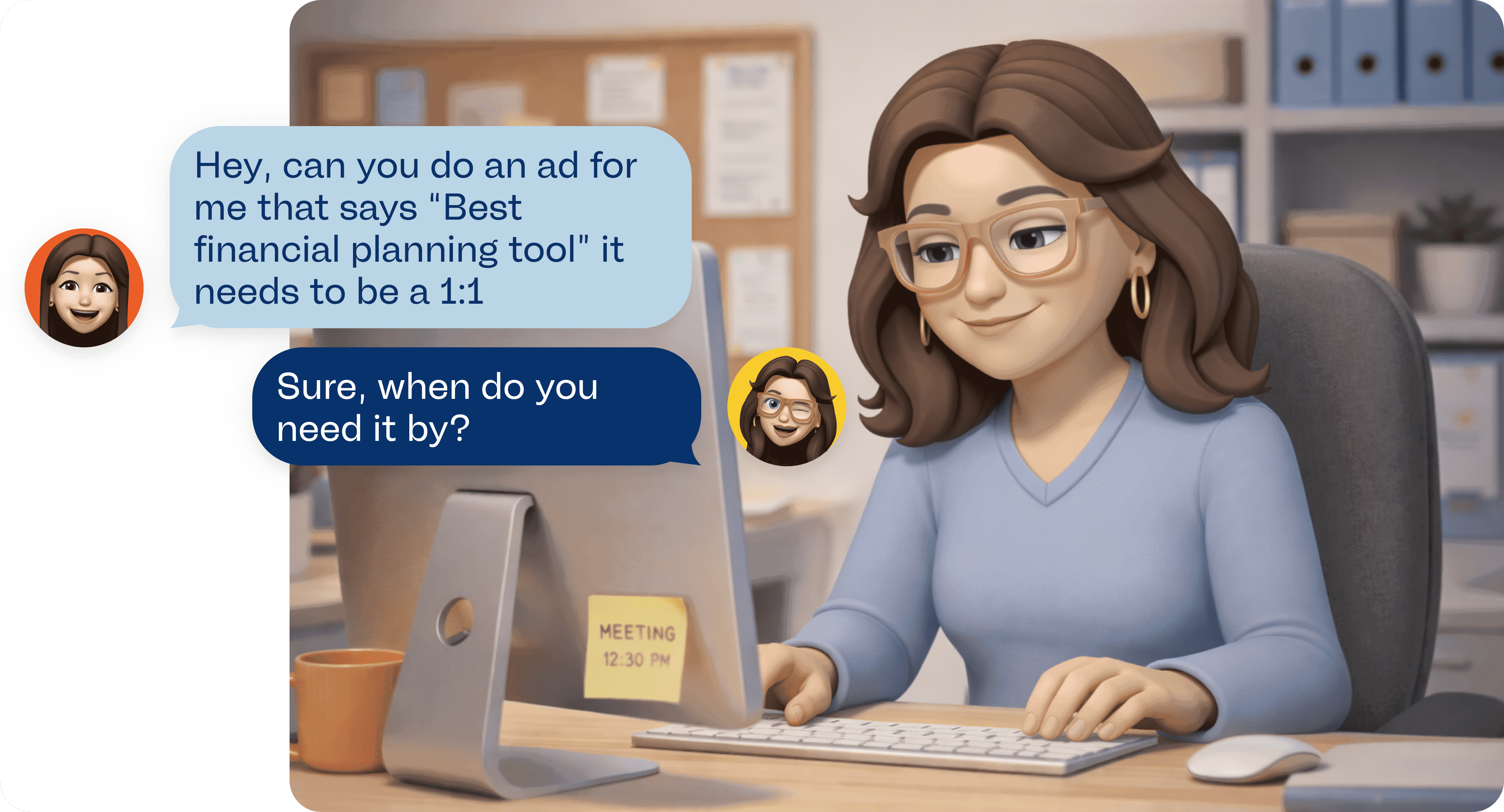
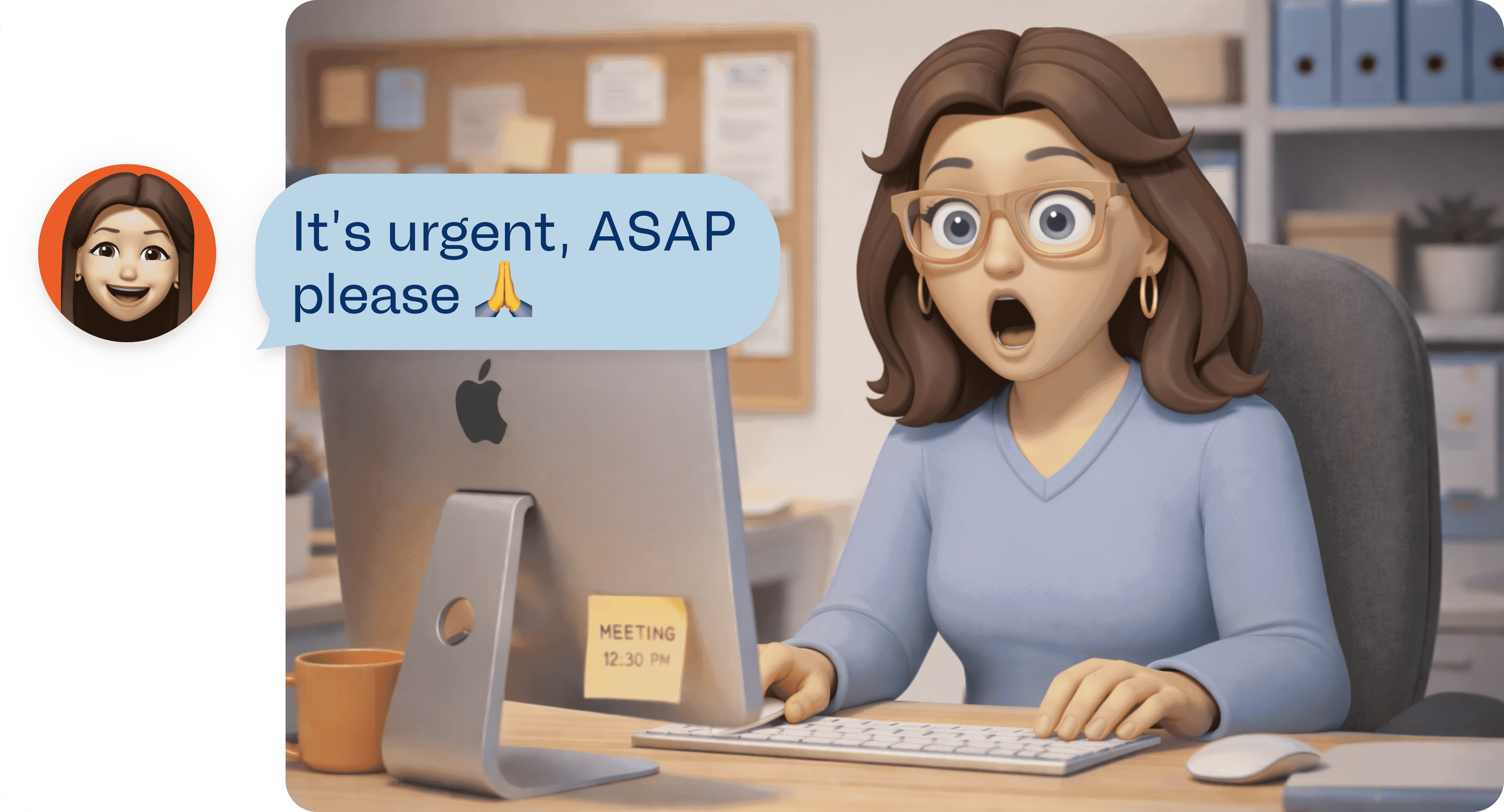
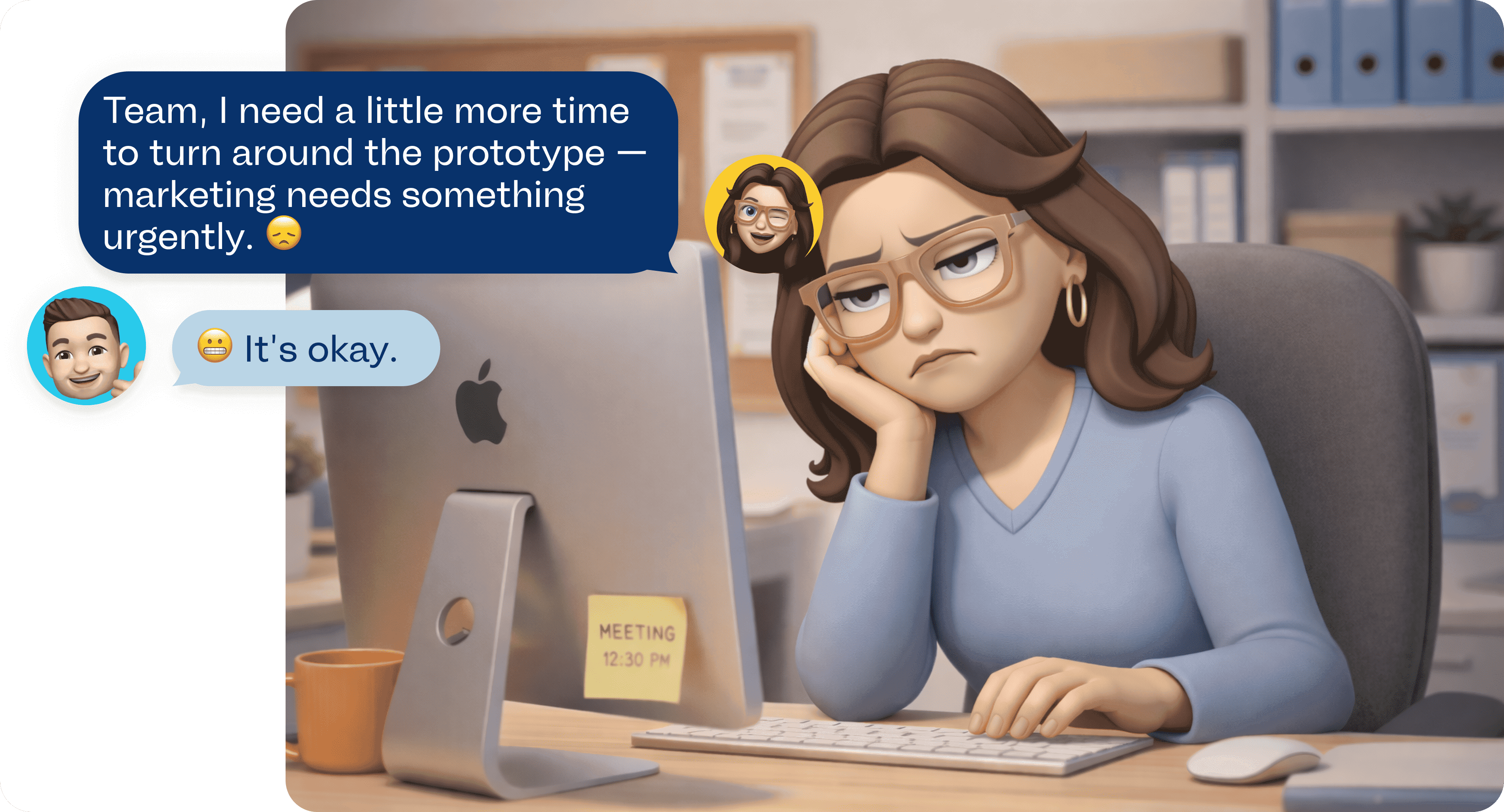
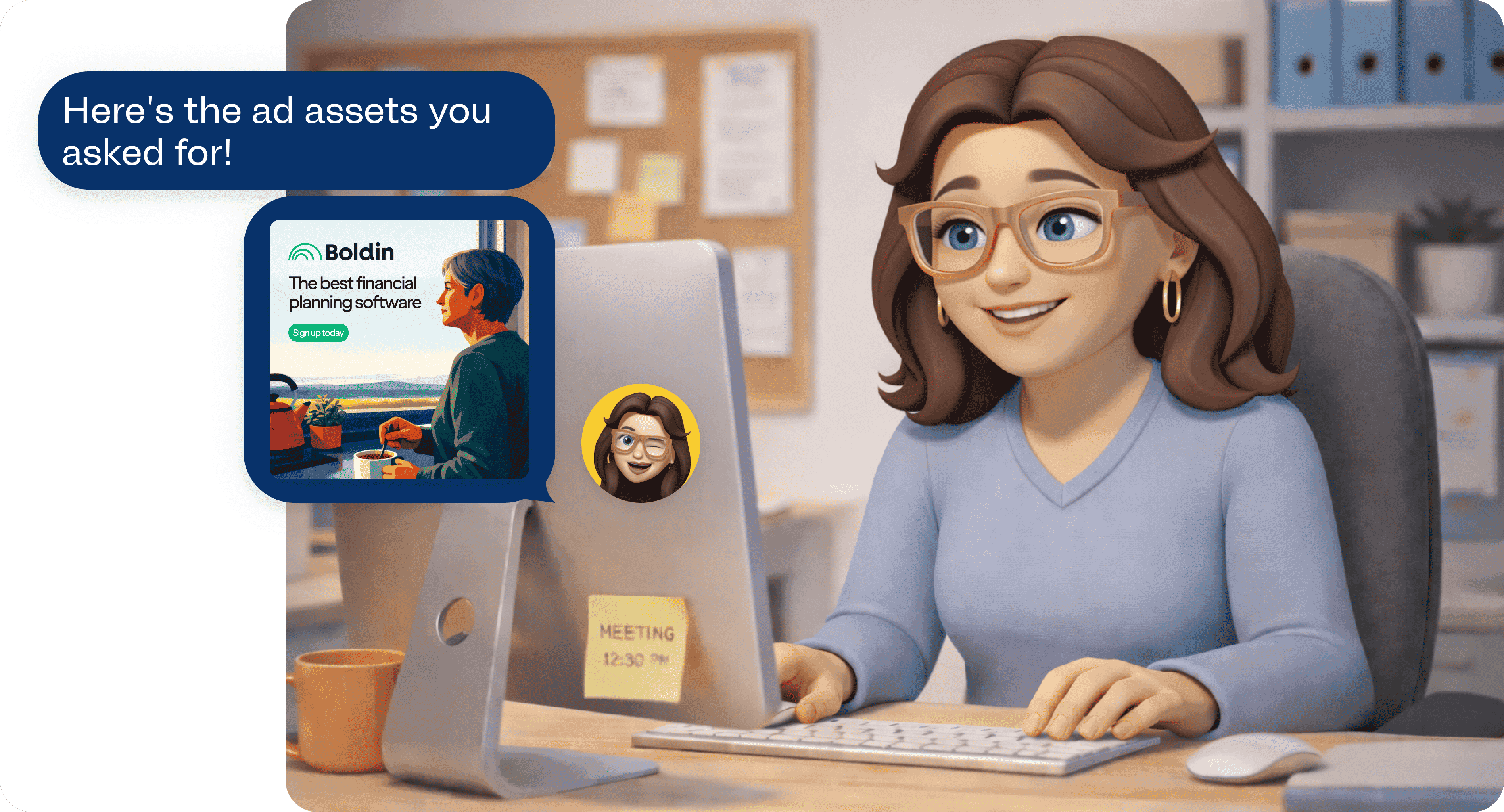
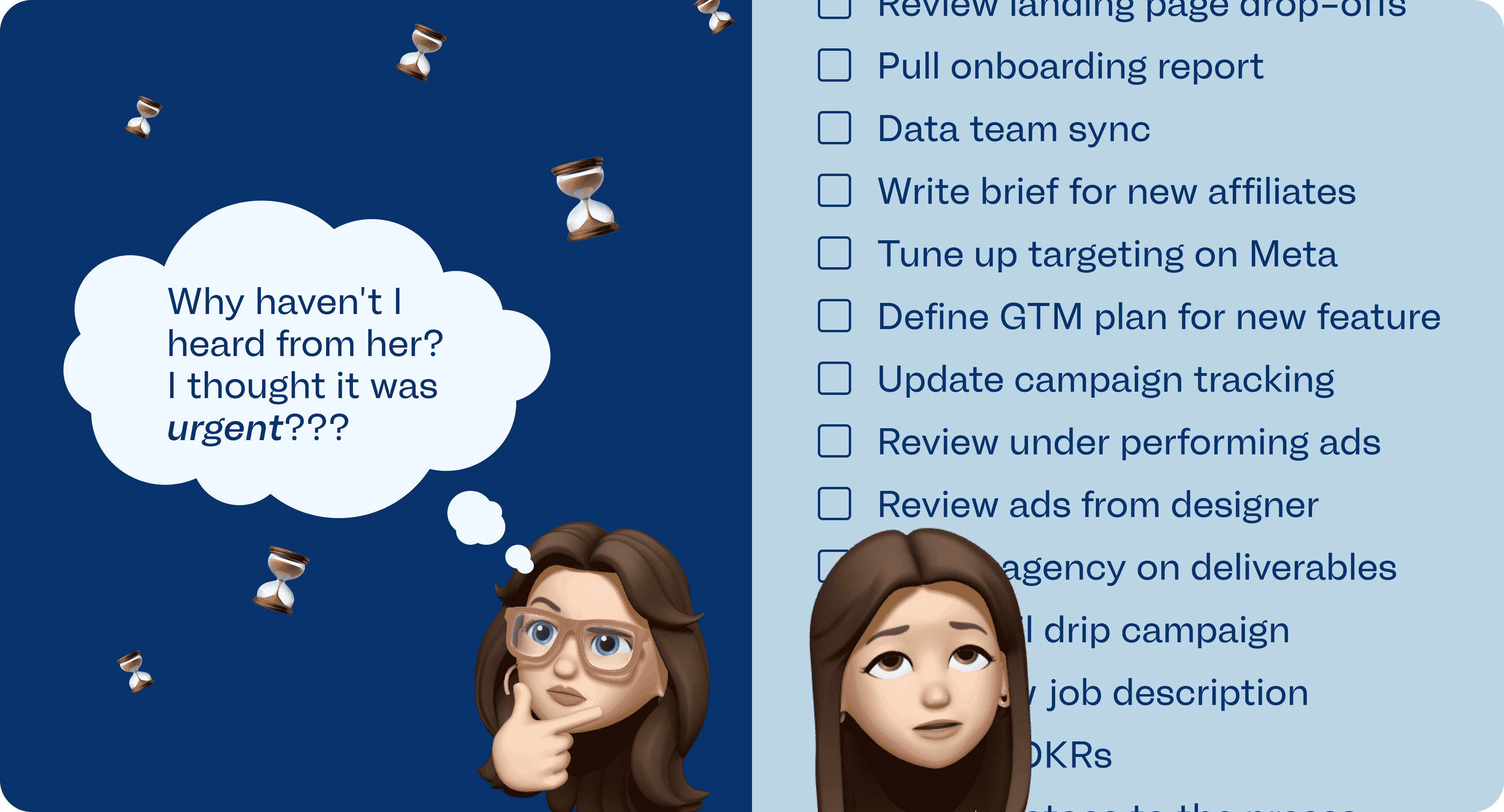
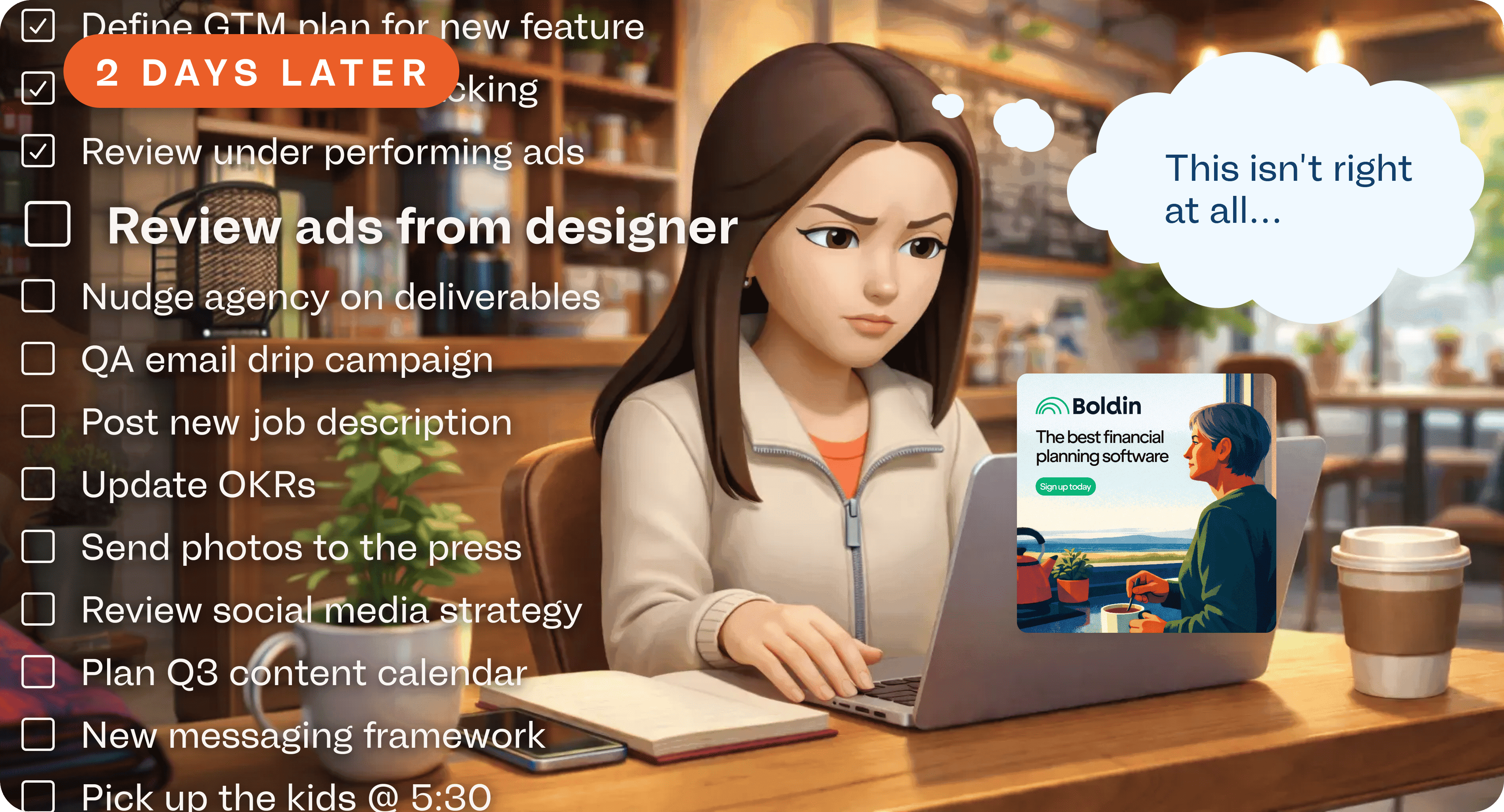
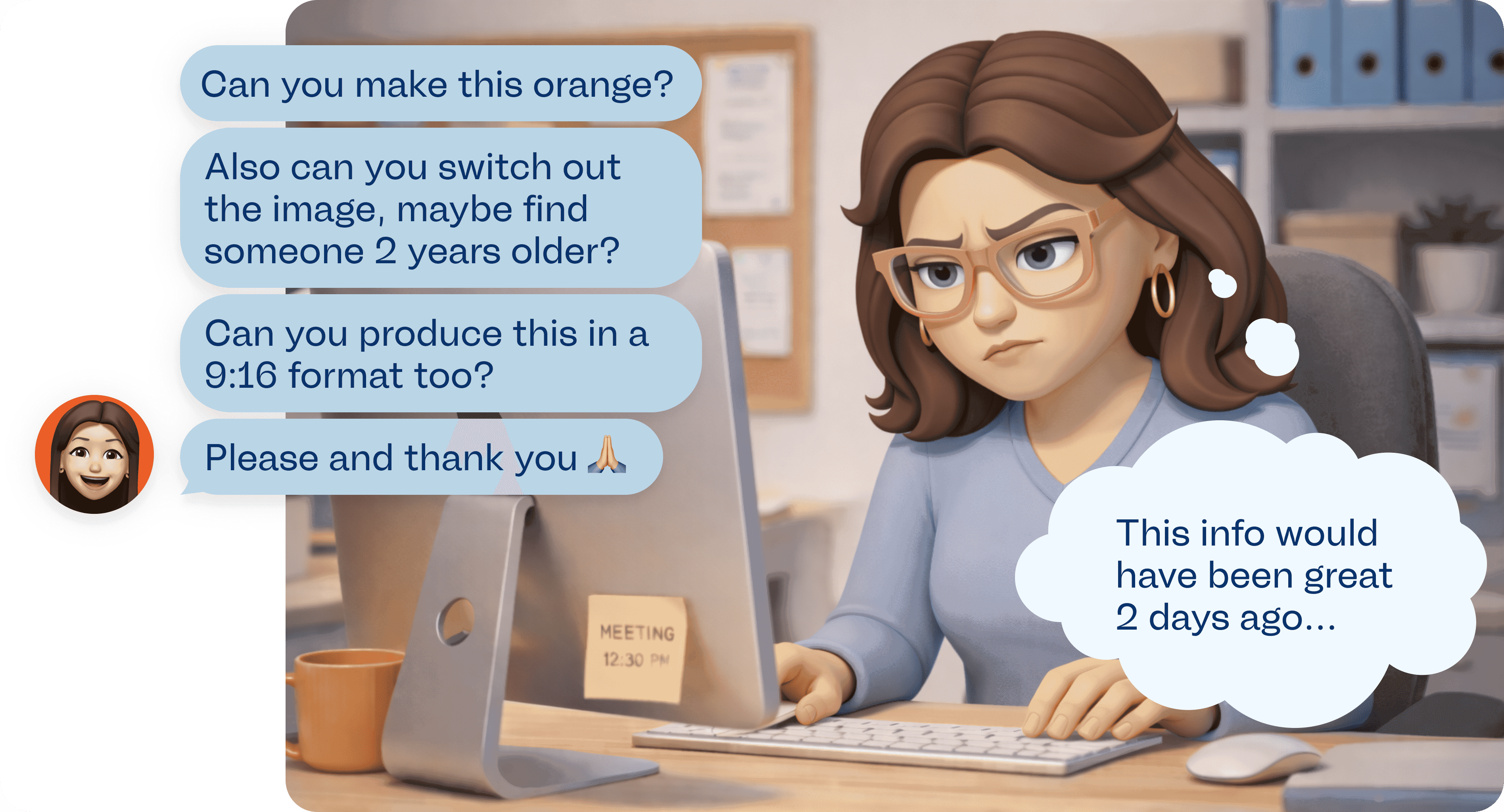
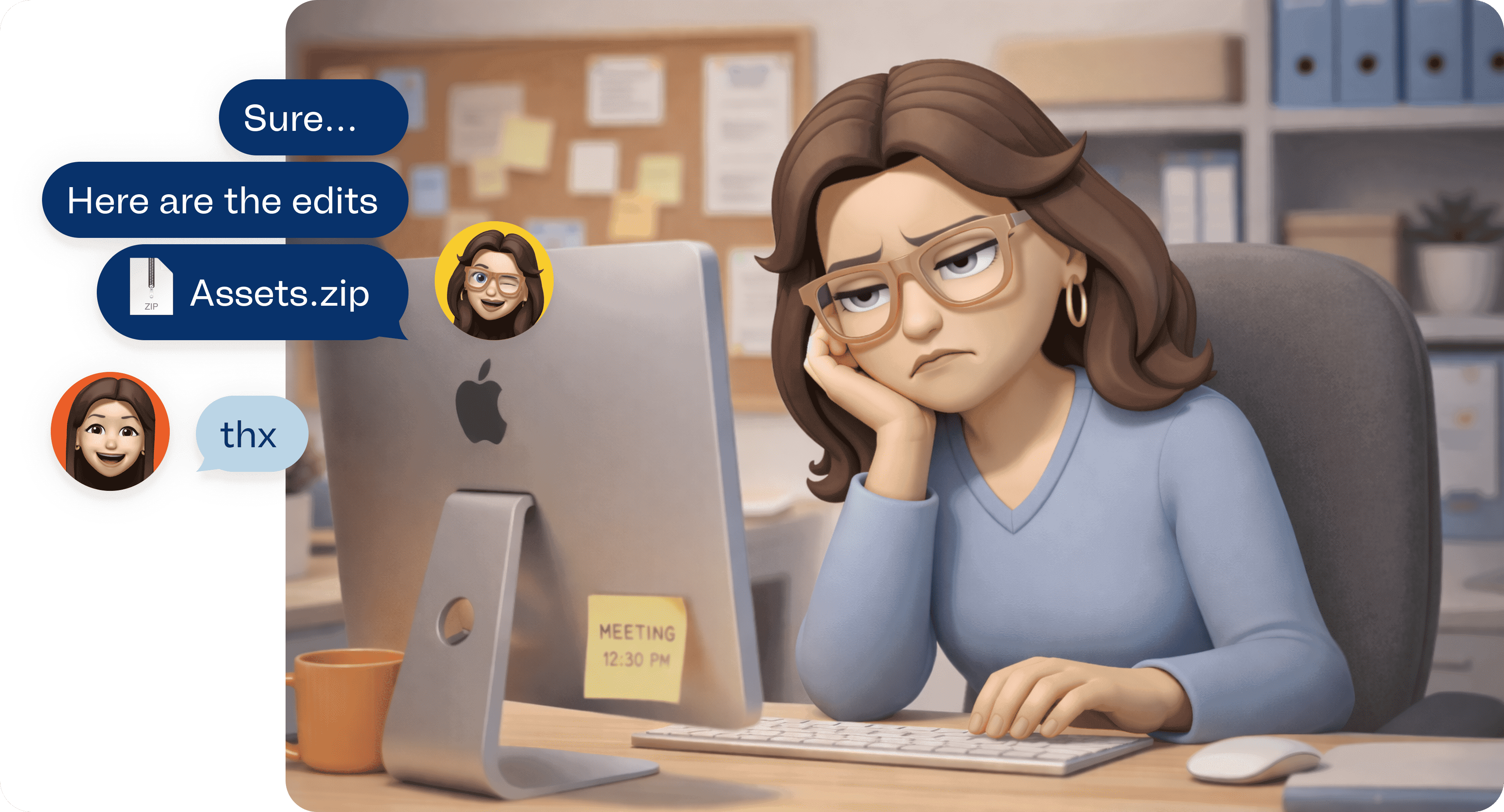
The net effect of this process was that neither team was happy with the work. Everyone was tiptoing on egg shells and super frustrated.
Problems
I spoke with individuals on the marketing and design teams to understand the frustrations and pain points of each.
UNKNOWN STATUS
Marketing didn’t know when the work they had requested was being worked on
NO PREDICTABILITY
Feedback on design work from marketing was slow, design couldn’t predict when they’d need to interrupt their other work to urgently make the next iteration
POOR INPUTS
Most briefs were verbal, poorly documented, informal, and had no attached context, constraints or timeline
NO FEEDBACK LOOP
Design felt like we were designing in the dark, they had no sense of what creative was working in marketing
LOW COLLABORATION
Design felt like order takers with no agency. Marketing told us exactly what they wanted, there was no creative freedom to make work we were proud of.
LACK OF JOY
Designers dreaded working on creative for marketing
It became clear that a reset was in order. We had scaled to a point where we needed to create a relationship between the two teams where flourishing could be mutual.
Program components
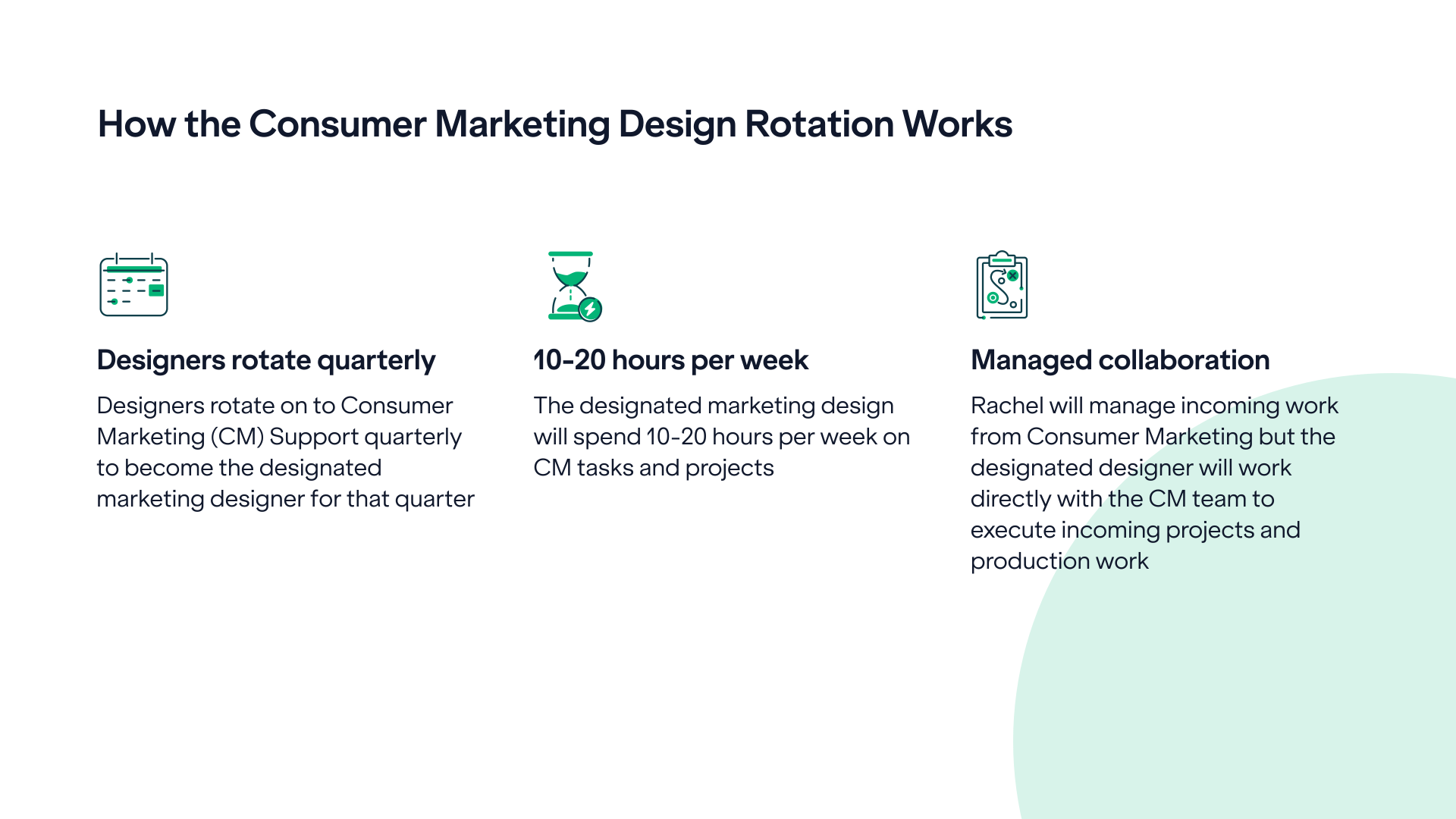
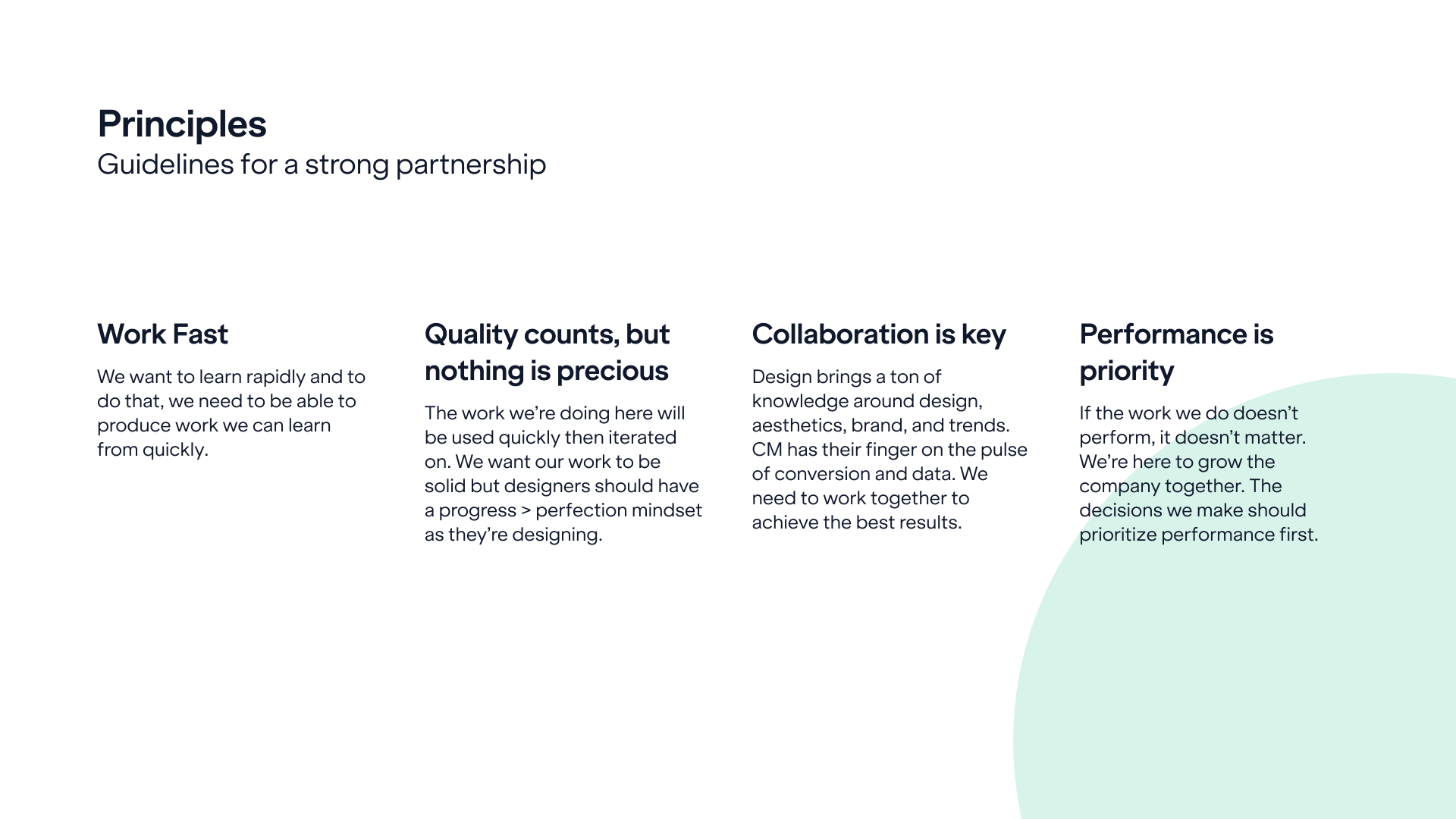
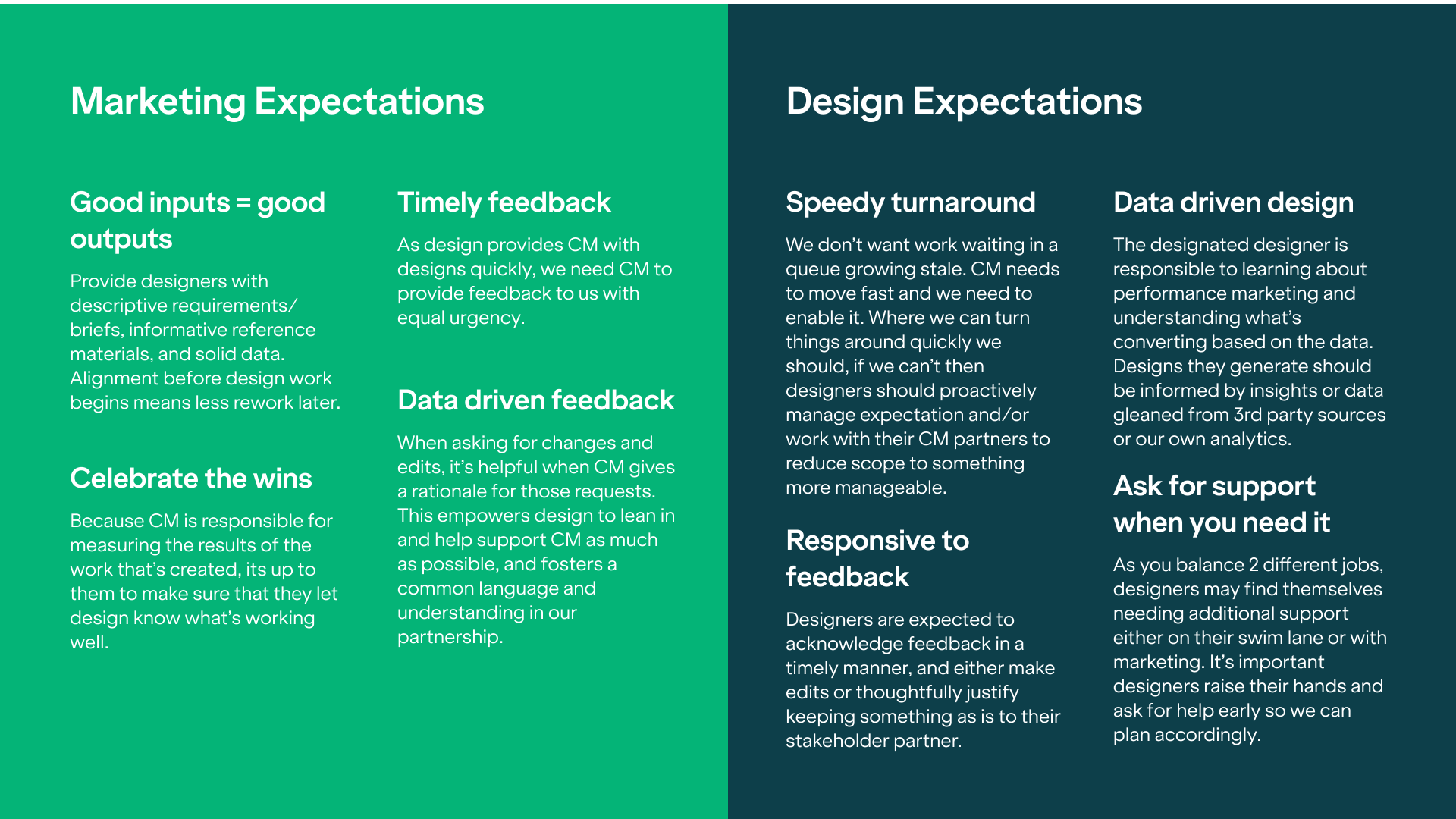
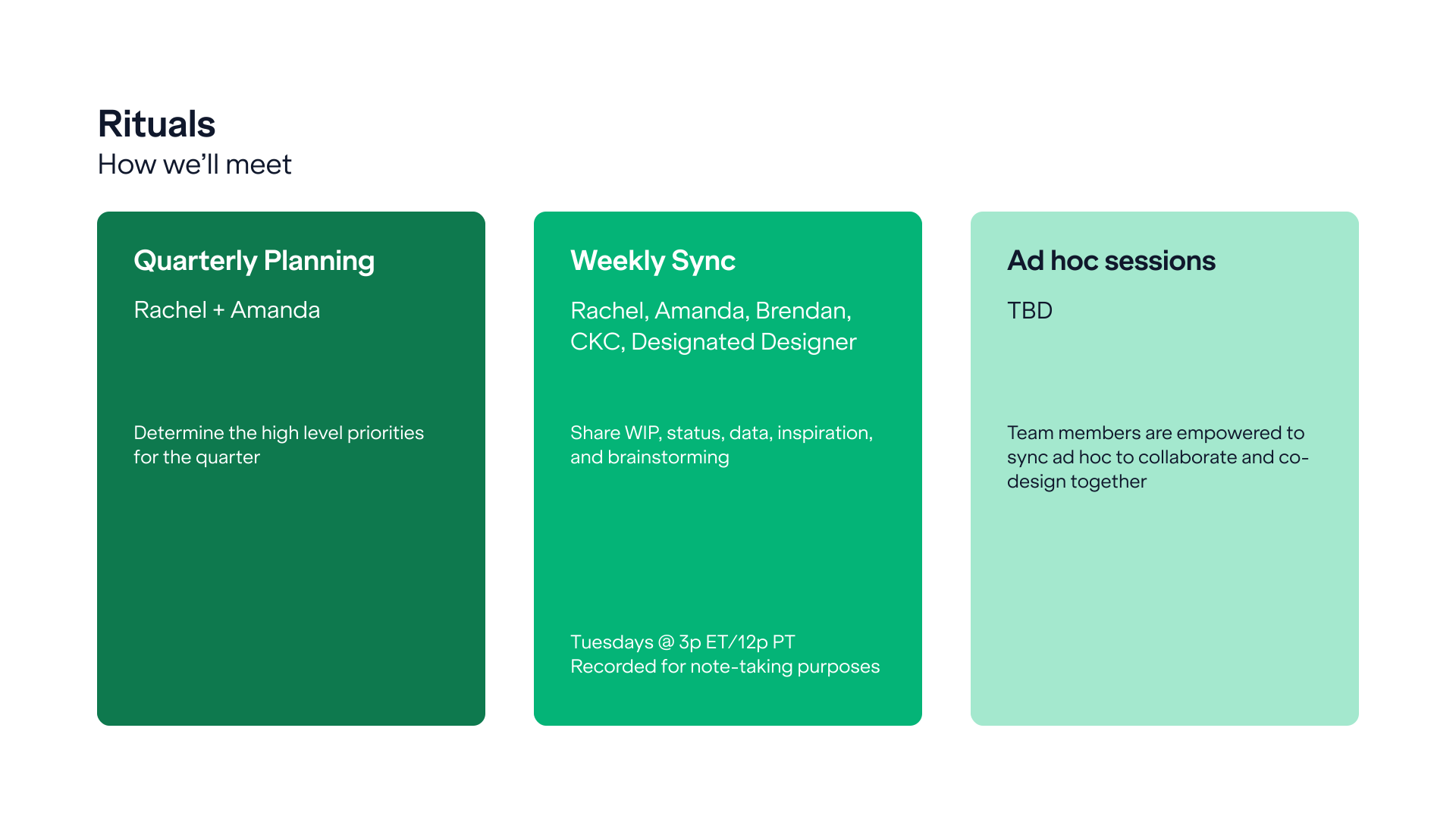
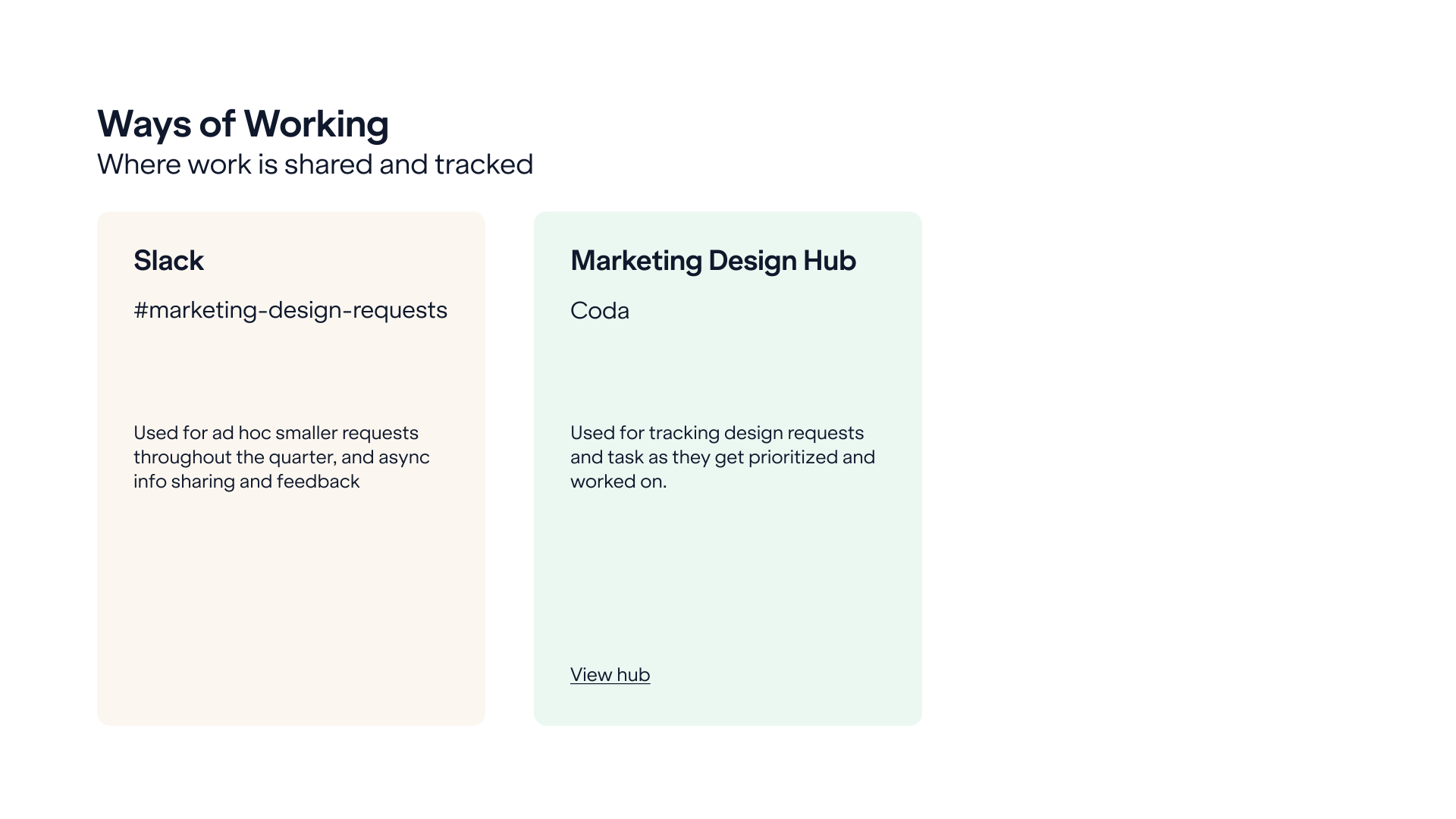
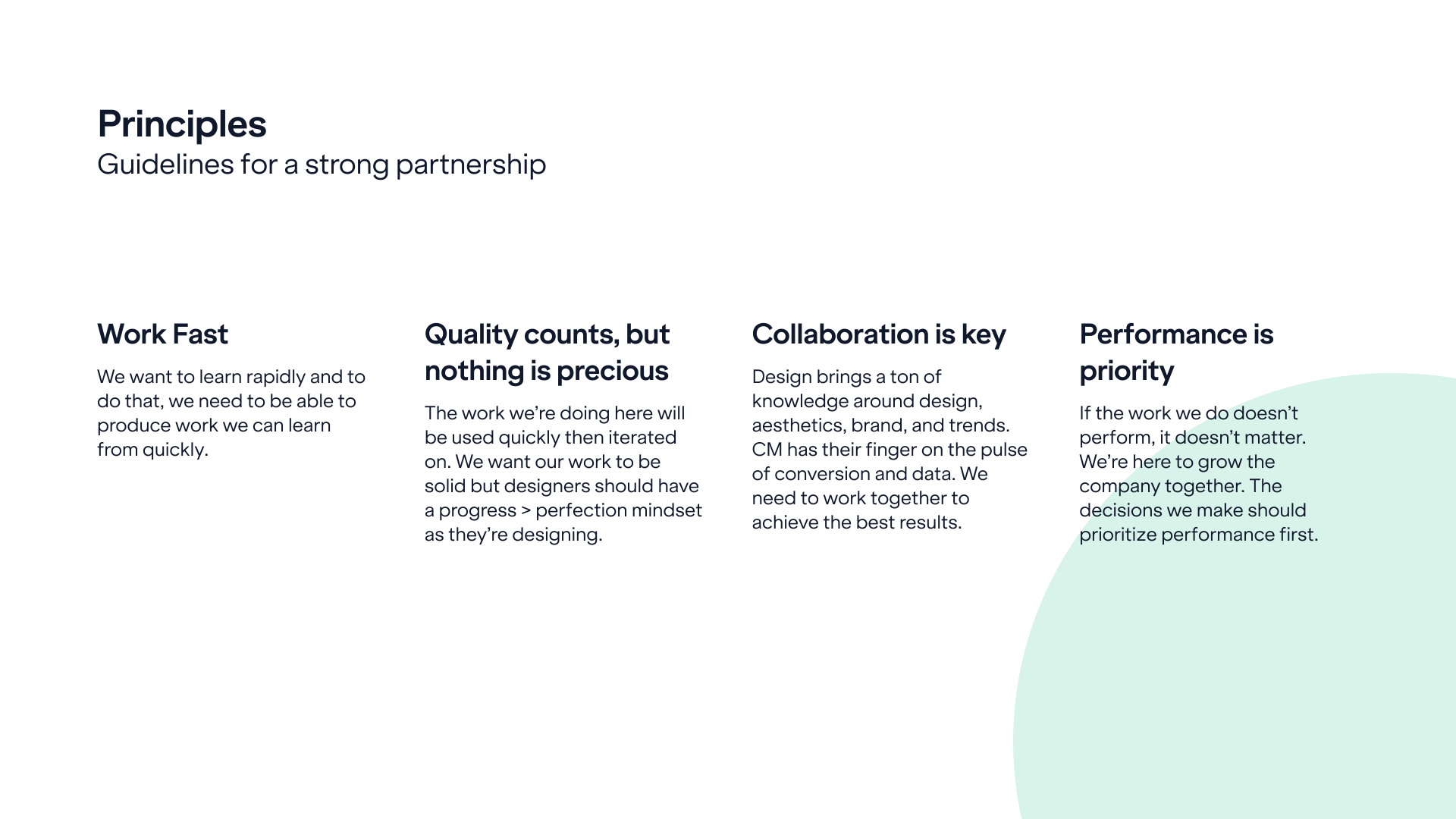
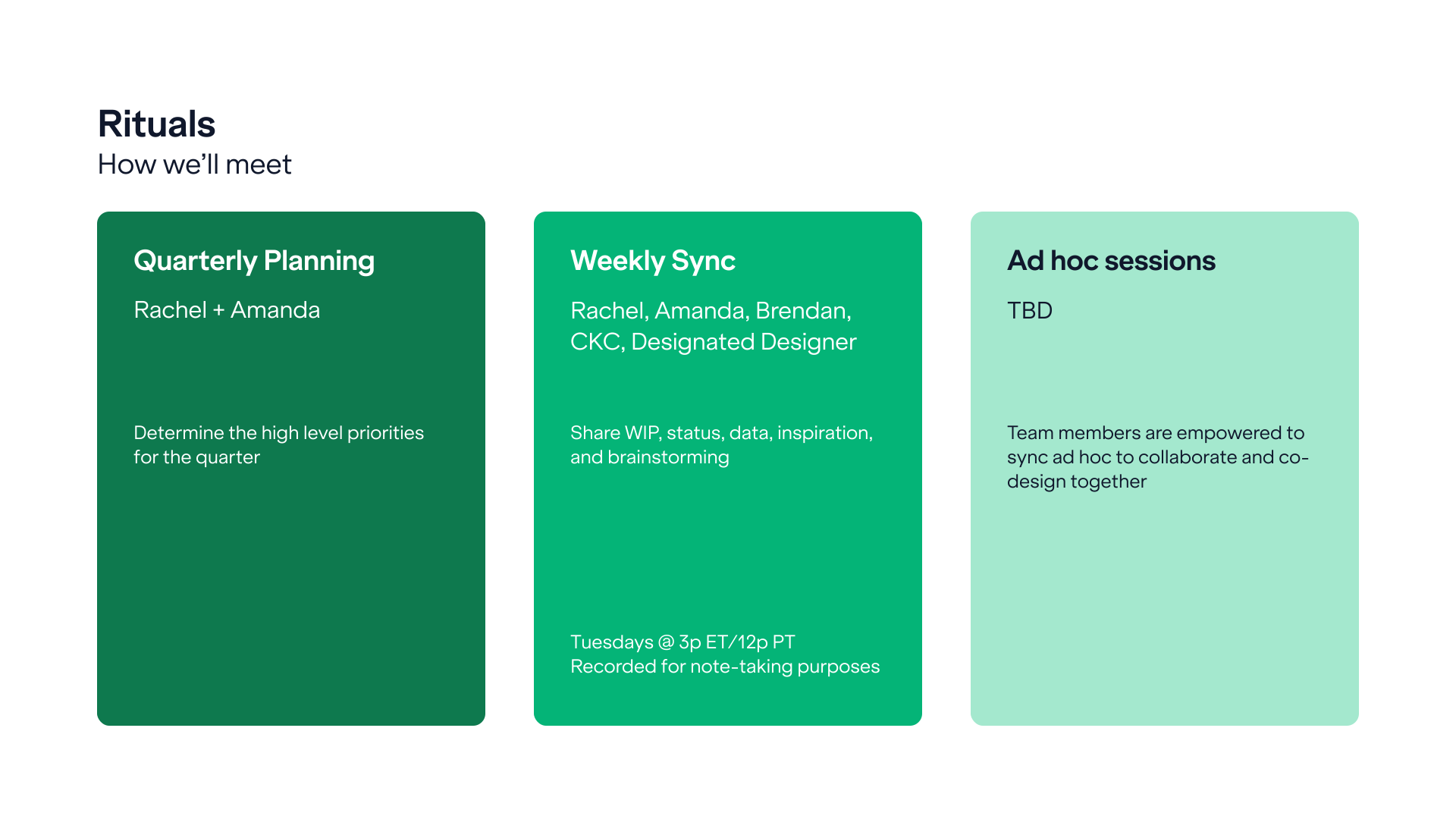
Starting with the problems identified, I began by defining a program with a shared set of expectations and rituals between the marketing and design team that would address the issues at hand.
Putting it into action
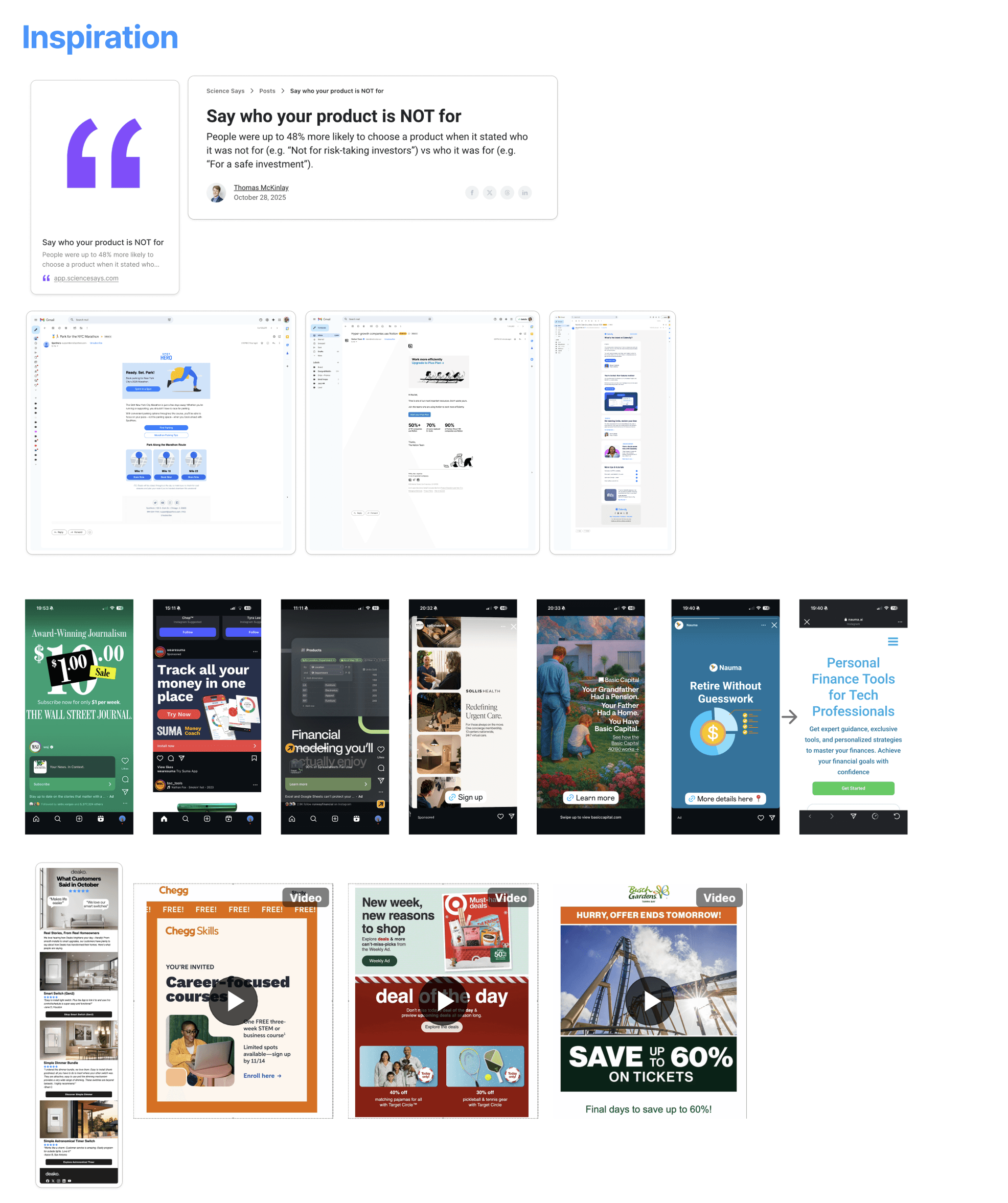
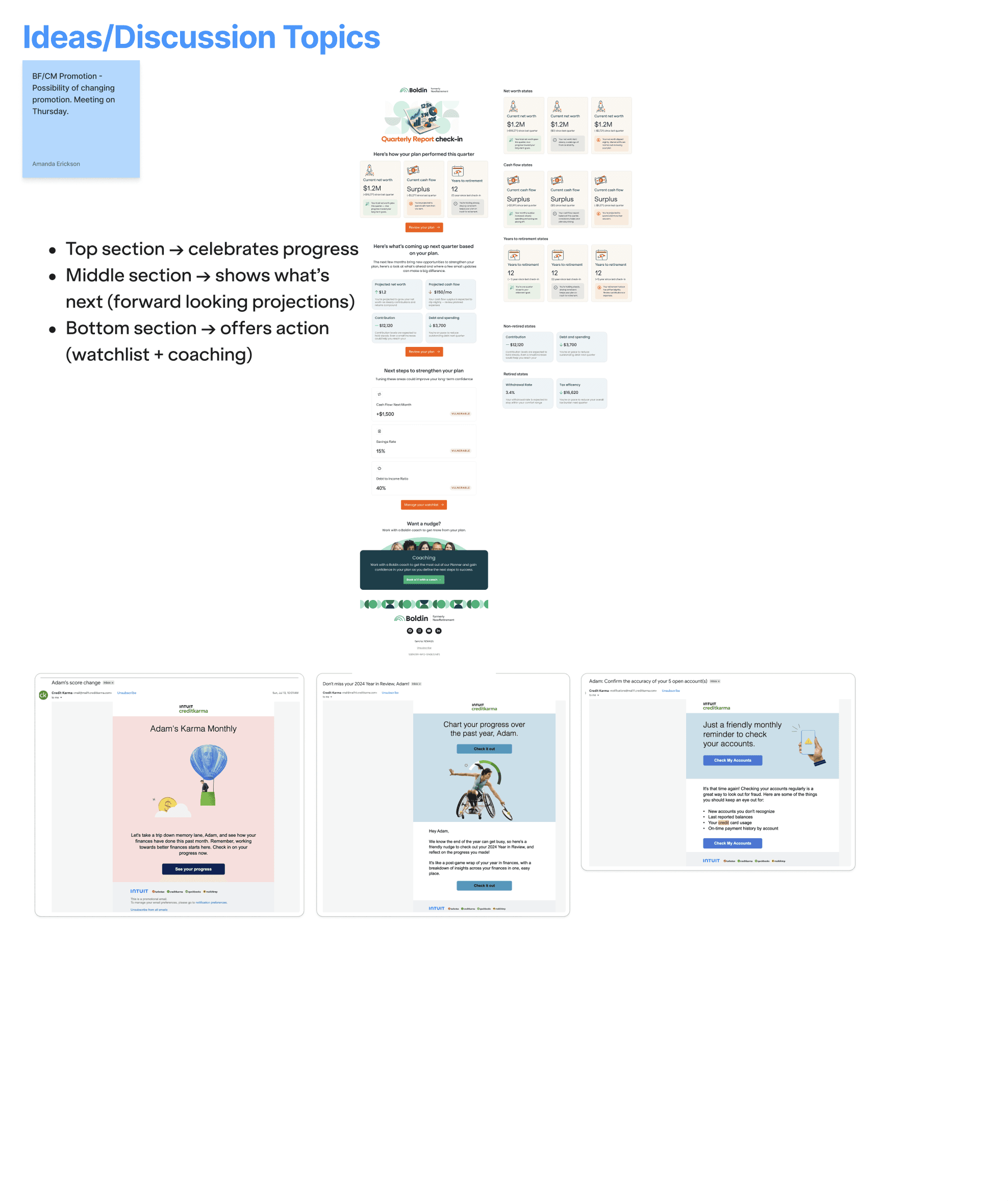
Weekly Sync
Our weekly sync was specifically designed to create a common culture between our two teams. One hour, one a week. The morning of the meeting I sent out a Slack message reminding team members to update their statuses in our FigJam board and submit any requests to our hub.
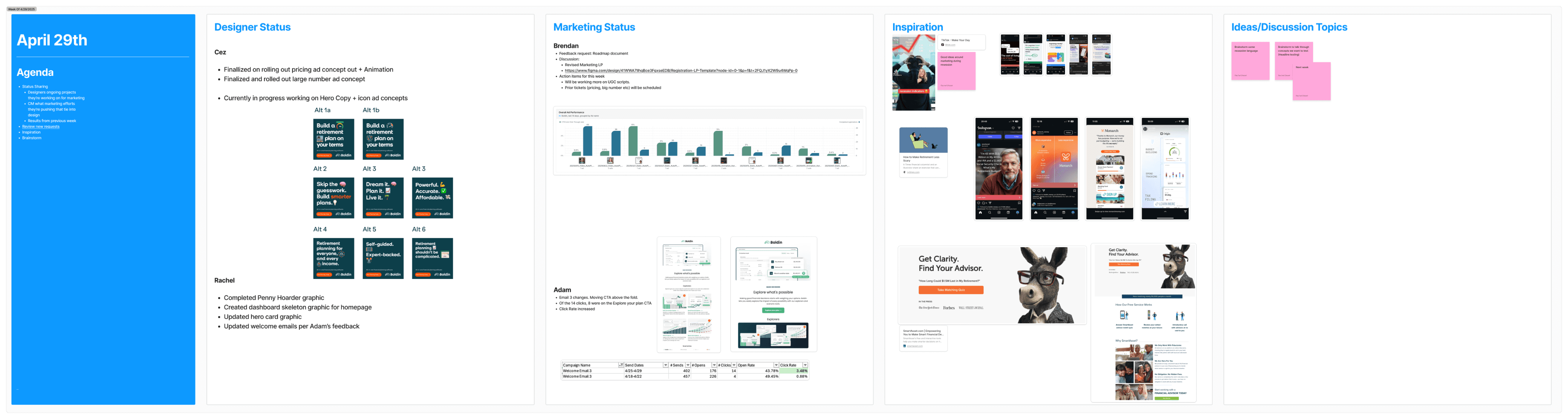
Meeting structure
The flow of our meetings went as follows:
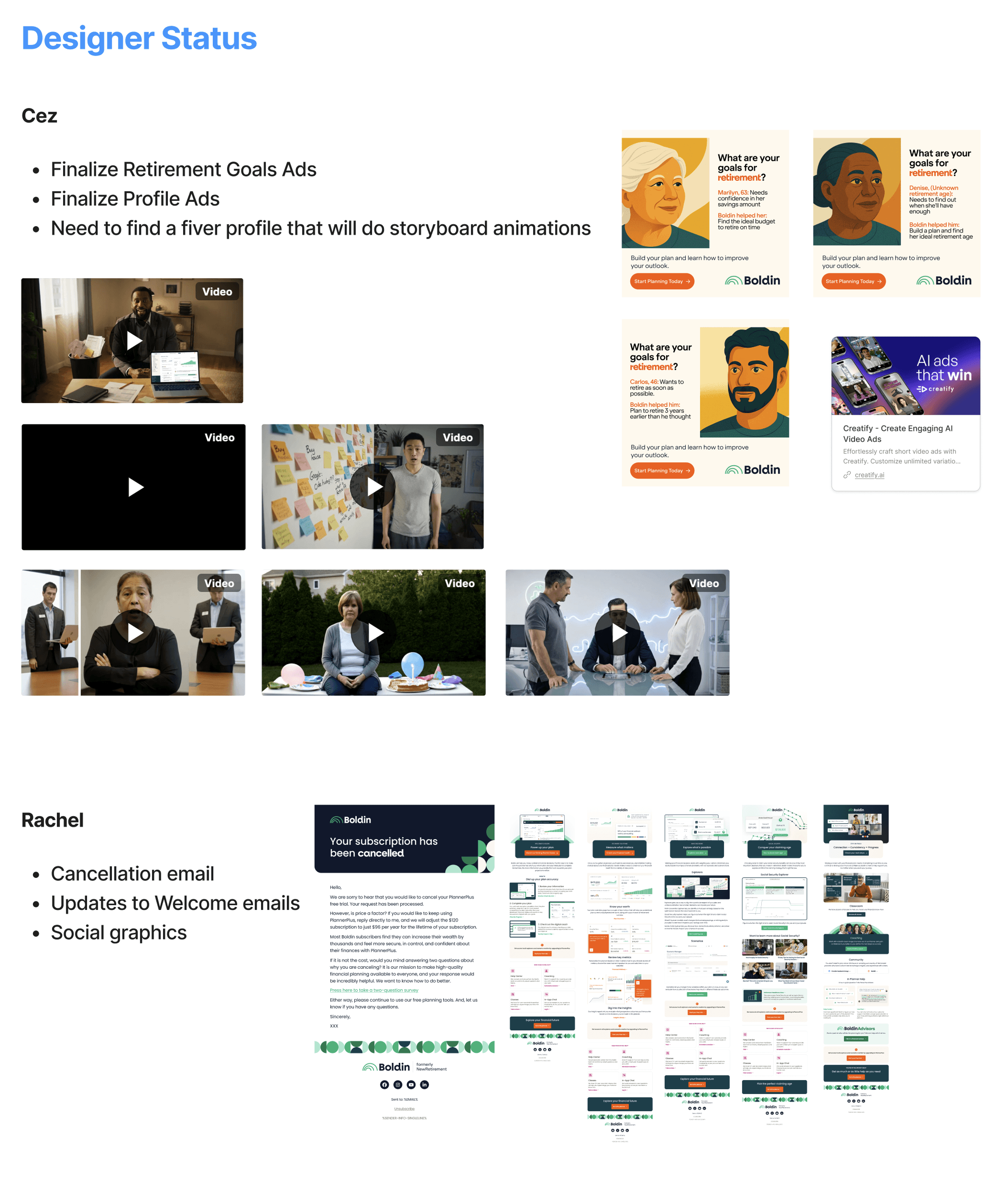
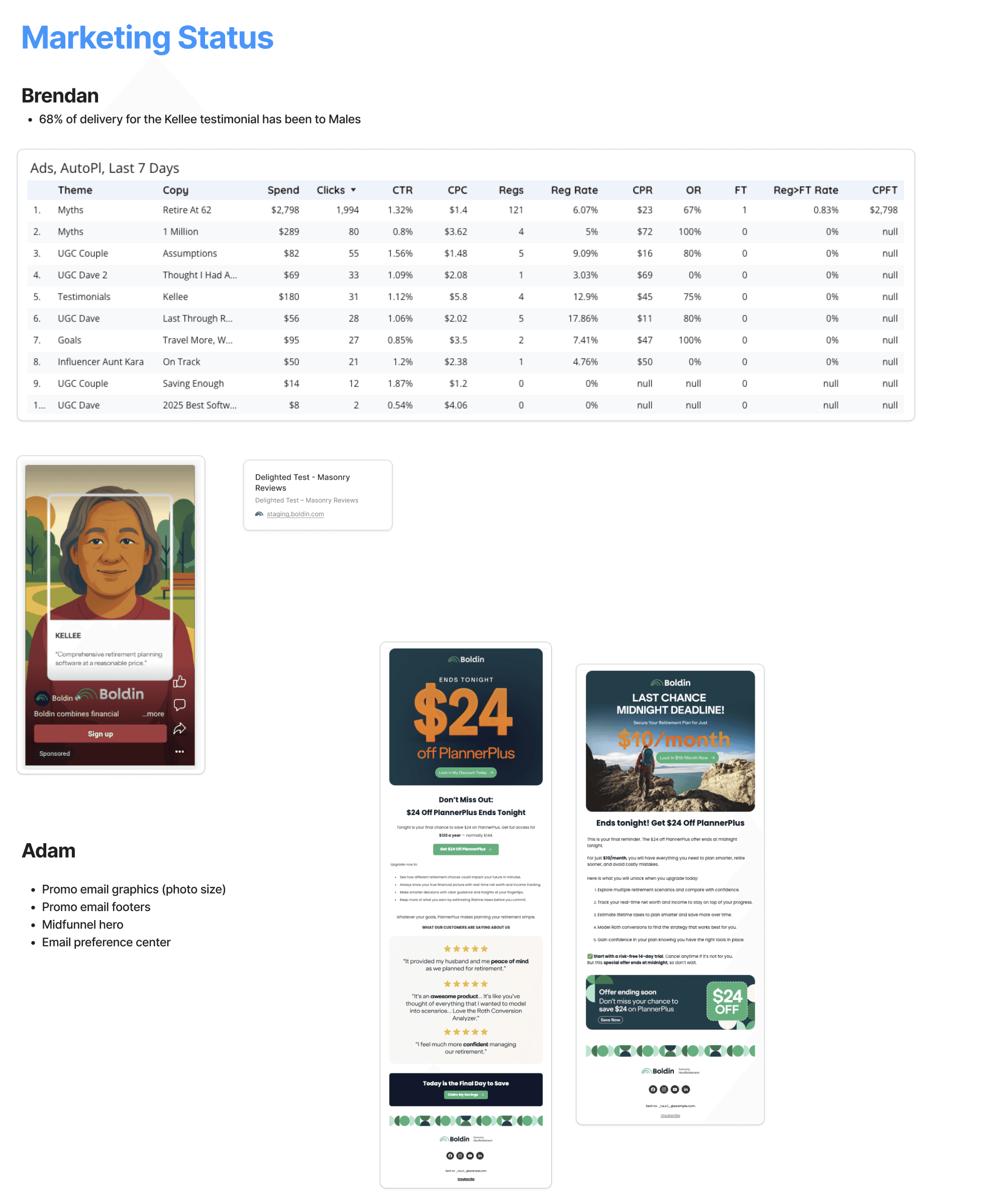
Putting it into action
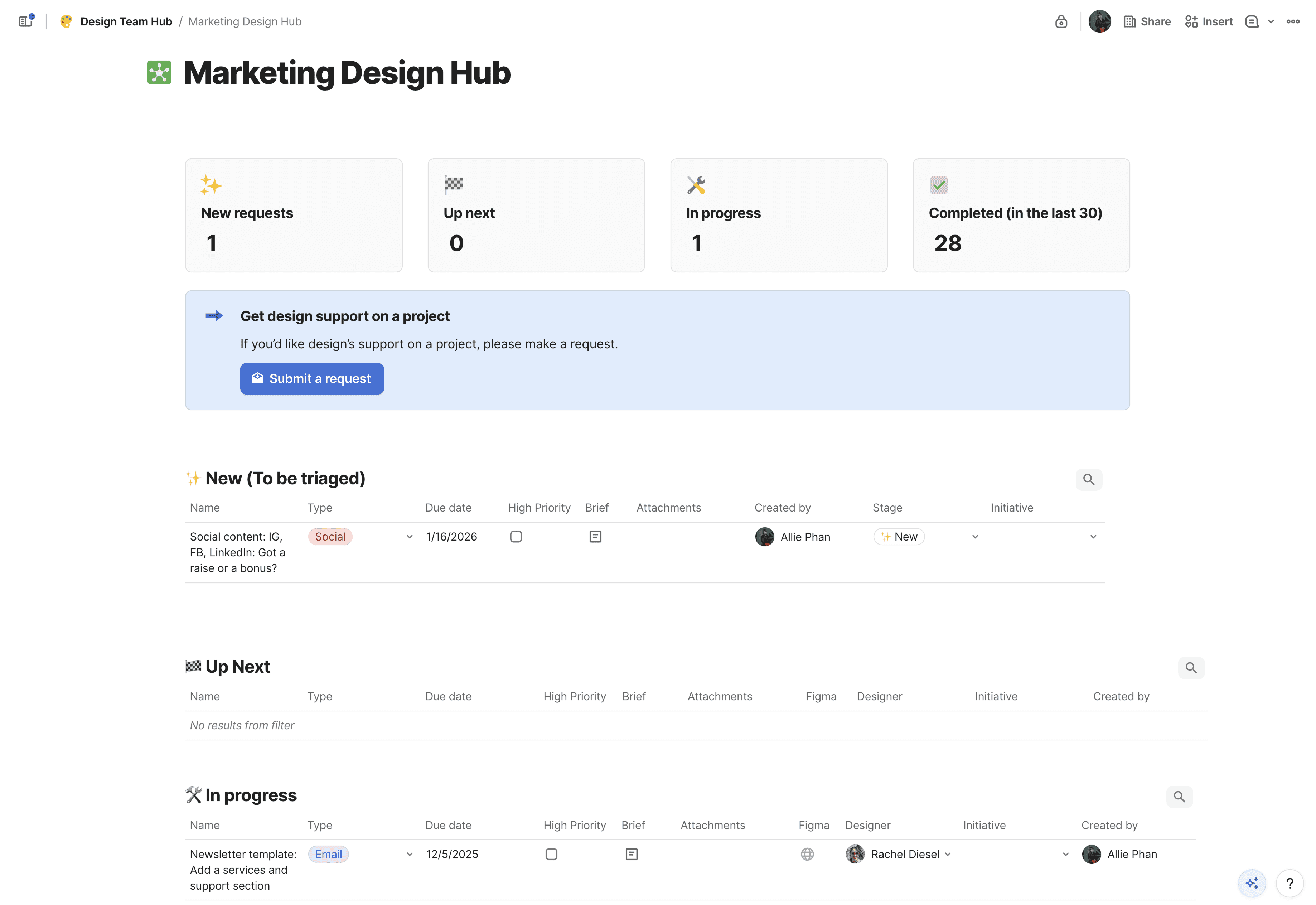
Marketing Design Hub
This hub enabled marketing to submit requests, designers to be notified of work being requested, then deliver that work. Much of the flow was automated, and it helped everyone stay on the same page about our progress. It also helped us track our output.
Outcomes
In the first year of this process, the design team delivered over 450 different briefs for marketing between ads, emails, social, videos, and web spaces. We had increased the amount we were delivering by 5X.
After the first quarter, the designer who started on the rotation was enjoying the work so much he ended up staying on the rotation for the entire year.
Unlike when we started, the teams no longer walk on eggshells around one another. The meetings are productive, filled with laughter and inside jokes. And team members are also advocating for their cross disciplinary peers in other meetings across the company (even when they’re not in the room).